
 EN
EN



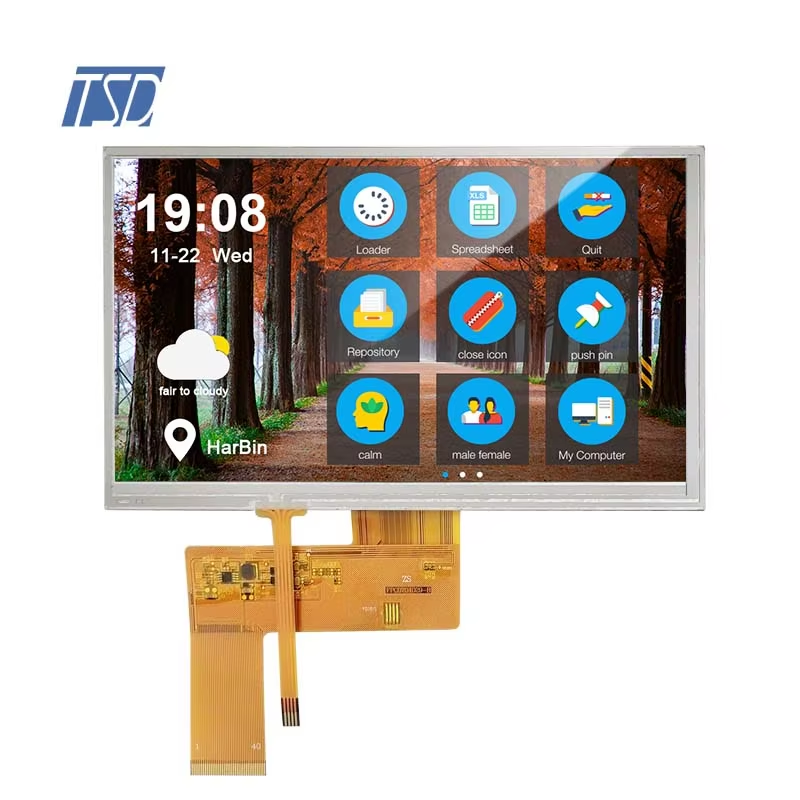
আধুনিক ডিজিটাল পরিবেশে শিল্প খাতগুলির মধ্যে ইলেকট্রনিক ডিভাইসগুলির সাথে ব্যবহারকারীদের নিয়োজন পুনর্গঠনের মূলে থাকা ইন্টারঅ্যাকটিভ ডিসপ্লে প্রযুক্তির অভূতপূর্ব বৃদ্ধি দেখা গেছে। স্মার্টফোন এবং ট্যাবলেট থেকে শুরু করে শিল্প নিয়ন্ত্রণ প্যানেল এবং অটোমোটিভ ড্যাশবোর্ড পর্যন্ত, স্পর্শ-ভিত্তিক ইন্টারফেসের জন্য সহজ-বোধ্য চাহিদা ত্বরান্বিত হচ্ছে। এই রূপান্তরটি মূলত চলমান উদ্ভাবনের উপর নির্ভরশীল স্পর্শ স্ক্রিন মডিউল প্রযুক্তি, যা মানব মিথষ্ক্রিয়া এবং ডিজিটাল সিস্টেমের মধ্যে একটি গুরুত্বপূর্ণ সেতু হিসাবে কাজ করে। বিশ্বব্যাপী উৎপাদন কোম্পানিগুলি বাজারের পরিবর্তনশীল চাহিদা পূরণের জন্য আরও সাড়াদায়ক, টেকসই এবং খরচ-কার্যকর সমাধান তৈরির জন্য গবেষণা ও উন্নয়নে ভারী বিনিয়োগ করছে।
অগ্রসর উপকরণ, উন্নত উৎপাদন প্রক্রিয়া এবং জটিল সেন্সর প্রযুক্তির একীভূতকরণ আধুনিক টাচ ইন্টারফেসের ক্ষমতাকে বদলে দিয়েছে। এই উন্নয়নগুলি উৎপাদকদের উন্নত সংবেদনশীলতা, মাল্টি-টাচ কার্যকারিতা এবং শ্রেষ্ঠ অপটিক্যাল স্বচ্ছতা সহ ডিসপ্লে উৎপাদন করতে সক্ষম করে, যখন একইসঙ্গে প্রতিযোগিতামূলক মূল্য কাঠামো বজায় রাখে। শিল্প নেতারা এমন সমাধান বিকাশের দিকে মনোনিবেশ করছেন যা কঠোর পরিবেশগত অবস্থা সহ্য করতে পারে, বৃহত্তর ডিসপ্লে আকারকে সমর্থন করে এবং বিভিন্ন অ্যাপ্লিকেশন পরিস্থিতিতে অসাধারণ ব্যবহারকারী অভিজ্ঞতা প্রদান করে।
টাচ সনাক্তকরণকে বদলে দেওয়া উন্নত সেন্সর প্রযুক্তি
ক্যাপাসিটিভ টাচ উদ্ভাবন
ক্যাপাসিটিভ সেন্সিং প্রযুক্তির উল্লেখযোগ্য অগ্রগতি ঘটেছে, যা প্রিমিয়াম টাচ স্ক্রিন অ্যাপ্লিকেশনের জন্য পছনীয় পছন্দ হিসাবে প্রতিষ্ঠিত হয়েছে। আধুনিক ক্যাপাসিটিভ সিস্টেমগুলি অত্যন্ত সংবেদনশীলতা এবং নির্ভুলতা অর্জনের জন্য জটিল ইলেকট্রোড প্যাটার্ন এবং উন্নত সিগন্যাল প্রসেসিং অ্যালগরিদম ব্যবহার করে। এই উন্নতি নির্মাতাদের অত্যন্ত পাতলা ডিসপ্লে তৈরি করতে সাহায্য করে যা চমৎকার স্বচ্ছতা এবং মাল্টি-টাচ সক্ষমতা রাখে এবং যা নির্ভুলভাবে একাধিক কন্টাক্ট পয়েন্ট একসাথে সনাক্ত করতে পারে।
সাম্প্রতিক ক্যাপাসিটিভ টাচ স্ক্রিন মডিউল ডিজাইনগুলিতে সেলফ-ক্যাপাসিট্যান্স এবং মিউচুয়াল ক্যাপাসিট্যান্স সেন্সিং পদ্ধতি অন্তর্ভুক্ত করা হয়েছে, যা নির্দিষ্ট অ্যাপ্লিকেশনের প্রয়োজনীয়তা অনুযায়ী সর্বোত্তম কর্মক্ষমতা অর্জনে সাহায্য করে। সেলফ-ক্যাপাসিট্যান্স সিস্টেমগুলি একক টাচের পরিস্থিতিতে উত্কৃষ্ট এবং শব্দ প্রতিরোধে শ্রেষ্ঠ ক্ষমতা প্রদর্শন করে, অন্যদিকে মিউচুয়াল ক্যাপাসিট্যান্স কনফিগারেশনগুলি অসাধারণ মাল্টি-টাচ কর্মক্ষমতা এবং জেসচার চেনার ক্ষমতা প্রদান করে। এই প্রযুক্তিগত নমনীয়তা উৎপাদকদের ভোক্তা ইলেকট্রনিক্স থেকে শুরু করে শিল্প স্বয়ংক্রিয় সিস্টেম পর্যন্ত বিভিন্ন বাজার খাতের জন্য সমাধান তৈরি করতে সক্ষম করে।
চ্যালেঞ্জিং তড়িৎ-চৌম্বকীয় পরিবেশে ক্যাপাসিটিভ টাচ সিস্টেমগুলির নির্ভরযোগ্যতা উল্লেখযোগ্যভাবে উন্নত করেছে উন্নত শব্দ ফিল্টারিং অ্যালগরিদম এবং অ্যাডাপটিভ ক্যালিব্রেশন পদ্ধতি। এই উন্নতি কর্মক্ষমতার স্থিতিশীলতা নিশ্চিত করে, এমনকি যখন এগুলি জটিল ইলেকট্রনিক সিস্টেমে সংযুক্ত থাকে যেখানে একাধিক রেডিও ফ্রিকোয়েন্সি উৎস এবং পাওয়ার সুইচিং সার্কিট থাকে যা ঐতিহ্যগতভাবে টাচ সংবেদনশীলতাকে ব্যাহত করে।
রেজিস্টিভ টাচ এনহ্যান্সমেন্ট
ক্যাপাসিটিভ প্রযুক্তির জনপ্রিয়তা বৃদ্ধি পাওয়া সত্ত্বেও, রেজিস্টিভ টাচ সিস্টেমগুলি তাদের অনন্য সুবিধাগুলির কারণে নির্দিষ্ট বাজার খণ্ডগুলিতে প্রাসঙ্গিকতা বজায় রেখে উন্নতি অব্যাহত রেখেছে। আধুনিক রেজিস্টিভ ডিজাইনগুলিতে উন্নত উপকরণ এবং নির্মাণ কৌশল রয়েছে যা উন্নত স্থায়িত্ব এবং অপটিক্যাল কর্মক্ষমতা প্রদান করে এবং আঙুল, স্টাইলাস এবং তোয়ালে পরা হাতসহ বিভিন্ন ইনপুট পদ্ধতির প্রতি সাড়া দেওয়ার ক্ষমতা বজায় রাখে।
চার-তার এবং পাঁচ-তার রেজিস্টিভ কনফিগারেশনগুলি প্রসারিত পরিচালন সময়কালের জন্য উন্নত রৈখিকতা এবং হ্রাসপ্রাপ্ত ড্রিফট প্রদানের জন্য পরিশোধিত করা হয়েছে। উন্নত পরিবাহী কোটিং এবং নমনীয় সাবস্ট্রেট উপকরণগুলি টাচ সংবেদনশীলতা এবং দীর্ঘতর সেবা জীবনের উন্নতিতে অবদান রাখে, যা শিল্প অ্যাপ্লিকেশনগুলির জন্য এই সমাধানগুলিকে বিশেষভাবে আকর্ষক করে তোলে যেখানে দৃঢ়তা এবং বহুমুখিত্ব অত্যন্ত গুরুত্বপূর্ণ বিবেচনা।
প্রতিরোধী প্রযুক্তির খরচ-কার্যকারিতা এবং সাম্প্রতিক কর্মদক্ষতা উন্নতির সমন্বয় বাজেট-সচেতন অ্যাপ্লিকেশন এবং চরম স্থায়িত্বের প্রয়োজনীয়তা থাকা পরিবেশগুলিতে এটিকে একটি ব্যবহারযোগ্য বিকল্প হিসাবে টিকিয়ে রেখেছে। উৎপাদন খরচ কমানোর পাশাপাশি গুণগত সামঞ্জস্য এবং উৎপাদন হার উন্নত করার জন্য উৎপাদন প্রক্রিয়াগুলি অনুকূলিত করা হয়েছে।

ডিসপ্লে ইন্টিগ্রেশন এবং অপটিক্যাল পারফরম্যান্সের বিপ্লব
ইন-সেল এবং অন-সেল প্রযুক্তি
ইন-সেল এবং অন-সেল টাচ ইন্টিগ্রেশন পদ্ধতির উন্নয়ন ডিসপ্লে প্রযুক্তিতে একটি উল্লেখযোগ্য এগিয়ে যাওয়ার প্রতিনিধিত্ব করে, যা উন্নত অপটিক্যাল পারফরম্যান্স এবং মোট সিস্টেম পুরুত্ব হ্রাস করে। ইন-সেল প্রযুক্তি তরল ক্রিস্টাল ডিসপ্লে কাঠামোর মধ্যেই সরাসরি টাচ সেন্সরগুলি একীভূত করে, আলাদা টাচ প্যানেলের প্রয়োজনীয়তা দূর করে এবং ফলস্বরূপ পাতলা, হালকা এবং আরও কার্যকর খরচের সমাধান প্রদান করে।
অন-সেল প্রযুক্তি এলসিডি প্যানেলগুলির রঙের ফিল্টার সাবস্ট্রেট বা সরাসরি ওএলইডি ডিসপ্লেগুলিতে টাচ সেন্সর স্থাপন করে, যা চমৎকার অপটিক্যাল স্বচ্ছতা প্রদান করে এবং আপেক্ষিকভাবে সহজ উৎপাদন প্রক্রিয়া বজায় রাখে। ঐতিহ্যবাহী অতিরিক্ত টাচ প্যানেল কনফিগারেশনের তুলনায় এই পদ্ধতিগুলি প্যারাল্যাক্স প্রভাব উল্লেখযোগ্যভাবে কমায় এবং দর্শন কোণগুলি উন্নত করে, যার ফলে উন্নত ব্যবহারকারী অভিজ্ঞতা এবং উন্নত দৃশ্য গুণমান পাওয়া যায়।
সমন্বিত টাচ সমাধানগুলির উৎপাদন আউটপুট উন্নত উৎপাদন প্রক্রিয়া এবং আরও ভাল মান নিয়ন্ত্রণ ব্যবস্থার মাধ্যমে উল্লেখযোগ্যভাবে উন্নত হয়েছে। এই অগ্রগতি ভোক্তা ইলেকট্রনিক্স এবং পেশাদার ডিসপ্লে বাজারগুলি জুড়ে ব্যাপক গৃহীত হওয়ার জন্য বৃহৎ পরিসরে উৎপাদন অ্যাপ্লিকেশনের জন্য সমন্বিত প্রযুক্তিগুলিকে আরও বাণিজ্যিকভাবে বাস্তবসম্মত করে তুলেছে।
অ্যান্টি-গ্লেয়ার এবং অ্যান্টি-রিফ্লেক্টিভ কোটিং
পৃষ্ঠতল চিকিৎসা প্রযুক্তি বহু উন্নতি লাভ করেছে, যেখানে নতুন অ্যান্টি-গ্লার এবং অ্যান্টি-রিফ্লেকটিভ কোটিং এর সংমিশ্রণ বিভিন্ন আলোকিত অবস্থার অধীনে উন্নত দৃষ্টিগত কর্মদক্ষতা প্রদান করে। এই কোটিংগুলি উজ্জ্বল পরিবেশে দৃশ্যমানতা উন্নত করার পাশাপাশি স্পর্শ সংবেদনশীলতা বৃদ্ধি করে এবং আঙুলের ছাপ কম দৃশ্যমান করে, যা ব্যবহারকারীর সামগ্রিক অভিজ্ঞতা উন্নত করে।
অ্যান্টি-রিফ্লেকটিভ ধর্ম এবং স্পর্শ সংবেদনশীলতার মধ্যে আদর্শ ভারসাম্য অর্জনের জন্য ন্যানো-গঠিত পৃষ্ঠতল চিকিৎসা এবং বহু-স্তরযুক্ত কোটিং ব্যবস্থা তৈরি করা হয়েছে। এই উন্নত কোটিংগুলি উৎপাদন জীবনচক্রের মধ্যে ধ্রুব দৃষ্টিগত কর্মদক্ষতা প্রদান করে এবং ঘন ঘন ব্যবহারের অবস্থার অধীনেও চমৎকার স্থায়িত্ব বজায় রাখে।
স্বাস্থ্যসেবা এবং জনসাধারণের ব্যবহারের অ্যাপ্লিকেশনগুলিতে বিশেষ করে পৃষ্ঠের আস্তরণগুলিতে অ্যান্টিমাইক্রোবিয়াল বৈশিষ্ট্য একীভূত করা গুরুত্বপূর্ণ হয়ে উঠেছে। এই বিশেষ চিকিৎসা স্পর্শ কার্যকারিতা এবং দৃষ্টিগত স্বচ্ছতা সংরক্ষণ করার পাশাপাশি ভাগ করে নেওয়া পরিবেশে পৃষ্ঠের দূষণ সম্পর্কিত উদ্বেগ মোকাবেলা করতে সহায়তা করে।
উৎপাদন প্রক্রিয়ার উদ্ভাবন এবং গুণগত মান উন্নয়ন
স্বয়ংক্রিয় উৎপাদন পদ্ধতি
আধুনিক উৎপাদন সুবিধাগুলি উৎপাদন দক্ষতা এবং পণ্যের গুণগত মানের সামঞ্জস্য উন্নত করার জন্য জটিল স্বয়ংক্রিয় প্রযুক্তি গ্রহণ করেছে। রোবটিক অ্যাসেম্বলি সিস্টেম, স্বয়ংক্রিয় অপটিক্যাল পরিদর্শন সরঞ্জাম এবং বাস্তব-সময়ের গুণগত মান নিরীক্ষণ সিস্টেমগুলি একত্রে ত্রুটি কমাতে এবং উৎপাদন আউটপুট অপ্টিমাইজ করতে কাজ করে, যা শ্রম খরচ এবং উৎপাদনের সময় কমাতে সাহায্য করে।
অ্যাডভান্সড প্রসেস কন্ট্রোল সিস্টেমগুলি মেশিন লার্নিং অ্যালগরিদম ব্যবহার করে কোয়ালিটি ইনস্পেকশন সিস্টেম থেকে প্রাপ্ত রিয়েল-টাইম ফিডব্যাকের ভিত্তিতে ক্রমাগত উৎপাদন পরামিতি অপ্টিমাইজ করে। এই পদ্ধতির মাধ্যমে উৎপাদকরা বৃহৎ উৎপাদন পরিমাণের জন্য কঠোর টলারেন্স এবং সামঞ্জস্যপূর্ণ কর্মক্ষমতা বজায় রাখতে পারেন এবং সঙ্গে সঙ্গে বর্জ্য এবং পুনঃকাজের প্রয়োজনীয়তা কমিয়ে আনতে পারেন।
টাচ স্ক্রিন মডিউলের কর্মক্ষমতা যাচাই করার জন্য উৎপাদন প্রক্রিয়ার সময় ইনলাইন টেস্টিং এবং ক্যালিব্রেশন সিস্টেম তৈরি করা হয়েছে, যাতে কেবলমাত্র কঠোর মানের মানদণ্ড পূরণকারী পণ্যগুলি বাজারে আসে। চূড়ান্ত অ্যাসেম্বলি এবং প্যাকেজিংয়ের আগে এই সিস্টেমগুলি টাচ সংবেদনশীলতা, আলোকিক স্বচ্ছতা এবং তড়িৎ বৈশিষ্ট্যগুলিতে সামান্য পার্থক্য শনাক্ত করতে এবং সংশোধন করতে পারে।
পরিবেশগত পরীক্ষা এবং নির্ভরযোগ্যতার মান
টাচ স্ক্রিন মডিউলগুলির পরিবেশগত চরম অবস্থা যেমন তাপমাত্রার পরিবর্তন, আর্দ্রতা, কম্পন চাপ এবং তড়িৎ-চৌম্বকীয় ব্যাঘাত সহ্য করার ক্ষমতা নিশ্চিত করার জন্য ব্যাপক পরিবেশগত পরীক্ষার পদ্ধতি প্রতিষ্ঠা করা হয়েছে। এই পরীক্ষার পদ্ধতিগুলি উৎপাদকদের উন্নয়নের প্রাথমিক পর্যায়েই নির্ভরযোগ্যতার সম্ভাব্য সমস্যাগুলি চিহ্নিত করতে এবং উপযুক্ত ডিজাইন উন্নতি বাস্তবায়ন করতে সাহায্য করে।
ত্বরিত জীবন পরীক্ষার পদ্ধতি স্বাভাবিক ব্যবহারের বছরের পর বছর ধরে চলা প্রক্রিয়াকে সংক্ষিপ্ত সময়ের মধ্যে অনুকরণ করে, যা প্রকৌশলীদের দীর্ঘমেয়াদী কর্মদক্ষতা এবং সম্ভাব্য ব্যর্থতার মডেলগুলি চিহ্নিত করতে সক্ষম করে। এই পদ্ধতি উৎপাদকদের তাত্ত্বিক অনুমানের পরিবর্তে প্রায়োগিক তথ্যের ভিত্তিতে নির্ভুল ওয়ারেন্টি কভারেজ এবং রক্ষণাবেক্ষণের সুপারিশ প্রদান করতে সাহায্য করে।
টাচ স্ক্রিন পণ্যগুলির জন্য আন্তর্জাতিক অনুপালন মানগুলি নিরাপত্তা, তড়িৎ-চৌম্বকীয় সামঞ্জস্য এবং পরিবেশগত প্রভাবের বিষয়গুলি মোকাবেলার জন্য বিকশিত হয়েছে। প্রতিষ্ঠানগুলিকে প্রতিযোগিতামূলক মূল্য এবং কর্মক্ষমতা বজায় রাখার পাশাপাশি জটিল নিয়ন্ত্রক প্রয়োজনীয়তা পার হতে হয়, যা ডিজাইন এবং উৎপাদন প্রক্রিয়াগুলিতে উদ্ভাবনকে চালিত করে।
আবেদন -নির্দিষ্ট কাস্টমাইজেশন এবং বাজার অভিযোজন
আউটোমোটিভ এবং শিল্প প্রয়োগ
শিল্প স্বয়ংক্রিয়করণ এবং অটোমোটিভ খাতগুলি কঠোর পরিবেশে নির্ভরযোগ্যভাবে কাজ করার জন্য বিশেষ টাচ স্ক্রিন সমাধানগুলির চাহিদা বাড়িয়েছে। এই প্রয়োগগুলির জন্য উন্নত স্থায়িত্ব, প্রসারিত তাপমাত্রা পরিসর এবং রাসায়নিক, আর্দ্রতা এবং শারীরিক আঘাতের প্রতি প্রতিরোধের পাশাপাশি সূক্ষ্ম টাচ সংবেদনশীলতা এবং আলোকিত স্বচ্ছতা বজায় রাখার প্রয়োজন হয়।
গাড়ির ব্যবহারিক প্রয়োগের ক্ষেত্রে তাপমাত্রার চরম অবস্থা, কম্পনের সংস্পর্শ এবং বিদ্যমান যানবাহন সিস্টেমগুলির সাথে একীভূতকরণ সহ অনন্য চ্যালেঞ্জের মুখোমুখি হতে হয়। আধুনিক গাড়ির টাচ স্ক্রিনগুলিতে উন্নত বন্ডিং পদ্ধতি, শক্ত নির্মাণ পদ্ধতি এবং বিশেষ পরীক্ষার পদ্ধতি অন্তর্ভুক্ত করা হয় যাতে যানবাহনের আয়ু জুড়ে নির্ভরযোগ্য কার্যকারিতা নিশ্চিত করা যায় এবং কঠোর নিরাপত্তা ও কর্মদক্ষতার মানগুলি পূরণ করা যায়।
শিল্প নিয়ন্ত্রণ প্রয়োগের ক্ষেত্রে প্রায়শই নির্দিষ্ট কার্যপ্রবাহ এবং ব্যবহারকারীর প্রয়োজনীয়তার জন্য অপটিমাইজড কাস্টম ইন্টারফেস ডিজাইনের প্রয়োজন হয়। উৎপাদকরা মডিউলার ডিজাইন পদ্ধতি বিকাশ করেছেন যা বিশেষ শিল্প সরঞ্জামগুলির জন্য টাচ স্ক্রিন মডিউলগুলির দ্রুত কাস্টমাইজেশন সক্ষম করে এবং খরচ-কার্যকারিতা এবং নির্ভরযোগ্য সরবরাহ শৃঙ্খল বজায় রাখে।
মেডিকেল এবং স্বাস্থ্যসেবা একীভূতকরণ
চিকিৎসা প্রযুক্তির ক্ষেত্রে টাচ স্ক্রিন প্রযুক্তির জন্য জৈব-উপযুক্ততা, বীজাণুমুক্তকরণের প্রতি প্রতিরোধ এবং চিকিৎসা যন্ত্রপাতি নিয়ন্ত্রণের সাথে সামঞ্জস্য রাখার মতো অনন্য প্রয়োজনীয়তা রয়েছে। আধুনিক চিকিৎসা সরঞ্জামের জন্য অপরিহার্য সহজ-বোধ্য ব্যবহারকারী ইন্টারফেস প্রদান করার পাশাপাশি এই চাহিদাগুলি পূরণের জন্য বিশেষ উপকরণ এবং নির্মাণ পদ্ধতি উন্নত করা হয়েছে।
অ্যান্টিমাইক্রোবিয়াল পৃষ্ঠতল চিকিত্সা এবং ক্লিনরুম-সামঞ্জস্যপূর্ণ উৎপাদন প্রক্রিয়া নিশ্চিত করে যে মেডিকেল টাচ স্ক্রিনগুলি স্পর্শ সংবেদনশীলতা বা আলোকিক কর্মক্ষমতা ক্ষতিগ্রস্ত না করেই উপযুক্ত স্বাস্থ্যবিধি মানদণ্ড বজায় রাখে। এই উন্নয়নগুলি সার্জিক্যাল সরঞ্জাম, রোগী নিরীক্ষণ ব্যবস্থা এবং রোগ নির্ণয় যন্ত্রগুলিতে টাচ ইন্টারফেসের ব্যাপক গ্রহণযোগ্যতা সক্ষম করেছে।
চিকিৎসা ইমেজিং সিস্টেমের সাথে একীভূতকরণের জন্য নির্ভুল ডায়াগনস্টিক তথ্য প্রদর্শনের জন্য অসাধারণ আলোকিক স্বচ্ছতা এবং রঙের সঠিকতা প্রয়োজন। চিকিৎসা পরিবেশের কঠোর কর্মদক্ষতার প্রয়োজনীয়তা পূরণের জন্য চিকিৎসা প্রয়োগের জন্য উন্নত ক্যালিব্রেশন সিস্টেম এবং গুণগত নিয়ন্ত্রণ পদ্ধতি তৈরি করা হয়েছে।
ভবিষ্যতের প্রযুক্তি প্রবণতা এবং উন্নয়নের দিকনির্দেশ
নমনীয় এবং বক্র ডিসপ্লে একীভূতকরণ
নমনীয় ডিসপ্লে প্রযুক্তির উদ্ভাবনের ফলে টাচ স্ক্রিন মডিউলের উদ্ভাবনের জন্য নতুন সুযোগ তৈরি হয়েছে, যার ফলে বক্র বা নমনীয় পৃষ্ঠের সাথে খাপ খাইয়ে নেওয়ার সময় কর্মদক্ষতা বজায় রাখার জন্য টাচ সেন্সর তৈরি করা প্রয়োজন। জটিল জ্যামিতি এবং গতিশীল আকৃতি পরিবর্তনযুক্ত ডিসপ্লেতে টাচ কার্যকারিতা সক্ষম করার জন্য উন্নত উপকরণ এবং উৎপাদন কৌশল তৈরি করা হচ্ছে।
নতুন পরিবাহী উপকরণ এবং উদ্ভাবনী ইলেকট্রোড প্যাটার্ন ব্যবহার করে প্রসারিত টাচ সেন্সরগুলি কঠিন টাচ স্ক্রিনগুলির সাথে আগে অসম্ভব ছিল এমন অ্যাপ্লিকেশনগুলি সক্ষম করছে। এই উন্নয়নগুলি পরিধেয় ডিভাইস, অটোমোটিভ অভ্যন্তরীণ পৃষ্ঠ এবং স্থাপত্য ইনস্টালেশনগুলির জন্য নতুন সম্ভাবনা খুলে দিচ্ছে যেখানে ঐতিহ্যগত ফ্ল্যাট প্যানেল ডিসপ্লেগুলি অব্যবহার্য।
নমনীয় টাচ স্ক্রিনগুলির উৎপাদন প্রক্রিয়ায় সমগ্র নমনীয় পৃষ্ঠের জুড়ে সামঞ্জস্যপূর্ণ কর্মক্ষমতা নিশ্চিত করার জন্য বিশেষ সরঞ্জাম এবং গুণগত নিয়ন্ত্রণ ব্যবস্থার প্রয়োজন। এই চ্যালেঞ্জগুলি অ-সমতল টাচ স্ক্রিন অ্যাপ্লিকেশনগুলির জন্য নির্দিষ্টভাবে ডিজাইন করা উৎপাদন প্রযুক্তি এবং পরীক্ষার পদ্ধতিগুলিতে উদ্ভাবনকে চালিত করছে।
কৃত্রিম বুদ্ধিমত্তা এবং প্রেডিক্টিভ টাচ
মেশিন লার্নিং অ্যালগরিদম ব্যবহারকারীর আচরণের প্যাটার্ন বিশ্লেষণ করে স্পর্শ ইনপুটগুলি পূর্বাভাস দিতে এবং উন্নত সাড়া ও ব্যবহারকারী অভিজ্ঞতার জন্য ইন্টারফেস উপাদানগুলি পূর্ব-অবস্থান করতে পারে, যা ভবিষ্যদ্বাণীমূলক স্পর্শ সনাক্তকরণ এবং অ্যাডাপ্টিভ ব্যবহারকারী ইন্টারফেস অপ্টিমাইজেশনের মাধ্যমে টাচ স্ক্রিনের কার্যকারিতাকে রূপান্তরিত করতে শুরু করছে।
কৃত্রিম বুদ্ধিমত্তা দ্বারা চালিত উন্নত জেসচার সনাক্তকরণ ক্ষমতা ঐতিহ্যগত মেনু-ভিত্তিক ইন্টারফেসের জটিলতা কমিয়ে আরও স্বাভাবিক এবং সহজাত ব্যবহারকারী মিথস্ক্রিয়া সক্ষম করে। এই সিস্টেমগুলি ব্যক্তিগত ব্যবহারকারীর পছন্দগুলি শিখতে এবং তার সাথে অনুযায়ী ইন্টারফেস আচরণ অ্যাডাপ্ট করতে পারে, যা সময়ের সাথে উন্নত হওয়া ব্যক্তিগতকৃত অভিজ্ঞতা তৈরি করে।
অন্তর্নির্মিত সেন্সর এবং কৃত্রিম বুদ্ধিমত্তা ব্যবহার করে প্রেডিক্টিভ রক্ষণাবেক্ষণ পদ্ধতি টাচ স্ক্রিনের কর্মদক্ষতা পর্যবেক্ষণ করতে পারে এবং ব্যবহারকারীর অভিজ্ঞতাকে প্রভাবিত করার আগেই সম্ভাব্য ত্রুটি ভবিষ্যদ্বাণী করতে পারে। এই ক্ষমতা সমালোচিত অ্যাপ্লিকেশনগুলিতে প্রাক্কলিত রক্ষণাবেক্ষণ পরিকল্পনা এবং উন্নত সিস্টেম নির্ভরযোগ্যতা সক্ষম করে।
FAQ
ক্যাপাসিটিভ এবং রেজিস্টিভ টাচ স্ক্রিন মডিউলগুলির মধ্যে প্রধান সুবিধাগুলি কী কী?
ক্যাপাসিটিভ টাচ স্ক্রিনগুলি তাদের সলিড-স্টেট গঠনের কারণে, যাতে কোনও চলমান অংশ নেই, উৎকৃষ্ট অপটিক্যাল স্বচ্ছতা, মাল্টি-টাচ ক্ষমতা এবং দীর্ঘ আয়ু প্রদান করে। এগুলি চমৎকার সংবেদনশীলতা প্রদান করে এবং জেসচার সনাক্তকরণ বৈশিষ্ট্যগুলি সমর্থন করতে পারে। রেজিস্টিভ টাচ স্ক্রিনগুলি দৃঢ়তায় শ্রেষ্ঠ, দস্তানা পরা হাত এবং স্টাইলাস সহ যে কোনও ইনপুট পদ্ধতির সাথে কাজ করে এবং সাধারণত উৎপাদনের জন্য কম খরচ করে। এগুলি কঠোর পরিবেশেও ভালভাবে কাজ করে এবং কার্যকারিতার জন্য খালি ত্বকের সংস্পর্শের প্রয়োজন হয় না। বাজেটের সীমাবদ্ধতা, পরিবেশগত অবস্থা এবং কাঙ্ক্ষিত ব্যবহারকারীর অভিজ্ঞতার বৈশিষ্ট্যগুলি সহ নির্দিষ্ট অ্যাপ্লিকেশনের প্রয়োজনীয়তার উপর প্রযুক্তির মধ্যে পছন্দ নির্ভর করে।
পরিবেশগত কারণগুলি কীভাবে টাচ স্ক্রিন মডিউলের কর্মক্ষমতাকে প্রভাবিত করে?
বিভিন্ন কারণে পরিবেশগত উপাদানগুলি টাচ স্ক্রিনের কর্মক্ষমতাকে প্রভাবিত করে। তাপমাত্রার চরম মাত্রা টাচ সংবেদনশীলতা, প্রতিক্রিয়ার গতি এবং আলোকিত স্বচ্ছতাকে প্রভাবিত করতে পারে, যেখানে আর্দ্রতা ক্যাপাসিটিভ সেন্সিংয়ে বাধা দিতে পারে এবং ঘনীভবনের সমস্যা তৈরি করতে পারে। কাছাকাছি সরঞ্জাম থেকে তড়িৎ-চৌম্বকীয় ব্যাঘাত টাচ সনাক্তকরণকে ব্যাহত করতে পারে, বিশেষ করে শিল্প পরিবেশে। কম্পন এবং আঘাত যান্ত্রিক সংযোগ এবং ক্যালিব্রেশনের নির্ভুলতাকে প্রভাবিত করতে পারে। আধুনিক টাচ স্ক্রিন মডিউলগুলি পরিবেশগত ক্ষতিপূরণ অ্যালগরিদম, শক্তিশালী নির্মাণ কৌশল এবং বিশেষ উপকরণ অন্তর্ভুক্ত করে যাতে প্রসারিত কার্যকারী পরিসর জুড়ে সামঞ্জস্যপূর্ণ কর্মক্ষমতা বজায় রাখা যায় এবং অ্যাপ্লিকেশন-নির্দিষ্ট পরিবেশগত প্রয়োজনীয়তা পূরণ করা যায়।
টাচ স্ক্রিন মডিউলের নির্ভরযোগ্যতা নিশ্চিত করার জন্য কোন পরীক্ষার পদ্ধতি অনুসরণ করা হয়?
ব্যাপক পরীক্ষার প্রোটোকলে তাপমাত্রা চক্র, আর্দ্রতা সংস্পর্শ, কম্পন প্রতিরোধ এবং তড়িৎ চৌম্বকীয় সামঞ্জস্য যাচাইকরণ সহ পরিবেশগত চাপ পরীক্ষা অন্তর্ভুক্ত থাকে। মানকীকৃত পরীক্ষার পদ্ধতির মাধ্যমে যান্ত্রিক পরীক্ষা স্পর্শ বলের প্রয়োজনীয়তা, পৃষ্ঠের স্থায়িত্ব এবং আঘাত প্রতিরোধ মূল্যায়ন করে। তড়িৎ পরীক্ষা কার্যকরী তাপমাত্রা পরিসর জুড়ে স্পর্শ সংবেদনশীলতার সমানভাবে, প্রতিক্রিয়ার সময়ের ধ্রুব্যতা এবং শক্তি খরচের বৈশিষ্ট্য যাচাই করে। আলোকিক পরীক্ষা স্থির স্বচ্ছতা, রঙের সঠিকতা এবং দর্শন কোণের কর্মক্ষমতা নিশ্চিত করে। ত্বরিত জীবন পরীক্ষা দীর্ঘ কার্যকালীন সময়কাল অনুকরণ করে দীর্ঘমেয়াদী নির্ভরযোগ্যতা পূর্বাভাস দেয় এবং পণ্যগুলি বাজারে পৌঁছানোর আগে সম্ভাব্য ব্যর্থতার মডেলগুলি চিহ্নিত করে।
নির্দিষ্ট শিল্প অ্যাপ্লিকেশনের জন্য টাচ স্ক্রিন মডিউলগুলি কীভাবে কাস্টমাইজ করা হয়?
শিল্প কাস্টমাইজেশনের অর্থ হল নির্দিষ্ট পরিচালন প্রয়োজনীয়তা পূরণের জন্য যান্ত্রিক, বৈদ্যুতিক এবং সফটওয়্যার বৈশিষ্ট্যগুলি অনুকূলিত করা। এর মধ্যে পরিবেশগত অবস্থা, ইনপুট পদ্ধতি এবং সংবেদনশীলতা প্রয়োজনীয়তা অনুযায়ী উপযুক্ত টাচ প্রযুক্তি নির্বাচন অন্তর্ভুক্ত রয়েছে। যান্ত্রিক কাস্টমাইজেশনে মাউন্টিং কনফিগারেশন, সংযোজক প্রকার, কেবল দৈর্ঘ্য এবং সুরক্ষামূলক আবরণের বিকল্পগুলি নিয়ে আলোচনা করা হয়। বৈদ্যুতিক কাস্টমাইজেশনে ইন্টারফেস সামঞ্জস্য, বৈদ্যুতিক প্রয়োজনীয়তা এবং সংকেত প্রক্রিয়াকরণের প্রয়োজনীয়তা অন্তর্ভুক্ত রয়েছে। সফটওয়্যার কাস্টমাইজেশনে ক্যালিব্রেশন প্যারামিটার, জেসচার চেনার সেটিংস এবং নির্দিষ্ট নিয়ন্ত্রণ ব্যবস্থার জন্য একীভূতকরণ প্রোটোকল অন্তর্ভুক্ত রয়েছে। কার্যকরী প্রয়োজনীয়তা পূরণের পাশাপাশি খরচ-কার্যকারিতা এবং নির্ভরযোগ্য সরবরাহ উপলব্ধতা বজায় রাখার জন্য উৎপাদকরা শিল্প গ্রাহকদের সাথে ঘনিষ্ঠভাবে কাজ করেন।
সূচিপত্র
- টাচ সনাক্তকরণকে বদলে দেওয়া উন্নত সেন্সর প্রযুক্তি
- ডিসপ্লে ইন্টিগ্রেশন এবং অপটিক্যাল পারফরম্যান্সের বিপ্লব
- উৎপাদন প্রক্রিয়ার উদ্ভাবন এবং গুণগত মান উন্নয়ন
- আবেদন -নির্দিষ্ট কাস্টমাইজেশন এবং বাজার অভিযোজন
- ভবিষ্যতের প্রযুক্তি প্রবণতা এবং উন্নয়নের দিকনির্দেশ
-
FAQ
- ক্যাপাসিটিভ এবং রেজিস্টিভ টাচ স্ক্রিন মডিউলগুলির মধ্যে প্রধান সুবিধাগুলি কী কী?
- পরিবেশগত কারণগুলি কীভাবে টাচ স্ক্রিন মডিউলের কর্মক্ষমতাকে প্রভাবিত করে?
- টাচ স্ক্রিন মডিউলের নির্ভরযোগ্যতা নিশ্চিত করার জন্য কোন পরীক্ষার পদ্ধতি অনুসরণ করা হয়?
- নির্দিষ্ট শিল্প অ্যাপ্লিকেশনের জন্য টাচ স্ক্রিন মডিউলগুলি কীভাবে কাস্টমাইজ করা হয়?