
 EN
EN



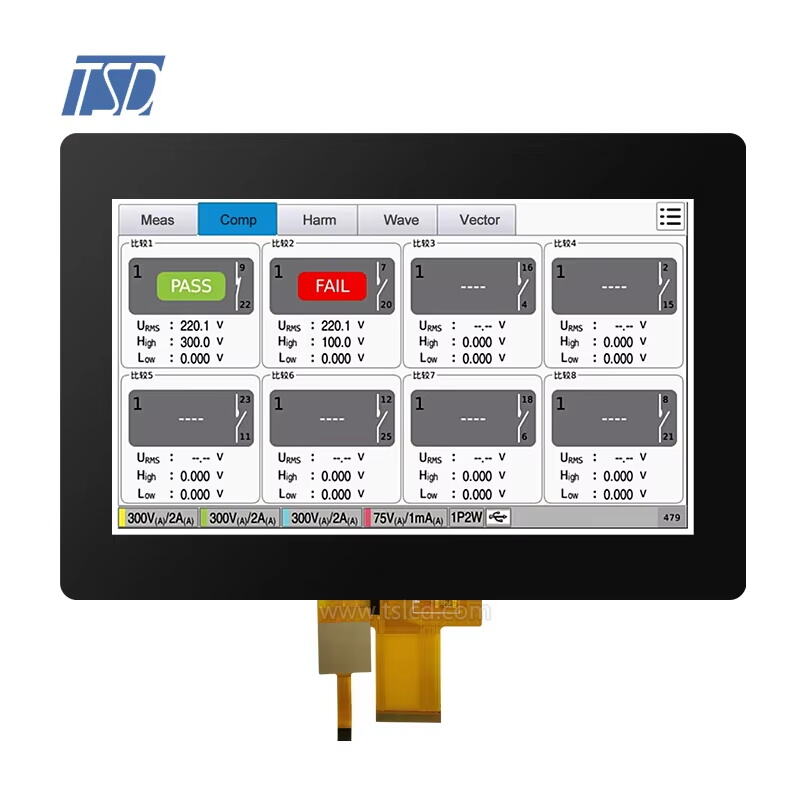
La technologie des modules à cristaux liquides a révolutionné notre interaction avec les écrans numériques dans d'innombrables industries. Des tableaux de bord automobiles aux panneaux de contrôle industriels, la qualité et la durabilité d'un système LCM influencent directement l'expérience utilisateur, l'efficacité opérationnelle et la fiabilité à long terme. Comprendre les facteurs critiques qui déterminent ces caractéristiques est essentiel pour les ingénieurs, les spécialistes des achats et les fabricants qui s'appuient sur la technologie d'affichage pour leurs applications.
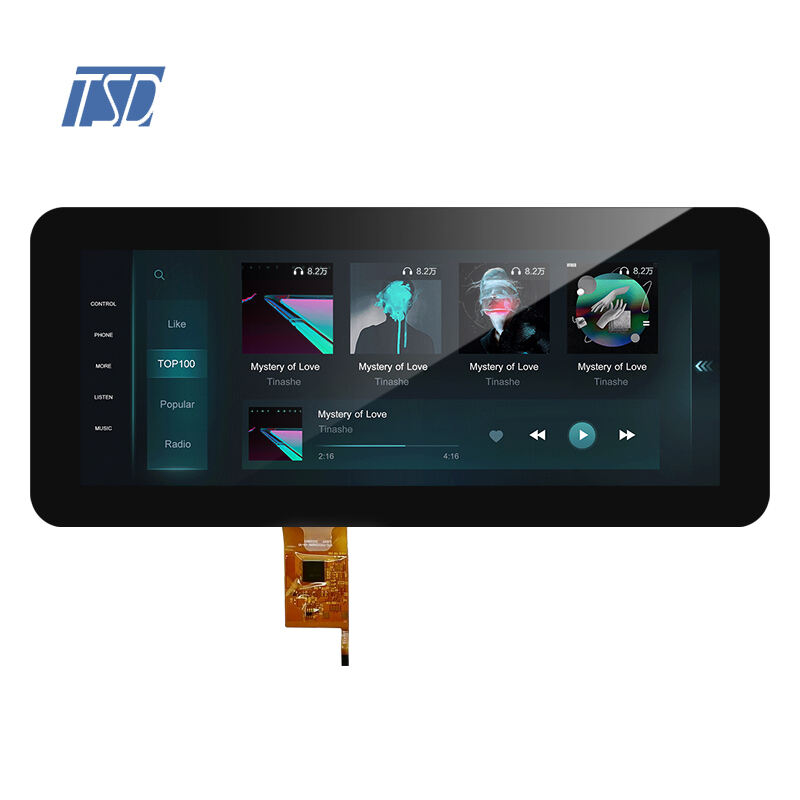
Le processus de sélection d'un LCM approprié implique de nombreuses considérations techniques qui vont bien au-delà des performances visuelles de base. Des facteurs tels que la résilience environnementale, la qualité des composants, la précision de fabrication et les capacités d'intégration jouent tous un rôle crucial dans la détermination du succès global d'une solution d'affichage. Cette évaluation complète devient encore plus critique lorsqu'on considère des applications exigeant une fiabilité et une longévité exceptionnelles.
La technologie moderne des LCM englobe un écosystème complexe de composants interconnectés, chacun contribuant aux caractéristiques de performance du produit final. La synergie entre ces éléments détermine en définitive si un système d'affichage répondra aux exigences rigoureuses de son application prévue tout en maintenant des performances constantes tout au long de sa durée de fonctionnement.
Qualité des composants principaux et choix des matériaux
Construction du panneau LCD et matériaux de substrat
La base de tout LCM de haute qualité réside dans la sélection minutieuse et l'ingénierie de la construction du panneau LCD. La qualité du substrat en verre joue un rôle fondamental dans la détermination de la clarté optique, de la stabilité thermique et de la durabilité mécanique. Les fabricants premium de LCM utilisent des formulations spéciales de verre qui offrent une planéité supérieure, des motifs de contrainte réduits et une meilleure résistance aux fluctuations de température pouvant compromettre les performances de l'affichage au fil du temps.
Le matériau à cristaux liquides lui-même représente un autre composant essentiel qui influence fortement la qualité et la longévité. Des formulations avancées de cristaux liquides nématiques offrent des temps de réponse améliorés, des plages de température de fonctionnement plus larges et une stabilité accrue face à la dégradation par les UV. Ces matériaux doivent conserver leurs propriétés électro-optiques de manière constante sur des milliers de cycles de fonctionnement tout en résistant à la contamination par des facteurs environnementaux.
La qualité et l'uniformité de la couche d'alignement influent directement sur les caractéristiques de performance visuelle d'un système LCM. Des techniques de revêtement de précision et des procédés de durcissement contrôlés garantissent une orientation moléculaire uniforme sur toute la surface de l'affichage, ce qui se traduit par une luminosité, un contraste et une reproduction des couleurs homogènes. Les défauts de fabrication dans ces couches peuvent entraîner des modes de défaillance prématurés et une dégradation des performances visuelles.
Conception du système d'éclairage arrière et sélection des LED
L'ensemble d'éclairage arrière constitue un sous-système critique dans tout design de LCM transmissif, la sélection des LED et la gestion thermique étant des facteurs primordiaux. Des LED de haute qualité, dotées de spécifications adéquates en température de couleur, de rendement lumineux et de caractéristiques thermiques, assurent une sortie de luminosité constante pendant toute la durée de fonctionnement de l'affichage. Les puces LED haut de gamme offrent généralement une stabilité chromatique supérieure et des taux de dégradation réduits par rapport aux solutions standard.
La conception de la plaque de guidage de lumière et le choix des films optiques influencent considérablement les performances initiales ainsi que la stabilité à long terme. Des guides de lumière moulés avec précision et dotés de motifs de points optimisés assurent une distribution uniforme de l'illumination tout en minimisant les taches lumineuses et les variations de luminosité. Le choix approprié des films de diffusion, d'amélioration et de polarisation contribue à l'efficacité optique globale tout en protégeant les composants sous-jacents contre les contraintes environnementales.
La gestion thermique au sein du système d'éclairage de fond est directement liée à la longévité des composants et à la stabilité des performances. Des stratégies efficaces de dissipation de chaleur, incluant l'utilisation adéquate de matériaux d'interface thermique et une conception optimisée des dissipateurs thermiques, empêchent une accumulation excessive de température qui pourrait accélérer la dégradation des LED ou provoquer des contraintes thermiques dans les composants adjacents.
Résistance environnementale et normes de protection
Performance en température et cyclage thermique
La plage de température de fonctionnement représente l'une des spécifications les plus critiques pour déterminer l'adéquation d'un écran LCM dans des applications exigeantes. Les affichages industriels doivent maintenir des performances constantes sur des plages de température étendues, souvent comprises entre -30 °C et +80 °C ou plus. La capacité à fonctionner de manière fiable dans ces conditions nécessite une sélection rigoureuse des composants, des formulations spécifiques de cristaux liquides et des approches robustes de conception mécanique.
La résistance aux cycles thermiques garantit qu'un lcm peut supporter des transitions de température répétées sans subir de dégradation des performances ni d'échec mécanique. Cette capacité devient particulièrement importante dans les applications automobiles, où les écrans sont soumis à des variations quotidiennes de température ainsi qu'à des changements saisonniers. Une sélection appropriée des matériaux et des techniques de conception permettant la relaxation des contraintes minimisent le risque de délaminage, de fissuration ou de défaillance des connexions électriques.
Les spécifications de température de stockage dépassent souvent les exigences opérationnelles, garantissant que les écrans conservent leurs fonctionnalités même après des périodes prolongées dans des environnements extrêmes. Cette considération devient cruciale pour les applications où les écrans peuvent être stockés dans des environnements non contrôlés avant l'installation ou pendant les périodes de maintenance.
Protection contre l'humidité et technologies d'étanchéité
La résistance à l'humidité et la protection contre l'entrée d'humidité sont des facteurs essentiels qui déterminent la fiabilité à long terme des écrans LCM. Des technologies d'étanchéité avancées, incluant des joints spéciaux, des revêtements conformes et des films barrières, empêchent la pénétration de l'humidité qui pourrait provoquer de la corrosion, des défaillances électriques ou une dégradation optique. Les applications industrielles exigent souvent des écrans répondant à des classes de protection IP65 ou supérieures.
L'intégration d'un agent dessiccatif et la conception de barrière contre la vapeur permettent de maintenir une atmosphère interne contrôlée dans les ensembles scellés de modules LCM. Ces technologies empêchent la formation de condensation et de réactions chimiques pouvant compromettre les performances de l'affichage ou l'intégrité des composants pendant de longues périodes de fonctionnement.
La résistance à la corrosion va au-delà de la protection contre l'humidité pour inclure la compatibilité chimique avec divers contaminants environnementaux. Les environnements industriels peuvent exposer les écrans à des produits chimiques de nettoyage, à des brouillards salins ou à d'autres substances corrosives nécessitant des mesures protectrices spécialisées et des choix spécifiques de matériaux.
Contrôle qualité de fabrication et protocoles de test
Normes de ligne de production et maîtrise des processus
Les processus de contrôle qualité en fabrication influent directement sur la cohérence et la fiabilité des produits LCM à travers les volumes de production. Les environnements propres, les équipements d'assemblage automatisés et les méthodes de contrôle statistique des procédés garantissent que chaque unité répond à des normes de qualité strictes tout en minimisant les variations entre les affichages individuels. Ces contrôles deviennent de plus en plus importants pour les applications à haut volume où la cohérence est primordiale.
L'inspection des matières entrantes et les programmes de qualification des fournisseurs établissent les bases de la qualité avant le début de la fabrication. Des tests complets des panneaux LCD, des composants électroniques et du matériel mécanique assurent que seuls les matériaux conformes aux spécifications entrent dans le processus de production. Cette approche empêche les problèmes de qualité de se propager tout au long de la chaîne de fabrication.
Les procédures d'assemblage final et les points de contrôle qualité vérifient que les unités LCM terminées répondent à tous les critères de performance spécifiés. Les systèmes d'inspection optique automatisés, les tests de paramètres électriques et les protocoles de vérification fonctionnelle permettent d'identifier d'éventuels problèmes avant que les produits n'atteignent les utilisateurs finaux. Ces régimes complets de test sont essentiels pour maintenir des normes de qualité constantes.
Essais de fiabilité et méthodes de validation
Les essais de vieillissement accéléré simulent des conditions de fonctionnement prolongées afin de prédire la performance à long terme des unités LCM et d'identifier d'éventuels modes de défaillance. Les essais de stockage à haute température, de cyclage en humidité et de choc thermique soumettent les composants à des contraintes supérieures aux conditions normales de fonctionnement, afin d'évaluer les marges de durabilité et la durée de service attendue.
Les tests de vibration et de choc valident la robustesse mécanique pour des applications liées au transport ou aux machines industrielles. Ces essais garantissent que les assemblages LCM conservent leur fonctionnalité et leurs performances visuelles lorsqu'ils sont soumis à des conditions de contraintes mécaniques excédant les environnements opérationnels normaux.
Les essais de contrainte électrique évaluent les marges des composants et identifient les modes de défaillance potentiels dans diverses conditions de fonctionnement. Les tests de surtension, l'évaluation de la sensibilité aux décharges électrostatiques (ESD) et les protocoles de cyclage d'alimentation contribuent à assurer des performances électriques robustes tout au long du cycle de vie du produit.
Capacités d'intégration et considérations d'interface
Fonctionnalités de traitement du signal et du contrôleur d'affichage
Les fonctionnalités avancées du contrôleur d'affichage améliorent considérablement les performances et la flexibilité d'intégration des modules LCM. Les contrôleurs modernes offrent des fonctions telles que la correction automatique des couleurs, l'ajustement du gamma et la compensation de la luminosité, qui maintiennent une qualité visuelle constante dans diverses conditions environnementales. Ces fonctionnalités sont particulièrement précieuses dans les applications où la reproduction fidèle des couleurs ou l'uniformité de la luminosité est essentielle.
La compatibilité des interfaces et les capacités de traitement du signal déterminent dans quelle mesure un module LCM s'intègre efficacement aux architectures système existantes. La prise en charge de plusieurs formats d'entrée, la flexibilité temporelle et les fonctions de traitement intégrées peuvent simplifier la conception du système tout en réduisant les besoins en composants externes ainsi que les coûts associés.
L'intégration de la mémoire et les capacités de traitement local permettent des fonctionnalités avancées telles que le redimensionnement, la rotation et les fonctions de superposition d'images. Ces capacités peuvent réduire les exigences de traitement du système hôte tout en permettant des implémentations d'interfaces utilisateur plus sophistiquées.
Conception mécanique et solutions de montage
Les considérations liées à la conception mécanique englobent la flexibilité de montage, l'accessibilité des connecteurs et l'intégration de la gestion thermique. Des motifs de montage et des emplacements de connecteurs standardisés facilitent l'intégration dans les conceptions de produits existants tout en minimisant les modifications mécaniques et les coûts de développement associés.
Les profils d'épaisseur et les considérations de poids influencent la faisabilité de l'intégration dans des applications à espace limité. Les conceptions de modules LCM ultra-minces permettent une intégration dans des applications où des écrans conventionnels seraient impraticables, tout en conservant les caractéristiques de performance nécessaires.
La gestion des câbles et la conception des connecteurs influencent à la fois la complexité de l'installation et la fiabilité à long terme. Les câbles plats flexibles, les conceptions de connecteurs sécurisés et les dispositifs de soulagement de la tension garantissent des connexions électriques fiables tout au long du cycle de vie opérationnel.
FAQ
Quelle est la durée de vie typique d'un LCM de haute qualité ?
Un LCM de haute qualité offre généralement une durée de vie opérationnelle comprise entre 50 000 et 100 000 heures, selon l'environnement d'application et les modes d'utilisation. Les écrans industriels intègrent souvent des composants renforcés et des fonctionnalités de protection qui prolongent la durée de vie au-delà des modèles grand public. Des facteurs tels que la température de fonctionnement, l'intensité de la rétroéclairage et les contraintes environnementales influencent fortement la durée de service effective, une bonne gestion thermique et une protection adéquate contre l'environnement étant des déterminants clés de la longévité.
Comment les facteurs environnementaux affectent-ils la performance des LCM au fil du temps ?
Les facteurs environnementaux, tels que les températures extrêmes, les variations d'humidité et l'exposition aux UV, peuvent fortement influencer les caractéristiques de performance des LCM sur de longues périodes. Les fluctuations de température affectent les temps de réponse des cristaux liquides et peuvent provoquer des contraintes thermiques dans les ensembles mécaniques, tandis qu'une humidité excessive peut entraîner de la corrosion ou des défaillances électriques. L'exposition aux UV dégrade progressivement les matériaux organiques du module d'affichage, pouvant provoquer des décalages de couleur ou une réduction des rapports de contraste. Une protection environnementale adéquate et un choix judicieux des composants permettent d'atténuer ces effets.
Quelles normes d'essai doivent être prises en compte lors de l'évaluation de la qualité des LCM ?
Une évaluation complète des modules d'affichage (LCM) devrait inclure des normes d'essai telles que la CEI 61747 pour les écrans à cristaux liquides, la MIL-STD-810 pour les essais de contraintes environnementales et les normes JEITA pour les applications automobiles. En outre, des tests spécifiques portant sur les cycles de température, la résistance à l'humidité, la tolérance aux vibrations et la performance optique permettent d'évaluer la fiabilité attendue et l'adéquation aux applications prévues. Les fabricants doivent fournir des rapports détaillés attestant la conformité aux normes industrielles pertinentes.
Comment le contrôle qualité en fabrication influence-t-il la fiabilité à long terme des LCM ?
Les processus de contrôle qualité en fabrication influencent directement la cohérence des performances initiales ainsi que la fiabilité à long terme des produits LCM. Un examen approfondi des matières entrantes, des environnements d'assemblage contrôlés et des tests finaux exhaustifs permettent d'identifier les problèmes potentiels avant que les produits n'atteignent les utilisateurs finaux. Les méthodes de contrôle statistique des procédés garantissent une qualité constante sur l'ensemble des volumes de production, tandis que les tests de vieillissement accéléré valident les caractéristiques de performance attendues dans des conditions de stress. Des systèmes de contrôle qualité robustes sont généralement associés à une meilleure fiabilité sur le terrain et à des taux de défaillance réduits en conditions opérationnelles.
Table des Matières
- Qualité des composants principaux et choix des matériaux
- Résistance environnementale et normes de protection
- Contrôle qualité de fabrication et protocoles de test
- Capacités d'intégration et considérations d'interface
-
FAQ
- Quelle est la durée de vie typique d'un LCM de haute qualité ?
- Comment les facteurs environnementaux affectent-ils la performance des LCM au fil du temps ?
- Quelles normes d'essai doivent être prises en compte lors de l'évaluation de la qualité des LCM ?
- Comment le contrôle qualité en fabrication influence-t-il la fiabilité à long terme des LCM ?