
 EN
EN



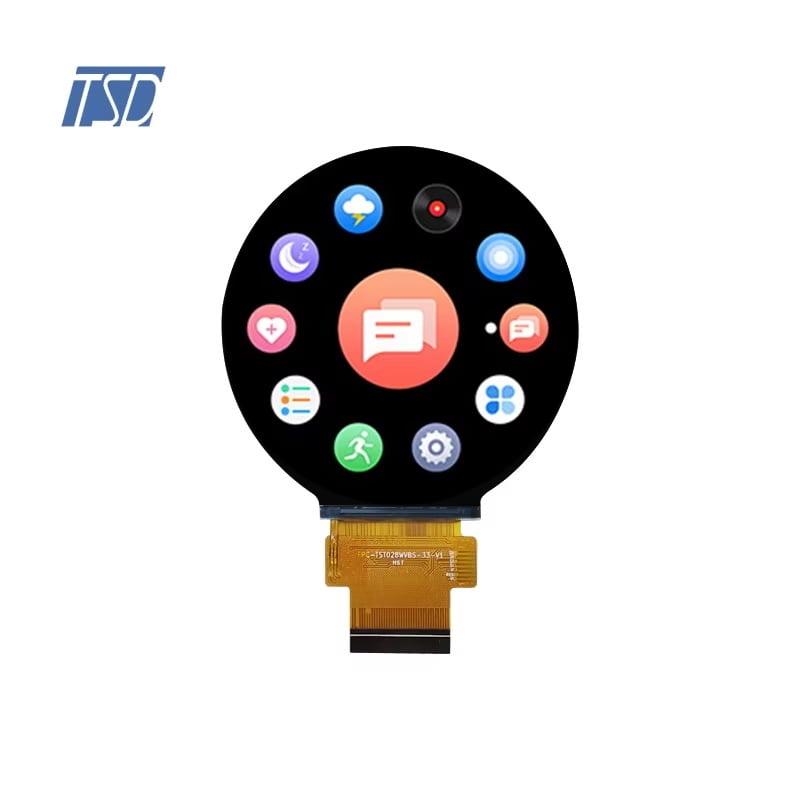
Outdoor public access environments demand technology that withstands constant use, variable weather conditions, and high-traffic scenarios. A reliable pcap touch screen solution provides the durability, responsiveness, and visual clarity required for these demanding applications. Whether deployed in transportation hubs, retail spaces, information kiosks, or municipal facilities, pcap technology delivers the robustness needed for long-term deployment in harsh conditions.
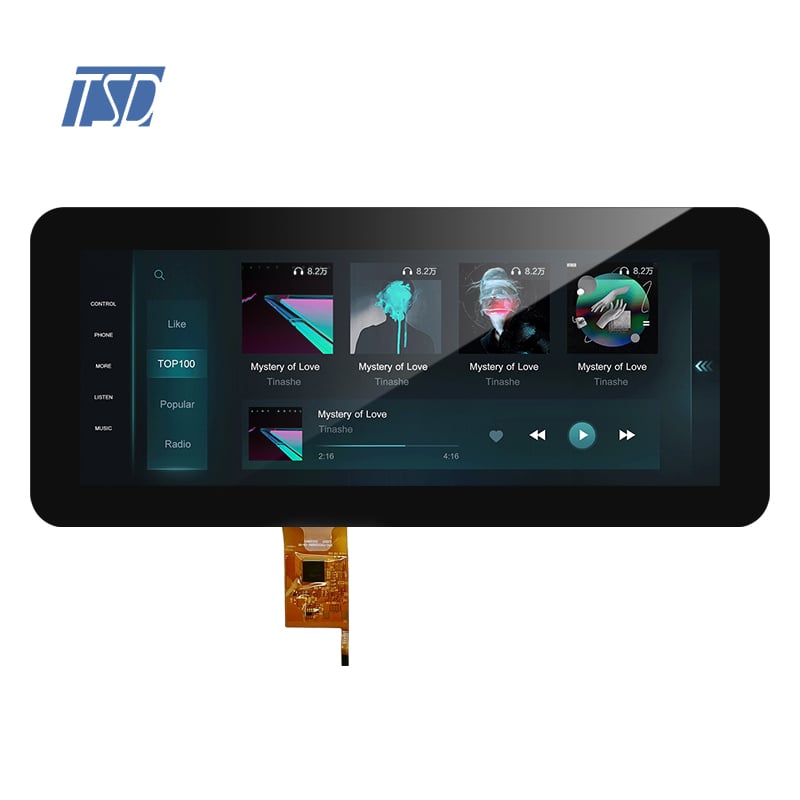
When selecting a pcap touch screen panel for outdoor public access, understanding the technology's advantages and implementation requirements becomes essential. Pcap systems excel in environments where traditional resistive or infrared touch technologies struggle, offering superior accuracy, multi-touch capability, and exceptional durability ratings. The pcap touch screen architecture supports continuous operation through extreme temperature fluctuations, moisture exposure, and intensive user interaction patterns typical of public-facing installations.
Why PCAP Technology Excels in Outdoor Public Access Applications
Superior Durability and Environmental Resistance
A pcap touch screen operates through capacitive sensing rather than mechanical pressure, which eliminates moving parts that typically fail in outdoor environments. This fundamental design difference makes pcap an inherently robust choice for public spaces. The pcap technology demonstrates excellent resistance to dust, moisture, and thermal cycling—critical factors in outdoor deployments where temperature swings can exceed 50 degrees Celsius daily. The pcap touch screen maintains consistent performance even when exposed to rain, humidity, and coastal salt spray, making it ideal for transit stations, waterfront installations, and open-air facilities.
The pcap touch screen panel's sealed construction and lack of pressure-sensitive membranes significantly extend operational lifespan compared to competing technologies. Organizations implementing a pcap touch screen solution report maintenance costs 40 percent lower over five-year periods than resistive alternatives. The pcap system's structural integrity under extreme environmental stress ensures continuous uptime in applications where downtime translates directly to user frustration or lost business revenue.
Advanced Touch Accuracy and Multi-Touch Capability
Public access environments benefit substantially from the pcap touch screen's superior touch accuracy and simultaneous multi-touch recognition. Users interact with the pcap technology through clothing, wet hands, or while wearing gloves—scenarios where traditional technologies fail. A pcap touch screen remains responsive because capacitive sensing measures electrical properties rather than requiring direct skin contact. This advantage makes the pcap solution invaluable for applications like outdoor ticketing systems, emergency information displays, and weather-resistant navigation kiosks.
The pcap touch screen panel supports ten-point simultaneous touch detection, enabling intuitive gestures and efficient information access for diverse user populations. The pcap technology's responsiveness—typically under 100 milliseconds—ensures the user experience remains smooth during peak usage periods. When hundreds of users daily interact with a single pcap touch screen installation, the precision and reliability directly impact customer satisfaction and operational efficiency.
Implementation Considerations for Outdoor PCAP Installations
Environmental Protection and Enclosure Design
Installing a pcap touch screen outdoors requires proper environmental protection beyond the panel itself. The pcap system needs an industrial-grade enclosure rated for IP65 or higher, ensuring water and dust ingress protection. Thermal management becomes critical for pcap installations in direct sunlight, where screen surface temperatures can exceed safe operating ranges. Proper pcap mounting includes ventilation pathways, anti-glare filters rated for outdoor brightness levels, and protective bezels that shield the touch-sensitive edges from mechanical damage.
A pcap touch screen deployment should include environmental monitoring systems that track temperature, humidity, and voltage fluctuations. The pcap technology performs optimally within manufacturer-specified environmental parameters—typically -20 to 60 degrees Celsius and 10 to 95 percent relative humidity. Organizations using a pcap solution in extreme climates should verify specific ratings, consider redundant power systems, and implement scheduled maintenance protocols that account for seasonal environmental stress patterns.
Maintenance and Longevity Optimization
A well-maintained pcap touch screen installation sustains performance and extends operational lifespan significantly. Regular cleaning with appropriate solutions preserves the pcap panel's optical clarity and touch sensitivity. The pcap technology's durability doesn't eliminate the need for preventive maintenance—seasonal inspections should verify enclosure seals, power connections, and display surface conditions. Organizations deploying a pcap touch screen system should establish documented maintenance schedules and train field personnel on proper care procedures.
The pcap touch screen investment justifies comprehensive support infrastructure because the cost of emergency repairs or extended downtime typically exceeds routine maintenance expenses. Storage temperature control for replacement components and maintaining spare pcap units ensures rapid restoration if primary displays fail. Many organizations operating public-facing pcap systems contract with service providers offering guaranteed response times and on-site technical support, protecting their operational continuity.
Real-World Applications Demonstrating PCAP Value
Transportation Hubs and Wayfinding Systems
Transit authorities and airport operators increasingly specify pcap touch screen technology for passenger information systems, ticketing kiosks, and wayfinding displays. These high-traffic environments expose equipment to constant use, environmental extremes, and challenging weather conditions. A pcap solution excels in these scenarios because the technology delivers reliable performance regardless of user handling characteristics, weather exposure, or system uptime demands. The pcap touch screen supports dynamic content updates, multilingual interfaces, and real-time information feeds essential for modern transportation infrastructure.
Retail and Commercial Public Access
Outdoor retail environments, digital signage installations, and interactive commercial displays increasingly feature pcap technology. The pcap touch screen enables engaging customer interactions while withstanding weather exposure, high-traffic use, and continuous operation requirements. Shopping centers, entertainment venues, and corporate campuses deploy pcap systems for interactive directories, product information displays, and customer engagement applications. The pcap technology's reliability minimizes customer service interruptions and supports the sophisticated multimedia experiences modern commercial environments demand.
FAQ
What makes PCAP touch screen technology more durable than other types in outdoor settings?
Pcap technology operates through capacitive sensing without mechanical pressure components, eliminating failure points common in resistive or infrared systems. The pcap touch screen's sealed architecture resists dust, moisture, and thermal cycling—critical advantages in outdoor environments. Additionally, pcap systems function effectively through environmental challenges like rain, humidity, and temperature extremes that degrade competing technologies, making the pcap solution inherently more suitable for demanding public-facing applications.
Can a PCAP touch screen panel operate reliably in direct sunlight and extreme temperatures?
Yes, a pcap touch screen designed for outdoor public access includes features addressing solar exposure and thermal extremes. The pcap panel requires proper enclosure design, anti-glare filtering, and ventilation to manage direct sunlight conditions. Most industrial-grade pcap systems operate across -20 to 60 degrees Celsius temperature ranges, though specific pcap products vary in their environmental ratings. Proper installation, including thermal management and environmental protection, enables pcap displays to maintain consistent performance throughout seasonal temperature variations and intense solar exposure.
How often should outdoor PCAP installations require maintenance?
A pcap touch screen deployed outdoors typically requires quarterly seasonal inspections and regular cleaning to preserve performance and extend operational lifespan. The pcap system's maintenance schedule should verify enclosure seals, power connections, and display surface conditions. More frequent maintenance may be necessary in extreme climate zones or high-traffic environments where weather exposure intensifies. While pcap technology is inherently durable, scheduled preventive maintenance remains essential for organizations protecting their investment and ensuring continuous uptime.