
 EN
EN



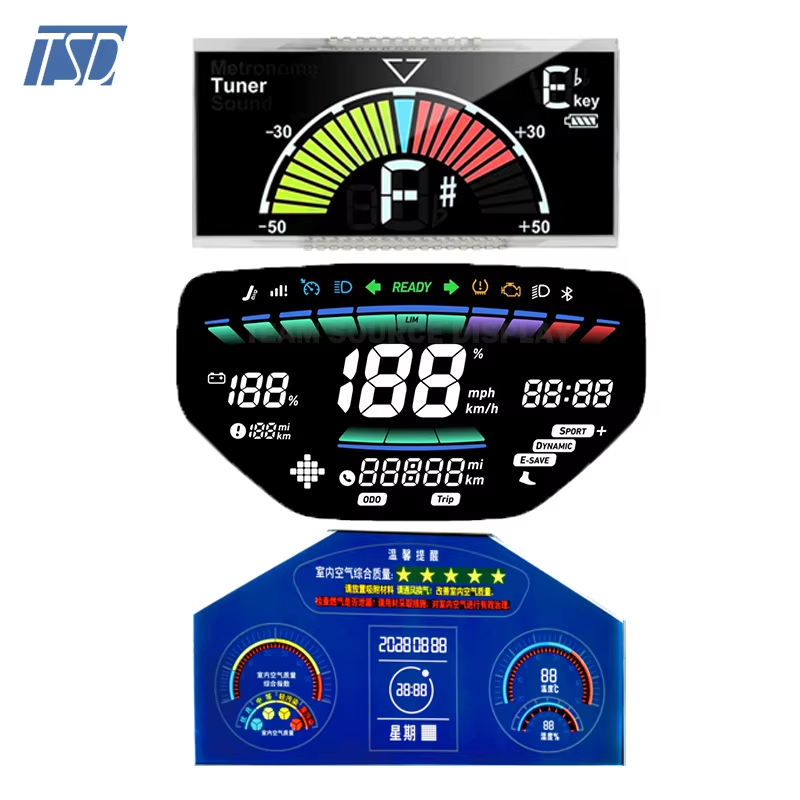
בסביבה הטכנולוגית המשתנה במהירות של ימינו, עסקים מתחומים שונים מחפשים פתרונות תצוגה מיוחדים שיענו על דרישות הפעילות הייחודיות שלהם. מסכי LCD סטנדרטיים המוכרים מראש לעתים קרובות לא מספקים את הפונקציונליות המדויקת, צורת הגוף והביצועים הנדרשים ליישומים מיוחדים. דרישה זו הגוברת גרמה למספר רב של חברות לבחון שיתופי פעולה עם יצרנים שיכולים לספק פתרונות תצוגה מותאמים שמתאימים באופן מושלם לצרכים הספציפיים של הפרויקט ולדרישות הטכניות.
ההחלטה לעבוד עם יצרני תצוגות מיוחדים מהווה השקעה אסטרטגית בהבחנה של המוצרים וביעילות התפעולית. חברות שבוחרות בנתיב זה לרוב מגיינות על יתרונות משמעותיים במונחים של גמישות בעיצוב, אופטימיזציה של הביצועים ויתרונות כלכליים ארוכי טווח. הבנת היתרונות הללו עוזרת לעסקים לקבל החלטות מושכלות בנוגע לשיתופי הפעולה שלהם בתחום טכנולוגיות התצוגה, ולבסוף להשיג תוצאות טובות יותר למוצריהם ולמשתמשים הסופיים.
שותפויות ייצור לפתרונות תצוגה מיוחדים הפכו לסophisticated יותר, ומציעות רמות חסרות תקדים של התאמה אישית ותמיכה טכנית. החל מדשבורדים לרכב ועד להתקני רפואה, לוחות בקרה תעשייתיים ואלקטרוניקה לצרכן, השימוש בפתרונות LCD מותאמים מתרחב ללא פסק בתחומים רבים. חקר מקיף זה בוחן את היתרונות המרכזיים שעסקים יכולים להפיק כאשר הם משתפים פעולה עם יצרני תצוגה מיוחדים.
גמישות עיצוב משופרת ואפשרויות התאמה אישית
צורות וממדים בהתאמה אישית
אחת ההטבות החשובות ביותר של שיתוף פעולה עם יצרנים מתקspecיאליזים היא היכולת שלהם ליצור תצוגות במימדים ו בצורות שמותאמים בדיוק. פנלים סטנדרטיים של LCD מגיעים בגודל קבוע מראש שייתכן ולא מתאים לאילוצי המקום או לדרישות האסתטיות של יישומים מסוימים. יצרנים מיוחדים יכולים לייצר תצוגות בכל גודל, צורה או תצורה כמעט, ומאפשרים לעוסקים בעיצוב למקסם את תפקוד המוצרים שלהם מבלי להקריב את תפקוד התצוגה או את המראה החזותי.
גמישות זו מתרחבת מעבר לפורמטים מרובעים פשוטים לכלל תצוגות עקומות, תצורות עגולות ואפילו צורות לא רגילות המתאימות לעיצובים ייחודיים של מוצרים. יישומי רכב נהנים במיוחד מהיכולת הזו, שכן מסכי דשبورד חייבים להתמזג באופן חלק עם אלמנטי העיצוב הפנימי תוך שמירה על ראות אופטימלית ואינטראקציה נוחה للمستخدم. היכולת לציין מידות ועקמומיות מדויקות מבטיחה שהתצוגה הופכת לחלק בלתי נפרד של העיצוב הכולל של המוצר, ולא לאלמנט פשרה.
תהליכי הייצור של פורמטים לא סטנדרטיים התפתחו בצורה משמעותית, עם טכנולוגיות חיתוך וייצור מתקדמות המאפשרות ביצוע מדויק של גאומטריות מורכבות. התקדמות טכנולוגית זו מאפשרת למפתחי מוצרים חופש ללא תקדים בתכנון ממשקים חזותיים, מה שמביא למוצרים יותר חדשניים ונוחים יותר לשימוש בתחומים שונים.
פתרונות ממשק וחיבור מיוחדים
מעבר להגדרות מותאמות פיזית, יצרנים מיוחדים מציעים מגוון רחב של אפשרויות ממשק ופתרונות חיבור שמותאמים למבני מערכת ספציפיים. תצוגות סטנדרטיות מגיעות בדרך כלל עם אפשרויות ממשק מוגדרות מראש שלא תמיד מתאימות לעיצובי המערכת הקיימים או עשויות להידרש לחומרה תמלולית נוספת. LCD מותאם פתרונות יכולים לכלול פרוטוקולי ממשק ספציפיים, סוגי מחברים ותקני תקשורת המשולבים ישירות למערכות קיימות.
יכולת ההטמעה הזו מוכיחה את ערכה הגדול ביישומים תעשייתיים שבהם יש צורך שצגים יתחברו למערכות בקרה ייחודיות או לציוד ישן. יצרנים יכולים לעצב לוחות ממשק מותאמים, ליישם פרוטוקולי תקשורת ספציפיים, ואפילו לשלב פונקציונליות נוספת כגון בקרים לגישה מרחוק או ממשקים של חיישנים ישירות לה ensamble הצג. רמת האינטגרציה הזו מפחיתה את מורכבות המערכת, משפרת את האמינות, ובעתים קרובות תורמת לחיסכון בעלויות בהשוואה לשימוש במספר רכיבים נפרדים.
אפשרויות חיבור מתקדמות מתרחבות גם ליכולות אלחוטיות, כאשר יצרנים יכולים לשלב ישירות לה ensamble הצג מודולי WiFi, Bluetooth או מודולי תקשורת אלחוטית אחרים. גישה זו של אינטגרציה מונעת את הצורך בחומרה חיצונית לתקשורת ומייצרת עיצובי מערכת קומפקטיים ויעילים יותר.

אופטימיזציה מתקדמת של ביצועים ופיקוח על איכות
שימוש -כוונון ביצועים ספציפי
יצרנים מתמחים מחזיקים בהב expertise והגמישות האפשרית לאופטימיזציה של תכונות ביצועים של מסכי תצוגה לתחומי יישום וסביבות פעילות ספציפיות. לוחות LCD סטנדרטיים מעוצבים כדי לעמוד בדרישות כלליות, אשר עשויה שלא להתאים לתנאים הקשיחים או לצורכי הביצועים של יישומים מיוחדים. באמצעות שיתוף פעולה צמוד עם לקוחות, היצרנים יכולים לכוונן פרמטרי ביצועים שונים, הכוללים זוויות ראייה, יחסי ניגוד, זמני תגובה ושיקוף צבעים, כדי להתאים את דרישות היישום המדויקות.
שקולים סביבתיים משחקים תפקיד מרכזי באופטימיזציה של ביצועים, במיוחד ליישומים בחוץ או בסביבות תעשייתיות קשות. יצרנים יכולים לשנות מערכות תאורה לאחור כדי שיפורר את הנראות ב햇וח החזקה, ליישם קומפנסציה לטמפרטורה לתנאים קיצוניים של פעולה, ולהטמיע שכבת הגנה שמתמודדת עם חשיפה לכימיקלים או נזק פיזי. שינויים אלו מבטיחים פעילות אמינה בכל טווח תנאי הסביבה הצפויים.
אופטימיזציה של צריכה של חשמל מייצגת שיקול נוסף חשוב של ביצועים, במיוחד ליישומים שפועלות על סוללות או רגישים לאנרגיה. יצרנים מתמחים יכולים ליישם מערכות ניהול חשמל מותאמות, לדייק את יעילות התאורה לאחור, ולבנות מצב שינה שמזער את צריכה החשמל תוך שמירה על יכולת התעוררות מהירה. תשומת לב זו ליעילות חשמל מובילה לעתים קרובות להארכה משמעותית של חיי הסוללה או להפחתה בעלויות תפעול.
אכיפה מחמירה של בקרת איכות ופרוטוקולי בדיקה
תהליכי בקרת איכות בסביבות ייצור מתקדמות לרוב עולים על פרקטיקות תעשייה סטנדרטיות, הכוללים פרוטוקולי בדיקה מקיפים שנועדו להבטיח ביצועים אופטימליים ואמינות. יצרנים מממשים תכניות בקרת איכות רב-שלביות הכוללות בדיקת חומרים נכנסים, ניטור בתהליך הייצור ובדיקות אימות של המוצר הסופי. גישה מחמירה זו עוזרת לזהות ולסנן בעיות פוטנציאליות לפני שהמוצרים מגיעים למשתמשים הסופיים.
פרוטוקולי בדיקה כוללים לעתים קרובות מבחני הזדקנות מאיצים, סינון לחצים סביבתיים וاجراءי אימות שמתאימים ליישום ספציפי. תהליכי הערכת מקיפים אלו מספקים ביטחון ביציבות ארוכת טווח ועוזרים לזהות דפוסי כשל פוטנציאליים שעשויים לא להיות מובנים באמצעות הליכי בדיקה רגילים. יצרנים מספקים בדרך כלל דוחות בדיקה מפורטים ומסמכים המעידים על התאמה לתקני תעשייה ולדרישות רגולטוריות.
שיטות בקרת תהליכים סטטיסטית מאפשרות ניטור שוטף ושיפור של תהליכי ייצור, ומבטיחות איכות עקיבה לאורך כל סדרת הייצור. יצרנים מתקדמים מממשים מערכות ניטור בזמן אמת שעוקבות אחר פרמטרים קריטיים לאורך כל תהליך הייצור, ומאפשרות פעולות תיקון מיידיות כאשר זוהו סטיות.
תועלת כלכלית וערך ארוך טווח
הסרת יתר-הנדסה ותכונות מיותרות
אחת מהיתרונות החשובים ביותר בפועלו של יצרן מומחה היא היכולת להיפטר מתכונות מיותרות ולדייק את המפרט בהתאם ליישומים ספציפיים. לוחות LCD סטנדרטיים כוללים לעיתים קרובות יכולות ותכונות שמוסיפות לעלות אך אינן תורמות ערך ליישומים מסוימים. על ידי ניתוח מדוקדק של הדרישות האמיתיות, יכולים היצרנים לעצב פתרונות שנותנים בדיוק את הפונקציונליות הנדרשת, מבלי לשלם עבור יכולות לא בשימוש.
גישה זו של אופטימיזציה מתרחבת לכל היבטי עיצוב התצוגה, כולל רזולוציה, עומק צבע, קצב רענון והיכולות של הממשק. על ידי התאמת הפרמטרים הללו לצרכי היישום האמיתי, ניתן להשיג לעיתים קרובות חיסכון משמעותי בעלויות, תוך שמירה או שיפור הביצועים הכולל של המערכת. הסרת מורכבות מיותרת מגבירה גם את האמינות ומפחיתה נקודות כשל פוטנציאליות.
בחירת חומר מייצגת תחום נוסף שבו ניתן להשיג אופטימיזציה של עלות באמצעות התאמה. יצרנים יכולים לציין חומרים ורכיבים שמאפשרים את תכונות הביצועים הנדרשות בנקודות עלות אופטימליות, במקום להשתמש בחומרים פרימיום בכל היישומים ללא תלות בצרכים הממשיים.
הפחתת עלויות אינטגרציה וסיבוכיות מערכת
פתרונות תצוגה מתמחים מובילים לעתים קרובות לצמצום משמעותי בעלויות האינטגרציה הכוללות של המערכת, על ידי הסרת הצורך ברכיבים נוספים - חומרה, תוכנה או מכאניים. כאשר מסכי תצוגה מעוצבים במיוחד ליישומים מסוימים, הם יכולים לכלול פונקציונליות שדרשה רכיבים נפרדים, ובכך מצמצמים את עלויות רשימת החומרים ופשוטים את הרכבת המערכת.
כלכלת 욐ת ביצרן הופכת לחשובה במיוחד ביישומים של נפיקה גבוהה, שבהם ההשקעה הראשונית בכלים ובפיתוח ייעודיים יכולה להתפזר על פני כמויות ייצור גדולות. יצרנים מיוחדים לרוב עובדים עם לקוחות כדי לדייק נפיקות וזמנים של ייצור, כדי להשיג מבני עלות מיטביים תוך עמידה בדרישות אספקה.
נושאים של עלות ארוכת טווח כוללים דרישות תחזוקה מופחתות, אמינות משופרת ומחזורי חיים ממושכים של מוצרים שנובעים מפתרונות תצוגהאופטימיזציה נכונה. גורמים אלה מובילים לעתים קרובות לעלות כוללת נמוכה יותר בבעלות, גם כאשר עלות הקנייה הראשונית גבוהה יותר בהשוואה לרכיבים סטנדרטיים.
מומחיות טכנית ותמיכה בפיתוח שיתופי
ידע תעשייתי מעמיק וחוויית יישום
יצרנים מתמחים מביאים עימם ידע מתקדם בתחום התעשייה ומומחיות יישומית שיכולה לתרום משמעותית לפרויקטים של פיתוח מוצרים. בסיס הידע כולל הבנה של תקני תעשייה, דרישות רגולטוריות, אתגרי עיצוב נפוצים וגישות פתרונות שהוכחו כיעילות. ליצרנים יש לעתים קרובות מאגרי מידע מפורטים של יישומים מוצלחים שיכולים להנחות את פיתוח הפרויקטים החדשים ולסייע במניעת טעויות נפוצות.
שירותי ייעוץ טכניים שמספקים יצרנים מנוסים יכולים לעזור לדייק את مواصفות התצוגה בשלבים מוקדמים של תהליך העיצוב, ובכך למנוע אולי שינויים יקרות בעיצוב או בעיות ביצועים בשלב מאוחר יותר של הפיתוח. גישה שיתופית זו לרוב מובילה לעיצובים טובים יותר של מוצרים, שמנצלים במלואם את יכולות התצוגה, תוך הימנעות ממגבלות טכניות או קשיי אינטגרציה.
ניסיון בין תחומי מאפשר ליצרנים להביא פתרונות חדשניים מאזור יישום אחד לאחר, ועשוי ליצור יתרונות תחרותיים באמצעות יישום טכנולוגיות מוכחות בהקשרים חדשים. יכולת העברת הידע הזו יכולה להיות ערך מוסף משמעותי לחברות שנכנסות לשוקים חדשים או מפתחות יישומים חדשים.
תמיכה טכנית מתמשכת ואבולוציה של המוצר
שותפויות עם יצרנים מתמחים כוללות לרוב תמיכה טכנית מקיפה לאורך כל מחזור החיים של המוצר, מהשלב הראשוני של פיתוח הרעיון ועד לייצור ולתחזוקה מתמשכת. התמיכה כוללת סיוע בעיצוב, שירותי פרוטוטייפינג, תמיכה בבדיקות ואימות, וכן סיוע בפתרון תקלות במהלך שלבי הייצור והשיגור.
יכולות התפתחות המוצר מאפשרות שיפורים וה adapting מתמידים בהתאם לשינויים בצורכי השוק או להזמינות של טכנולוגיות חדשות. יצרנים יכולים לרוב ליישם שיפורים הדרגתיים, לשלב תכונות חדשות או להתאים מוצרים ליישומים חדשים תוך שמירה על תואמם עם מערכות ותהליכי ייצור קיימים.
תמיכה בהדרכה ובמִסמָך עוזרת להבטיח יישום מוצלח ותחזוקה מתמשכת של פתרונות מותאמים. מסמך טכני מקיף, מדריכי יישום ותוכניות הדרכה עוזרים לצוותי פיתוח להבין במלואו ולהשתמש בצורה יעילה בפתרונות תצוגה מותאמים.
שאלות נפוצות
כיצד משתווה לוח הזמנים של פיתוח פתרונות LCD מותאמים לעומת תצוגות סטנדרטיות
זמן הפיתוח לפתרונות LCD מותאמים אישית נע בדרך כלל בין 8 ל-16 שבועות, בהתאם לדרגת מורכבות ההתאמה הנדרשת, לעומת זמינות מיידית של תצוגות סטנדרטיות. עם זאת, ההשקעה הראשונית בזמן זו לרוב תורמת לאינטגרציה טובה יותר של המערכת ומקצרת את משך הזמן הכולל של הפרויקט, dado שהתצוגה מותאמת במיוחד ליישום. יצרנים מנוסים יכולים לעתים קרובות להאיץ את הפיתוח באמצעות עיבוד מקבילי של פעילויות עיצוב, ציוד ואמתิกation.
מהן כמויות ההזמנה המינימליות שמבוקשות בדרך כלל לייצור מסכי LCD מותאמים אישית
כמויות הזמנה מינימלית לפתרונות LCD מותאמים משתנות באופן ניכר בהתאם לרמת ההתאמה הנדרשת, ועומדות בדרך כלל בין 1,000 ל-10,000 יחידות עבור הרצות ייצור ראשוניות. שינויים פשוטים כגון מחברים מותאמים או לוחות ממשק עלולים להיקבע בכמויות מינימום נמוכות יותר, בעוד שפנלים של LCD לחלוטין מותאמים אישית דורשים נפח גבוה יותר כדי להצדיק את עלות הכלי. רבים מייצרי מציעים גישות גמישות הכוללות כמויות פרוטוטיפ לשלבי הפיתוח והאימות.
איך סטנדרטי איכות לפתרונות LCD מותאמים משווים למוצרים סטנדרטיים
תקני איכות לפתרונות LCD מותאמים לרוב עולים על אלו של מוצרים סטנדרטיים, בשל תהליכי הבדיקה והאימות המיוחדים הנדרשים ליישומים מותאמים. יצרנים מטמיעים לרוב פרוטוקולי בדיקה ייחודיים ליישום, הליכי שיבוט מוגדרים ומסמכים מקיפים לאיכות. תהליך ההטמעה מאפשר גם אופטימיזציה של פרמטרי איכות שחשובים במיוחד ליישומים ספציפיים, מה שיכול להוביל לאמינות ולתפקוד טובים יותר בסך הכול.
אילו גורמים יש לקחת בחשבון בעת הערכת שותפי ייצור פוטנציאליים ל-LCD מותאמים
גורמי הערכה עיקריים כוללים יכולות וקיבולת ייצור, מומחיות בעיצוב והנדסה, תהליכי הבטחת איכות, יציבות פיננסית, ורקע בפרויקטים דומים. יש להעריך את היכולות הטכניות באמצעות ביקורי מתקנים, בדיקת הפניות, ובחינת דוגמאות לפרויקטים קודמים. יכולות תקשורת, תהליכי ניהול פרויקטים ושירותי תמיכה מתמשכים הם אף הם גורמים קריטיים שמשפיעים על הצלחת הפרויקט ועל אפקטיביות השותפות ארוכת הטווח.