
 EN
EN



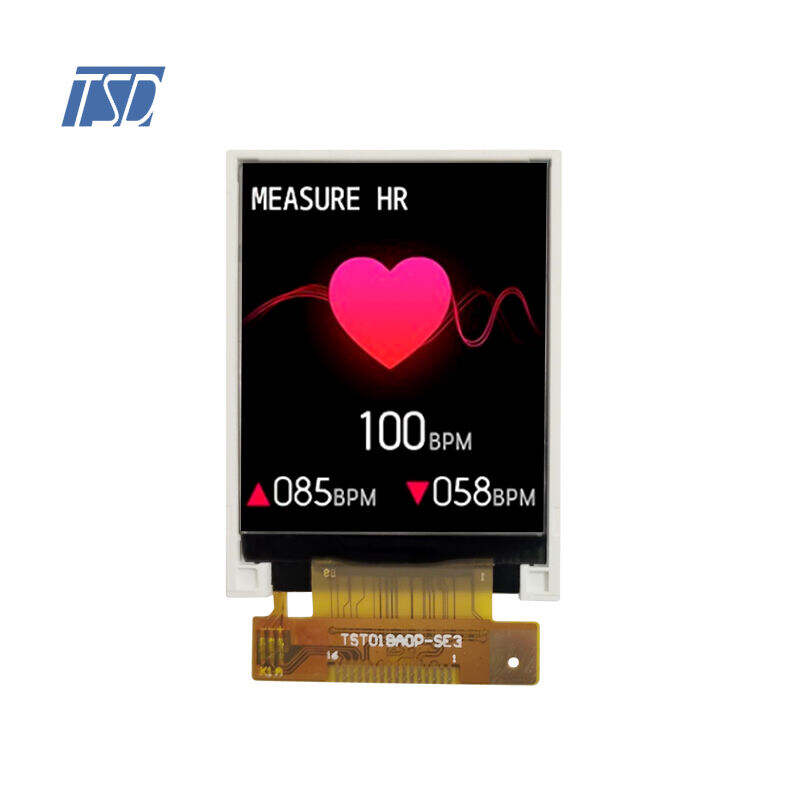
Teknologi paparan moden terus berkembang dengan pesat, dengan Modul LCD TFT berada di barisan terdepan dalam inovasi visual merentasi pelbagai industri. Penyelesaian paparan canggih ini telah mengubah suai segala-galanya daripada panel dasbor kenderaan kepada panel kawalan industri, memberikan kualiti imej dan kebolehpercayaan luar biasa yang memenuhi keperluan mencabar aplikasi profesional. Prestasi visual unggul modul-modul ini berasal daripada teknologi transistor lapisan nipis yang maju, yang membolehkan kawalan tepat terhadap piksel individu dan menghasilkan paparan yang cerah serta tajam yang mengekalkan konsistensi merentasi pelbagai keadaan pengendalian.
Industri automotif telah mendapat manfaat yang besar daripada kemajuan teknologi ini, di mana paparan dasbor mesti memberikan maklumat yang jelas sepenuhnya dalam keadaan pencahayaan yang mencabar. Jurutera dan pengurus produk sentiasa mencari penyelesaian paparan yang mampu menahan perubahan suhu, getaran, dan cahaya sekitar yang berbeza sambil mengekalkan ketepatan bacaan dan warna yang cemerlang. Memahami mekanisme teknikal di sebalik prestasi visual yang unggul membantu pembuat keputusan memilih teknologi paparan yang paling sesuai untuk aplikasi khusus mereka serta memastikan pengalaman pengguna yang optimum merentasi pelbagai persekitaran operasi.
Arsitektur Teknologi TFT Lanjutan
Struktur dan Fungsi Transistor Filem Nipis
Asas prestasi visual yang cemerlang terletak pada seni bina canggih transistor filem nipis yang mengawal setiap piksel dalam matriks paparan. Setiap transistor bertindak sebagai suis individu, membolehkan kawalan voltan yang tepat yang menentukan orientasi hablur cecair dan, akibatnya, penghantaran cahaya menerusi setiap piksel. Mekanisme kawalan terperinci ini membolehkan penghasilan warna yang tepat dan nisbah kontras yang tajam yang jauh melebihi keupayaan paparan matriks pasif. Struktur transistor terdiri daripada beberapa lapisan termasuk elektrod get, sumber, dan drain, dengan bahan semikonduktor yang didepositkan secara teliti untuk menghasilkan ciri pensuisan yang boleh dipercayai.
Proses pembuatan bagi transistor ini menggunakan teknik fotolitografi maju yang memastikan prestasi konsisten merentasi berjuta-juta elemen pensuisan dalam satu panel paparan. Ketepatan yang diperlukan untuk proses pembuatan ini secara langsung mempengaruhi kualiti visual, kerana sebarang variasi dalam ciri-ciri transistor boleh menyebabkan ketidaksamaan kecerahan atau inkonsistensi warna. Langkah kawalan kualiti semasa pengeluaran termasuk ujian mendalam terhadap kelajuan pensuisan, arus rembesan, dan voltan ambang untuk memastikan setiap modul tft lcd memenuhi spesifikasi prestasi yang ketat.
Kestabilan suhu mewakili aspek penting lain dalam rekabentuk transistor, kerana aplikasi automotif dan perindustrian kerap mendedahkan paparan kepada keadaan persekitaran yang melampau. Bahan semikonduktor maju dan struktur lapisan yang dioptimumkan membantu mengekalkan kelakuan pensuisan yang konsisten merentasi julat suhu yang luas, memastikan prestasi visual kekal stabil sama ada paparan beroperasi dalam keadaan beku atau suhu tinggi yang biasa dijumpai dalam kompartemen enjin atau perumahan jentera perindustrian.
Organisasi dan Kawalan Matriks Piksel
Struktur organisasi matriks piksel memberi kesan besar terhadap prestasi visual secara keseluruhan dan menentukan sejauh mana paparan dapat merendah imej serta grafik yang kompleks. Paparan TFT moden menggunakan skema pengalamatan canggih yang meminimumkan sambungan silang antara piksel bersebelahan sambil mengekalkan kadar segar semula yang pantas, diperlukan untuk perenderan pergerakan yang lancar. Litar pemandu baris dan lajur berfungsi secara bersama untuk mengalamati setiap baris piksel secara berurutan, mengemas kini seluruh paparan dalam masa beberapa milisaat bagi mengelakkan kelipan dan memastikan kestabilan masa.
Algoritma pemanduan lanjutan mengoptimumkan bentuk gelombang voltan yang dikenakan pada setiap piksel, dengan mengambil kira faktor-faktor seperti masa tindak balas hablur cecair, variasi suhu, dan ciri penuaan. Algoritma ini kerap kali merangkumi mekanisme pampasan yang melaras voltan pemanduan berdasarkan keadaan terdahulu setiap piksel, mengurangkan kaburan pergerakan dan meningkatkan ciri tindak balas dinamik. Pelaksanaan kaedah kawalan canggih ini memerlukan litar bersepadu pemandu khas yang mampu memproses data imej secara masa nyata sambil mengekalkan penyelarasan merentasi seluruh matriks paparan.
Pengoptimuman jarak piksel memainkan peranan penting dalam menentukan ketajaman imej yang dikesan dan kualiti visual secara keseluruhan, terutamanya dalam aplikasi di mana pengguna melihat paparan dari jarak tertentu. Jurutera seimbangkan ketat kepadatan piksel dengan kos pembuatan dan keperluan penggunaan kuasa, memastikan paparan yang dihasilkan memberikan prestasi visual yang optimum untuk aplikasi yang dimaksudkan. Kepadatan piksel yang lebih tinggi membolehkan penghasilan butiran yang lebih halus tetapi mungkin memerlukan sistem pencahayaan belakang yang lebih canggih dan peningkatan kuasa pemprosesan untuk penyewaan imej.
Pembiakan dan Ketepatan Warna
Teknologi Penjajaran Kristal Cecair
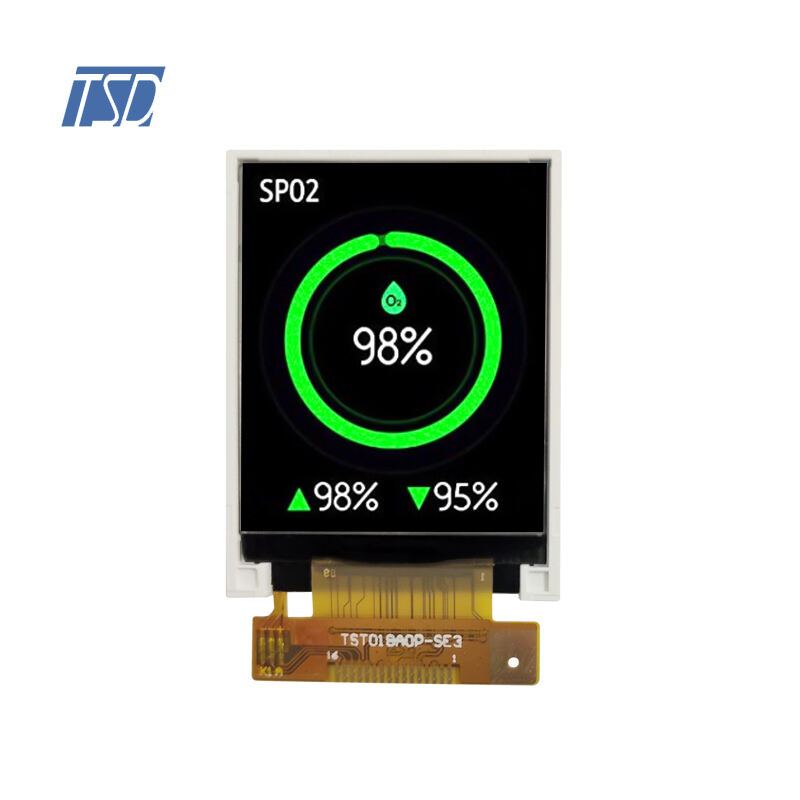
Kawalan tepat molekul hablur cecair menentukan keupayaan asas penghasilan warna pada paparan TFT, dengan teknologi penyelarasan secara langsung mempengaruhi liputan dan ketepatan ruang warna. Pelbagai kaedah penyelarasan, termasuk polimida bergosok, penyelarasan foto, dan konfigurasi berbilang domain, masing-masing menawarkan kelebihan tertentu untuk keperluan aplikasi yang berbeza. Orientasi molekul hablur cecair dalam keadaan rehatnya menetapkan sifat optik asas, manakala medan elektrik yang dikenakan mengawal sudut kilasan untuk mengawal penghantaran cahaya menerusi penapis warna.
Teknik penyelarasan lanjutan membolehkan sudut pandangan yang lebih luas dan kekonsistenan warna yang ditingkatkan merentasi pelbagai kedudukan pemerhatian, mengatasi batasan tradisional teknologi LCD. Penyelarasan menegak berbilang domain dan teknologi pensuisan dalam-satah memberikan kestabilan warna yang unggul berbanding konfigurasi nematic terpilin konvensional, menjadikannya sangat sesuai untuk aplikasi yang memerlukan penghasilan semula warna yang tepat dari pelbagai kedudukan pandangan. Teknologi-teknologi ini memerlukan proses pembuatan yang canggih tetapi memberikan prestasi visual yang jauh lebih baik.
Masa tindak balas peralihan kristal cecair secara langsung mempengaruhi ketepatan warna semasa paparan kandungan dinamik, kerana pengaturan semula molekul yang tidak lengkap boleh menyebabkan perubahan warna atau artifak pergerakan. Formulasi kristal cecair yang dioptimumkan dengan ciri pensuisan yang lebih cepat membantu mengurangkan kesan-kesan ini, manakala teknik pemanduan lanjutan boleh membuat pemampasan terlebih dahulu untuk kelewatan tindak balas yang diketahui. Perubahan suhu memberi pengaruh besar terhadap kelakuan kristal cecair, menjadikan algoritma pemampasan haba perlu dalam aplikasi yang terdedah kepada keadaan persekitaran yang berubah-ubah.
Reka Bentuk Sistem Penapis Warna
Susunan penapis warna merupakan komponen kritikal yang menentukan ciri spektrum dan prestasi warna keseluruhan paparan TFT, dengan rekabentuk penapis secara langsung mempengaruhi liputan gamut warna dan kecekapan penghantaran. Penapis moden menggunakan teknologi pigmen dan pewarna lanjutan yang memberikan penapisan spektrum yang tepat sambil mengekalkan kadar penghantaran optik yang tinggi. Struktur penapis biasanya terdiri daripada sub-piksel merah, hijau, dan biru yang disusun dalam corak tertentu yang dioptimumkan untuk persepsi penglihatan manusia dan kecekapan pembuatan.
Pengoptimuman spektrum penapis warna melibatkan pemilihan bahan secara teliti untuk memaksimumkan keaslian warna sambil mengurangkan kebocoran spektrum yang tidak diingini yang boleh mengurangkan ketepatan warna. Reka bentuk penapis lanjutan mungkin menggabungkan primer warna tambahan atau sub-piksel putih untuk memperluaskan liputan gamut warna atau meningkatkan kecekapan kecerahan. Ketebalan fizikal dan ketumpatan optik lapisan penapis mesti dikawal dengan tepat semasa pembuatan bagi memastikan penghasilan warna yang konsisten merentasi keseluruhan kawasan paparan.
Toleransi pembuatan untuk penapis warna secara langsung mempengaruhi keseragaman penghasilan warna, kerana variasi dalam ketebalan penapis atau sifat bahan boleh menyebabkan peralihan warna yang kelihatan merentasi permukaan paparan. Proses kawalan kualiti termasuk pengukuran spektrofotometri dan pemeriksaan visual untuk mengesahkan bahawa penapis warna memenuhi spesifikasi ketat untuk ciri transmisi dan keseragaman ruang. Teknik pembuatan lanjutan seperti pengecorakan fotolitografi membolehkan kawalan tepat terhadap geometri penapis dan takrifan tepi.
Kawalan Kecerahan dan Sistem Pencahayaan Belakang
Konfigurasi Pencahayaan Belakang LED
Sistem pencahayaan belakang berfungsi sebagai asas untuk mencapai prestasi kecerahan yang unggul dan kualiti visual dalam paparan TFT LCD, dengan penyelesaian berasaskan LED menawarkan kawalan luar biasa terhadap taburan kecerahan dan suhu warna. Konfigurasi tepi-menyala dan langsung-menyala masing-masing memberikan kelebihan tersendiri bergantung kepada keperluan aplikasi tertentu, batasan ketebalan, dan spesifikasi keseragaman. Sistem tepi-menyala menggunakan panduan cahaya untuk mengedarkan pencahayaan daripada LED yang diletakkan di sepanjang tepi panel, membolehkan faktor bentuk yang lebih nipis sambil mengekalkan tahap kecerahan yang mencukupi.
Sistem lampu belakang langsung-lit menempatkan susunan LED terus di belakang panel LCD, memberikan keseragaman kecerahan yang lebih baik serta membolehkan kemampuan pencahayaan setempat yang meningkatkan nisbah kontras. Jarak dan susunan LED individu memberi kesan besar terhadap keseragaman pencahayaan, memerlukan rekabentuk optik yang teliti untuk mengurangkan tompok-tompok terang atau variasi kecerahan yang kelihatan. Filem-filem optik maju termasuk penghambur, filem penambah kecerahan, dan pendarab pantul membantu mengoptimumkan taburan cahaya sambil memaksimumkan kecekapan sistem secara keseluruhan.
Pengurusan haba lampu belakang LED secara langsung mempengaruhi kestabilan kecerahan dan kebolehpercayaan jangka panjang, kerana suhu yang berlebihan boleh menyebabkan degradasi LED dan perubahan warna dari masa ke masa. Reka bentuk terma yang canggih menggabungkan bahan penyebar haba, saluran pengudaraan, dan sistem pemantauan suhu untuk mengekalkan keadaan operasi yang optimum. Pelaksanaan modul tft lcd kerap merangkumi pelarasan termal aktif yang melaras arus pemandu LED berdasarkan suhu yang diukur bagi mengekalkan output kecerahan yang konsisten.
Keseragaman Kecerahan dan Kalibrasi
Mencapai taburan kecerahan yang konsisten merentasi keseluruhan permukaan paparan memerlukan rekabentuk optik yang canggih dan kawalan pembuatan, kerana variasi pencahayaan boleh memberi kesan besar terhadap kualiti visual dan pengalaman pengguna. Spesifikasi keseragaman kecerahan biasanya menghendaki variasi luminans kekal dalam had toleransi yang sempit, sering kali kurang daripada 10% merentasi kawasan paparan aktif. Perisian pemodelan optik lanjutan membantu jurutera mengoptimumkan rekabentuk lampu latar semasa peringkat pembangunan untuk meramal dan meminimumkan ketidaksamaan kecerahan sebelum prototaip fizikal dibuat.
Proses penentukuran semasa pembuatan melibatkan pengukuran tepat taburan kecerahan menggunakan peralatan fotometrik khas yang memetakan luminans merentasi beberapa titik pada permukaan paparan. Algoritma pemampasan boleh menyesuaikan arus pemandu LED individu atau melaksanakan pembetulan berasaskan perisian untuk mencapai sasaran keseragaman yang ditentukan. Prosedur penentukuran ini mesti mengambil kira kesan suhu, ciri penuaan, dan variasi pembuatan bagi memastikan prestasi yang konsisten sepanjang kitar hayat produk.
Kemampuan pelarasan kecerahan dinamik membolehkan paparan menyesuaikan diri dengan keadaan pencahayaan sekitar yang berbeza, meningkatkan ketampakan sambil mengoptimumkan penggunaan kuasa. Sensor cahaya persekitaran memberikan suapan balik kepada sistem kawalan kecerahan automatik yang melaras keamatan lampu latar berdasarkan keadaan persekitaran. Pelaksanaan lanjutan termasuk algoritma peralihan beransur-ansur yang mengelakkan perubahan kecerahan yang mendadak, yang boleh mengganggu pengguna atau menyebabkan keletihan mata dalam aplikasi kritikal seperti paparan dashboard kenderaan.
Prestasi Sudut Pandangan
Kelebihan Teknologi IPS
Teknologi In-Plane Switching mewakili kemajuan ketara dalam reka bentuk LCD yang menangani had tradisional sudut pandangan dan isu pergeseran warna yang berkaitan dengan pelaksanaan TFT konvensional. Teknologi IPS mengekalkan molekul hablur cecair dalam satah mendatar, memutarkannya di dalam satah ini apabila voltan dikenakan, yang memberikan kestabilan warna dan konsistensi kecerahan yang lebih baik merentasi sudut pandangan yang luas. Mekanisme pensuisan mendatar ini menghapuskan pembalikan warna dan penurunan kontras yang berlaku pada paparan nematic terpilin apabila dilihat dari sudut melampau.
Struktur elektrod dalam paparan IPS berbeza secara ketara daripada rekabentuk TFT konvensional, dengan kedua-dua elektrod diletakkan pada substrat yang sama untuk menghasilkan medan elektrik mendatar. Konfigurasi ini memerlukan proses pembuatan yang lebih canggih dan menghasilkan kawasan piksel yang lebih besar, tetapi memberikan prestasi sudut pandangan yang luar biasa dengan perubahan warna yang minimum walaupun pada sudut pemerhatian yang melampau. Teknologi IPS memberi manfaat terutamanya kepada aplikasi di mana pelbagai pengguna mungkin melihat paparan secara serentak atau di mana kedudukan pandangan tidak dapat dikawal.
Varian IPS lanjutan termasuk Super-IPS dan Advanced Super-IPS meningkatkan ciri sudut pandangan dengan lebih baik sambil mengatasi beberapa kelemahan tradisional seperti transmittans yang lebih rendah dan masa tindak balas yang meningkat. Penambahbaikan ini melibatkan corak elektrod yang dioptimumkan, bahan hablur cecair yang ditingkatkan, dan teknik penyelarasan yang diperhalus untuk mengekalkan kelebihan sudut pandangan luas sambil memperbaiki parameter prestasi lain. Kos pengeluaran skrin IPS kekal lebih tinggi berbanding skrin TFT konvensional, tetapi prestasi visual yang unggul menjadikan perbelanjaan tambahan tersebut berbaloi dalam aplikasi yang mencabar.
Teknik Penyelarasan Pelbagai Domain
Strategi penyelarasan pelbagai domain membahagikan setiap piksel kepada beberapa kawasan dengan orientasi kristal cecair yang berbeza, secara berkesan mengurangkan pergantungan sudut pandangan yang menyebabkan perubahan warna dan variasi kontras dalam paparan domain tunggal. Pendekatan ini menghasilkan piksel yang mengekalkan sifat optik yang konsisten merentasi pelbagai sudut pandangan dengan memastikan pergantungan sudut daripada domain yang berbeza saling membatalkan antara satu sama lain apabila dilihat sebagai satu piksel yang lengkap. Pelaksanaannya memerlukan kawalan tepat terhadap corak penyelarasan dalam setiap kawasan piksel.
Penyelarasan menegak berpola mewakili salah satu pendekatan pelbagai domain yang paling berjaya, menggunakan tonjolan atau celah untuk mencipta orientasi kristal cecair yang boleh diramal dalam kawasan tertentu setiap piksel. Reka bentuk geometri ciri-ciri penyelarasan ini menentukan ciri sudut pandangan efektif dan mesti dioptimumkan berdasarkan bahan kristal cecair dan dimensi jurang sel yang khusus. Reka bentuk lanjutan mungkin menggabungkan empat atau lebih domain setiap piksel untuk mencapai prestasi sudut pandangan yang simetri dalam semua arah.
Cabaran pembuatan untuk paparan pelbagai domain termasuk pendaftaran tepat corak penyelarasan dengan elektrod piksel dan mengekalkan sempadan domain yang konsisten merentasi kawasan paparan yang besar. Proses fotolitografi mesti mencapai ketepatan penyelarasan sub-mikron untuk mengelakkan artifak sempadan domain yang boleh menjejaskan kualiti imej. Langkah kawalan kualiti termasuk pemeriksaan mikroskopi cahaya terpolar untuk mengesahkan pembentukan domain yang betul dan ukuran optik untuk mengesahkan prestasi sudut pandangan memenuhi spesifikasi.
Pengoptimuman Masa Tindak Balas
Pemilihan Bahan Kristal Cecair
Pemilihan bahan hablur cecair secara asasnya menentukan ciri-ciri masa tindak balas paparan TFT, dengan struktur molekul dan sifat fizikal yang secara langsung mempengaruhi kelajuan pensuisan dan prestasi kabur pergerakan. Formulasi hablur cecair yang mempunyai kelikatan rendah membolehkan pengorientasian semula molekul yang lebih pantas apabila medan elektrik dikenakan atau dikeluarkan, mengurangkan masa yang diperlukan untuk peralihan optik yang lengkap. Campuran hablur cecair moden kerap menggabungkan beberapa sebatian untuk mengoptimumkan masa tindak balas dan parameter penting lain seperti kestabilan suhu dan nisbah pegangan voltan.
Kristal cecair nematik dengan pemalar elastik yang dioptimumkan memberikan ciri peralihan terpantas untuk kebanyakan aplikasi TFT, dengan masa naik dan turun yang sering kali berbeza ketara disebabkan oleh sifat asimetri proses pensuisan. Masa naik mewakili peralihan dari keadaan gelap ke cerah di bawah voltan yang dikenakan, manakala masa turun menerangkan relaksasi kembali ke keadaan awal apabila voltan dialihkan. Formulasi kristal cecair lanjutan mungkin termasuk dopan kiral atau penambah lain untuk melaras ciri pensuisan secara tepat bagi aplikasi tertentu.
Kesan suhu terhadap masa tindak balas hablur cecair memerlukan pertimbangan teliti dalam aplikasi automotif dan industri di mana paparan mesti mengekalkan prestasi merentasi julat suhu yang luas. Perubahan kelikatan dengan suhu secara langsung mempengaruhi kelajuan pensuisan, dengan suhu sejuk biasanya mengakibatkan masa tindak balas yang lebih perlahan yang boleh menjejaskan kualiti perwujudan pergerakan. Formulasi hablur cecair khusus dengan kestabilan suhu yang ditingkatkan membantu meminimumkan kesan-kesan ini, manakala pampasan litar pemanduan boleh melaraskan parameter masa berdasarkan suhu paparan yang diukur atau dianggarkan.
Pelaksanaan Teknologi Overdrive
Teknik overdrive menggunakan voltan yang lebih tinggi daripada biasa diperlukan untuk mempercepatkan peralihan hablur cecair, secara ketara mengurangkan masa tindak balas yang kelihatan dan meningkatkan prestasi kabur gerakan dalam paparan kandungan dinamik. Pengiraan voltan overdrive memerlukan pengetahuan tepat tentang keadaan piksel semasa, keadaan piksel sasaran, dan ciri-ciri tindak balas hablur cecair untuk menentukan amplitud dan tempoh voltan optima. Algoritma overdrive lanjutan menggunakan jadual rujuk balik atau model matematik yang meramalkan syarat overdrive yang diperlukan bagi setiap peralihan keadaan yang mungkin.
Pelaksanaan teknologi overdrive memerlukan litar kawalan masa yang canggih yang mampu mengenakan denyutan voltan tepat sambil mengekalkan kualiti imej dan mencegah artifak overshoot. Tempoh denyutan overdrive mesti dikawal dengan teliti untuk mencapai pecutan yang diingini tanpa menyebabkan kelipan atau perubahan warna yang ketara yang boleh merosakkan prestasi visual. Algoritma pampasan suhu kerap kali melaraskan parameter overdrive berdasarkan keadaan operasi untuk mengekalkan prestasi yang konsisten merentasi pelbagai keadaan persekitaran.
Pertimbangan kadar bingkai memberi kesan besar terhadap keberkesanan pelaksanaan overdrive, kerana kadar segar semula yang lebih tinggi menyediakan lebih banyak peluang untuk denyutan pembetulan tetapi juga memerlukan pemprosesan data imej dan maklumat keadaan yang lebih pantas. Reka bentuk modul tft lcd moden kerap menggabungkan litar pemprosesan overdrive khusus yang boleh menganalisis kandungan imej secara masa nyata dan memohon voltan pembetulan yang sesuai tanpa memperkenalkan sebarang kelewatan yang ketara. Pelaksanaan lanjutan mungkin termasuk algoritma pengesanan pergerakan yang memilih secara pilih atas overdrive hanya apabila diperlukan untuk mengoptimumkan penggunaan kuasa.
Ketahanan dan Kebolehpercayaan Alamsekitar
Ciri Prestasi Suhu
Julat suhu pengendalian memberi kesan besar terhadap prestasi visual dan kebolehpercayaan paparan TFT LCD, dengan pelbagai komponen menunjukkan kepekaan suhu yang berbeza yang perlu ditangani melalui rekabentuk dan pemilihan bahan yang teliti. Bahan hablur cecair menunjukkan pergantungan suhu yang kuat terhadap sifat optik dan elektriknya, yang mempengaruhi masa tindak balas, nisbah kontras, dan penghasilan warna merentasi julat pengendalian yang dinyatakan. Varian suhu lanjutan menggunakan formulasi hablur cecair khas dan teknik penyegelan dipertingkatkan untuk mengekalkan prestasi dalam persekitaran automotif dan industri.
Prestasi litar pemandu juga berubah mengikut suhu, terutamanya mempengaruhi ketepatan kawalan voltan dan ciri masa yang secara langsung menjejaskan kualiti paparan. Reka bentuk pemandu lanjutan menggabungkan algoritma pelarasan suhu yang melaras voltan pemanduan dan parameter masa untuk mengekalkan prestasi visual yang konsisten merentasi keseluruhan julat suhu pengendalian. Pertimbangan reka bentuk haba termasuk laluan peresapan haba, penempatan komponen, dan pemilihan bahan bagi meminimumkan kecerunan suhu merentasi susunan paparan.
Spesifikasi suhu penyimpanan menentukan keadaan persekitaran bukan operasi yang boleh ditahan oleh paparan tanpa kerosakan kekal, biasanya meluas jauh melampaui julat suhu operasi. Semasa penyimpanan pada suhu ekstrem, bahan hablur cecair mungkin mengalami peralihan fasa atau perubahan kimia yang boleh menjejaskan prestasi seterusnya. Prosedur penyimpanan dan bahan pembungkusan yang betul membantu melindungi paparan semasa penghantaran dan pergudangan bagi memastikan mereka memenuhi spesifikasi prestasi apabila dipasang.
Kebal Getaran dan Rantau
Keperluan ketahanan mekanikal dalam aplikasi automotif dan industri menuntut teknik pembinaan yang kukuh untuk mengekalkan integriti paparan dan prestasi di bawah keadaan getaran dan hentakan. Ketebalan substrat kaca dan kaedah pemasangan memberi kesan besar terhadap kekuatan mekanikal serta rintangan terhadap tekanan lentur yang boleh menyebabkan kegagalan paparan. Teknik pemasangan lanjutan mungkin termasuk bahan penyerap hentakan atau kaedah sambungan fleksibel yang mengasingkan paparan daripada getaran yang dipindahkan.
Kaedah pelekat komponen dalam perakitan paparan mesti tahan terhadap tekanan mekanikal berulang tanpa mengalami sambungan berselang-seli atau kegagalan struktur yang boleh menjejaskan prestasi visual. Teknik pengikatan wayar, spesifikasi sambungan solder, dan pemilihan pelekat semua menyumbang kepada kebolehpercayaan mekanikal keseluruhan sistem paparan. Ujian kawalan kualiti merangkumi protokol ujian getaran dan hentakan yang mensimulasikan keadaan operasi sebenar bagi mengesahkan ketahanan mekanikal.
Analisis frekuensi resonan membantu mengenal pasti kelemahan mekanikal yang mungkin wujud dalam susunan paparan dan membimbing pengubahsuaian rekabentuk bagi mengelakkan mod getaran yang bermasalah. Pemodelan unsur terhingga semasa fasa rekabentuk boleh meramal taburan tegasan dan mengenal pasti kawasan yang memerlukan pengukuhan atau perubahan rekabentuk. Pengujian pengeluaran mungkin termasuk pengukuran frekuensi resonan untuk memastikan ciri-ciri mekanikal yang konsisten merentasi unit-unit yang dikeluarkan serta mengesahkan tiada resonan kritikal berlaku dalam spektrum getaran operasi yang dijangka.
Soalan Lazim
Apakah yang menjadikan modul TFT LCD lebih unggul berbanding teknologi paparan lain
Modul TFT LCD menawarkan prestasi visual yang unggul melalui reka bentuk matriks aktif, di mana setiap piksel dikawal oleh transistor lapis nipis individu yang menyediakan kawalan voltan yang tepat dan menghapuskan isu silang yang biasa berlaku dalam paparan matriks pasif. Seni bina ini membolehkan keupayaan resolusi yang lebih tinggi, masa tindak balas yang lebih cepat, dan ketepatan warna yang lebih baik berbanding teknologi LCD lama. Gabungan sistem pencahayaan belakang yang canggih, tatasusunan penapis warna yang rumit, dan bahan hablur cecair yang dioptimumkan menghasilkan paparan yang memberikan kecerahan, kontras, dan penghasilan warna yang luar biasa sesuai untuk aplikasi yang mencabar termasuk panel kawalan automotif dan sistem kawalan perindustrian.
Bagaimanakah faktor persekitaran mempengaruhi prestasi paparan TFT LCD
Keadaan persekitaran memberi kesan besar terhadap prestasi TFT LCD, dengan suhu merupakan faktor paling kritikal yang mempengaruhi masa tindak balas hablur cecair, ketepatan warna, dan nisbah kontras. Suhu yang melampau boleh menyebabkan penurunan prestasi sementara atau kerosakan kekal jika paparan beroperasi di luar julat yang ditetapkan. Kelembapan, getaran, dan pendedahan UV juga mempengaruhi kebolehpercayaan jangka panjang dan prestasi visual. Paparan moden menggunakan pelbagai mekanisme perlindungan termasuk algoritma pampasan suhu, teknik penyegelan yang dipertingkatkan, dan struktur mekanikal yang kukuh untuk mengekalkan prestasi yang konsisten merentasi pelbagai keadaan persekitaran yang biasa dalam aplikasi automotif dan industri.
Apakah peranan teknologi pencahayaan belakang dalam kualiti paparan
Sistem pencahayaan belakang berfungsi sebagai asas bagi kecerahan paparan, keseragaman, dan ciri suhu warna yang secara langsung mempengaruhi kualiti visual dan pengalaman pengguna. Pencahayaan belakang berasaskan LED menawarkan kawalan yang lebih baik terhadap taburan kecerahan, kestabilan suhu warna, dan kecekapan kuasa berbanding teknologi CCFL lama. Reka bentuk pencahayaan belakang lanjutan menggabungkan filem optik yang canggih, sistem pengurusan haba, dan prosedur kalibrasi untuk mencapai keseragaman kecerahan dan prestasi warna yang ditentukan. Konfigurasi pencahayaan belakang, sama ada diliti tepi atau secara langsung, memberi pengaruh besar terhadap tahap kecerahan yang boleh dicapai, kekangan ketebalan, dan ciri keseragaman sistem paparan sepenuhnya.
Bagaimanakah teknologi sudut pandangan meningkatkan kebolehgunaan paparan
Teknologi sudut pandangan seperti IPS dan penyelarasan pelbagai domain menghapuskan perubahan warna dan penurunan kontras yang berlaku pada paparan TFT konvensional apabila dilihat dari kedudukan luar paksi. Teknologi ini mengekalkan reproduksi warna dan kecerahan yang konsisten merentasi sudut pandangan yang luas, menjadikan paparan sesuai untuk aplikasi di mana beberapa pengguna mungkin melihat skrin secara serentak atau di mana kedudukan pandangan tidak dapat dikawal dengan tepat. Prestasi sudut pandangan yang ditingkatkan meningkatkan kebolehgunaan dalam aplikasi automotif di mana pemandu dan penumpang boleh melihat paparan dashboard dari kedudukan yang berbeza, memastikan maklumat penting kekal jelas kelihatan tanpa mengira sudut pemerhatian.