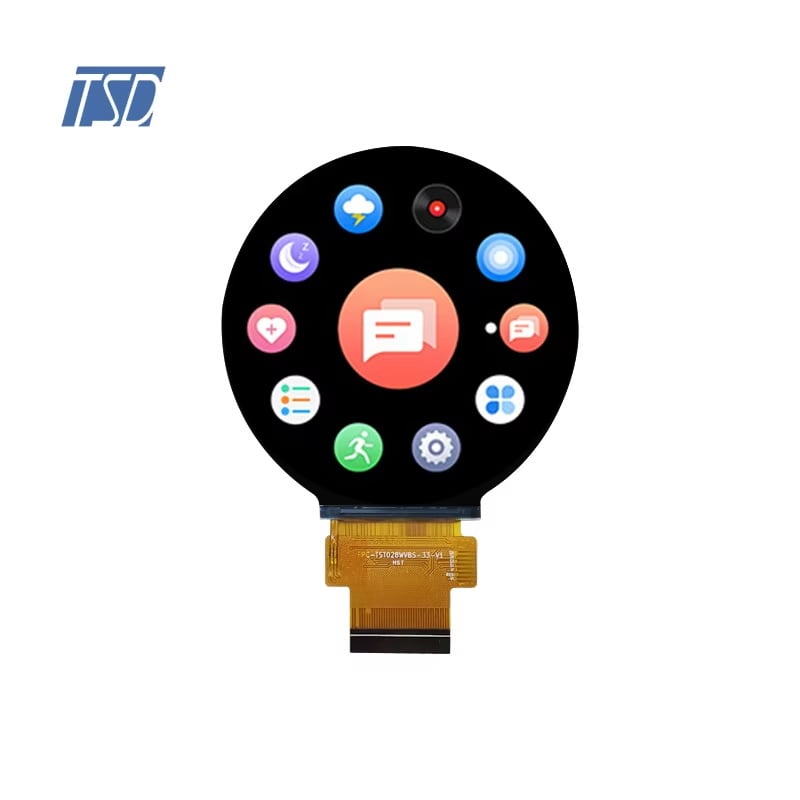
Display LCD Module Solutions | Quality & Performance

Get a Free Quote

Our representative will contact you soon.
Email
Name
Company Name
Mobile
WhatsApp
Message
0/1000

display lcd module

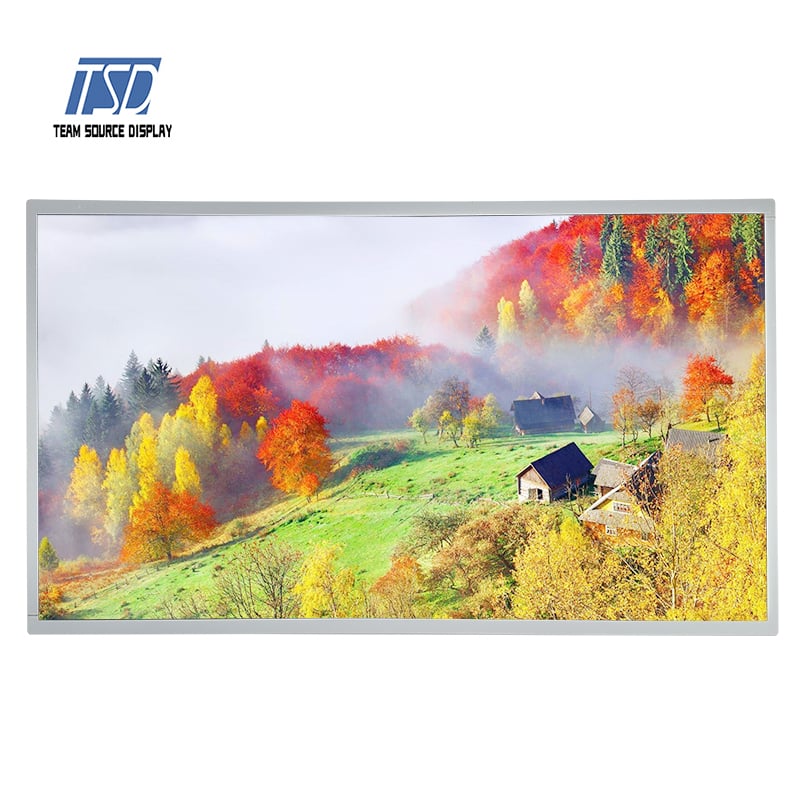
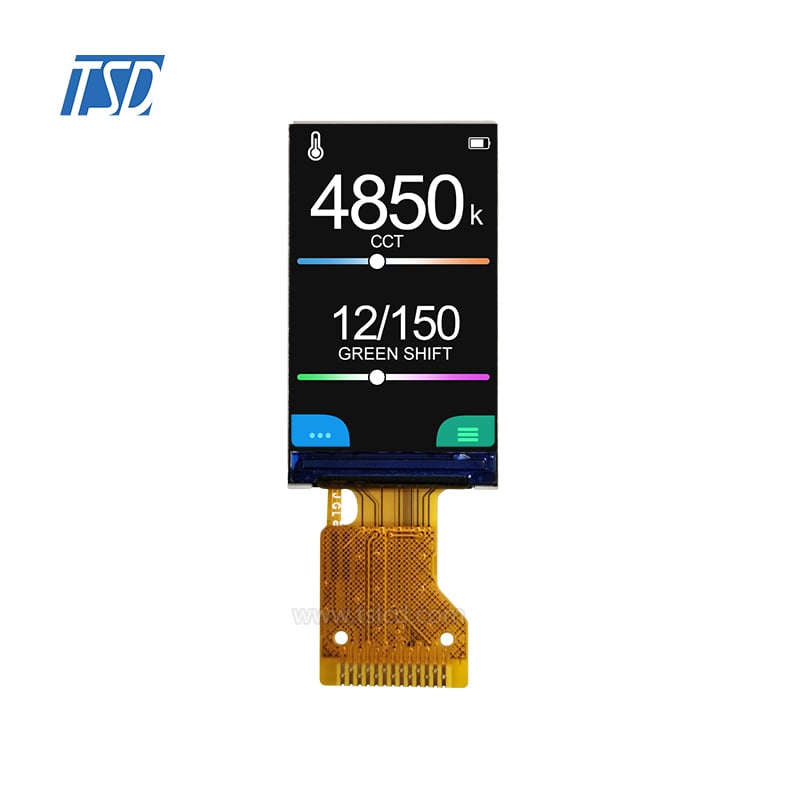
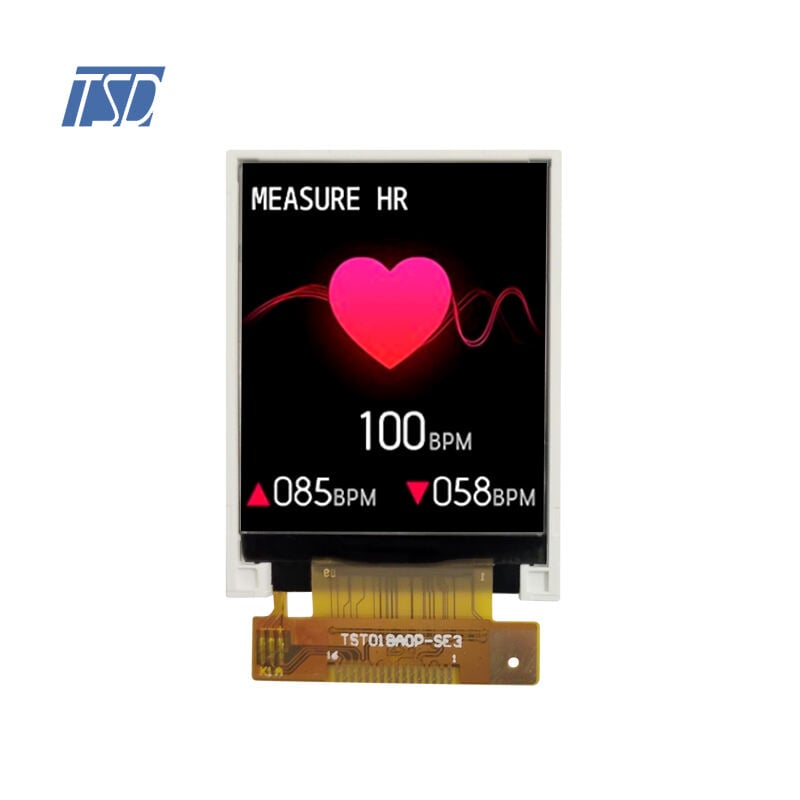
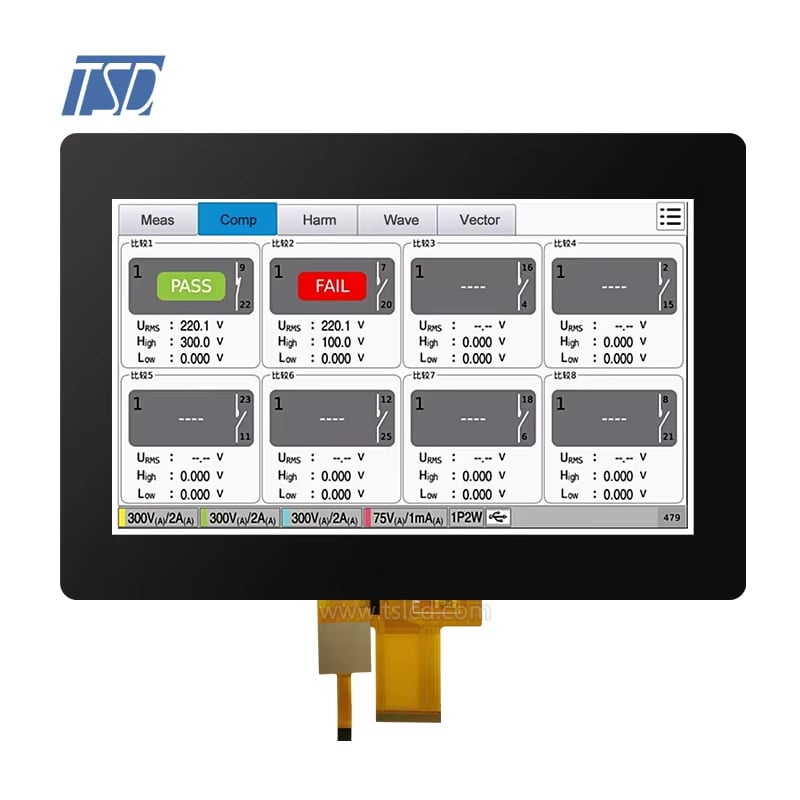
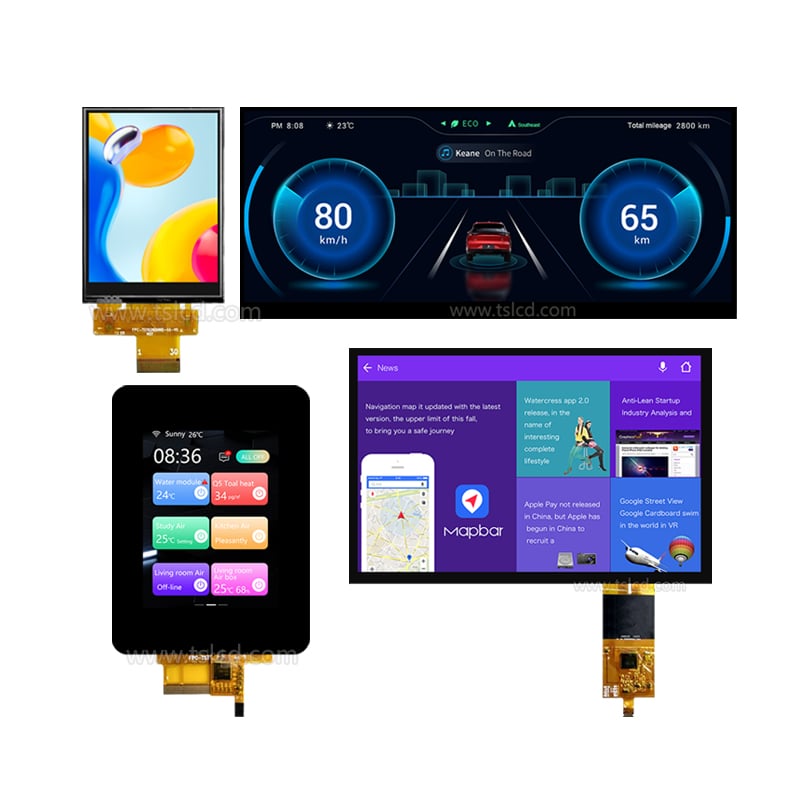
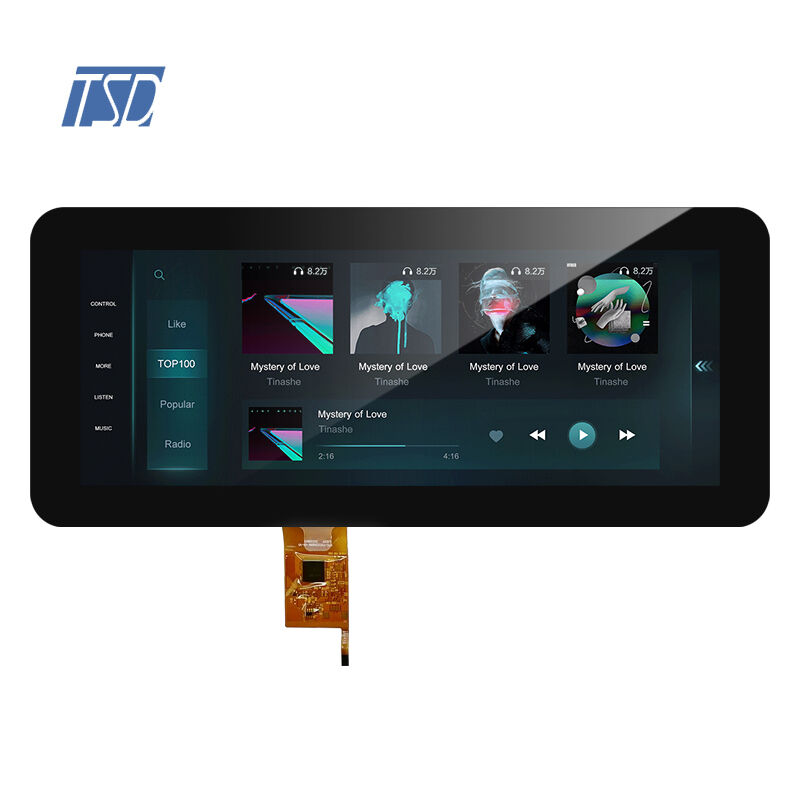
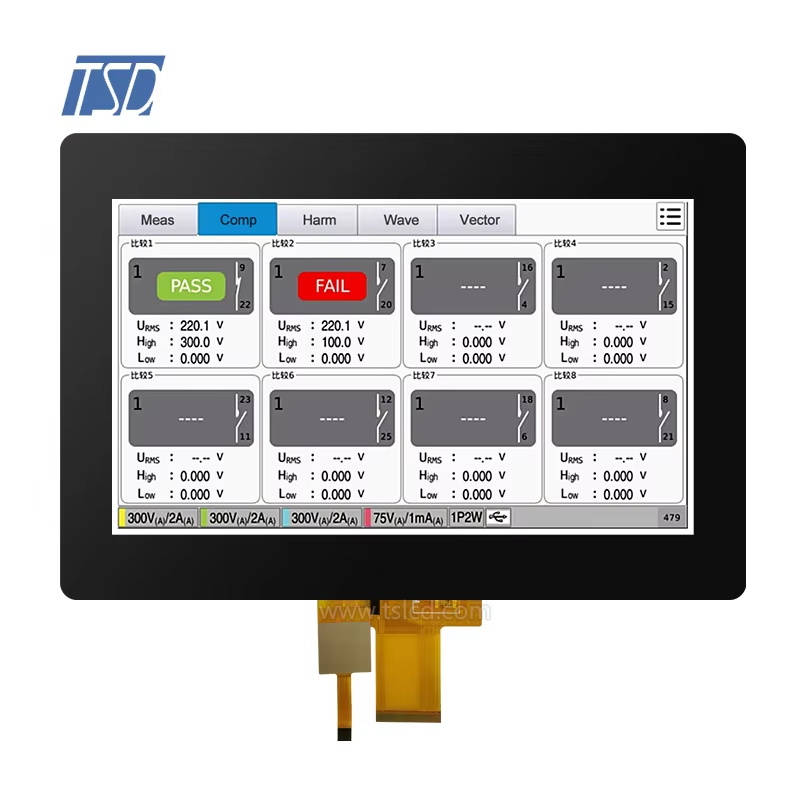
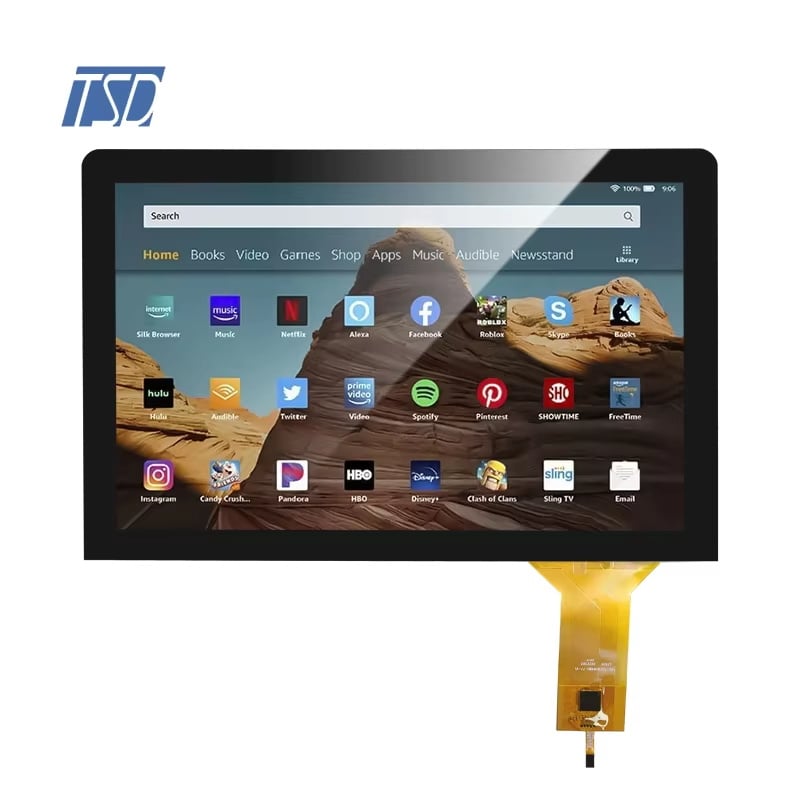
A display lcd module is an advanced electronic component that combines liquid crystal display technology with integrated control circuits to present visual information in various applications. This versatile interface solution consists of a liquid crystal panel, backlight system, driver circuitry, and control electronics packaged into a single unit for seamless integration. The display lcd module converts electrical signals into visible images, characters, or graphics through the precise manipulation of liquid crystal molecules that modulate light transmission. Modern modules incorporate sophisticated technologies including thin-film transistor arrays, LED backlighting, and touch-sensitive overlays to enhance user interaction. These modules serve as critical human-machine interfaces across countless industries, from consumer electronics and industrial automation to medical equipment and automotive dashboards. The display lcd module operates by applying voltage to specific pixel locations, controlling light passage to create contrast and color variations. Available in numerous sizes ranging from small character displays to large graphical panels, these modules offer customizable resolutions, viewing angles, and brightness levels. Integration capabilities include multiple communication protocols such as SPI, I2C, parallel interfaces, and HDMI connections, enabling compatibility with diverse microcontrollers and processing systems. The modular design simplifies implementation, reducing development time and costs while ensuring reliable performance. Whether deployed in handheld devices, industrial control panels, or embedded systems, the display lcd module provides essential visualization functionality that bridges the gap between digital processing and human perception, making complex data accessible and actionable.

New Product Releases

Choosing a display lcd module delivers substantial practical benefits that directly impact your product development timeline and operational efficiency. These modules arrive pre-assembled with all necessary components integrated, eliminating complex procurement processes and reducing assembly errors that plague custom-built display solutions. You gain immediate plug-and-play functionality that accelerates prototyping and shortens time-to-market, allowing your engineering team to focus on core product features rather than display calibration challenges. Energy efficiency stands as another compelling advantage, as the display lcd module consumes significantly less power compared to alternative display technologies, extending battery life in portable applications and reducing operational costs in always-on installations. The inherent stability of liquid crystal technology ensures consistent performance across temperature variations and extended operational periods, minimizing maintenance requirements and warranty claims. Cost-effectiveness emerges from standardized manufacturing processes that deliver professional-grade display quality at accessible price points, making sophisticated visual interfaces viable for budget-conscious projects. Versatility defines the display lcd module experience, with options spanning monochrome text displays for simple status indicators to full-color high-resolution panels for multimedia applications. This adaptability means you select precisely the capability level your application demands without paying for unnecessary features. Durability characteristics including shock resistance, long operational lifespans exceeding 50,000 hours, and stable performance under varied environmental conditions ensure reliability in demanding deployment scenarios. The widespread adoption of the display lcd module across industries has created extensive documentation, development tools, and technical support resources that simplify integration challenges. Compatibility with standard development platforms and microcontrollers eliminates proprietary lock-in concerns, protecting your investment and preserving design flexibility for future product iterations.

Tips And Tricks

How Do TFT LCD Modules Deliver Superior Visual Performance?

17

Dec

How Do TFT LCD Modules Deliver Superior Visual Performance?

Modern display technology continues to evolve at a rapid pace, with TFT LCD modules standing at the forefront of visual innovation across multiple industries. These sophisticated display solutions have revolutionized everything from automotive dashbo...
View More
What Factors Determine the Quality and Durability of an LCM?

17

Dec

What Factors Determine the Quality and Durability of an LCM?

Liquid Crystal Module technology has revolutionized the way we interact with digital displays across countless industries. From automotive dashboards to industrial control panels, the quality and durability of an lcm system directly impacts user expe...
View More
Why Are TFT LCD Displays Dominating the Electronics Industry?

14

Jan

Why Are TFT LCD Displays Dominating the Electronics Industry?

The electronics industry has witnessed a revolutionary transformation with the widespread adoption of TFT LCD displays across countless applications. These advanced display technologies have become the cornerstone of modern electronic devices, from s...
View More
How Does PCAP Improve Multi-Touch Accuracy and Responsiveness?

11

Feb

How Does PCAP Improve Multi-Touch Accuracy and Responsiveness?

Modern touchscreen technology has revolutionized how we interact with digital devices, and at the forefront of this innovation stands the PCAP touch panel. Projected Capacitive touch technology represents a significant leap forward in touch sensitivi...
View More

Get a Free Quote

Our representative will contact you soon.
Email
Name
Company Name
Mobile
WhatsApp
Message
0/1000

display lcd module

Superior Image Quality and Customization Options

Superior Image Quality and Customization Options

The display lcd module excels in delivering crisp, clear visual output with exceptional contrast ratios and precise pixel control that ensures text remains readable under diverse lighting conditions. Advanced manufacturing techniques produce modules with minimal defects and uniform brightness distribution across the entire viewing surface, creating professional appearances that enhance product perception. Customization capabilities extend beyond standard specifications, allowing manufacturers to request specific aspect ratios, custom color filters, and tailored backlighting solutions that align perfectly with brand requirements and application needs. Anti-glare coatings and wide viewing angle technologies ensure content remains visible from multiple perspectives, critical for public-facing installations and collaborative work environments. The display lcd module supports various color depths from simple monochrome to full 24-bit true color, enabling appropriate visual fidelity matching for each application context. Brightness adjustment features permit optimization for both indoor and outdoor visibility, while programmable contrast settings accommodate user preferences and accessibility requirements. This combination of inherent image quality and extensive customization potential positions the display lcd module as the ideal choice for applications where visual presentation directly influences user experience and product differentiation in competitive markets.
Seamless Integration with Minimal Development Effort

Seamless Integration with Minimal Development Effort

Implementation of a display lcd module dramatically simplifies the engineering process through standardized interfaces and comprehensive technical documentation that guide developers from initial connection to full functionality. Most modules include onboard controllers that handle complex timing sequences and refresh operations automatically, abstracting low-level display management tasks that would otherwise consume significant development resources. Standard communication protocols supported by the display lcd module ensure compatibility with popular microcontroller families, single-board computers, and embedded systems without requiring specialized interface hardware. Manufacturers provide software libraries, example code, and graphical design tools that enable rapid prototype development and iterative refinement of user interfaces. The modular architecture allows mechanical integration through standardized mounting patterns and connector placements that simplify enclosure design and manufacturing. Electrical characteristics including defined voltage requirements, current consumption specifications, and signal level standards eliminate uncertainty during system power design. Testing and validation become straightforward processes thanks to predictable behavior and established performance benchmarks. The display lcd module approach reduces the specialized expertise required on development teams, enabling broader participation in interface design and faster resolution of integration challenges, ultimately compressing development cycles and reducing the total cost of bringing products to market.
Long-Term Reliability and Cost-Effective Operation

Long-Term Reliability and Cost-Effective Operation

Investing in a display lcd module provides exceptional return through extended operational lifespans that routinely exceed five years of continuous use without significant degradation in performance or image quality. Solid-state construction with no moving parts eliminates common failure mechanisms associated with mechanical display technologies, while mature manufacturing processes ensure consistent quality and predictable behavior across production batches. Temperature tolerance ranges typically spanning -20 to 70 degrees Celsius accommodate deployment in challenging environments from outdoor kiosks to industrial facilities without requiring additional thermal management systems. The display lcd module maintains stable performance despite exposure to vibration, humidity variations, and electrical noise common in real-world operating conditions. Low power consumption translates directly to reduced operating expenses in commercial installations and extended runtime in battery-powered devices, creating ongoing value throughout the product lifecycle. Readily available replacement modules and backward compatibility considerations protect against obsolescence concerns that plague proprietary display solutions. Minimal maintenance requirements mean deployed systems continue operating reliably with little intervention, reducing support costs and improving customer satisfaction. The combination of durability, efficiency, and supportability inherent in the display lcd module design ensures that initial selection decisions continue delivering value long after deployment, making these modules particularly attractive for applications where long-term total cost of ownership drives purchasing decisions.
Display LCD Module Solutions | Quality & Performance

Have questions about the company?

Get a Free Quote

Our representative will contact you soon.
Email
Name
Company Name
Mobile
WhatsApp
Message
0/1000

Get a Free Quote

Our representative will contact you soon.
Email
Name
Company Name
Mobile
WhatsApp
Message
0/1000