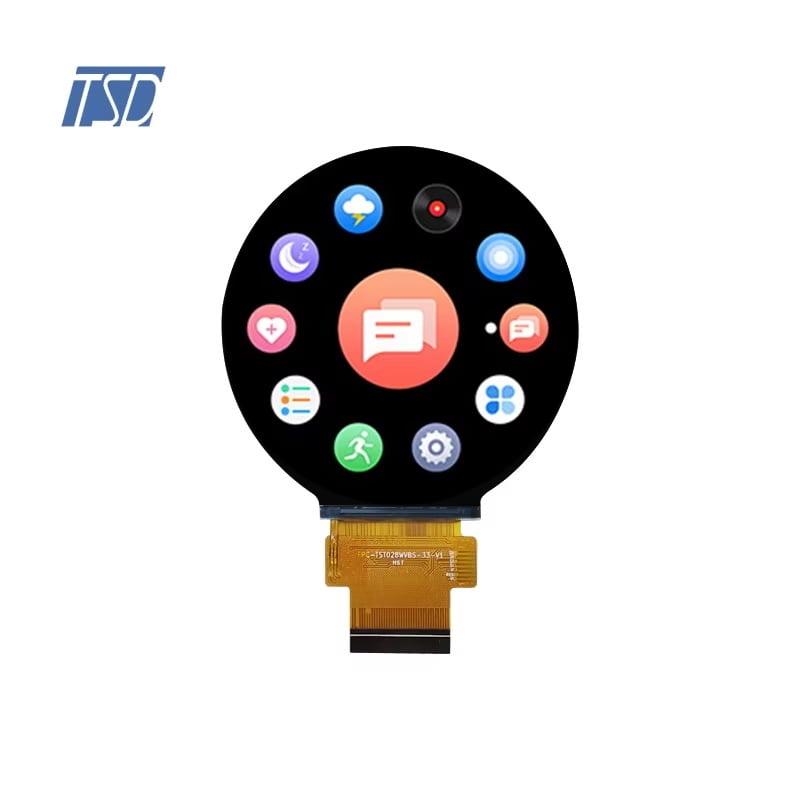
lcd display touch
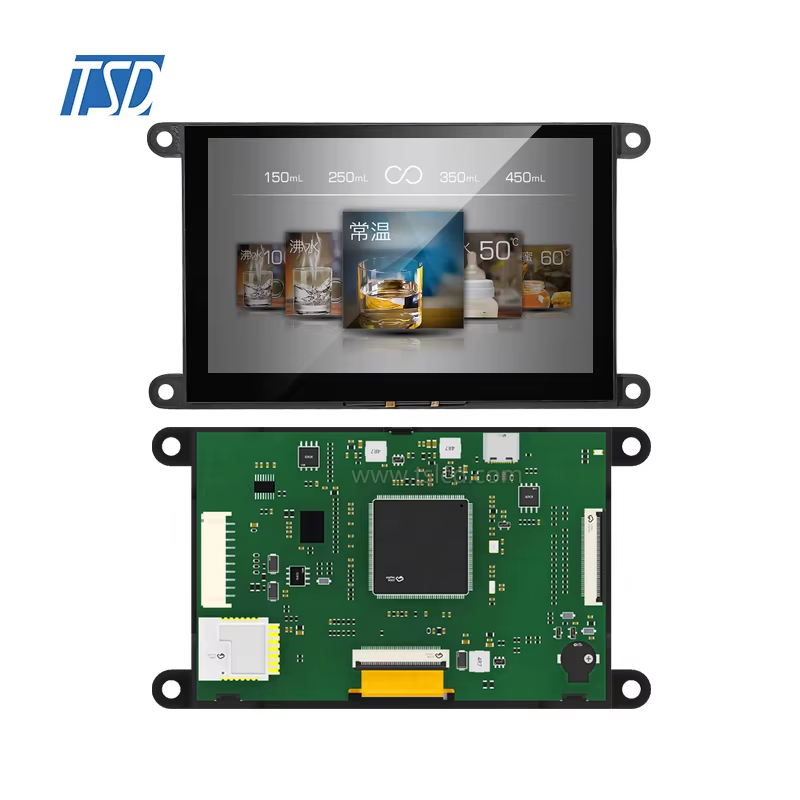
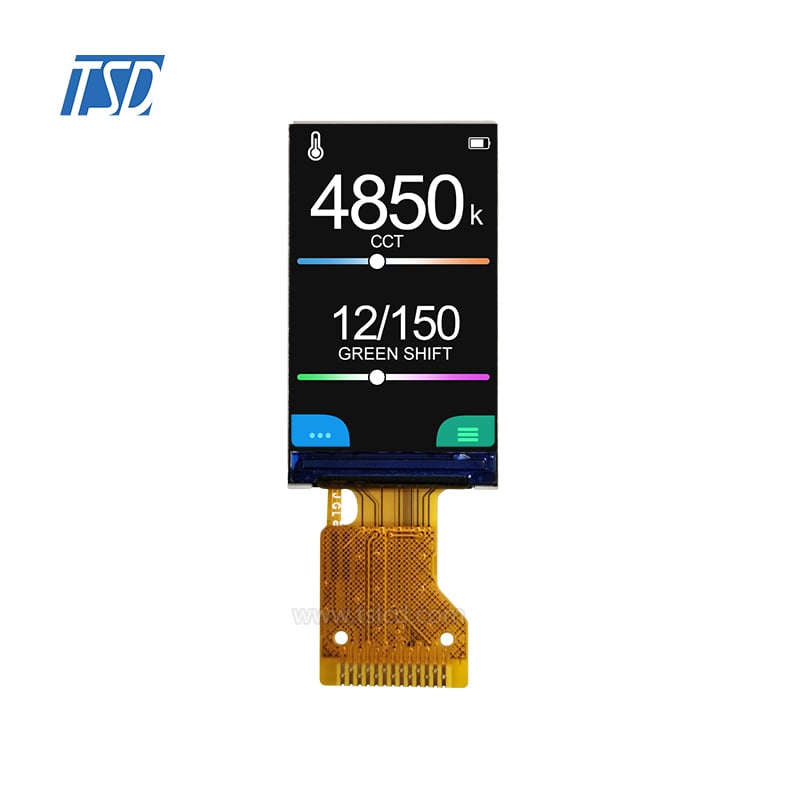
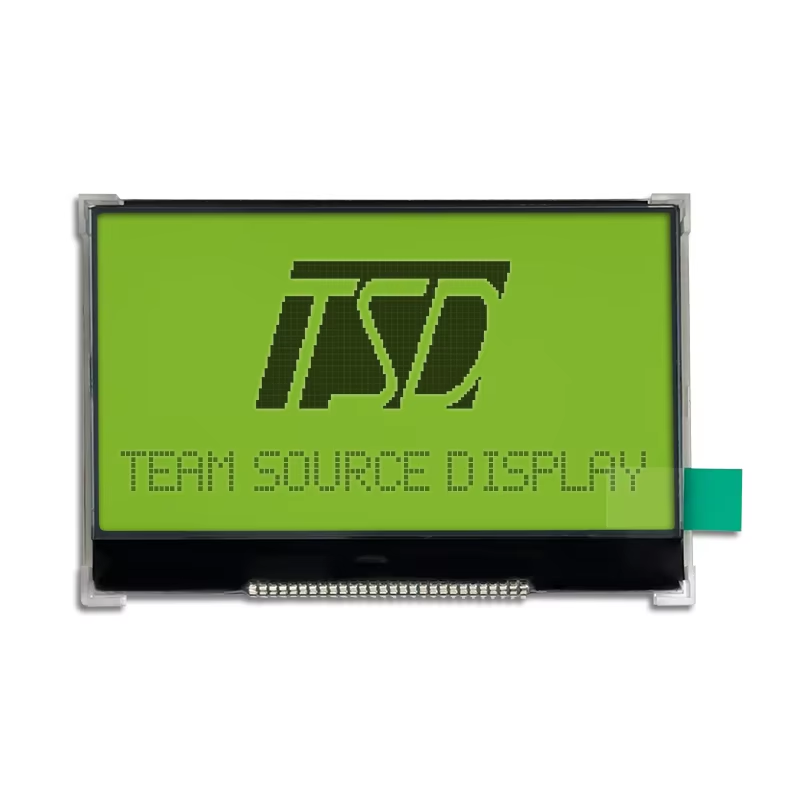
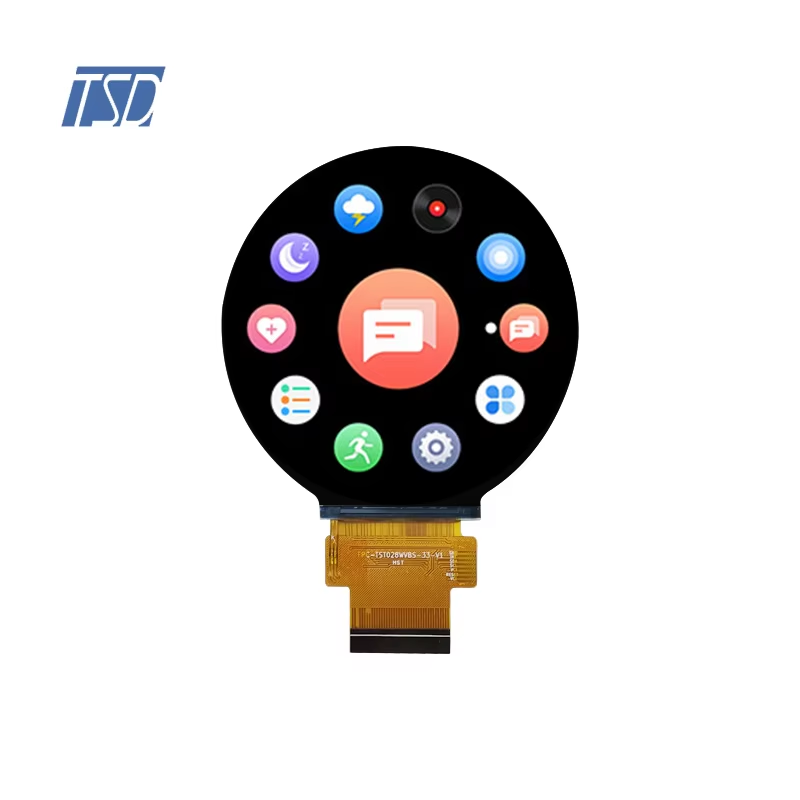
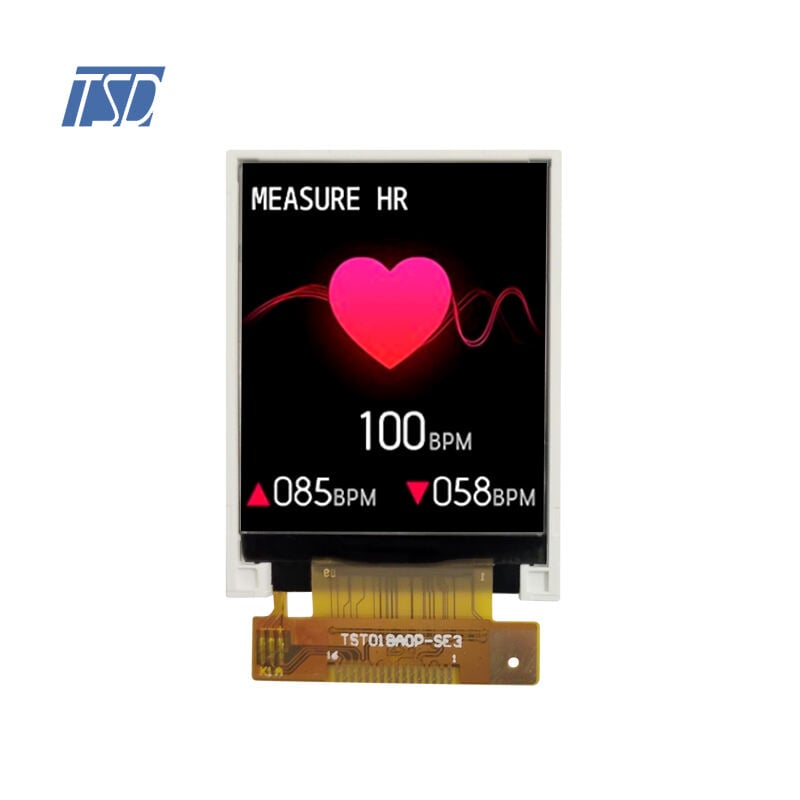
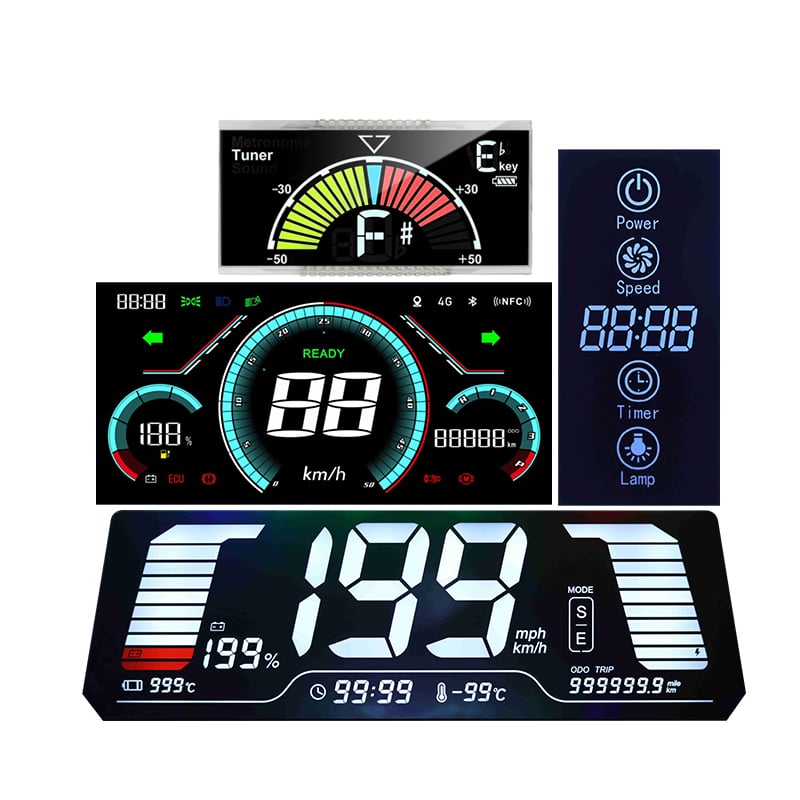
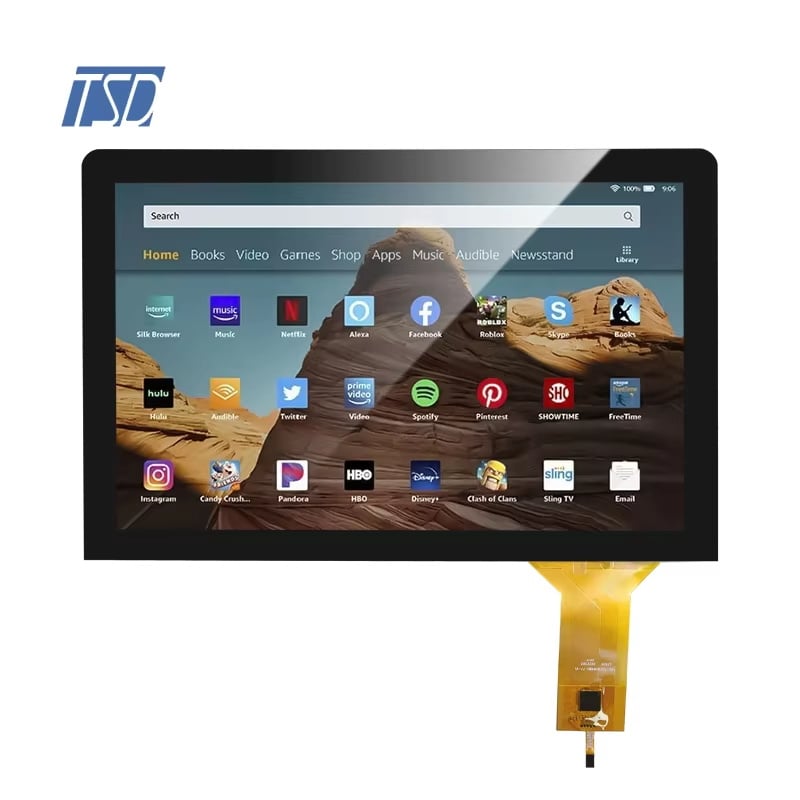
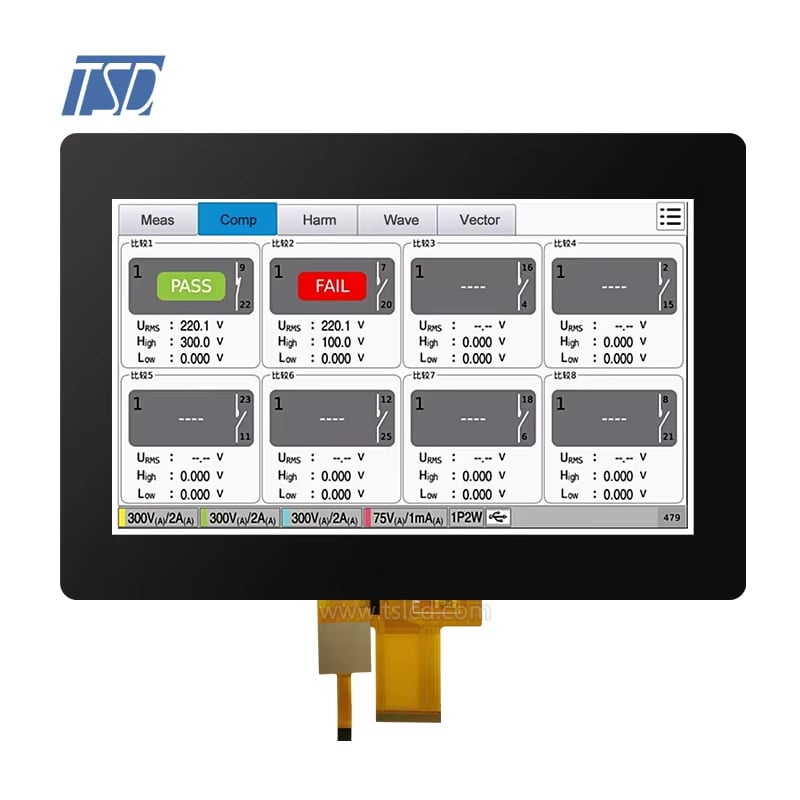
An lcd display touch combines liquid crystal display technology with responsive touch input capabilities, creating an interactive interface that revolutionizes how users engage with electronic devices. This advanced component integrates a visual screen with capacitive or resistive touch sensors, enabling direct manipulation of on-screen content through finger gestures or stylus input. The lcd display touch serves as the primary interface for smartphones, tablets, industrial equipment, medical devices, automotive systems, and countless other applications requiring intuitive human-machine interaction. Modern lcd display touch panels feature multi-touch recognition, supporting gestures like pinching, swiping, and rotating for enhanced user experience. The technology delivers excellent color reproduction, sharp image quality, and energy-efficient operation while maintaining durability under various environmental conditions. These displays range from compact sizes for wearable devices to large-format screens for interactive kiosks and industrial control panels. The lcd display touch architecture typically includes a backlight unit, liquid crystal layer, color filters, polarizers, and a transparent touch sensor overlay that detects contact points with precision. Advanced models incorporate features such as high brightness for outdoor visibility, wide viewing angles, anti-glare coatings, and reinforced glass protection. The integration of touch functionality with lcd technology eliminates the need for separate input devices, streamlining product design and reducing mechanical complexity while enhancing user engagement through natural, intuitive interaction methods that have become standard expectations in modern digital interfaces.

 EN
EN