
 EN
EN



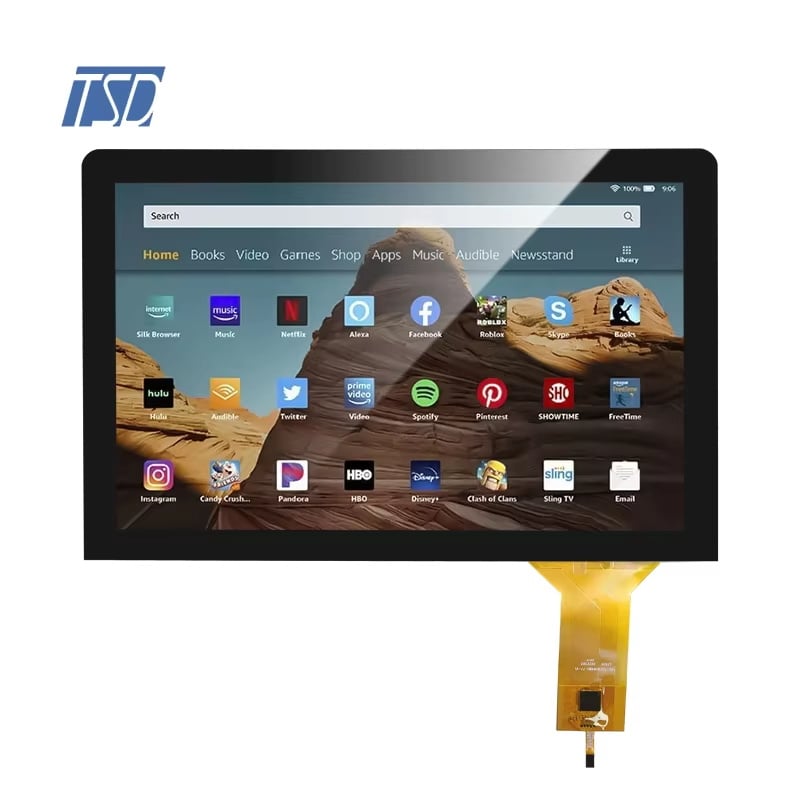
Sourcing bulk character LCD modules represents one of the most effective strategies for reducing per-unit costs in industrial and commercial electronics projects. When manufacturers and design teams commit to volume purchases, they unlock significant pricing advantages that directly impact project profitability and market competitiveness. Understanding how to properly source character LCD solutions at scale requires knowledge of supplier relationships, order minimums, lead times, and technical specifications that align with your production needs.
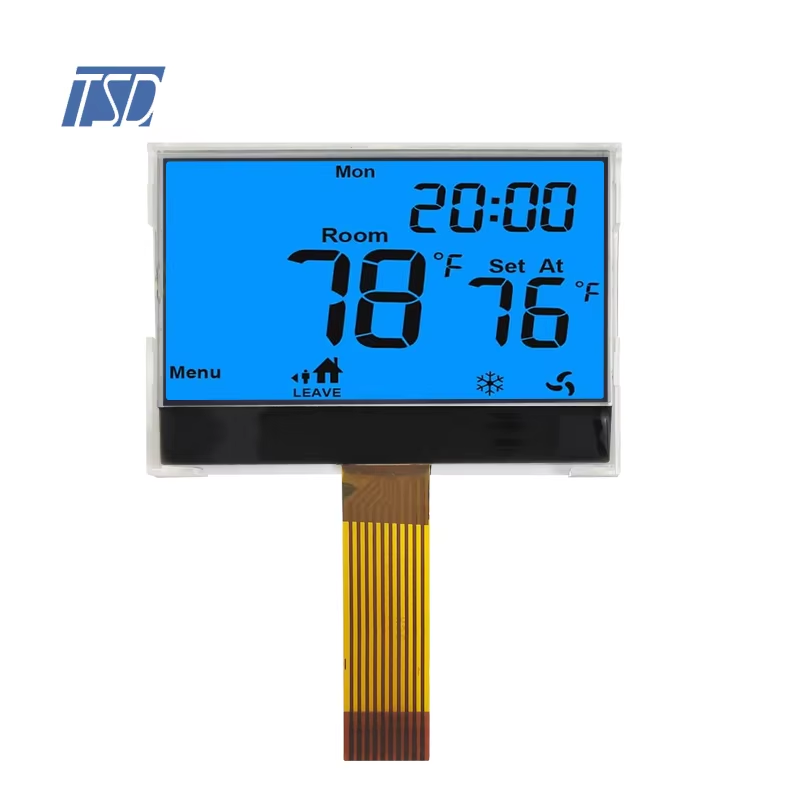
Character LCD technology has remained a cornerstone of cost-effective display solutions for decades, serving everything from industrial control panels to consumer appliances and medical devices. The character lcd market offers proven reliability, low power consumption, and straightforward integration pathways that make bulk sourcing particularly attractive for manufacturers focused on margin optimization. This article explores the essential factors driving character lcd sourcing decisions, practical sourcing strategies, and how to evaluate suppliers effectively.
Understanding Character LCD Market Dynamics
What Makes Character LCD Cost-Effective at Scale
The fundamental economics of bulk character LCD purchasing stem from supplier manufacturing capacity and order consolidation benefits. Suppliers who produce character lcd modules in large batches achieve economies of scale that translate directly to lower per-unit pricing. When you commit to bulk character LCD orders, you move beyond retail or small-lot pricing tiers into volume discounts that can reduce costs by 30 to 50 percent compared to single-unit purchases. This pricing structure reflects the supplier's ability to optimize production runs, reduce per-unit overhead, and minimize packaging and logistics expenses.
Character LCD modules range in size from small two-line sixteen-character displays to larger twenty-line four-character formats, each serving specific application requirements. The character lcd segment remains popular because these displays consume minimal power, operate across wide temperature ranges, and integrate seamlessly into embedded systems using simple parallel or serial communication protocols. Bulk sourcing becomes strategic when your product roadmap commits to sustained production volumes, allowing you to lock in favorable pricing agreements with established character LCD suppliers.
Industry Applications Driving Bulk Demand
Industrial automation equipment, HVAC systems, laboratory instruments, and point-of-sale terminals all rely on character lcd technology to deliver user interface functionality. Manufacturing environments particularly favor character LCD displays because they perform reliably in conditions where graphical LCDs might struggle, such as high-temperature operations, electromagnetic interference zones, or environments requiring extended product lifecycles. Companies sourcing bulk character LCD modules for these applications benefit from standardized specifications, established supply chains, and predictable performance characteristics that simplify product development and reduce technical risk.
Strategic Sourcing Approaches for Character LCD Modules
Evaluating Supplier Capacity and Reliability
Successful bulk character LCD sourcing begins with identifying suppliers capable of meeting both immediate volume requirements and long-term production roadmaps. Request detailed information about each supplier's manufacturing capacity, production lead times, and inventory policies for popular character LCD configurations. Reliable character LCD suppliers maintain consistent quality standards, provide technical documentation and application support, and offer flexible order scheduling options that accommodate seasonal demand variations. Verify certifications, quality assurance processes, and failure rate documentation before committing to large purchase agreements.
Supplier diversification represents a critical risk management strategy when sourcing character LCD modules in bulk. Avoid dependency on a single supplier, as production disruptions, supply chain interruptions, or quality issues can jeopardize your entire product line. Establish relationships with two or three character LCD suppliers who meet your technical and commercial requirements, allowing you to maintain continuity while negotiating competitive pricing across your supply base. This approach balances cost optimization with supply chain resilience.
Negotiating Volume Pricing and Terms
Volume pricing for character LCD modules typically follows tiered structures based on order quantities, with step-down pricing triggered at predetermined thresholds. Request detailed pricing schedules showing the character LCD cost structure at your anticipated annual volumes, and discuss the possibility of tiered agreements that protect pricing consistency even if your volumes fluctuate slightly. Many suppliers offer additional incentives for long-term commitments, such as price lock guarantees or priority allocation during supply constraints, which can significantly enhance your procurement strategy.
Payment terms and minimum order quantities shape the financial dynamics of bulk character LCD sourcing. Negotiate extended payment windows that align with your production cycles and cash flow patterns. Some suppliers offer progressive discount structures where character LCD per-unit costs decrease as cumulative annual volumes increase, creating mutual incentives for business growth. Additionally, explore whether reduced lead times or expedited shipping options are available for bulk character LCD orders, as faster delivery cycles can improve inventory management and reduce working capital requirements.
Technical Considerations in Bulk Character LCD Selection
Specification Alignment with Product Requirements
Committing to bulk character LCD purchases requires thorough technical validation to ensure display specifications match your application requirements precisely. Evaluate character LCD features including display size, font style, contrast ratio, operating temperature range, voltage requirements, and interface protocols—parallel or serial communication options significantly impact circuit design and firmware complexity. When sourcing character LCD modules in volume, small specification variations can create expensive rework situations if discovered late in production, so comprehensive technical review before bulk commitment is essential.
Request evaluation samples before finalizing bulk character LCD orders, allowing your engineering team to validate display performance, readability in target lighting conditions, and integration compatibility with your embedded systems. Character LCD modules from different manufacturers may exhibit subtle differences in contrast perception, response time, or viewing angle performance that become apparent only through hands-on testing. These validation steps protect against costly production delays and ensure your bulk character LCD investment delivers expected product quality.
Long-Term Availability and Obsolescence Planning
Character LCD technology remains relatively stable with consistent availability, yet specific models may eventually become obsolete as suppliers consolidate product lines. When sourcing bulk character LCD modules, discuss long-term product availability with suppliers and obtain written commitments regarding minimum production windows. Establish relationships with suppliers who maintain backward-compatible alternatives, allowing future product versions to adapt to character LCD availability without requiring complete redesign. This foresight prevents situations where bulk character LCD inventory becomes stranded when target displays are discontinued.
FAQ
What order quantities typically trigger bulk character LCD pricing discounts?
Most suppliers offer tiered character LCD pricing starting at order quantities between five hundred and two thousand units, with deeper discounts at five thousand units and beyond. The exact thresholds vary by supplier and character LCD display type, so request detailed pricing schedules showing breakpoints relevant to your anticipated volumes. Some suppliers also offer volume commitments that span annual purchasing plans rather than requiring enormous single orders, allowing smaller manufacturers to access bulk character LCD pricing through quarterly or monthly purchase agreements.
How do I minimize lead time risks when ordering bulk character LCD modules?
Establish clear communication with character LCD suppliers regarding production schedules, lead times, and inventory availability before placing bulk orders. Request advance notice if any supply chain disruptions threaten character LCD availability, and negotiate safety stock arrangements that buffer against unexpected demand spikes. Many character LCD suppliers maintain regional warehouses or local distribution partners, so inquire whether faster local fulfillment options are available. Include buffer inventory in your character LCD sourcing plans to accommodate minor production fluctuations without compromising delivery commitments to your customers.
Can I source character LCD modules from multiple suppliers simultaneously?
Yes, and this approach offers significant advantages for managing risk and optimizing character LCD procurement costs. By maintaining relationships with two or three qualified character LCD suppliers, you preserve supply continuity if one supplier experiences production disruptions or quality issues. Multi-supplier sourcing also strengthens your negotiating position, as you can reference competitive character LCD offers to encourage favorable pricing and terms from all suppliers. This strategy particularly benefits established manufacturers producing character LCD-based products at consistent volumes over extended time periods.