
 EN
EN



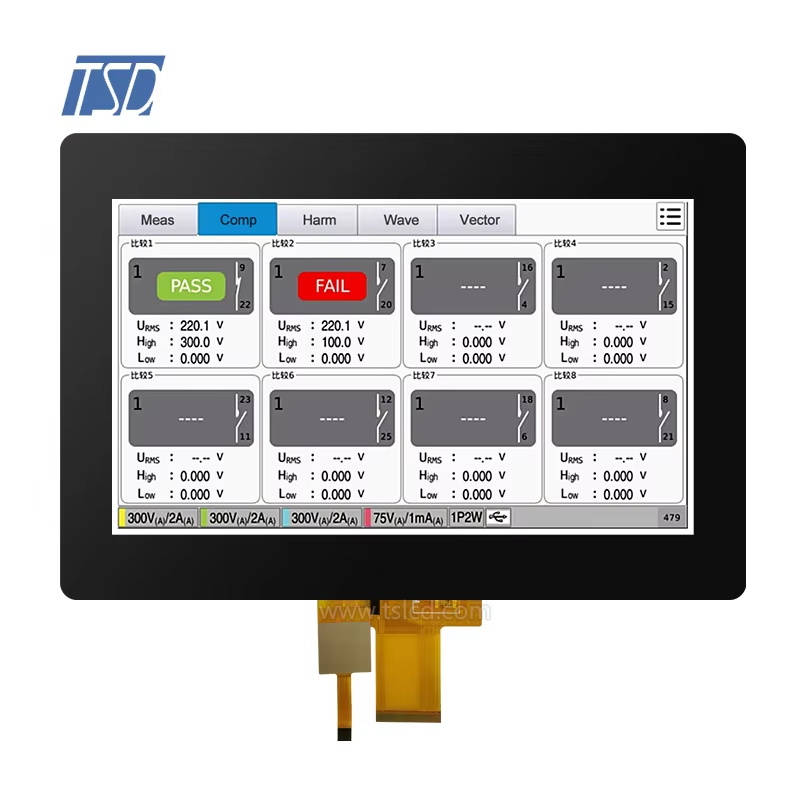
Self-service kiosks have become essential infrastructure in retail, hospitality, healthcare, and transportation sectors. At the heart of every modern kiosk lies a responsive, durable interface that guides users through transactions seamlessly. PCAP technology stands as the industry standard for delivering reliable touch responsiveness and long-term durability in demanding environments. PCAP solutions enable manufacturers to build kiosks that withstand constant user interaction, environmental stress, and years of continuous operation while maintaining precision accuracy.

Selecting the right PCAP touch screen panel manufacturer directly impacts your kiosk's performance, lifespan, and customer satisfaction. A quality PCAP manufacturer understands the specific demands of self-service applications, including high-volume touch cycles, multi-touch capability, and resistance to contamination and environmental variables. This guide explores what PCAP technology delivers, how to evaluate manufacturers, and why PCAP remains the preferred choice for critical kiosk applications across industries.
Understanding PCAP Technology for Self-Service Applications
What Makes PCAP the Industry Standard
PCAP, or projected capacitive touch technology, represents the most advanced touchscreen solution for commercial self-service kiosks. Unlike resistive or surface capacitive alternatives, PCAP delivers superior responsiveness, accuracy, and multi-touch capability. A PCAP manufacturer designs these panels to detect touch through a glass layer, allowing the display to function even with gloved hands, wet conditions, or accidental spills, making PCAP ideal for public-facing environments.
The technology behind PCAP involves a grid of tiny electrodes etched onto the glass surface, enabling the panel to register touch events at multiple points simultaneously. This multi-touch functionality allows users to pinch-zoom, swipe, and interact with complex applications naturally. Leading PCAP manufacturers engineer their panels to handle millions of touch cycles without degradation, ensuring long operational life even in high-traffic kiosk deployments.
Key Performance Characteristics of PCAP Panels
Durability stands as the primary advantage of PCAP over competing touch technologies. A premium PCAP manufacturer constructs panels with chemically strengthened glass, sealed edges, and protective coatings that resist scratches, impact, and environmental exposure. The PCAP design inherently prevents moisture ingress and electromagnetic interference, critical requirements for kiosks installed in wet environments or near electrical equipment.
Response time is another critical metric where PCAP excels. Most modern PCAP implementations deliver touch response times below 100 milliseconds, providing users with immediate visual feedback and a natural, responsive interaction experience. Reputable PCAP manufacturers test their products across temperature ranges and humidity levels to guarantee consistent performance in retail malls, airports, hospitals, and outdoor locations.
Key Considerations When Selecting a PCAP Manufacturer
Manufacturing Standards and Quality Control
A trustworthy PCAP manufacturer maintains ISO certifications, implements rigorous quality control protocols, and conducts comprehensive testing on each production batch. The PCAP manufacturing process requires precision calibration of electrode patterns, proper glass treatment, and validation of touch accuracy across the entire panel surface. Manufacturers that invest in automated inspection systems and statistical process control ensure that every PCAP panel meets consistent specifications.
Traceability and documentation are essential attributes of a credible PCAP manufacturer. Each PCAP panel should include detailed specifications, calibration records, and performance test results. When evaluating manufacturers, request evidence of testing protocols, failure analysis procedures, and warranty support structures that demonstrate commitment to quality and accountability.
Customization and Integration Flexibility
Most self-service kiosk designers require PCAP solutions tailored to specific size, resolution, and connectivity requirements. A responsive PCAP manufacturer offers customization options including various screen diagonals, interface options like USB or I2C, and protective treatments for specialized applications. The ability to work with your engineering team to integrate PCAP technology into your specific kiosk design is a hallmark of supplier excellence.
Interface compatibility significantly impacts your production timeline and system integration costs. Leading PCAP manufacturers provide comprehensive driver support, API documentation, and technical assistance to simplify integration with your kiosk platform. Whether your system requires multi-touch gestures, custom touch zones, or specialized calibration routines, an experienced PCAP manufacturer anticipates these needs and provides pre-engineered solutions.
Environmental and Reliability Requirements
Self-service kiosks operate in varied environments that demand exceptional durability from their PCAP components. Outdoor installations require PCAP panels that withstand UV exposure, temperature extremes from subzero to high heat conditions, and humidity fluctuations. A specialized PCAP manufacturer engineers panels with appropriate glass coatings, protective borders, and hermetic sealing to meet these challenging operational demands.
Longevity testing and accelerated life cycle studies are critical validation steps that distinguish premium PCAP manufacturers from commodity suppliers. Comprehensive testing of PCAP panels under simulated high-usage conditions reveals potential failure modes early, allowing manufacturers to strengthen designs before reaching customer installations. Request PCAP manufacturers to provide mean time between failure (MTBF) data and real-world case studies demonstrating sustained performance in comparable applications.
Implementation Strategies for PCAP Integration
Design and Development Best Practices
Integrating PCAP technology into your kiosk design requires careful planning and collaboration with experienced manufacturers. Early engagement with a qualified PCAP manufacturer during your design phase enables optimization of mechanical interfaces, power delivery, and thermal management around your PCAP panel. A PCAP manufacturer with design support capabilities can recommend optimal bezel dimensions, protective glass treatments, and anti-glare coatings that enhance user experience and extend operational life.
Software integration represents another critical success factor for PCAP deployment. Your PCAP manufacturer should provide comprehensive drivers compatible with your chosen operating system, multi-touch gesture recognition libraries, and calibration tools that adapt to your specific application workflow. Advanced PCAP manufacturers offer touch mapping software that allows you to define custom touch zones and gesture responses, maximizing the utility of your self-service interface.
Support and Supply Chain Considerations
Long-term support and supply chain stability directly influence the viability of your PCAP investment. Select a PCAP manufacturer with a proven track record of sustained availability, transparent roadmaps for technology evolution, and genuine commitment to supporting deployed systems throughout their operational lifetime. Inquire about component obsolescence policies, spare parts availability windows, and extended warranty options that align with your business continuity requirements.
Technical support accessibility can make or break large-scale PCAP deployments. A manufacturer that maintains responsive technical support teams, comprehensive documentation, and field service expertise provides crucial value when rapid troubleshooting is essential. Premium PCAP manufacturers often offer on-site support, remote diagnostics, and preventive maintenance programs that minimize downtime and ensure consistent kiosk performance across your installed base.
FAQ
What makes PCAP superior to other touch technologies for kiosks?
PCAP excels through multi-touch capability, accurate response through protective glass, durability under millions of touch cycles, and consistent performance in varied environments. Unlike resistive touch technology that requires direct pressure and has limited lifespan, or surface capacitive designs that struggle with gloved hands, PCAP delivers superior reliability and user experience for demanding self-service applications. PCAP technology functions reliably even with wet fingers, light gloves, or accidental spills, making it ideal for public kiosks.
How do I ensure a PCAP manufacturer meets my reliability standards?
Request comprehensive documentation including ISO certifications, MTBF calculations, environmental testing results across temperature and humidity ranges, and case studies from comparable installations. A credible PCAP manufacturer provides detailed performance specifications, batch traceability records, and accelerated life cycle test data demonstrating sustained performance. Site visits to manufacturing facilities and references from existing customers using PCAP technology in similar applications help validate manufacturing quality and support capabilities.
What customization options should I expect from a PCAP manufacturer?
Leading PCAP manufacturers offer flexibility in screen size, resolution, interface options such as USB or I2C connectivity, protective coatings for outdoor exposure, and integration support for your specific platform. A quality PCAP manufacturer provides design consultation, custom calibration routines, gesture recognition tuning, and driver development assistance. Request examples of previous PCAP projects in similar kiosk applications to understand the depth of customization capabilities and technical support resources available.