screen module
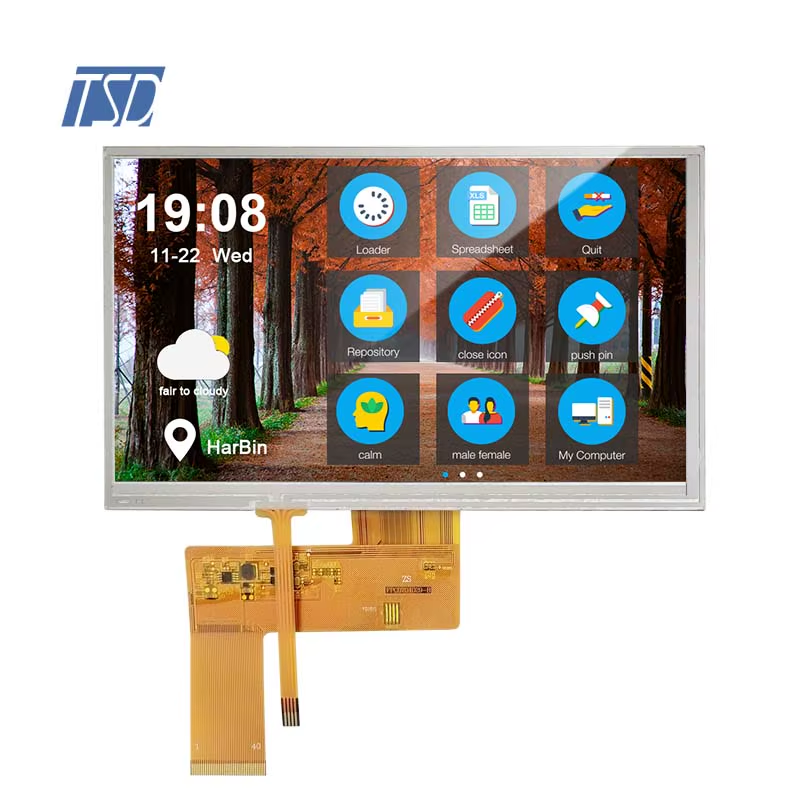
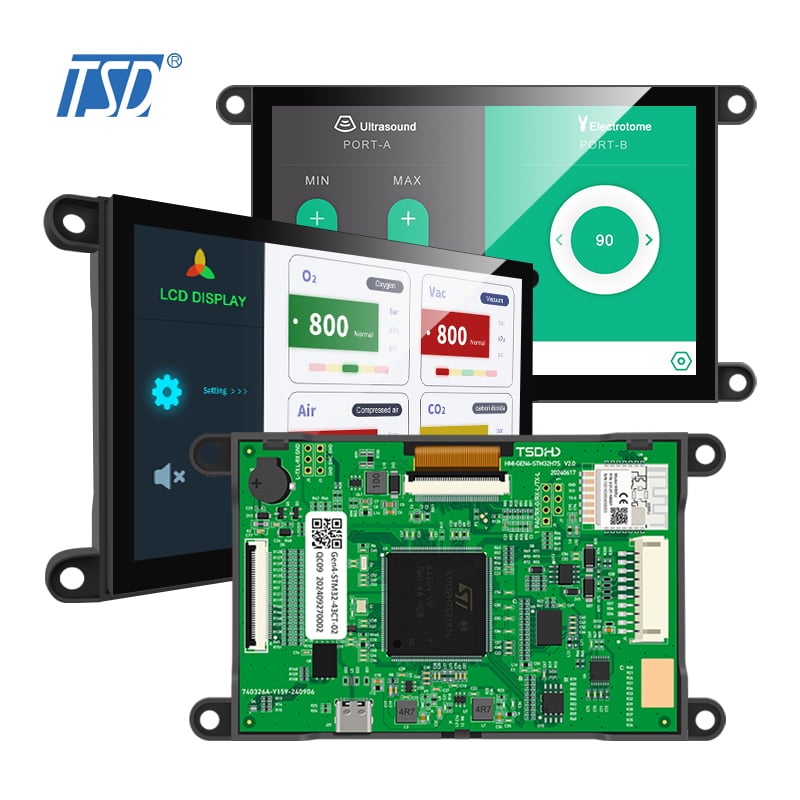
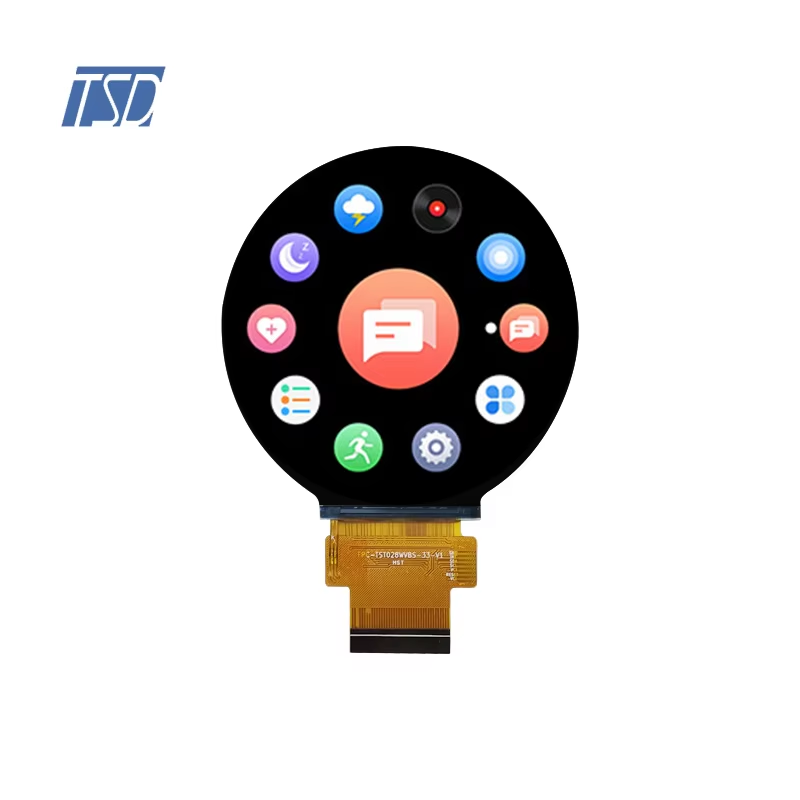
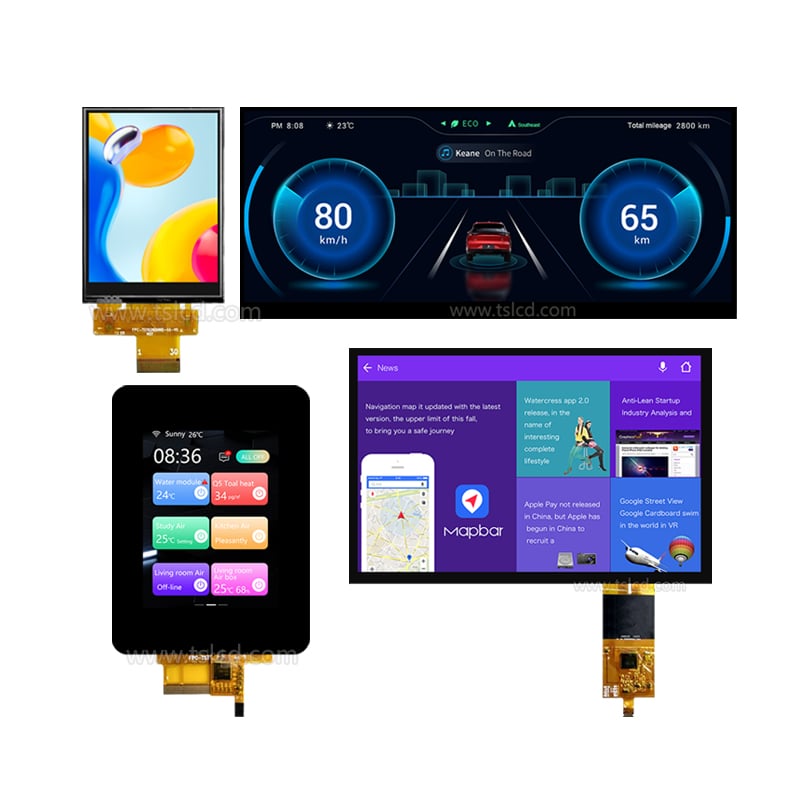
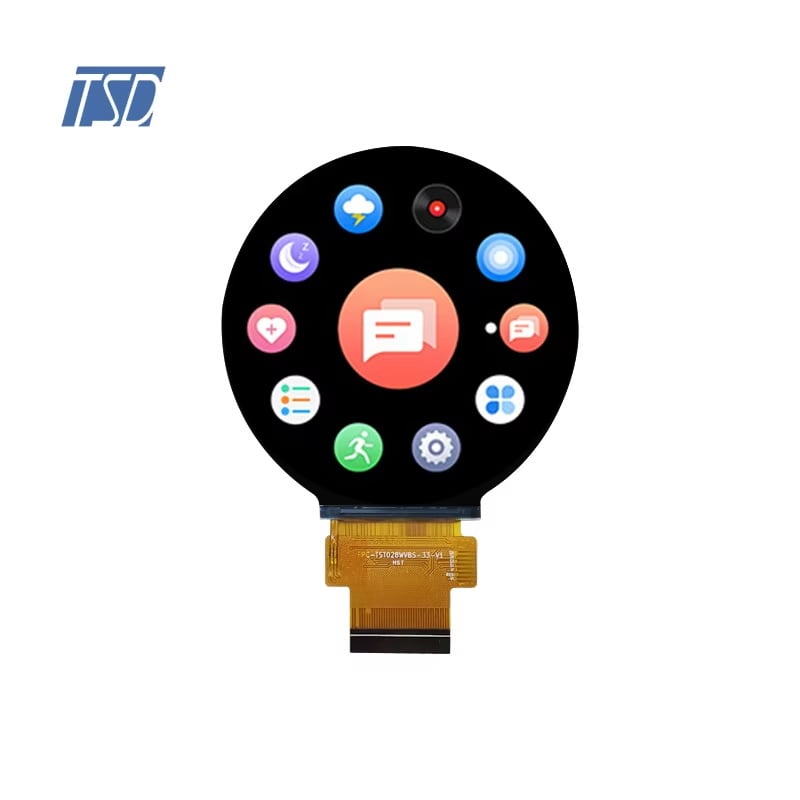
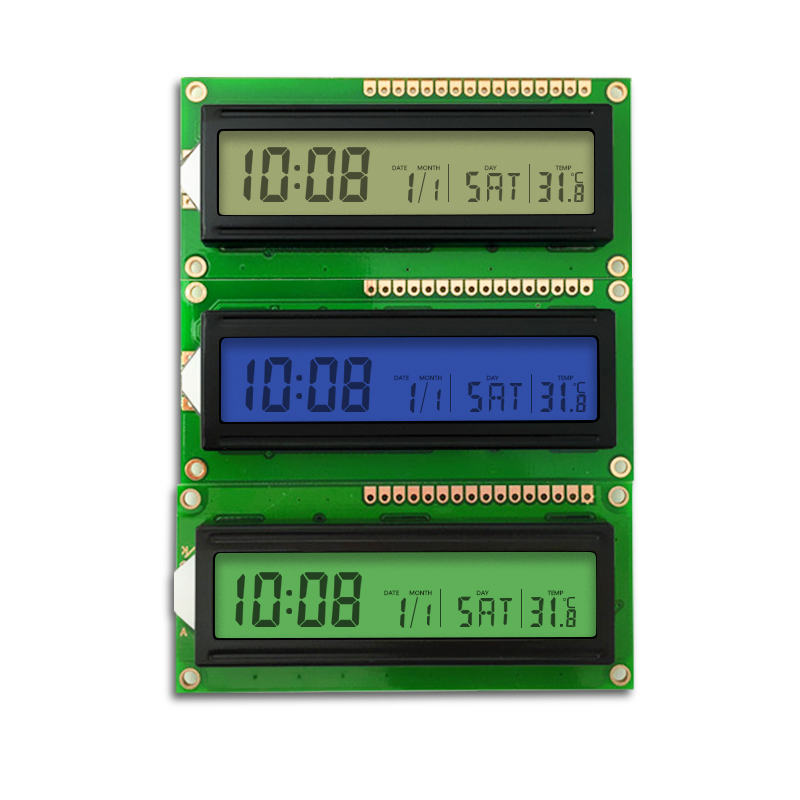
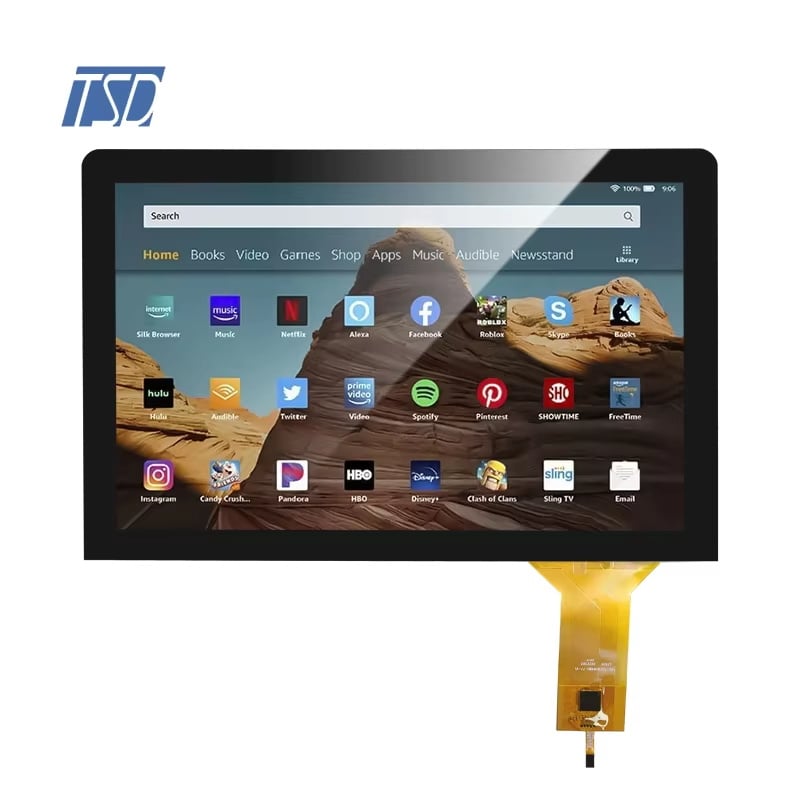
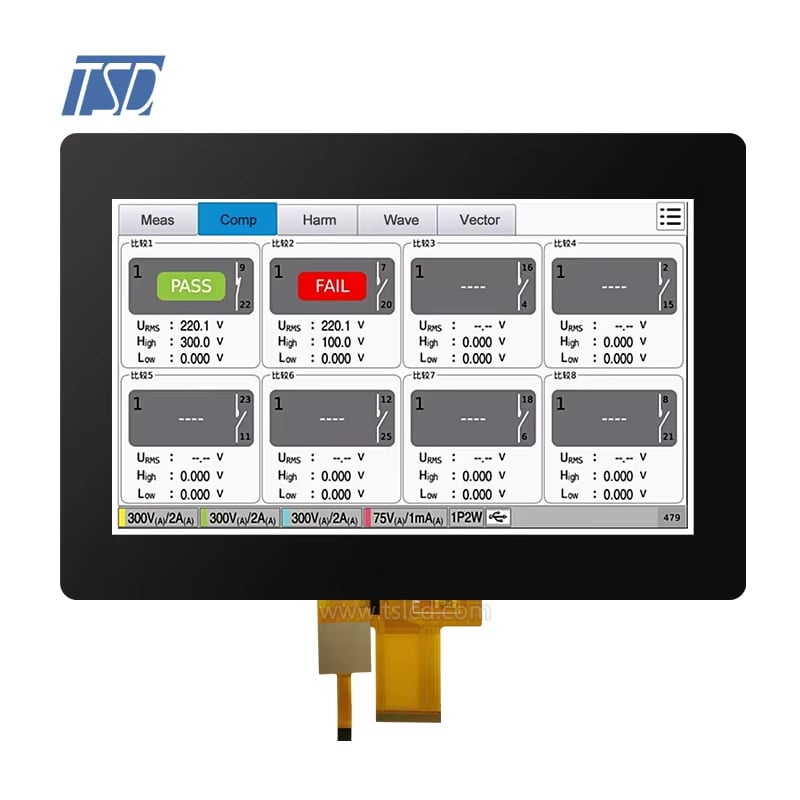
A screen module is an advanced display component that integrates visual output technology with control electronics to deliver high-quality images and interactive experiences. This sophisticated device combines liquid crystal display or organic light-emitting diode technology with driver circuits, touch sensors, and interface connections to create a complete visual solution. The screen module serves as the primary interface between users and electronic devices, enabling information display, content visualization, and touch-based interaction. Modern screen modules incorporate various technological features including high-resolution panels, wide viewing angles, superior color reproduction, and energy-efficient backlighting systems. These components find extensive applications across consumer electronics, industrial equipment, automotive displays, medical devices, and smart home systems. The screen module architecture typically includes the display panel, backlight assembly, touch digitizer, protective glass, and integrated circuit controllers that manage pixel activation and color rendering. Advanced screen modules support multiple input protocols, offer customizable brightness levels, and provide durability through reinforced construction. Manufacturers design these modules with standardized interfaces to ensure compatibility with diverse hardware platforms, making them versatile solutions for product developers. The growing demand for interactive visual experiences drives continuous innovation in screen module technology, resulting in thinner profiles, higher pixel densities, lower power consumption, and enhanced touch sensitivity for modern applications.

 EN
EN