
 EN



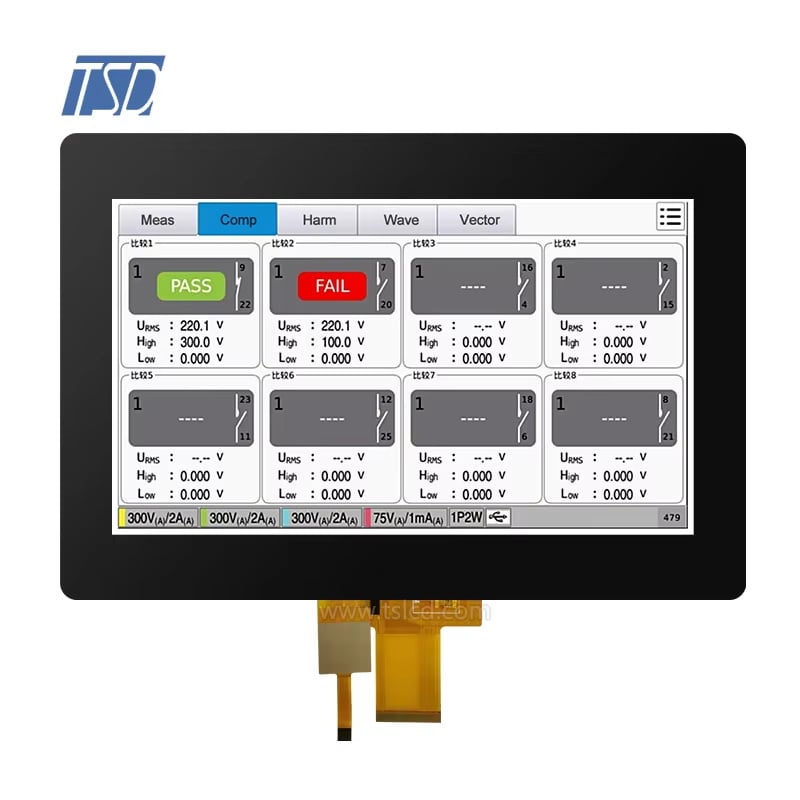
Home appliance manufacturers continuously seek display solutions that balance cost, reliability, and user functionality. Character LCD modules have emerged as the preferred choice for control interfaces across microwave ovens, washing machines, refrigerators, and heating systems. These compact, energy-efficient display components deliver critical information to users while maintaining industrial durability and long-term performance. Understanding how character LCD modules function and their diverse applications helps engineers and procurement teams make informed decisions when designing next-generation home appliances.
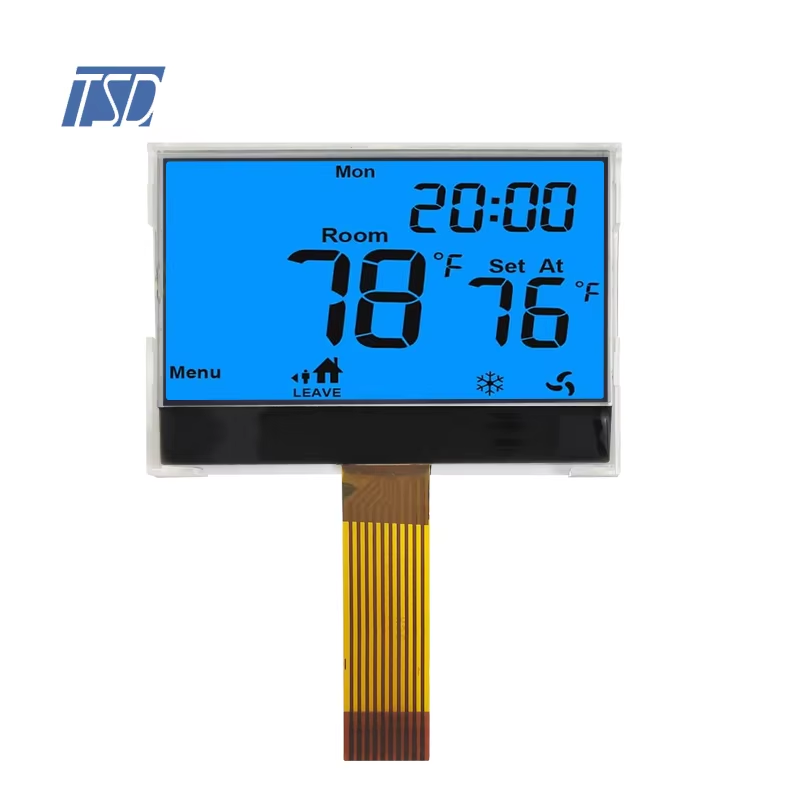
The integration of character LCD modules into home appliance controls represents a significant shift toward smarter, more accessible user experiences. Unlike static LED indicators or basic mechanical dials, character LCD modules enable appliances to display multi-line text, custom messages, temperature readings, timer countdowns, and operational status in real-time. This capability transforms user interaction, allowing people to understand appliance settings, error codes, and remaining cycle times without ambiguity. Modern home appliances demand this level of communication clarity to meet consumer expectations and regulatory labeling requirements.
Core Applications of Character LCD Modules in Home Appliances
Kitchen Appliance Display Requirements
Microwave ovens represent one of the most visible applications for character LCD modules in kitchens today. These devices require real-time display of cooking time, power level, temperature settings, and status messages such as 'Reheating' or 'Defrost.' A character LCD module can present multiple parameters simultaneously on a small, energy-efficient screen without consuming significant panel space. Coffee makers, dishwashers, and combination ovens similarly benefit from character LCD modules because they need to communicate complex operational sequences and user selections. The standardized interface ensures that consumers can quickly learn new appliance functions and troubleshoot issues through on-display guidance.
Laundry Equipment and Climate Control
Washing machines and dryers depend heavily on character LCD modules to display cycle time remaining, selected temperature, spin speed, and cycle progress. These appliances must communicate status updates continuously, and character LCD modules excel at providing legible, updatable information in real-time. Air conditioners, heat pumps, and smart thermostats also rely on character LCD modules to show current temperature, target settings, operation modes, and filter maintenance alerts. In these applications, the character LCD module acts as the primary communication channel between the appliance intelligence and the end user, directly influencing satisfaction and trust in the device.
Technical Advantages of Character LCD Modules in Control Systems
Energy Efficiency and Power Consumption
One of the most compelling reasons manufacturers select character LCD modules for home appliances is their exceptionally low power consumption compared to other display technologies. A typical character LCD module draws only a few milliwatts during operation, making it ideal for appliances that may remain on standby or display information continuously. This efficiency directly extends battery life for portable kitchen gadgets and reduces overall energy footprint for plugged-in devices. Character LCD modules achieve this performance through passive liquid crystal technology that requires minimal backlighting and operates at lower operating voltages than alternative display solutions. For manufacturers targeting energy efficiency certifications and consumers seeking lower utility bills, character LCD modules deliver measurable performance benefits.
Reliability, Longevity, and Environmental Tolerance
Home appliances operate in demanding environments with temperature fluctuations, moisture exposure, vibration, and extended duty cycles. Character LCD modules are engineered to withstand these conditions reliably for 10 to 15 years or more with proper design integration. Unlike LED segments that can fail individually, character LCD modules maintain consistent functionality and legibility across their operational lifetime. The technology proves robust in kitchens near steam sources, laundry rooms with humidity, and outdoor HVAC installations. Manufacturers appreciate that character LCD modules require no firmware updates, recalibration, or replacement parts, reducing warranty costs and field service expenses. This reliability foundation allows appliance designers to focus on feature innovation rather than display troubleshooting.
Integration and Customization Strategies for Character LCD Modules
Display Sizing and Character Configuration
Character LCD modules come in standard configurations ranging from 16 characters by 2 lines to 20 characters by 4 lines, offering flexibility for different appliance control panel layouts. Designers select the appropriate character LCD module size based on the information volume and available panel space. A compact 16x2 character LCD module suits simple appliances like coffee makers and microwave ovens that display only a few data points at once. More complex appliances such as washing machines with multiple cycle options benefit from 20x4 character LCD modules that display program name, time, temperature, and status simultaneously. Custom character creation within the character LCD module's memory allows manufacturers to display branded icons, temperature symbols, or operation-specific indicators, enhancing user recognition and interface intuitiveness.
Interface Connectivity and Microcontroller Integration
Modern character LCD modules connect to appliance control boards through standard parallel interfaces or serial communication protocols such as I2C and SPI. This flexibility allows engineers to integrate character LCD modules into existing microcontroller architectures without redesigning foundational circuitry. The plug-and-play nature of character LCD modules accelerates development timelines and reduces engineering overhead compared to custom display solutions. Firmware support is well-established across industry platforms, with extensive libraries and code examples available for rapid deployment. Design teams can confidently implement character LCD modules knowing that technical support resources, compatibility guides, and optimization best practices are readily accessible from display manufacturers and online engineering communities.
User Experience and Market Differentiation
Character LCD modules fundamentally improve home appliance user experience by providing transparent, real-time feedback on device status and remaining operations. Consumers increasingly demand clarity and control, and character LCD modules deliver both without the cost and complexity of graphic displays. Educational messaging displayed on character LCD modules helps users optimize energy consumption, follow safety protocols, and discover advanced features they might otherwise overlook. Brand perception strengthens when appliances communicate clearly through character LCD modules, reducing frustration and support calls. Competitive differentiation emerges through thoughtful interface design, meaningful messages, and responsive display updates that convey reliability and attention to user needs. Manufacturers investing in quality character LCD module integration often report higher customer satisfaction scores and brand loyalty than those relying on minimal indicators.
FAQ
What is the typical lifespan of a character LCD module in home appliances?
A well-designed character LCD module typically lasts 10 to 15 years in home appliance applications, with many lasting considerably longer when properly manufactured and integrated. The lifespan depends on temperature exposure, operating hours, and backlighting type. Modern character LCD modules rarely fail due to component degradation, making them one of the most reliable display technologies for consumer appliances.
Can character LCD modules display graphics or only text?
Standard character LCD modules are optimized for text and alphanumeric content. However, they can display basic custom graphics or symbols by creating specialized character patterns stored in the module's memory. For advanced graphics and detailed images, graphic LCD modules or higher-resolution displays are more suitable, though character LCD modules remain superior for text-heavy applications and cost efficiency.
How do character LCD modules reduce manufacturing costs compared to other display options?
Character LCD modules offer lower component costs, simplified integration circuitry, and minimal firmware development overhead. They require no backlighting in passive mode, reducing power supply complexity and heat management expenses. The standardized interfaces and extensive off-the-shelf support ecosystem lower development and testing costs significantly compared to custom display solutions.