
 EN
EN



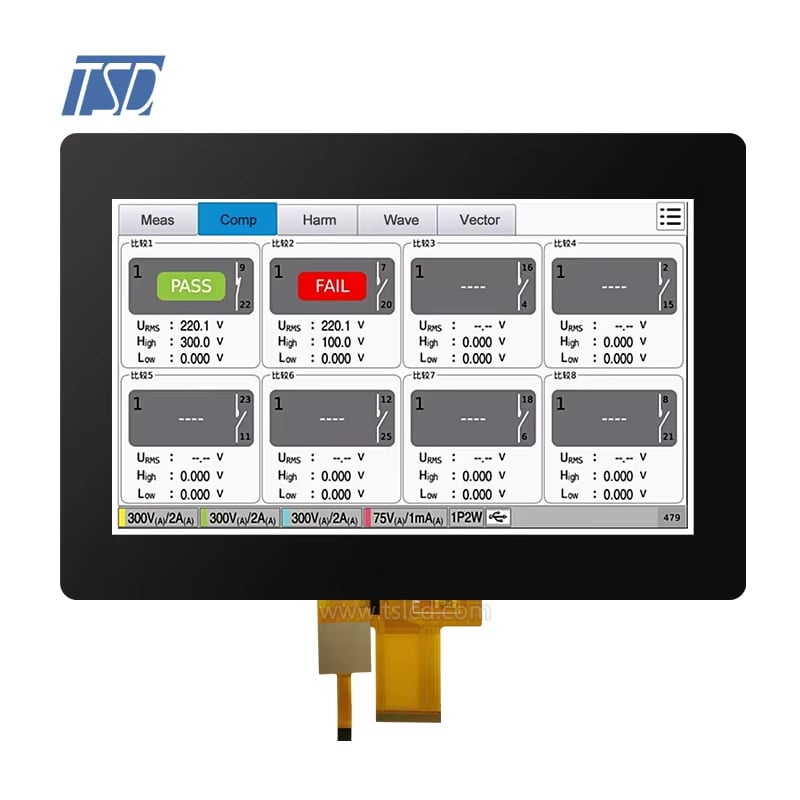
Character LCD technology remains a cornerstone of industrial interface design, powering everything from equipment control panels to status displays across manufacturing facilities worldwide. The character LCD has evolved significantly over the past decade, adapting to modern demands for reliability, efficiency, and integration ease. Understanding the current trends in character LCD development helps engineers and procurement teams make informed decisions about display solutions that will serve their applications for years to come. Today's industrial environment demands more from character LCD implementations than ever before, and manufacturers continue refining both hardware and software integration approaches to meet these requirements.
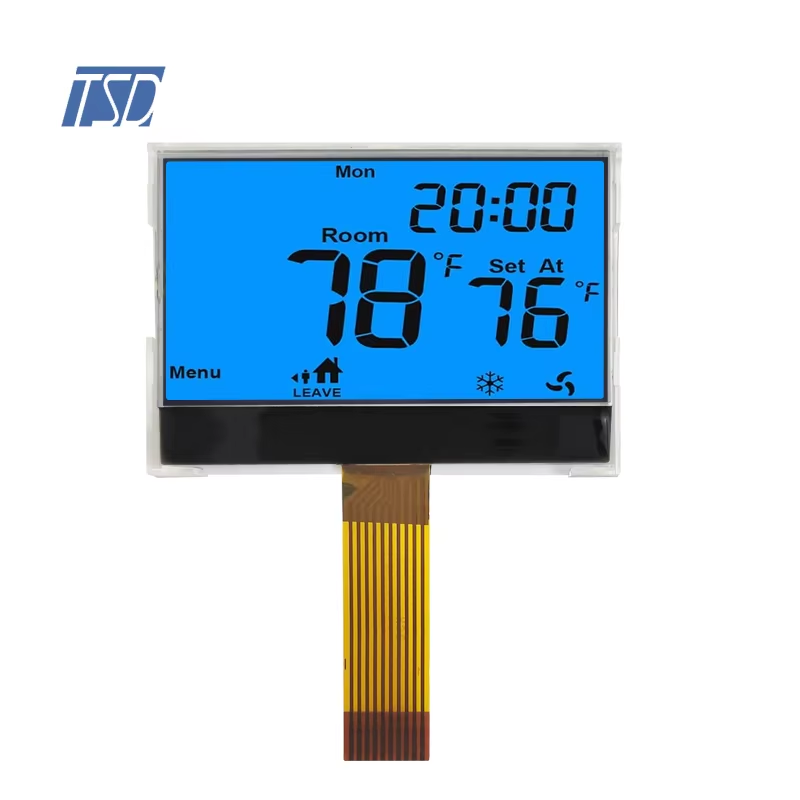
Modern industrial applications have transformed how character LCD modules function within larger system architectures. The character LCD is no longer viewed simply as a text display device; it has become an integral component of sophisticated user interface ecosystems that prioritize clarity, responsiveness, and seamless hardware integration. Advanced character LCD designs now support enhanced communication protocols, improved power efficiency, and customizable display features that allow manufacturers to tailor solutions to specific operational needs. This evolution reflects broader industrial trends toward intelligent, adaptable systems that can evolve alongside changing business requirements.
Core Developments in Character LCD Technology
Enhanced Display Performance and Clarity
Character LCD modules have undergone substantial improvements in visual performance metrics that directly impact operator experience and system efficiency. Modern character LCD implementations now feature superior contrast ratios, wider viewing angles, and improved response times compared to previous generations. The character LCD technology has benefited from advances in liquid crystal chemistry and backlight engineering, allowing manufacturers to deliver displays that remain legible across diverse lighting conditions and viewing positions. These performance enhancements make character LCD solutions increasingly attractive for rugged industrial environments where display clarity can directly influence operational safety and decision-making speed. Engineers selecting character LCD options today can access modules with specialized optical coatings that reduce glare and enhance visibility under harsh fluorescent or natural lighting.
Integration and Interface Evolution
The connectivity landscape surrounding character LCD modules has expanded dramatically, enabling seamless integration with modern control systems and IoT infrastructure. Traditional character LCD interfaces have been complemented by options supporting SPI, I2C, and Ethernet communication protocols, giving developers unprecedented flexibility in system architecture design. The character LCD can now function effectively within distributed control networks, receiving data streams from multiple sensors and system controllers simultaneously. This evolution has made character LCD deployment more accessible to teams working with contemporary microcontroller platforms and embedded systems frameworks. Integration complexity has actually decreased as character LCD manufacturers have standardized driver circuits and reference implementations that accelerate development cycles.
Efficiency and Power Management Trends
Reduced Power Consumption Strategies
Industrial facilities operating extensive networks of displays face mounting pressure to reduce energy consumption across all components, making power efficiency a critical evaluation criterion for character LCD selection. Contemporary character LCD designs incorporate sophisticated power-saving features including dynamic backlighting control, selective segment activation, and low-power standby modes that significantly reduce overall energy draw. The character LCD has become substantially more power-efficient than earlier generations, with some modern modules consuming up to sixty percent less energy during typical operational cycles. Battery-powered and remote monitoring applications particularly benefit from these efficiency gains, enabling extended deployment periods without frequent maintenance or power source replacement. Manufacturers have achieved these improvements through optimized liquid crystal materials, LED backlight innovations, and intelligent display management firmware.
Thermal Performance and Reliability
Extended operational lifecycles require character LCD modules to maintain consistent performance across temperature extremes and prolonged usage periods. Current design trends emphasize thermal management through improved substrate materials, optimized display architecture, and enhanced component selection that collectively reduce operating temperatures and extend component lifespan. The character LCD technology now includes built-in thermal compensation algorithms that automatically adjust display characteristics in response to ambient temperature fluctuations, maintaining consistent visual quality throughout the operational envelope. Industrial applications spanning food processing, pharmaceutical manufacturing, and petrochemical facilities rely on character LCD modules that can endure temperature swings, moisture exposure, and mechanical vibration without performance degradation. Advanced thermal design ensures character LCD modules continue delivering reliable performance even in extreme conditions where competing display technologies might falter.
Customization and Application-Specific Solutions
Tailored Display Configurations
Modern manufacturing processes demand display solutions tailored to specific operational requirements, driving a trend toward customizable character LCD implementations that extend far beyond standard configurations. Contemporary manufacturers now offer the character lcd in diverse matrix sizes, enabling engineers to select configurations that match precise application needs without accepting unnecessary display real estate. Custom character fonts, localized display content, and specialized symbol libraries allow character LCD solutions to serve global markets while maintaining cultural and linguistic relevance. The character LCD can now incorporate application-specific graphics capabilities, allowing manufacturers to blend traditional alphanumeric text displays with targeted graphical elements that enhance user comprehension. These customization capabilities have expanded character LCD deployment into applications previously reserved for more complex graphic display technologies.
Industry-Specific Applications
Different industrial sectors impose unique demands on display technology, and character LCD solutions have proven remarkably adaptable across diverse operational environments and use cases. Medical device manufacturers appreciate character LCD reliability and regulatory compliance pathways that enable rapid product certification and market entry. Industrial automation applications leverage character LCD's proven track record and extensive ecosystem of compatible controllers and integration tools. The character LCD excels in environments where simplicity and robustness outweigh the capabilities offered by more sophisticated display alternatives. Environmental monitoring systems, laboratory instrumentation, and facility management platforms all benefit from character LCD implementations that prioritize operational certainty and long-term maintainability. Telecommunications infrastructure, HVAC systems, and building automation platforms continue expanding character LCD deployment as manufacturers recognize the technology's inherent cost-effectiveness and deployment flexibility.
FAQ
What are the primary advantages of character LCD technology in industrial settings?
Character LCD modules offer exceptional reliability, low power consumption, proven long-term performance, straightforward integration pathways, and cost-effectiveness compared to more complex display technologies. Industrial facilities appreciate character LCD's ability to function reliably across temperature extremes, electrical noise environments, and extended operational periods without maintenance intervention. The character LCD's simplicity reduces development complexity, accelerates time-to-market for equipment manufacturers, and enables rapid troubleshooting when issues arise. These characteristics make character LCD an optimal choice for applications where display simplicity, operational certainty, and lifecycle cost optimization take priority over advanced graphical capabilities.
How does character LCD technology compare to OLED and graphic display alternatives?
Character LCD modules offer different value propositions compared to emerging display technologies like OLED and advanced graphic solutions. The character LCD excels in energy efficiency, particularly for battery-powered applications, and maintains superior longevity in demanding industrial environments where temperature stability and moisture resistance are essential. While character LCD lacks the color capabilities and rapid refresh characteristics of graphic displays, the technology offers unmatched cost-effectiveness for applications requiring only alphanumeric information display. Many industrial applications find character LCD provides optimal performance-to-cost balance, particularly when considering total lifecycle cost including integration complexity, maintenance requirements, and long-term component availability.
What future developments should manufacturers anticipate in character LCD technology?
Emerging character LCD trends point toward increased integration of wireless connectivity, enhanced thermal management capabilities, and improved communication protocol support enabling seamless IoT ecosystem participation. Manufacturers expect continued refinement in display clarity, power efficiency, and customization options that will expand character LCD deployment into previously challenging application domains. The character LCD technology will likely incorporate more sophisticated embedded intelligence, allowing displays to preprocess data streams and provide real-time analytical feedback without requiring external processing resources. As industrial systems become increasingly intelligent and connected, character LCD technology will evolve to meet demands for sophisticated display capabilities while maintaining the reliability and simplicity that have made the technology indispensable across global manufacturing operations.