
 EN
EN



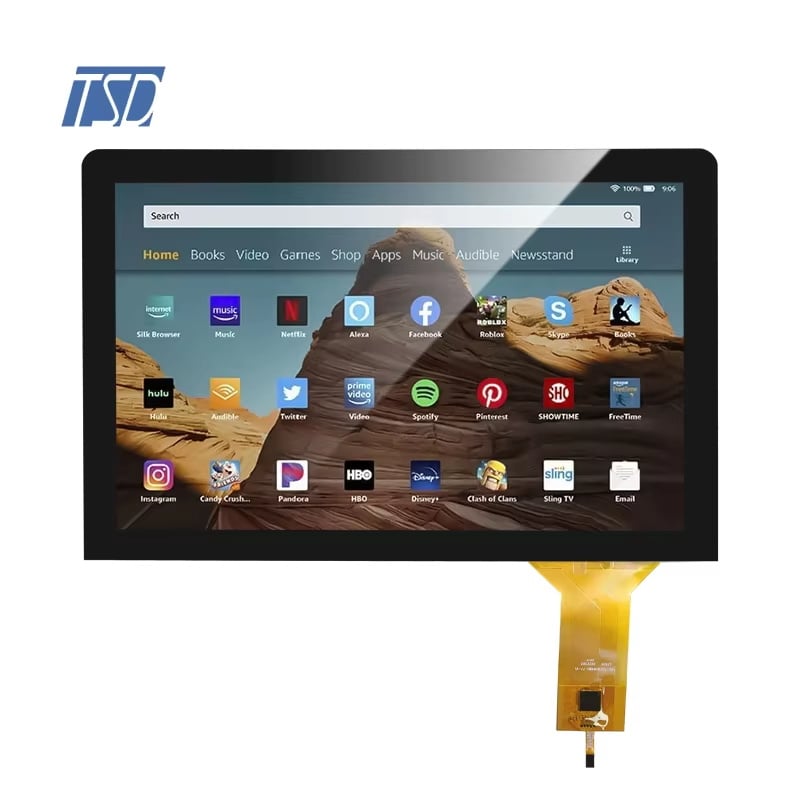
The modern smart home revolution has transformed how we interact with our living spaces, and at the heart of this transformation are LCD displays that serve as the primary interface between users and their connected devices. These versatile visual components have evolved from simple monochrome screens to sophisticated, high-resolution panels that enable intuitive control and monitoring of everything from thermostats to security systems. LCD displays have become indispensable in smart home applications because they offer the perfect combination of energy efficiency, visual clarity, and cost-effectiveness that homeowners and manufacturers demand. As smart home technology continues to advance, LCD displays are driving innovation by enabling more sophisticated user interfaces, real-time data visualization, and seamless integration across multiple device platforms.
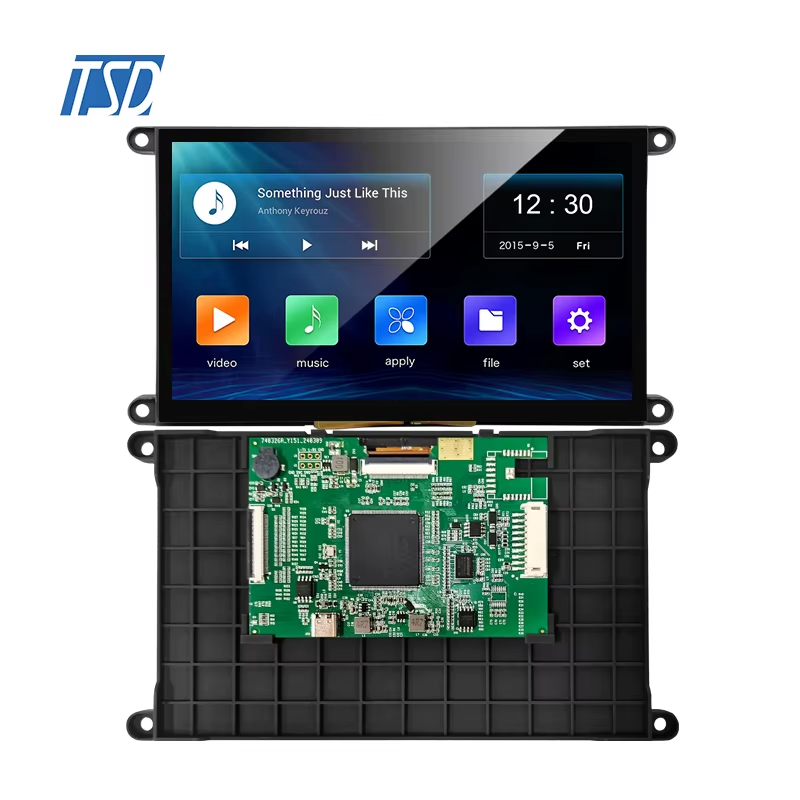
The Foundation of Smart Home Interface Technology
Evolution from Basic to Advanced Display Systems
Smart home devices have undergone a remarkable transformation over the past decade, with LCD displays playing a pivotal role in this evolution. Early smart home interfaces relied on basic LED indicators and simple seven-segment displays that provided limited information to users. However, as consumer expectations grew and technology advanced, manufacturers began incorporating more sophisticated LCD displays that could present complex information in an easily digestible format. These advanced displays now feature full-color capabilities, touch-sensitive surfaces, and high-resolution graphics that rival smartphone screens in terms of clarity and responsiveness.
The transition to modern LCD displays in smart home devices has enabled manufacturers to create more intuitive user experiences that require minimal learning curves. Unlike traditional mechanical controls or basic LED indicators, LCD displays can dynamically change their interface based on context, user preferences, and device status. This adaptability has proven crucial in smart home environments where a single device might need to display temperature readings, security alerts, entertainment controls, and energy consumption data all within the same interface framework.
Technical Advantages in Home Automation
LCD displays offer several technical advantages that make them ideal for smart home applications, particularly in terms of power consumption and longevity. Modern LCD displays consume significantly less power than traditional CRT or plasma displays, making them perfect for always-on smart home devices that need to operate continuously without dramatically impacting household energy bills. This energy efficiency is especially important in battery-powered smart home devices where display power consumption directly affects battery life and maintenance requirements.
The durability and reliability of LCD displays also make them well-suited for the demanding environment of smart homes. These displays can operate effectively across a wide range of temperatures and humidity levels, ensuring consistent performance whether installed in climate-controlled living areas or more challenging environments like garages or outdoor spaces. Additionally, LCD displays maintain their visual quality over extended periods, with many units capable of operating for tens of thousands of hours without significant degradation in brightness or color accuracy.
Integration Capabilities Across Smart Home Ecosystems
Seamless Communication Protocols
Modern LCD displays in smart home devices excel at integrating with various communication protocols that form the backbone of connected home ecosystems. These displays can effectively interface with WiFi networks, Bluetooth connections, Zigbee mesh networks, and proprietary communication standards used by major smart home platforms. The versatility of LCD displays allows them to serve as central hubs that can receive and display information from multiple sources simultaneously, creating a unified interface for homeowners to monitor and control their entire smart home ecosystem.
The integration capabilities of LCD displays extend beyond simple data reception and presentation. Advanced smart home displays can process and analyze incoming data streams, filtering and prioritizing information based on user-defined preferences and situational context. This intelligent processing capability ensures that homeowners receive the most relevant information at the right time, whether it's a security alert during nighttime hours or energy usage recommendations during peak billing periods.
Cross-Platform Compatibility Solutions
One of the greatest challenges in smart home deployment has been ensuring compatibility between devices from different manufacturers, and LCD displays have emerged as a solution to this interoperability challenge. By incorporating standardized communication interfaces and universal display protocols, modern LCD displays can effectively bridge the gap between competing smart home ecosystems. This compatibility ensures that homeowners aren't locked into a single manufacturer's ecosystem and can mix and match devices based on functionality rather than brand loyalty.
The flexibility of LCD displays in handling multiple data formats and communication standards has enabled the development of universal smart home control panels that can manage devices from various manufacturers. These unified interfaces eliminate the need for multiple apps or control systems, streamlining the smart home experience and reducing the technical complexity that often intimidates potential adopters of smart home technology.
User Experience Enhancement Through Visual Innovation
Intuitive Interface Design Principles
LCD displays have revolutionized smart home user interfaces by enabling the implementation of intuitive design principles that mirror familiar consumer electronics experiences. Modern smart home LCD displays incorporate gesture-based navigation, contextual menus, and visual hierarchies that users instinctively understand based on their experience with smartphones and tablets. This familiarity reduces the learning curve associated with new smart home devices and increases user adoption rates across all age groups and technical proficiency levels.
The visual flexibility of LCD displays allows designers to implement adaptive interfaces that change based on time of day, user presence, and system status. For example, a smart thermostat display might show detailed energy usage graphs during the day when users are actively managing their home environment, then switch to a simplified temperature display with larger fonts during nighttime hours to improve visibility in low-light conditions. This contextual adaptation enhances usability while reducing visual clutter and cognitive load.
Real-Time Data Visualization
The ability of LCD displays to present real-time data visualization has transformed how homeowners interact with their smart home systems. Instead of relying on abstract numbers or cryptic status codes, LCD displays can present information through intuitive graphs, charts, and visual indicators that make complex data immediately understandable. Energy consumption patterns, security system status, and environmental conditions can all be represented through clear visual metaphors that require no technical expertise to interpret.
Advanced LCD displays in smart home devices can also implement predictive visualization features that help homeowners anticipate future conditions and make informed decisions. By analyzing historical data and current trends, these displays can show projected energy costs, predicted maintenance schedules, and optimal settings recommendations through clear visual presentations that guide user behavior toward more efficient and effective smart home management.
Energy Efficiency and Environmental Impact
Power Management Optimization
The energy efficiency characteristics of modern LCD displays make them ideal components for environmentally conscious smart home implementations. Advanced LCD displays incorporate sophisticated power management features that automatically adjust brightness levels, refresh rates, and active display areas based on ambient conditions and user interaction patterns. These optimizations can reduce display power consumption by up to 70% compared to always-on maximum brightness operation, contributing significantly to overall household energy savings.
Smart power management in LCD displays also extends to sleep and wake functionality that responds to occupancy sensors and usage patterns. Displays can enter low-power standby modes when rooms are unoccupied, then instantly wake and resume full functionality when users approach or interact with the device. This intelligent power management ensures that LCD displays contribute to smart home energy efficiency goals rather than detracting from them.
Sustainable Manufacturing and Lifecycle
The environmental impact of LCD displays extends beyond their operational energy consumption to encompass their manufacturing processes and end-of-life considerations. Modern LCD displays used in smart home applications are increasingly manufactured using sustainable processes and materials that minimize environmental impact throughout the production lifecycle. Many manufacturers now offer recycling programs specifically for LCD displays, ensuring that these components can be responsibly disposed of or refurbished when they reach the end of their useful life.
The longevity of LCD displays also contributes to their environmental sustainability by reducing replacement frequency and associated waste generation. High-quality LCD displays designed for smart home applications typically offer operational lifespans measured in decades rather than years, making them a sustainable long-term investment for environmentally conscious homeowners. This durability, combined with their energy efficiency, positions LCD displays as environmentally responsible choices for smart home implementations.
Future Trends and Technological Developments
Emerging Display Technologies
The future of LCD displays in smart home applications is being shaped by emerging technologies that promise even greater functionality and efficiency. Flexible LCD displays are beginning to enter the smart home market, offering new form factors that can conform to curved surfaces or unusual mounting locations that were previously impossible with rigid display panels. These flexible displays open up new possibilities for integrated smart home interfaces that can be embedded into furniture, appliances, and architectural elements without compromising aesthetic design.
Advanced LCD displays are also incorporating new backlighting technologies that improve color accuracy, reduce power consumption, and extend operational lifespan. Quantum dot enhancement and mini-LED backlighting systems are beginning to appear in high-end smart home LCD displays, offering color reproduction capabilities that rival OLED technology while maintaining the cost advantages and reliability characteristics that make LCD displays attractive for smart home applications.
Integration with Artificial Intelligence
The integration of artificial intelligence capabilities with LCD displays is creating new opportunities for smart home innovation. AI-powered LCD displays can learn user preferences and behavior patterns, automatically adjusting their interface presentation and information priorities to match individual user needs. This personalization extends to family members with different preferences, allowing displays to recognize users and adapt their presentation accordingly.
Machine learning algorithms integrated with LCD displays are also enabling predictive maintenance and system optimization features that can identify potential issues before they become problems. By analyzing usage patterns and system performance data, these intelligent displays can alert homeowners to maintenance needs, suggest efficiency improvements, and even automatically optimize system settings to improve performance and reduce energy consumption.
FAQ
What makes LCD displays better than other display technologies for smart home devices?
LCD displays offer superior energy efficiency, cost-effectiveness, and reliability compared to other display technologies in smart home applications. They consume less power than OLED displays, cost less than high-end display technologies, and provide excellent longevity with consistent performance over many years of continuous operation. Their ability to operate effectively across wide temperature ranges also makes them ideal for various smart home installation environments.
How do LCD displays integrate with existing smart home ecosystems?
Modern LCD displays support multiple communication protocols including WiFi, Bluetooth, Zigbee, and proprietary smart home standards, enabling seamless integration with existing ecosystems. They can serve as universal interfaces that display information from multiple device manufacturers and platforms, eliminating the need for separate control apps and creating unified smart home management experiences.
What are the key factors to consider when selecting LCD displays for smart home applications?
Important selection criteria include resolution and screen size appropriate for the intended viewing distance, communication protocol compatibility with existing smart home devices, power consumption characteristics for battery-powered applications, environmental operating specifications for installation location, and touch capability requirements for interactive applications. Additionally, consideration should be given to expected lifespan and manufacturer support for firmware updates.
How do LCD displays contribute to smart home energy efficiency?
LCD displays contribute to energy efficiency through low-power operation, intelligent brightness adjustment based on ambient conditions, automatic sleep modes when not in use, and by enabling more effective monitoring and control of other energy-consuming devices in the home. Their ability to display real-time energy usage information also helps homeowners make more informed decisions about energy consumption patterns and optimization opportunities.
Table of Contents
- The Foundation of Smart Home Interface Technology
- Integration Capabilities Across Smart Home Ecosystems
- User Experience Enhancement Through Visual Innovation
- Energy Efficiency and Environmental Impact
- Future Trends and Technological Developments
-
FAQ
- What makes LCD displays better than other display technologies for smart home devices?
- How do LCD displays integrate with existing smart home ecosystems?
- What are the key factors to consider when selecting LCD displays for smart home applications?
- How do LCD displays contribute to smart home energy efficiency?