
 EN
EN



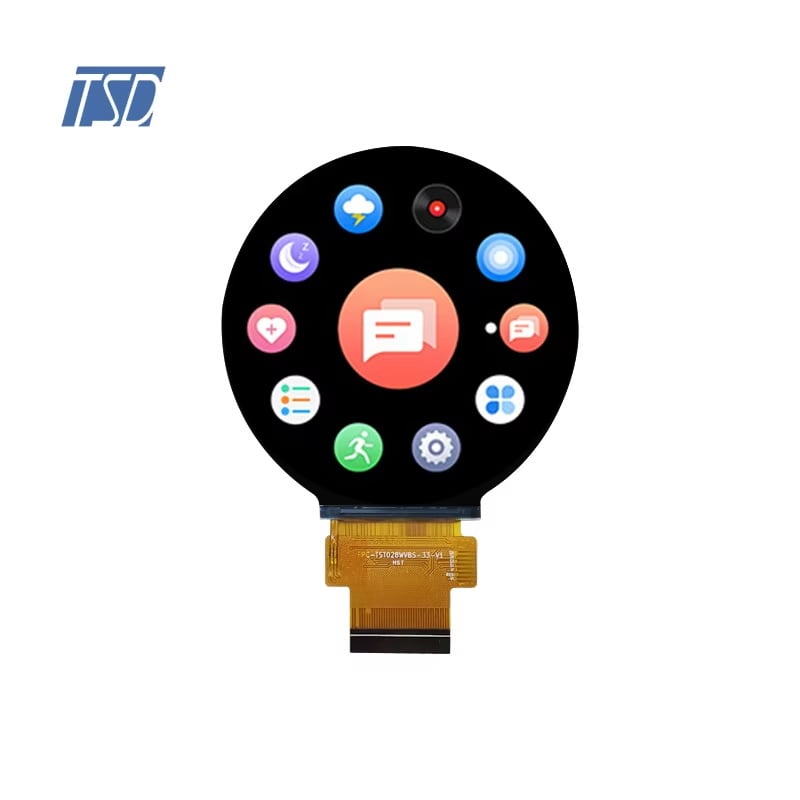
Industrial PC manufacturers require reliable, cost-effective display solutions that can withstand demanding environments while delivering precise user interaction. The pcap touch technology has become the gold standard for industrial applications, offering superior durability, multi-touch capability, and excellent responsiveness across diverse operating conditions. Wholesale pcap providers now deliver standardized, high-volume solutions that enable OEM manufacturers to integrate advanced touch interfaces without bearing the burden of custom development or excessive per-unit costs. Understanding how to source and integrate pcap solutions directly impacts manufacturing efficiency, product competitiveness, and end-user satisfaction.

For industrial PC makers, sourcing wholesale pcap panels represents a strategic decision that balances quality, volume flexibility, and long-term supply chain stability. Modern pcap touch screen technology eliminates the need for moving mechanical components, reducing maintenance costs and extending device lifespan in factory floors, medical facilities, and transport environments. Wholesale pcap suppliers now offer modular designs that fit standard form factors, allowing OEMs to integrate touch capability into existing chassis designs with minimal engineering effort. This article explores how industrial manufacturers can evaluate, select, and implement wholesale pcap solutions for competitive product differentiation.
Understanding Wholesale PCAP Technology for Industrial Applications
Core Technology Behind PCAP Touch Screens
Projective Capacitive technology, commonly referred to as pcap, measures changes in electrical fields created by the human body approaching the display surface. Unlike resistive touch technology, pcap requires no physical pressure, enabling responsive, intuitive interaction even with gloved hands—a critical requirement in industrial settings. Wholesale pcap panels integrate multiple layers of conductive coating and electrode matrices that work together to detect touch position with sub-millimeter accuracy. This pcap design also supports simultaneous multi-touch input, allowing operators to execute complex gestures and improve workflow efficiency on production lines.
Why Industrial PC Makers Choose PCAP Solutions
Industrial PC manufacturers select pcap over alternative touch technologies because of superior durability, resistance to environmental contamination, and lower total cost of ownership over device lifespans of five to ten years. The pcap touch interface remains functional across extreme temperature ranges, high humidity environments, and spaces with airborne particulates where other touch technologies degrade rapidly. Wholesale pcap suppliers standardize manufacturing processes, driving down unit costs while maintaining quality consistency—an essential advantage for OEMs producing devices in high volumes. Additionally, pcap technology integrates seamlessly with standard interfaces like USB and I2C, reducing integration complexity and accelerating time-to-market for new industrial PC models.
Strategic Benefits of Wholesale PCAP for OEM Manufacturing
Cost Efficiency and Volume Flexibility
Sourcing wholesale pcap touch screen panels enables industrial PC makers to achieve significant per-unit cost reductions while maintaining flexibility in production volumes. Wholesale pcap suppliers maintain standardized component inventories, allowing OEMs to place orders ranging from hundreds to thousands of units without negotiating custom manufacturing or minimum quantity thresholds that would strain cash flow. The pcap wholesale model also shifts supply chain risk to specialized vendors, freeing OEM engineering teams to focus on system integration, software optimization, and market differentiation rather than component procurement logistics. This cost efficiency allows smaller and mid-sized industrial PC manufacturers to compete against larger players by accelerating product innovation cycles and reducing capital investment requirements.
Rapid Integration and Time-to-Market
Industrial PC manufacturers benefit from accelerated development timelines when integrating wholesale pcap panels into new product designs. Standardized pcap modules come pre-calibrated with documented specifications, eliminating the need for extended prototype testing and iterative design refinement common with custom touch solutions. Wholesale pcap suppliers provide comprehensive technical documentation, driver support, and troubleshooting resources that enable OEM engineering teams to move from design phase to production-ready systems in months rather than years. This rapid integration capability allows industrial PC makers to respond quickly to emerging market demands—whether in factory automation, healthcare, retail, or transportation sectors—while competitors remain locked in lengthy custom development cycles.
Practical Implementation and Long-Term Support Considerations
Integration Architecture and Interface Standards
Modern wholesale pcap touch screen solutions support multiple connectivity protocols, with USB and I2C interfaces becoming industry standard for industrial applications. OEM manufacturers select pcap panel configurations based on specific display sizes, resolution requirements, and environment-specific durability ratings—from standard office-grade panels to ruggedized pcap units rated for washdown environments or explosive atmospheres. The pcap touch integration architecture typically requires minimal changes to existing industrial PC hardware, as touch controller firmware and calibration algorithms are usually handled by third-party software development kits provided by wholesale pcap suppliers. Engineering teams must validate pcap performance under actual operating conditions, including extreme temperatures, electromagnetic interference from nearby machinery, and extended storage periods before initial deployment.
Supply Chain Continuity and Support Infrastructure
Industrial PC manufacturers must evaluate wholesale pcap suppliers based on supply chain transparency, component traceability, and long-term availability commitments spanning the expected product lifecycle. Wholesale pcap providers should offer multi-year component availability guarantees, ensuring that replacement panels remain accessible even as production volumes fluctuate or market demand shifts. The pcap supplier's technical support infrastructure—including documentation accessibility, responsive engineering support, and firmware update protocols—directly impacts the OEM's ability to troubleshoot field issues, reduce customer support costs, and maintain product reputation. Establishing preferred vendor relationships with reliable wholesale pcap suppliers creates competitive advantage through preferential pricing, priority allocation during component shortages, and collaborative product development opportunities.
FAQ
What makes pcap technology superior to resistive touch for industrial environments?
PCAP touch technology eliminates the need for physical pressure, operates reliably with gloved hands, and resists environmental contamination—making it ideal for factories, medical facilities, and harsh conditions where resistive screens degrade quickly. Wholesale pcap panels maintain accuracy across temperature extremes and humidity levels that render resistive alternatives unreliable, delivering consistent user experience and reducing replacement costs over the device lifespan. The pcap multi-touch capability also enables advanced gestures that improve operator efficiency compared to single-touch resistive alternatives.
How do OEMs reduce costs when sourcing wholesale pcap panels?
Industrial PC makers reduce per-unit pcap costs through volume purchasing agreements, standardized module selection, and long-term supplier partnerships that eliminate custom engineering charges and minimum order penalties. Wholesale pcap suppliers provide tiered pricing structures rewarding higher volumes while maintaining competitive rates for mid-sized orders, enabling OEMs to balance inventory management with unit cost optimization. Selecting standardized pcap configurations—rather than requesting custom sizes or interface modifications—further reduces supplier production overhead, creating cost savings passed directly to manufacturing partners.
What support and documentation should wholesale pcap suppliers provide?
Reliable wholesale pcap providers deliver comprehensive technical datasheets, driver software development kits, calibration protocols, and responsive engineering support channels that accelerate OEM integration timelines. The pcap supplier documentation should include performance specifications across environmental ranges, troubleshooting guides addressing common integration challenges, and firmware update procedures ensuring compatibility with evolving industrial PC operating systems. Long-term support commitment—spanning the entire product lifecycle—demonstrates wholesale pcap supplier reliability and protects OEM investments in product lines utilizing their touch technology.