
 EN
EN



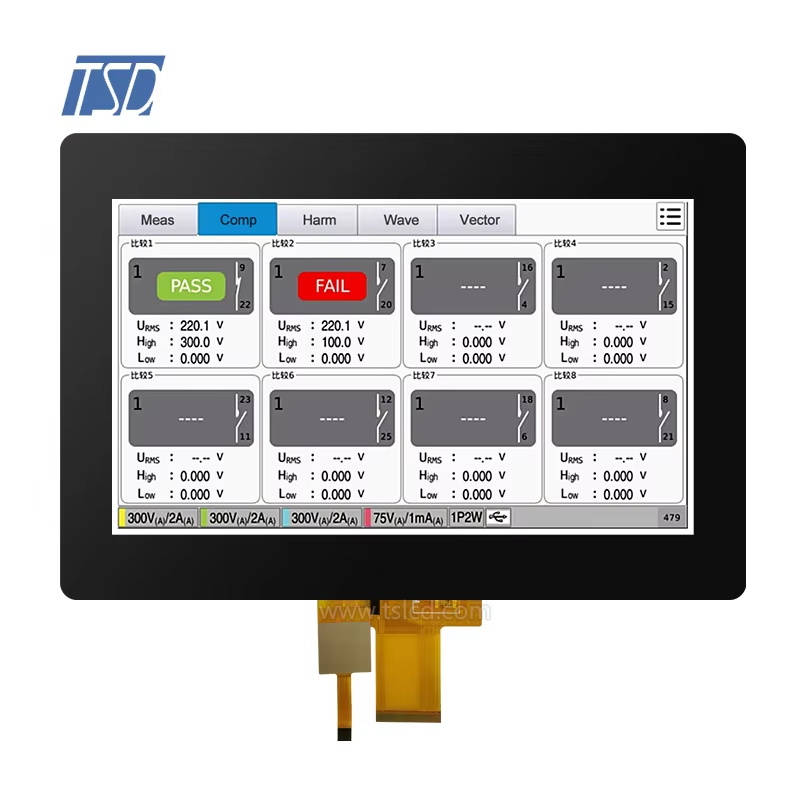
The evolution of display technology has revolutionized how we interact with electronic devices, particularly in the rapidly expanding wearable and mobile device markets. TFT LCD technology stands at the forefront of this transformation, offering unparalleled visual quality, energy efficiency, and compact form factors that make it the preferred choice for manufacturers worldwide. As consumer demands continue to push the boundaries of what portable devices can achieve, understanding the fundamental advantages of TFT LCD displays becomes crucial for both developers and end-users seeking optimal visual experiences in their daily digital interactions.
Advanced Display Technology Features
Superior Color Reproduction and Clarity
TFT LCD displays excel in delivering exceptional color accuracy and visual clarity that surpasses traditional display technologies. The thin-film transistor architecture enables precise control over individual pixels, resulting in vibrant color reproduction with excellent contrast ratios. This technological advantage becomes particularly evident in mobile and wearable applications where screen real estate is limited, yet users expect crisp, readable content under various lighting conditions. The active matrix design inherent in TFT LCD technology ensures consistent brightness levels across the entire display surface, eliminating the uneven illumination issues commonly associated with passive matrix displays.
Modern TFT LCD panels incorporate advanced color filtering techniques that enhance the overall visual experience while maintaining power efficiency. The integration of specialized backlight systems with TFT LCD technology creates displays capable of producing wide color gamuts that closely match professional color standards. This capability proves essential for wearable devices used in photography, video content creation, or any application requiring accurate color representation. The inherent stability of TFT LCD technology also ensures consistent color performance over extended periods, making it ideal for devices that must maintain visual quality throughout their operational lifespan.
Enhanced Response Times and Refresh Rates
The rapid response characteristics of TFT LCD displays make them particularly suitable for dynamic content presentation in mobile and wearable applications. Advanced manufacturing processes have significantly reduced pixel switching times, enabling smooth motion rendering and eliminating ghosting artifacts that can detract from user experience. This improved responsiveness becomes critical in applications such as fitness tracking displays, gaming devices, and interactive wearable interfaces where fluid visual feedback enhances user engagement and functionality.
Higher refresh rates achievable with TFT LCD technology contribute to reduced eye strain and improved visual comfort during extended use periods. The ability to update display content at frequencies that exceed standard video frame rates ensures smooth scrolling, seamless transitions, and responsive touch interactions that users expect from modern portable devices. These performance characteristics make TFT LCD an ideal choice for applications requiring real-time data visualization, such as health monitoring devices, navigation systems, and communication interfaces where immediate visual feedback is essential for optimal user experience.
Power Efficiency and Battery Life Optimization
Low Power Consumption Architecture
Power efficiency represents one of the most compelling advantages of TFT LCD technology for battery-powered mobile and wearable devices. The inherent design of TFT LCD panels incorporates energy-efficient transistor switching mechanisms that minimize power consumption during both active display periods and standby modes. This efficiency becomes particularly important in wearable devices where battery capacity constraints require careful power management to achieve acceptable operational durations between charging cycles.
Advanced TFT LCD implementations utilize sophisticated power management techniques including dynamic backlight adjustment, selective pixel activation, and optimized driving circuits that reduce overall energy consumption without compromising display quality. The ability to dim or completely disable backlight illumination in ambient light conditions further extends battery life while maintaining readability. These power optimization features enable wearable device manufacturers to achieve longer operational periods while maintaining compact form factors that consumers demand in portable electronic products.
Intelligent Brightness Control Systems
Modern TFT LCD displays incorporate ambient light sensors and adaptive brightness control algorithms that automatically adjust display illumination based on environmental conditions. This intelligent approach to brightness management not only enhances user comfort but also contributes significantly to power conservation by preventing unnecessary energy consumption in well-lit environments. The seamless integration of these control systems ensures optimal viewing conditions while maximizing battery performance across diverse usage scenarios.
The implementation of content-aware brightness adjustment in TFT LCD displays further optimizes power consumption by analyzing displayed content and adjusting illumination levels accordingly. Dark content requires less backlight intensity, while bright graphics may need increased illumination for optimal visibility. This dynamic approach to power management enables wearable and mobile devices to achieve superior battery life performance while maintaining excellent display quality standards that users expect from premium portable electronic products.
Form Factor Flexibility and Design Integration
Compact Profile and Lightweight Construction
The thin profile achievable with TFT LCD technology makes it exceptionally well-suited for space-constrained applications common in wearable and mobile device designs. Manufacturing advances have enabled the production of TFT LCD panels with remarkably reduced thickness while maintaining structural integrity and display performance. This miniaturization capability allows device designers to create sleeker, more comfortable wearable products that users can wear for extended periods without experiencing discomfort or bulk.
Weight reduction represents another crucial advantage of TFT LCD technology in portable device applications. The lightweight construction of modern TFT LCD panels contributes to overall device portability and user comfort, particularly important factors in wearable electronics where every gram matters. The combination of thin profiles and reduced weight enables manufacturers to incorporate larger display areas without significantly impacting device portability or user comfort levels.
Flexible Integration Options
TFT LCD displays offer extensive integration flexibility that accommodates diverse design requirements in mobile and wearable applications. Various interface options including SPI, RGB, and MIPI protocols enable seamless connectivity with different microcontroller and processor architectures commonly used in portable electronic devices. This connectivity versatility simplifies the design process and reduces development costs while ensuring reliable communication between display and control systems.
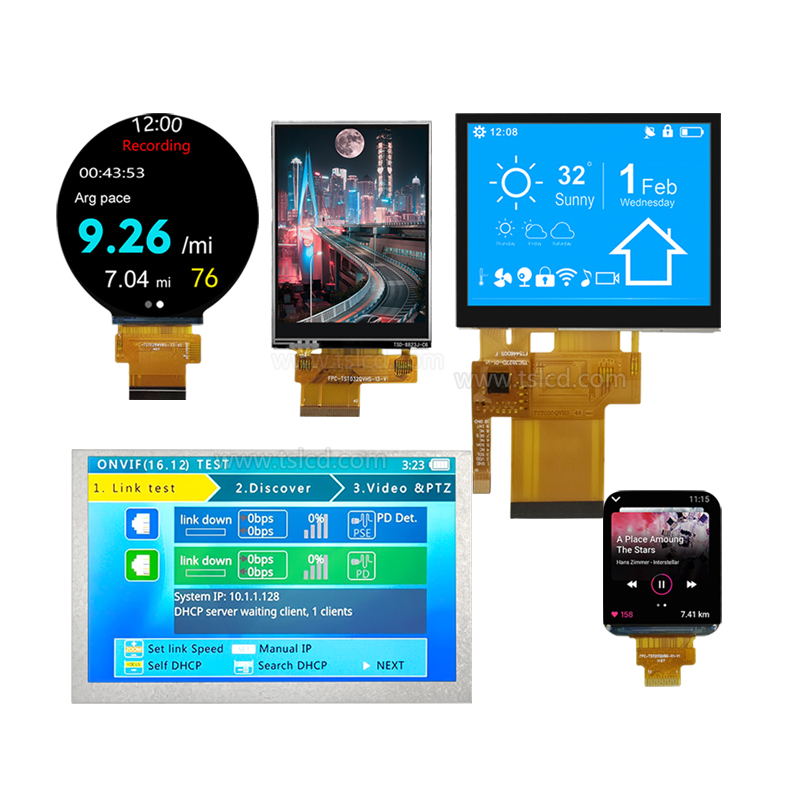
The availability of TFT LCD panels in numerous sizes, resolutions, and form factors provides designers with extensive options for creating customized solutions that meet specific application requirements. From circular displays for smartwatches to rectangular screens for mobile devices, TFT LCD technology adapts to various geometric constraints while maintaining consistent performance characteristics. This design flexibility enables manufacturers to differentiate their products while leveraging proven display technology that delivers reliable performance across diverse operating conditions.
Durability and Environmental Resistance
Robust Construction for Daily Use
TFT LCD displays demonstrate exceptional durability characteristics that make them ideal for mobile and wearable applications where devices face daily physical stresses. The solid-state construction of TFT LCD technology eliminates moving parts that could fail under vibration or impact conditions commonly encountered in portable electronics. This inherent robustness ensures consistent display performance even when devices experience drops, bumps, or other mechanical stresses during normal use.
Advanced protective coatings and strengthened glass substrates further enhance the durability of TFT LCD displays in demanding applications. These protective measures resist scratching, chemical damage, and impact forces that could otherwise compromise display integrity or visual quality. The combination of robust internal construction and external protection makes TFT LCD technology particularly suitable for outdoor wearable devices, rugged mobile equipment, and other applications where reliability under adverse conditions is essential.
Wide Operating Temperature Range
The stable operating characteristics of TFT LCD displays across wide temperature ranges make them suitable for diverse environmental conditions encountered in mobile and wearable applications. From cold outdoor environments to warm indoor spaces, TFT LCD technology maintains consistent performance without degradation in color accuracy, brightness, or response times. This temperature stability proves crucial for wearable devices that must function reliably regardless of seasonal weather conditions or geographic locations.
Specialized TFT LCD implementations designed for extreme temperature applications extend operational ranges even further, enabling deployment in industrial, automotive, or specialized environments where conventional displays might fail. The inherent stability of liquid crystal materials combined with advanced temperature compensation techniques ensures reliable operation across extended temperature ranges while maintaining the visual quality standards expected in consumer electronic products.
Cost-Effectiveness and Manufacturing Scalability
Established Manufacturing Infrastructure
TFT LCD technology benefits from decades of manufacturing refinement and established production infrastructure that enables cost-effective mass production of high-quality displays. The mature manufacturing processes associated with TFT LCD production result in consistent yields, predictable costs, and reliable supply chains that device manufacturers depend upon for successful product launches. This manufacturing maturity translates directly into competitive pricing for end products while maintaining the quality standards required for consumer acceptance.
The scalability of TFT LCD manufacturing processes accommodates both high-volume production runs and specialized low-volume applications, providing flexibility for manufacturers serving diverse market segments. Established supply chains and standardized manufacturing equipment reduce development risks and enable faster time-to-market for new product introductions. This manufacturing ecosystem supports the rapid innovation cycles characteristic of mobile and wearable device markets while maintaining cost structures that enable competitive pricing strategies.
Economic Advantages for Product Development
The cost-effectiveness of TFT LCD technology enables device manufacturers to allocate development resources toward other product features while maintaining high-quality display capabilities. Lower display costs create opportunities for enhanced functionality, improved battery systems, or additional sensors that contribute to overall product value without significantly impacting retail pricing. This economic advantage proves particularly important in competitive market segments where pricing pressure requires careful balance between features and costs.
Standardized TFT LCD interfaces and control systems reduce development complexity and associated engineering costs compared to proprietary display technologies. The availability of reference designs, development tools, and technical support from established suppliers accelerates product development cycles while reducing the risk of design errors or compatibility issues. These economic benefits make TFT LCD technology an attractive choice for startups and established manufacturers alike, enabling innovation while controlling development costs and time-to-market pressures.
FAQ
How does TFT LCD compare to OLED displays for wearable devices
TFT LCD displays offer several advantages over OLED technology for wearable applications, including superior outdoor visibility, longer lifespan, and more stable color reproduction over time. While OLED displays provide deeper blacks and potentially better contrast ratios, TFT LCD technology delivers consistent brightness levels and color accuracy that remain stable throughout the device lifetime. The power consumption characteristics vary depending on content, with TFT LCD generally consuming less power when displaying bright content, which is common in user interface applications. Additionally, TFT LCD displays typically cost less to manufacture and integrate, making them attractive for cost-sensitive wearable device applications.
What resolution capabilities are available in small TFT LCD displays
Modern small TFT LCD displays for wearable and mobile applications are available in resolutions ranging from basic 128x128 pixels up to high-definition formats exceeding 400x400 pixels in compact form factors. Popular resolution options include 240x320, 172x320, and 390x390 pixels, with some specialized applications supporting even higher pixel densities. The choice of resolution depends on specific application requirements, with higher resolutions enabling more detailed graphics and text display but potentially consuming more power and processing resources. Manufacturers continue advancing pixel density capabilities, making high-resolution displays increasingly viable for small wearable devices.
How long can TFT LCD displays operate in wearable devices
The operational lifespan of TFT LCD displays in wearable devices typically exceeds 50,000 hours of active use under normal operating conditions, which translates to several years of typical device usage patterns. Factors affecting lifespan include operating temperature, brightness levels, and usage patterns, with moderate brightness settings and temperature-controlled environments extending display life. The backlight system often represents the limiting factor for display longevity, though LED backlights commonly used in modern TFT LCD displays offer exceptional durability and gradual degradation rather than sudden failure. Proper power management and thermal design contribute significantly to achieving maximum display lifespan in wearable applications.
What interface options are available for connecting TFT LCD displays to microcontrollers
TFT LCD displays support multiple interface standards including SPI, RGB parallel, and MIPI-DSI connections, providing flexibility for different microcontroller architectures and design requirements. SPI interfaces offer simple implementation with minimal pin count requirements, making them popular for resource-constrained applications. RGB parallel interfaces provide higher data throughput for applications requiring rapid display updates or high-resolution content. MIPI-DSI interfaces deliver advanced features and high-speed data transfer capabilities suitable for complex graphics applications. The choice of interface depends on factors including data transfer requirements, pin availability, and processing capabilities of the target microcontroller or processor system.