
 EN
EN



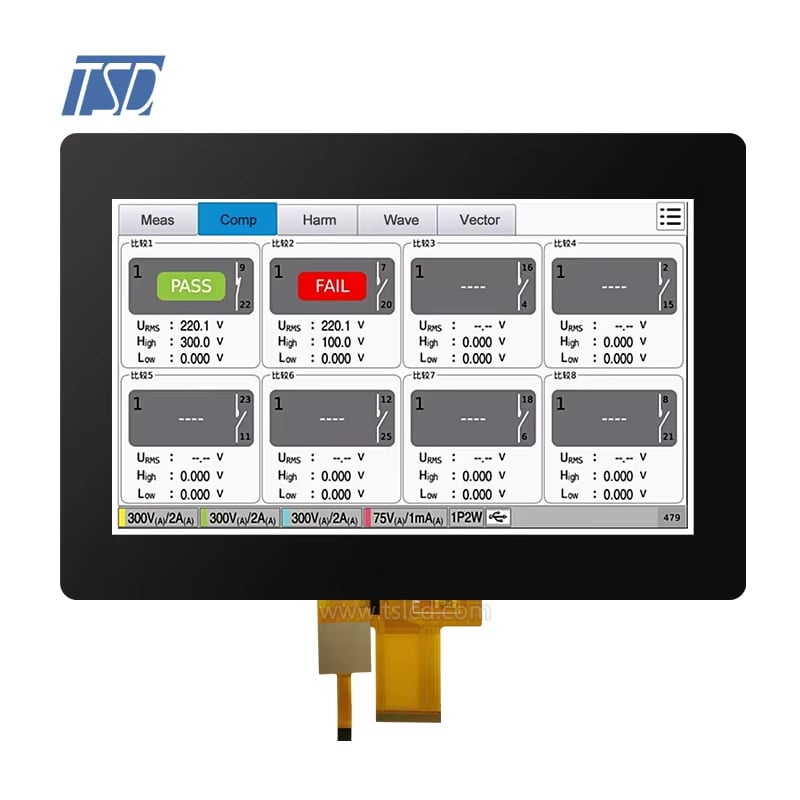
Selecting the right PCAP touch screen panel supplier is critical for businesses deploying point-of-sale terminals across retail environments. PCAP technology has become the industry standard for interactive displays due to its superior touch sensitivity, durability, and responsiveness in demanding commercial settings. A reliable PCAP touch screen panel supplier ensures your POS terminals deliver consistent performance, minimize downtime, and meet customer expectations for smooth, accurate transactions.
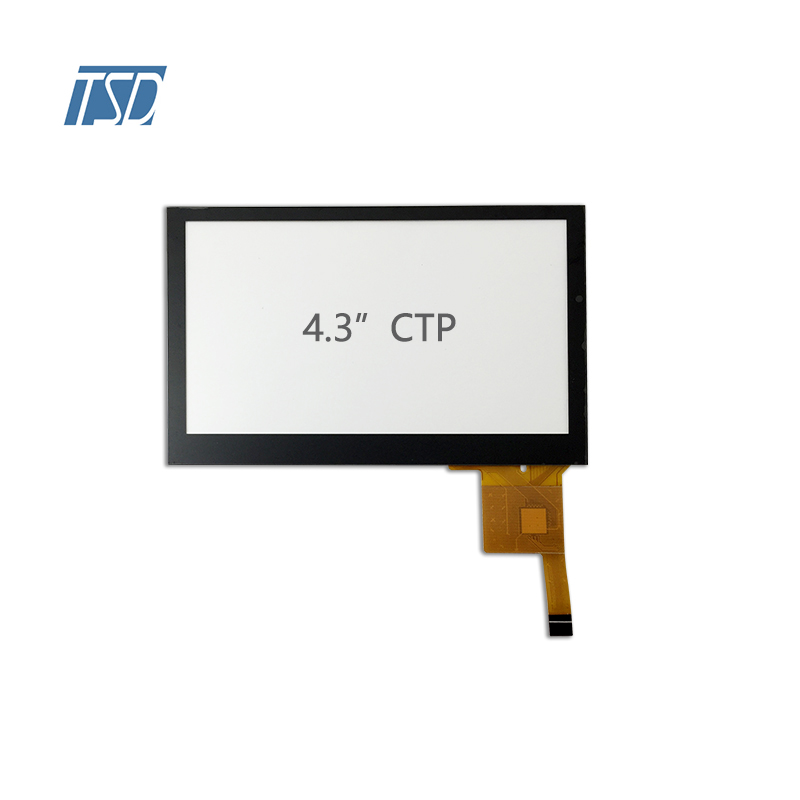
The quality of your PCAP touch screen panel supplier directly impacts your operational efficiency and customer satisfaction. When you partner with a trusted PCAP supplier, you gain access to panels engineered for high-traffic retail environments, backed by technical support and reliable delivery schedules. Understanding what differentiates top-tier PCAP suppliers helps you make informed purchasing decisions that protect your investment and support long-term business growth.
Why PCAP Technology Dominates Modern POS Systems
Superior Touch Responsiveness and Accuracy
PCAP technology excels where traditional touch solutions fall short. A quality PCAP touch screen panel maintains precise touch recognition across millions of interaction cycles, making it ideal for busy checkout counters and customer-facing kiosks. PCAP panels detect touch through electrical capacitance rather than physical pressure, eliminating the wear and degradation associated with resistive alternatives. Your PCAP supplier should emphasize this technological advantage because it directly translates to fewer false inputs, faster transaction processing, and improved customer experience at every touchpoint.
Durability in High-Demand Retail Environments
Retail POS terminals face relentless daily use, exposure to moisture, cleaning chemicals, and temperature fluctuations. A dependable PCAP touch screen panel supplier provides displays engineered to withstand these harsh conditions without performance degradation. PCAP panels feature robust glass surfaces that resist scratching and maintain optical clarity over years of operation. When evaluating a PCAP supplier, request detailed specifications on environmental tolerance, expected lifespan, and maintenance requirements to ensure your investment delivers consistent returns throughout the product lifecycle.
Key Selection Criteria for Your PCAP Touch Screen Panel Supplier
Technical Specifications and Customization Capabilities
Your ideal PCAP touch screen panel supplier offers flexibility in display sizes, resolutions, and interface options tailored to your specific POS hardware requirements. PCAP panels come in various screen diagonals and configurations, and a knowledgeable PCAP supplier can guide you toward options that balance functionality, space constraints, and cost efficiency. Request information about available touch sensitivity levels, multi-touch capabilities, and integration with your existing systems. A supplier who understands your technical requirements and offers customization demonstrates they prioritize long-term partnership rather than one-time transactions.
Supply Chain Reliability and Support Infrastructure
Production delays ripple through your entire operation, making supply chain reliability essential when choosing a PCAP touch screen panel supplier. Evaluate whether your PCAP supplier maintains adequate inventory, offers expedited shipping options, and provides transparent order tracking. Beyond procurement, a strong PCAP supplier includes technical support resources, installation guidance, and troubleshooting documentation that reduce deployment friction. Ask about their response time for warranty claims and replacement procedures. A trustworthy PCAP supplier stands behind their products with service commitments that protect your revenue streams.
Optimizing POS Performance Through Quality PCAP Integration
Implementation Best Practices for PCAP Panels
Proper integration of PCAP touch screen panels requires attention to calibration, driver installation, and environmental conditions. Your PCAP touch screen panel supplier should provide detailed installation guides and calibration tools specific to their products. PCAP panels perform optimally when installed in environments between 0–50 degrees Celsius with humidity levels below eighty-five percent. Partner with a PCAP supplier who educates your technical team on these parameters and provides ongoing support as you scale deployments across multiple locations. This collaborative approach minimizes startup issues and accelerates your time to full operational efficiency.
Long-Term Cost Considerations and ROI
While initial purchase price matters, total cost of ownership depends on durability, replacement cycles, and support expenses. A premium PCAP touch screen panel supplier may charge more upfront but delivers lower failure rates and extended service life that justify the investment. Calculate the true cost by factoring in maintenance overhead, potential downtime losses, and customer satisfaction impacts. PCAP technology's longevity and reliability create measurable ROI advantages over budget alternatives. When evaluating PCAP suppliers, request case studies or references from retailers similar to your operation to validate performance claims with real-world data.
FAQ
What makes PCAP technology superior to resistive touch screens for POS terminals?
PCAP touch technology detects touch through electrical capacitance rather than pressure, enabling faster response times, superior accuracy, and multi-touch capability without physical contact requirements. Unlike resistive displays that degrade with repeated pressing, PCAP panels maintain consistent performance through millions of interactions. For high-volume POS environments, this durability advantage translates to lower replacement costs and reduced transaction errors. A PCAP touch screen panel supplier can demonstrate these benefits through technical comparisons and performance benchmarks specific to retail applications.
How do I identify a reliable PCAP touch screen panel supplier?
A trustworthy PCAP supplier demonstrates industry certifications, provides detailed product documentation, offers responsive customer support, and maintains transparent pricing without hidden fees. Verify their manufacturing credentials, request samples for testing in your environment, and check references from established retail clients. Look for suppliers who provide technical training, installation assistance, and warranty programs that cover your specific use cases. Ask about their quality control processes and how they handle defective units to assess their commitment to reliability.
What customization options should I expect from a PCAP supplier?
Leading PCAP suppliers offer flexibility in screen sizes ranging from seven inches to over forty-three inches, resolution options from 480x272 to high-definition standards, and interface choices including VGA, HDMI, and USB connectivity. Some provide bezel customization, mounting options, and integrated card readers or payment interfaces. A PCAP touch screen panel supplier invested in your success should conduct needs assessments and recommend configurations optimized for your specific POS workflow rather than pushing generic off-the-shelf solutions.