
 EN
EN



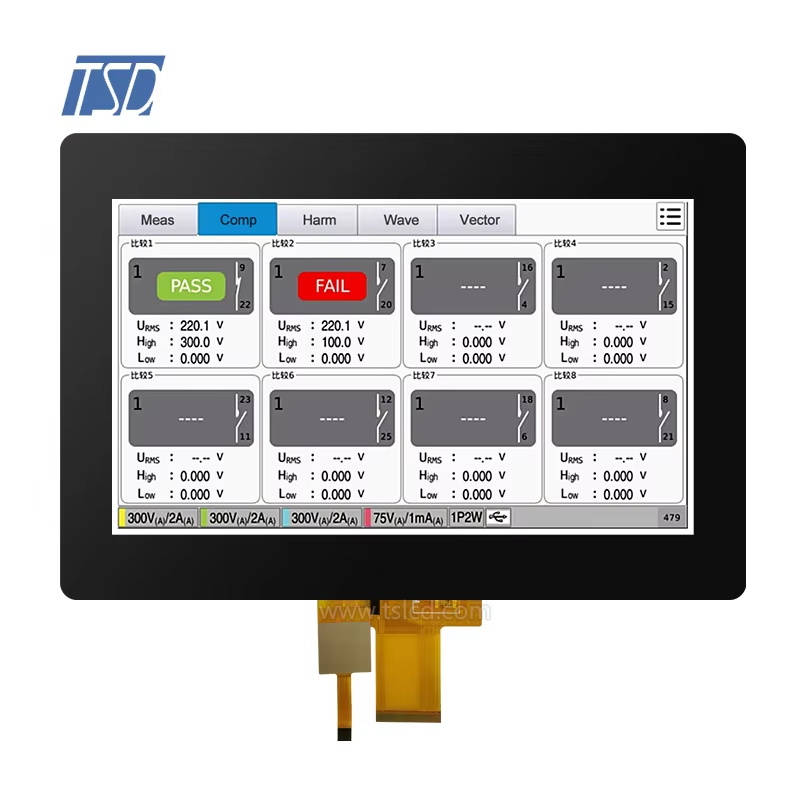
When a product requires a specific visual interface, a standard off-the-shelf panel rarely satisfies the full scope of engineering demands. A custom LCD display offers manufacturers and product designers the freedom to define exact dimensions, viewing angles, segment layouts, contrast levels, and operating temperature ranges without compromise. The ability to tailor every parameter to the application is what makes a custom LCD display the preferred choice across automotive, industrial, medical, and consumer electronics sectors.
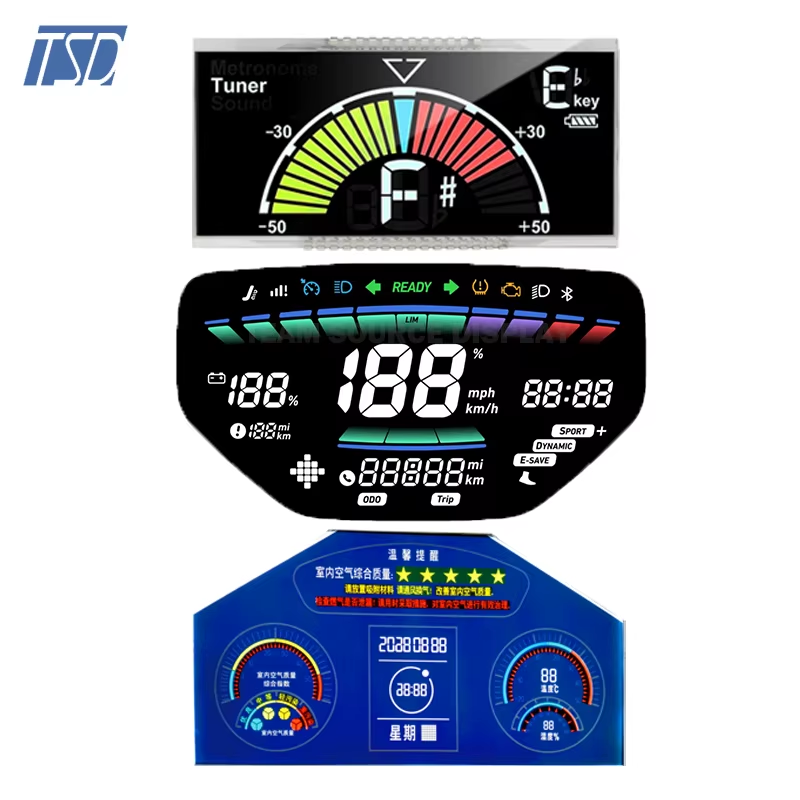
Meeting stringent client specifications for a custom LCD display is not a matter of simply adjusting a template. It requires a disciplined engineering process that spans initial consultation, materials selection, prototype iteration, and final validation. Understanding how manufacturers navigate this process reveals why investing in a well-engineered custom LCD display consistently delivers better product outcomes compared to adapting a generic solution.
Engineering Consultation and Specification Capture
Translating Client Requirements into Display Parameters
The foundation of every successful custom LCD display project is a thorough specification capture process. Clients arrive with functional goals rather than display engineering blueprints. A skilled manufacturer translates these goals into precise display parameters, including active area dimensions, number of segments or pixels, electrode configuration, and backlight type. Every detail matters, because a custom LCD display built to slightly incorrect dimensions or the wrong contrast ratio will fail to meet the product's visual performance requirements.
During consultation, engineers review the operating environment of the custom LCD display. Automotive dashboards face wide temperature swings and vibration. Industrial meters demand readability under direct sunlight. Medical devices require low-power, high-contrast custom LCD display solutions with certified material safety. By capturing these environmental stressors early, manufacturers prevent costly redesigns later in the product lifecycle.
Defining Display Technology for the Application
Not every custom LCD display relies on the same underlying technology. Manufacturers assess whether a TN, HTN, STN, or VA cell type best matches the client's contrast and viewing angle requirements. A custom LCD display for a motorcycle speedometer, for example, demands a wide viewing angle and strong outdoor readability, making VA or STN glass a common recommendation. A custom LCD display in a handheld meter may prioritize low power draw, pointing toward HTN or TN technology. Selecting the correct cell type at the specification stage ensures the final custom LCD display performs exactly as the client envisions.
Prototyping and Iterative Validation
Building the First Custom LCD Display Sample
Once the specification is locked, manufacturers produce an initial prototype of the custom LCD display. This sample demonstrates the actual segment layout, contrast appearance, viewing direction, and electrode connection points. Clients can physically evaluate the custom LCD display against their product chassis, verifying fit, readability, and cosmetic alignment before any mass tooling investment is made. Prototyping a custom LCD display at this stage is the most cost-effective method for catching dimensional errors or segment placement issues.
Manufacturers often produce two to three iterations of the custom LCD display prototype. Each round addresses feedback from the client's engineering and design teams. Segment labels may shift, bezel cutouts may be refined, or the backlight color of the custom LCD display may be adjusted to match the overall product aesthetic. This iterative approach ensures that when the custom LCD display moves into production, every specification has been physically confirmed rather than assumed.
Electrical and Environmental Testing
A custom LCD display prototype undergoes electrical testing to confirm drive voltage compatibility, multiplexing ratio, and segment response time. Manufacturers use dedicated drive IC evaluations to ensure the custom LCD display integrates seamlessly with the client's PCB and firmware. Temperature cycling tests expose the custom LCD display to its rated operating range, confirming that liquid crystal response remains stable and that no seal leakage occurs at thermal extremes. Vibration and shock tests are applied to custom LCD display samples destined for vehicle instrument clusters or industrial equipment, simulating real-world mechanical stress before final approval.
Production Tooling and Quality Assurance
Glass Tooling and Electrode Patterning for a Custom LCD Display
Transitioning from a validated prototype to production requires custom glass tooling. Unlike standard panels, every custom LCD display relies on photolithographic masks that define its unique electrode and segment pattern. These masks are manufactured to micron-level precision, ensuring that each production unit of the custom LCD display replicates the approved prototype exactly. Tooling investment is a one-time cost that enables the custom LCD display to be reproduced consistently across high-volume runs.
Electrode patterning accuracy directly affects the performance of the custom LCD display. Misaligned electrodes create ghost segments or incomplete activation, both of which are unacceptable in a finished product. Manufacturers use automated optical inspection systems to verify electrode continuity and pattern accuracy for every custom LCD display panel produced. This step eliminates defective units before they advance further in the assembly process.
Final Inspection and Client Acceptance
Every custom LCD display shipment is accompanied by a quality report confirming that production samples meet the agreed specification. Manufacturers conduct 100% visual inspection under standardized lighting conditions, checking each custom LCD display for segment completeness, cosmetic defects, and correct polarizer orientation. Electrical function testing ensures that every custom LCD display activates all segments correctly at the specified drive voltage. Clients receive golden sample comparisons as part of incoming quality control, giving them a direct reference point to accept or flag any custom LCD display that deviates from the approved standard. This closed-loop quality process is what allows manufacturers to consistently meet the stringent specifications that demanding applications require.
FAQ
What industries most commonly require a custom LCD display?
A custom LCD display is widely used in automotive instrument clusters, industrial meters, medical devices, home appliances, and portable consumer electronics. Any application that requires a specific shape, segment layout, or environmental rating typically benefits from a purpose-built custom LCD display rather than an adapted standard panel.
How long does it take to develop a custom LCD display from spec to production?
Development timelines for a custom LCD display vary by complexity. A straightforward segment custom LCD display may move from specification to approved sample in four to six weeks, while a more complex graphic or multi-layer custom LCD display can require eight to twelve weeks of engineering and prototyping before production tooling is released.
What information should a client provide when requesting a custom LCD display?
Clients should supply the outline drawing or dimensional requirements, the desired segment layout or content, the operating temperature range, the drive IC or voltage specification, and any relevant certifications. Providing a reference product or sketch significantly accelerates the early stages of custom LCD display engineering and reduces the number of prototype iterations needed.