
 EN
EN



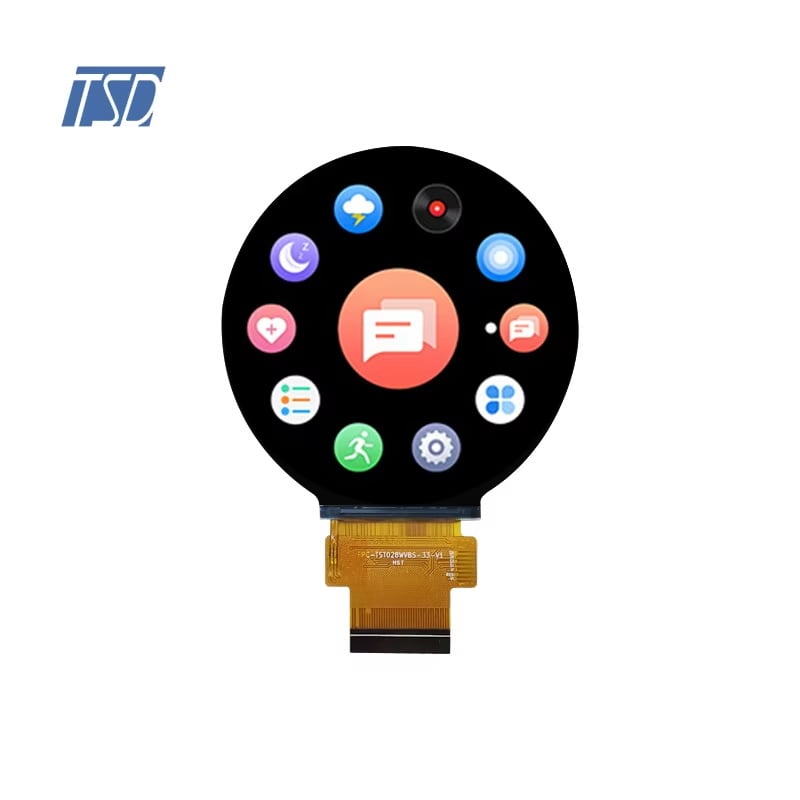
When sourcing display components at scale, choosing the right custom LCD display configuration is one of the most consequential decisions a B2B buyer will make. Backlighting type, glass treatment, and display technology all interact to determine how well the final product performs in its intended environment. For industrial dashboards, automotive clusters, medical instruments, or commercial meters, these choices must be deliberate and specification-driven, not incidental.
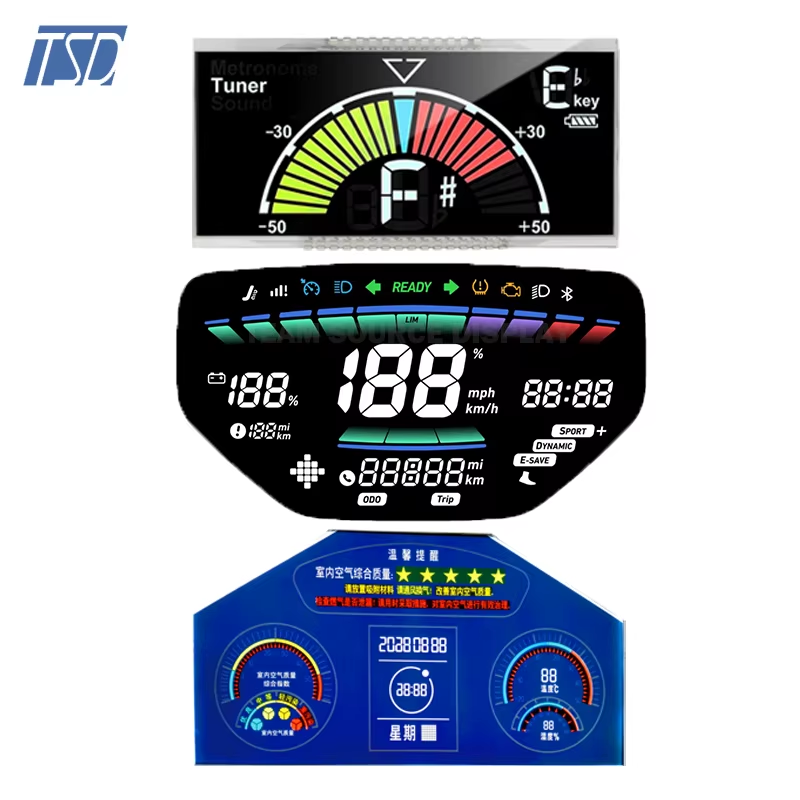
A custom LCD display is not simply a component ordered from a catalog. It is a configured solution that must align with your product's viewing conditions, operating temperature range, power budget, and aesthetic requirements. This article explains the key backlighting and glass options available to B2B clients, how to evaluate them against application demands, and what integration considerations matter most when scaling production.
Backlighting Options for a Custom LCD Display
LED Backlighting and Color Customization
LED backlighting is the dominant choice for any custom LCD display deployed in modern B2B applications. LED arrays offer long operational life, low power consumption, and excellent color uniformity across the active display area. For a custom LCD display used in automotive speedometers or industrial control panels, white LED backlighting provides high contrast and readability in low-light environments. However, many B2B clients require color-matched backlighting to align with product branding or user interface conventions. A custom LCD display can be configured with amber, green, red, or blue LED backlighting to meet these requirements without additional optical filters.
The brightness level of a custom LCD display backlight is measured in nits or candelas per square meter. Applications exposed to direct sunlight, such as outdoor meters or vehicle-mounted displays, typically require a custom LCD display with high-brightness LED backlighting exceeding 500 nits. Indoor applications may use lower-brightness configurations to reduce power draw and extend LED lifespan. Selecting the right brightness tier during the custom LCD display design phase avoids costly retrofits during product validation.
Transflective and Reflective Configurations
Not every custom LCD display requires active backlighting at all times. Transflective custom LCD display configurations combine an internal reflective layer with optional LED backlighting, allowing the panel to remain readable in both bright ambient light and dark environments. This is particularly valuable for portable instruments and outdoor meters where battery life is a constraint. A fully reflective custom LCD display, by contrast, uses ambient light only and eliminates the backlight entirely, making it ideal for ultra-low-power B2B devices such as electronic shelf labels or simple field meters.
Glass and Optical Layer Options
Polarizer and Glass Treatment Choices
The glass and polarizer configuration of a custom LCD display directly affects visibility, durability, and environmental resistance. Standard custom LCD display panels use a linear polarizer bonded to the glass substrate, producing the characteristic dark-on-light or light-on-dark appearance depending on display mode. B2B clients specifying a custom LCD display for outdoor or high-glare environments often request anti-reflective coatings or circular polarizers to reduce surface reflections and improve contrast under bright light.
For a custom LCD display intended for rugged or sealed enclosures, the glass specification becomes a critical structural concern. Tempered glass overlays or chemical-strengthened cover glass can be integrated into a custom LCD display assembly to resist impact, vibration, and pressure. This is especially relevant for motorcycle dashboards, vehicle instrument clusters, and industrial handheld devices where the custom LCD display is subject to mechanical stress during normal operation.
Display Mode Selection: TN, HTN, STN, and VA
Display mode selection defines the optical behavior of a custom LCD display and must be matched to the viewing angle and contrast requirements of the application. TN mode is cost-effective and fast-switching, making it suitable for a custom LCD display used in simple segment readouts with a fixed viewing direction. HTN mode offers improved contrast over standard TN and is commonly used in a custom LCD display for consumer and automotive applications. STN mode provides a wider viewing cone and higher contrast ratio, making it a preferred custom LCD display technology for multi-segment graphic panels and character displays. VA mode delivers the highest contrast ratio of the four and is used in a custom LCD display where deep blacks and vivid character rendering are essential, such as premium instrument clusters and medical readout panels.
Integration and Production Considerations for B2B Clients
Connector, Interface, and Assembly Options
A custom LCD display delivered to a B2B client must be ready for direct integration into the host product. Connector type, zebra strip, flexible printed circuit, or pin header interface must be specified during the custom LCD display design phase to match the PCB layout of the host device. Mismatched connector configurations are one of the most common causes of delay during product assembly. Confirming the interface specification early reduces engineering rework and ensures the custom LCD display fits the mechanical and electrical constraints of the target housing.
Custom LCD display assemblies for volume production may also include pre-bonded optical adhesive layers, protective films, or integrated driver ICs depending on the complexity of the design. B2B clients should communicate target production volumes and assembly line configurations to the custom LCD display supplier so that the panel is delivered in a format compatible with automated placement and soldering processes.
Prototyping, Tooling, and Minimum Order Requirements
Every unique custom LCD display shape or segment layout requires dedicated tooling, including glass cutting masks and segment electrode artwork. B2B clients should budget for tooling costs when requesting a custom LCD display with a non-standard outline or custom segment configuration. Prototyping lead times for a custom LCD display typically range from four to eight weeks depending on display complexity. Discussing minimum order quantities and tooling amortization with the supplier early in the project ensures accurate cost modeling for the custom LCD display across the product lifecycle.
FAQ
What backlighting color options are available for a custom LCD display?
A custom LCD display can be configured with a wide range of LED backlight colors including white, amber, green, blue, and red. The available colors depend on the LED type integrated into the custom LCD display assembly. B2B clients should specify backlight color during the initial design review to ensure the correct LEDs are sourced and qualified for the production run.
Can a custom LCD display be designed for both indoor and outdoor use?
Yes. A transflective custom LCD display with high-brightness LED backlighting is well suited for mixed indoor and outdoor environments. The reflective layer allows the custom LCD display to remain readable in direct sunlight, while the LED backlight ensures visibility in low-light or nighttime conditions. Anti-reflective glass treatments can further improve outdoor performance of the custom LCD display.
How long does it take to develop a custom LCD display from specification to production?
The development timeline for a custom LCD display depends on design complexity, tooling requirements, and approval cycles. A straightforward custom LCD display with standard glass dimensions and a new segment layout typically requires six to ten weeks from specification approval to first production samples. Complex custom LCD display designs with special glass shapes, integrated drivers, or multi-layer optical films may require additional time for tooling fabrication and optical qualification.