
 EN
EN



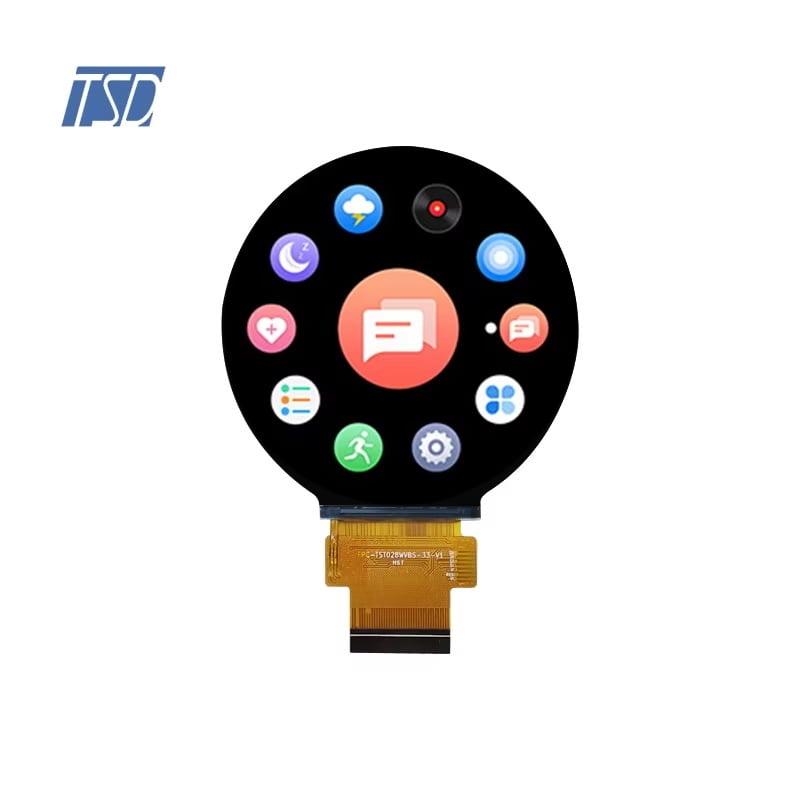
Manufacturing high-quality touch screen displays requires rigorous testing protocols, and pcap technology stands at the forefront of modern touch interface solutions. Pcap, or projected capacitive technology, enables responsive multi-touch functionality that consumers and industrial users rely on daily. For pcap touch screen panel factories, testing multi-touch sensitivity represents one of the most critical quality assurance phases in production. Understanding how these facilities validate pcap panel performance ensures that devices meet strict specifications and deliver consistent user experiences across millions of units manufactured annually.
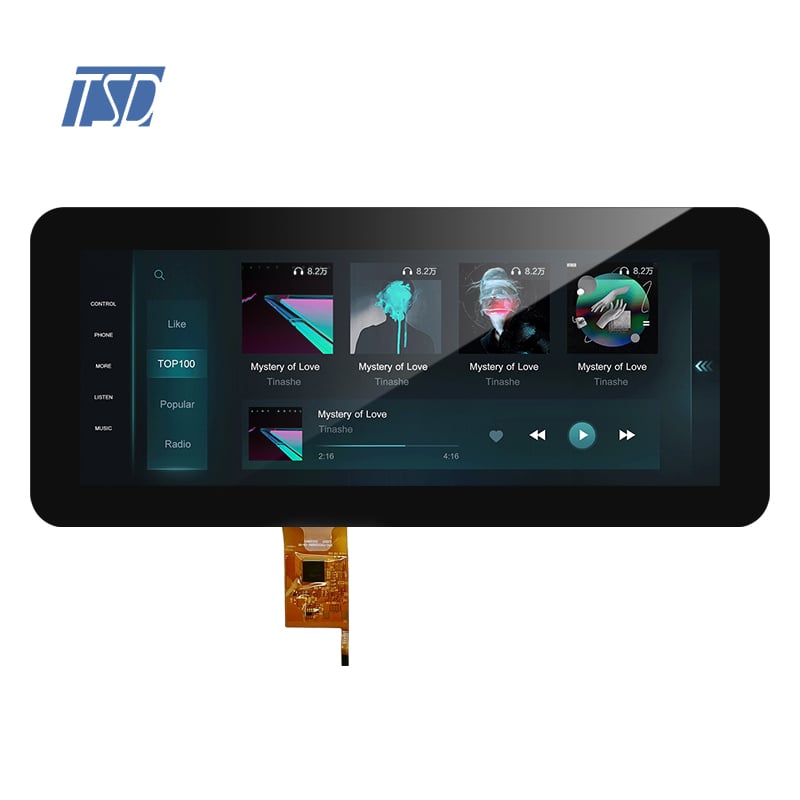
Pcap technology relies on changes in electrical capacitance to detect touch points, making sensitivity calibration essential for functionality. Pcap touch screen panel factories employ sophisticated automated testing systems that measure electrical response across the entire panel surface. These facilities invest heavily in test equipment, environmental controls, and trained technicians to verify that each pcap panel meets demanding multi-touch sensitivity requirements before reaching customers.
Understanding PCAP Multi-Touch Sensitivity Testing Standards
Industry Standards and Certification Requirements
Professional pcap touch screen panel factories operate under internationally recognized testing standards that define acceptable sensitivity ranges. The pcap industry adheres to guidelines from standards bodies that specify minimum touch response times, maximum touch detection latency, and minimum force thresholds. Pcap panel manufacturers must document that their products satisfy these standards before commercial deployment. Certification bodies periodically audit pcap factories to verify testing procedures align with published specifications, ensuring consistency across different manufacturing facilities globally.
Calibration and Baseline Measurement
Before pcap multi-touch sensitivity testing begins, factories establish baseline electrical measurements for each panel. Technicians use precision capacitance meters to measure the pcap panel's natural electrical properties in its untouched state. This baseline becomes the reference point against which all subsequent touch detection is measured. Pcap touch screen panel factories maintain strict environmental conditions during baseline measurement because temperature, humidity, and electromagnetic interference can influence capacitive readings. Once baseline values are recorded, sensitivity thresholds are set at predetermined percentages above the baseline to establish reliable touch detection parameters for that specific pcap panel.
Automated Testing Equipment and Methodology
Multi-Point Robotic Testing Systems
Advanced pcap touch screen panel factories employ robotic test systems capable of simulating simultaneous touches at multiple locations across the pcap surface. These automated systems use conductive test probes or finger simulators that replicate human touch characteristics with precision. The pcap testing equipment applies calibrated electrical capacitance at specified points while software monitors the panel's response in real time. Pcap panels undergo testing sequences that validate single-touch detection, dual-touch tracking, and multi-touch recognition up to the maximum number of simultaneous touch points the pcap design supports. Robotic systems execute hundreds of test cycles per panel without fatigue, ensuring consistent pcap multi-touch sensitivity evaluation across production batches.
Sensitivity Response Measurement and Logging
During pcap multi-touch sensitivity testing, factories measure the electrical response time and signal magnitude for each touch point independently. Sophisticated pcap test controllers record signal-to-noise ratios that indicate how clearly the panel distinguishes intentional touches from background electrical noise. Pcap sensitivity testing also measures touch coordinate accuracy, verifying that the panel correctly identifies the exact location of each simultaneous touch. All pcap test data is logged automatically, creating permanent records that demonstrate compliance with quality standards. Factories use these pcap test logs for statistical process control, identifying trends in manufacturing quality and triggering corrective actions when sensitivity parameters drift outside acceptable ranges.
Environmental Stress Testing and Reliability Validation
Temperature and Humidity Cycling
Professional pcap touch screen panel factories subject samples to accelerated environmental testing that simulates years of real-world usage. Temperature cycling protocols expose pcap panels to extreme cold and heat, then measure multi-touch sensitivity at each temperature step to ensure performance remains consistent. Humidity testing for pcap panels evaluates how moisture affects capacitive response, since humid conditions can degrade touch sensitivity if the pcap design lacks proper environmental protection. Pcap factories document sensitivity drift during these environmental cycles, establishing confidence that field-deployed pcap panels will maintain reliable multi-touch functionality across diverse climatic conditions and seasonal variations.
Long-Term Endurance Testing
Extended endurance testing represents a critical validation phase for pcap touch screen panel reliability. Factories operate pcap test panels under continuous multi-touch stimulation for thousands of hours, recording sensitivity metrics at regular intervals to detect degradation trends. This accelerated pcap endurance testing simulates high-use scenarios like public information kiosks or industrial control interfaces. Pcap panels that maintain consistent multi-touch sensitivity throughout extended testing cycles receive approval for production. Facilities that identify pcap sensitivity degradation investigate root causes, which may include material fatigue, solder joint stress, or electrical component drift, then implement design or manufacturing corrections to ensure field reliability.
Quality Control Integration and Data Analysis
Statistical Process Control for PCAP Manufacturing
Leading pcap touch screen panel factories implement statistical process control systems that analyze multi-touch sensitivity data from hundreds of tested panels. Pcap quality teams plot sensitivity measurements on control charts, establishing upper and lower control limits that represent acceptable manufacturing variation. When pcap test results fall outside these control limits, production lines pause for investigation and adjustment. Statistical analysis of pcap sensitivity data helps factories identify whether variations result from normal process variation or from systematic issues requiring immediate correction. Pcap manufacturers use these statistical insights to continuously improve production processes, reducing the proportion of panels that barely meet minimum sensitivity specifications and increasing the proportion that far exceed minimum thresholds.
Traceability and Documentation Standards
Comprehensive documentation defines professional pcap touch screen panel manufacturing operations. Each pcap panel receives a unique identifier that links it to detailed test results, material batch information, and manufacturing date. Factories maintain detailed records showing that every pcap panel underwent specified multi-touch sensitivity testing and produced results within acceptable ranges. This traceability allows pcap manufacturers to investigate field failures by referencing historical test data and identifying whether failures resulted from manufacturing defects or field damage. Pcap documentation standards also support regulatory compliance in industries like medical devices and automotive, where product liability and safety traceability are paramount concerns for both pcap suppliers and their customers.
FAQ
What is the typical touch response time requirement for PCAP multi-touch panels?
Professional pcap touch screen panel factories typically test for response times below 100 milliseconds, with many achieving 50 milliseconds or faster. High-performance pcap applications like gaming or professional touchscreen displays may require response times under 30 milliseconds. Pcap test systems measure the interval between electrical signal generation and accurate touch detection, ensuring consistent performance across different pcap design implementations.
How many simultaneous touch points must PCAP panels reliably detect?
Most consumer and commercial pcap touch screen panel applications require reliable detection of 5 to 10 simultaneous touch points, though some advanced pcap designs support 20 or more concurrent touches. Pcap factories test multi-touch sensitivity by applying multiple simultaneous touches and verifying that all contact points register accurately without cross-talk or false detections. The specific number depends on the intended pcap application; simple pcap panels for single-touch interfaces require fewer test points than pcap solutions designed for collaborative work surfaces.
What factors can degrade PCAP multi-touch sensitivity over time?
Environmental factors including moisture infiltration, mechanical stress at solder joints, and material degradation can reduce pcap touch sensitivity during extended field operation. Electromagnetic interference from nearby devices can also interfere with pcap signal detection if shielding is insufficient. Professional pcap touch screen panel factories test for these degradation modes through accelerated environmental testing, ensuring that pcap panels deployed in real-world conditions maintain reliable multi-touch sensitivity throughout their intended service life.