
 EN
EN



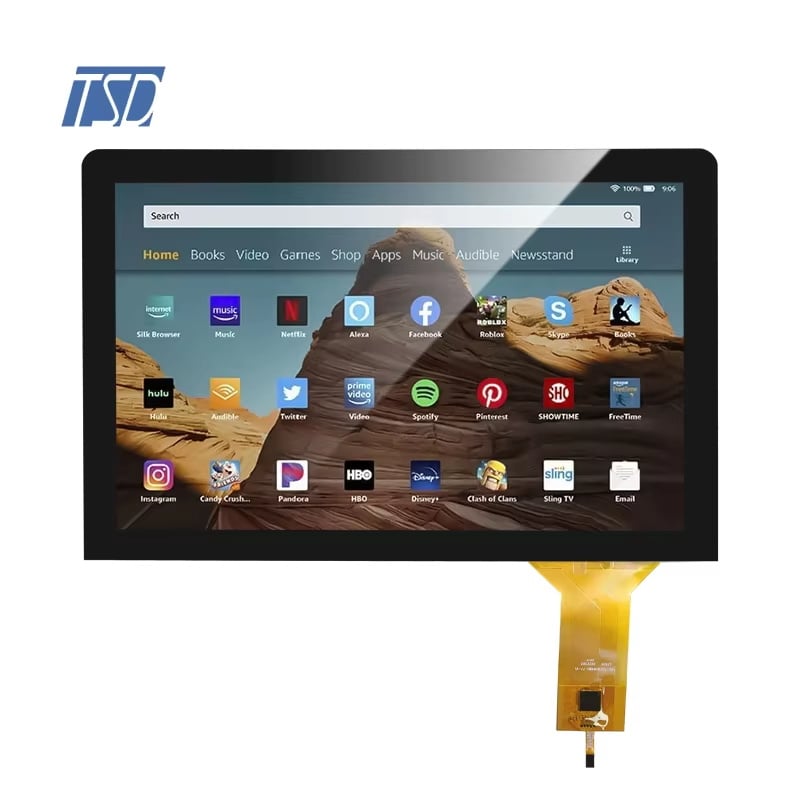
Every automation project that depends on a PCAP touch screen panel must address one critical challenge before production begins: building a reliable supply chain. A PCAP touch screen panel is not a commodity component. It requires precise optical bonding, multi-layer sensor fabrication, and firmware-level integration that makes sourcing decisions far more complex than selecting a standard display. When automation engineers underestimate this complexity, project timelines slip and quality problems surface at the worst possible time.
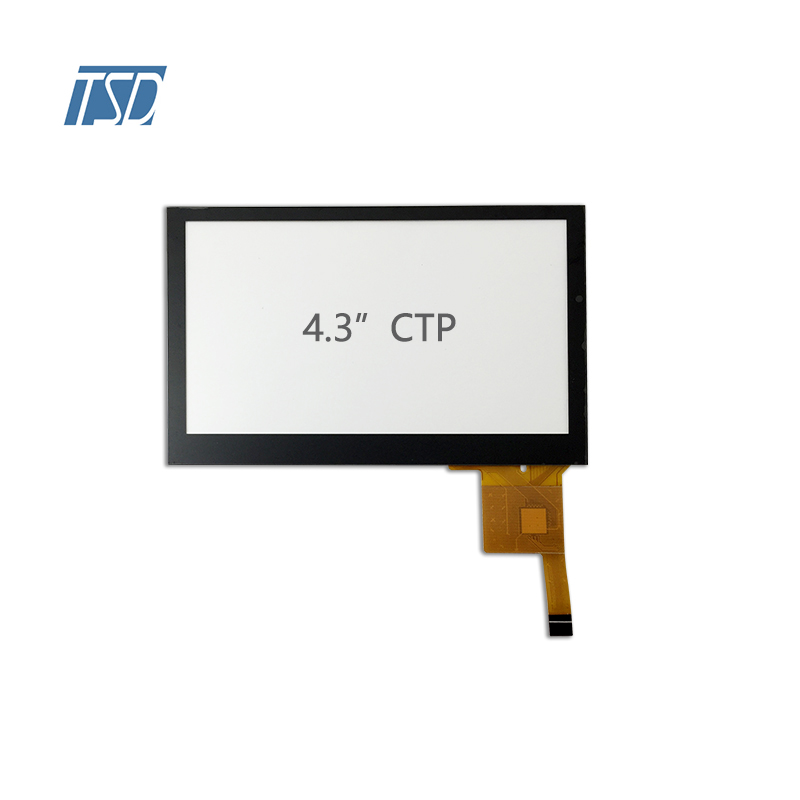
A well-managed PCAP touch screen panel supply chain gives automation project teams a measurable competitive advantage. It reduces component lead times, controls unit costs at scale, and ensures that every PCAP touch screen panel delivered to the assembly line meets the same electrical and mechanical specification. This article breaks down the key stages of a PCAP touch screen panel supply chain, the sourcing decisions that matter most, and the quality assurance steps that protect automation projects from costly production interruptions.
Understanding the PCAP Touch Screen Panel Supply Chain Structure
Core Components and Upstream Dependencies
A PCAP touch screen panel is built from several interdependent layers. The sensor glass, ITO film or metal mesh, controller IC, cover lens, and optical adhesive all come from different upstream suppliers. When you source a PCAP touch screen panel for an automation project, you are effectively depending on the entire upstream chain behind it. A shortage in controller IC supply, for example, can halt production of a PCAP touch screen panel even when all other materials are available. Understanding these upstream dependencies is the first step toward building a resilient supply chain for any automation deployment.
Automation projects typically require a PCAP touch screen panel in sizes ranging from 3.5 inches to 15.6 inches, with varying resolution, brightness, and interface options. Each specification variant has its own upstream component set. Choosing a PCAP touch screen panel with a highly standardized controller IC reduces supply chain risk significantly. When a PCAP touch screen panel relies on a proprietary IC with a single source, your entire project becomes vulnerable to that supplier's production capacity and pricing decisions.
Downstream Integration Points in Automation Systems
Once a PCAP touch screen panel arrives at the system integrator or OEM assembly facility, it must pass through mechanical mounting, electrical connection, and software driver integration. Each of these downstream steps creates quality gates where a PCAP touch screen panel can fail if it arrives without proper documentation or inconsistent calibration data. Automation projects benefit greatly when the PCAP touch screen panel supplier provides integration support, including firmware notes, driver packages, and application-specific calibration profiles. A PCAP touch screen panel delivered with complete technical documentation reduces integration errors and accelerates time-to-deployment.
Sourcing Strategies for PCAP Touch Screen Panels in Automation
Evaluating Suppliers Against Automation-Grade Requirements
Not every PCAP touch screen panel supplier is equipped to serve industrial automation customers. Consumer-grade suppliers may offer competitive pricing, but they rarely provide the extended lifecycle commitments, industrial temperature ratings, or vibration tolerance that automation projects demand. When evaluating a PCAP touch screen panel supplier, procurement teams should request documentation covering operating temperature range, mean time between failures, electromagnetic compatibility certifications, and production process audits. A PCAP touch screen panel designed for automation must meet these criteria consistently across every production batch, not just in sample units submitted for qualification.
Dual-sourcing is a widely adopted strategy for reducing PCAP touch screen panel supply risk in large automation programs. Qualifying two independent PCAP touch screen panel suppliers with interchangeable specifications allows production to continue even if one source experiences capacity constraints. However, dual-sourcing a PCAP touch screen panel requires careful specification alignment, because minor differences in touch sensitivity tuning or connector layout can create integration problems downstream. Procurement engineers should verify pin-to-pin and firmware compatibility before approving a secondary PCAP touch screen panel source for production use.
Lead Time Management and Inventory Planning
Lead times for a PCAP touch screen panel in industrial grades typically range from four to twelve weeks depending on customization level and order volume. Automation project planners who treat a PCAP touch screen panel as a last-minute purchase risk delaying entire system rollouts. Effective supply chain planning for a PCAP touch screen panel requires aligning purchase orders with the project's hardware freeze milestones. Safety stock policies for a PCAP touch screen panel should be defined based on demand variability and supplier lead time variance, not arbitrary buffer quantities. A structured approach to PCAP touch screen panel inventory planning reduces both stockout risk and excess carrying cost.
Quality Assurance Across the PCAP Touch Screen Panel Supply Chain
Incoming Inspection and Acceptance Testing
Every PCAP touch screen panel entering an automation assembly facility should pass a defined incoming inspection protocol. This protocol for a PCAP touch screen panel typically includes visual inspection for optical defects, electrical continuity testing, touch linearity verification, and environmental pre-conditioning checks. Skipping incoming inspection for a PCAP touch screen panel on the assumption that supplier quality is sufficient introduces unacceptable risk into automation projects where panel replacement in the field is costly and disruptive. A documented acceptance test procedure for each PCAP touch screen panel variant ensures consistent quality standards are applied regardless of who performs the inspection.
Long-Term Supply Chain Reliability for Automation Programs
Automation systems often run in the field for five to ten years, meaning the PCAP touch screen panel supply chain must support not only initial production but also service replacement demand throughout the product lifecycle. Securing a long-term supply agreement for a PCAP touch screen panel with guaranteed minimum production commitments protects automation OEMs from mid-lifecycle component obsolescence. When a PCAP touch screen panel is discontinued by a supplier without notice, the cost of re-qualification and redesign can exceed the original component savings many times over. Planning for PCAP touch screen panel lifecycle continuity from the earliest design stage is a supply chain best practice that pays dividends throughout the product's operational life.
FAQ
What certifications should a PCAP touch screen panel have for industrial automation?
A PCAP touch screen panel used in industrial automation should carry certifications such as CE, FCC, and RoHS at minimum. Depending on the deployment environment, the PCAP touch screen panel may also need UL recognition, IP-rated sealing documentation, and compliance with IEC 61000 electromagnetic compatibility standards. Always request certification documentation specific to the PCAP touch screen panel variant being qualified, not a generic product family certificate.
How do I reduce PCAP touch screen panel lead times for urgent automation projects?
Reducing PCAP touch screen panel lead times requires early supplier engagement, pre-authorized blanket purchase orders, and selection of a PCAP touch screen panel model that uses standard, readily available controller ICs. Suppliers who maintain a finished goods buffer for high-volume PCAP touch screen panel models can often fulfill urgent orders faster. Communicating project volume forecasts early also allows PCAP touch screen panel manufacturers to pre-allocate capacity on your behalf.
Can a PCAP touch screen panel be customized without disrupting supply chain continuity?
Yes, a PCAP touch screen panel can be customized while maintaining supply chain continuity if the customization is limited to cover lens shape, logo printing, or firmware parameters rather than changes to the sensor structure or controller IC. Structural changes to a PCAP touch screen panel require new qualification testing and may affect upstream material sourcing. Work with your PCAP touch screen panel supplier to define a change control process that protects supply continuity while allowing product evolution over time.