
 EN
EN



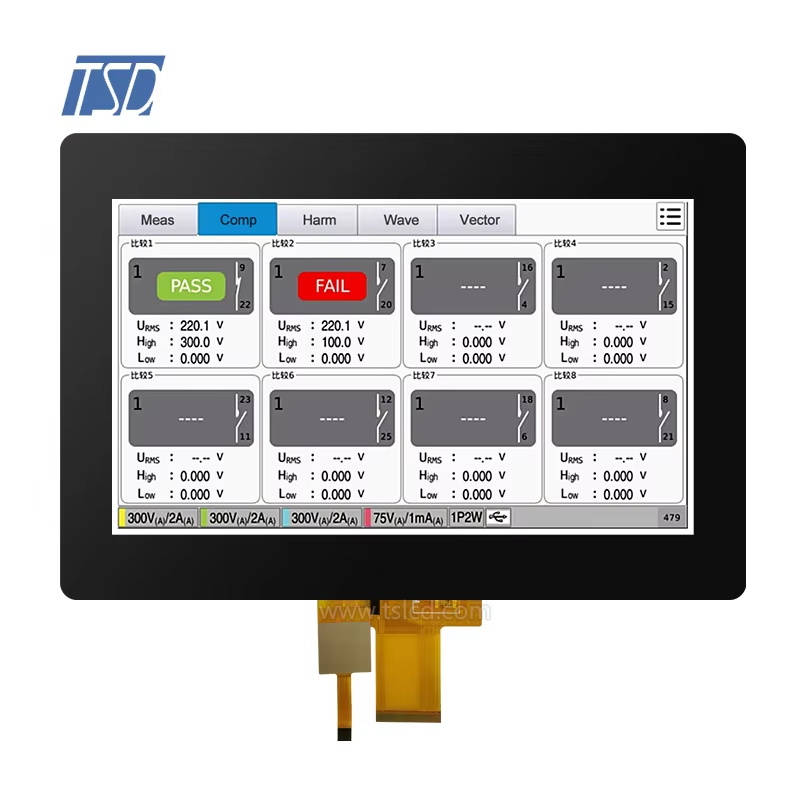
When color accuracy is non-negotiable, the IPS LCD display module stands out as the preferred choice for engineers, product designers, and procurement specialists alike. Unlike standard TN panels, an IPS LCD display module reproduces colors with remarkable consistency across wide viewing angles, making it the foundation of high-performance visual systems. Understanding what makes an IPS LCD display module the right choice for your application begins with knowing exactly how its technology delivers on the promise of superior color accuracy.

Manufacturers that specialize in the IPS LCD display module sector invest heavily in panel alignment technology, color calibration processes, and quality assurance protocols. Each IPS LCD display module that leaves a professional production line is tested against strict color gamut and uniformity standards. For B2B buyers sourcing display components at scale, choosing a qualified IPS LCD display module manufacturer directly impacts the reliability and visual performance of the final product.
Core Technology Behind the IPS LCD Display Module
How IPS Panel Alignment Achieves Color Consistency
The defining feature of any IPS LCD display module is its in-plane switching technology, which aligns liquid crystal molecules horizontally within the panel layer. This horizontal alignment in the IPS LCD display module prevents the color shift that is common in twisted nematic panels when viewed from off-center angles. As a result, every IPS LCD display module maintains accurate hue and saturation whether the viewer is positioned directly in front of the screen or at a significant lateral angle. This characteristic is particularly valuable in industrial control panels, medical devices, and retail kiosks where multiple users may view the IPS LCD display module from different positions simultaneously.
An IPS LCD display module also demonstrates a wider color gamut compared to older panel technologies. Manufacturers calibrate each IPS LCD display module to cover a defined percentage of standard color spaces such as sRGB or NTSC, ensuring predictable color reproduction in professional environments. For OEM customers integrating an IPS LCD display module into a branded product, this calibration consistency reduces the need for post-production color correction and simplifies quality control at the assembly level.
Resolution and Interface Considerations for the IPS LCD Display Module
Beyond color performance, the IPS LCD display module is available in a wide range of resolutions and interface options to match diverse application requirements. A 15-inch IPS LCD display module with 1024x768 resolution and an LVDS interface, for example, suits applications that demand reliable data transmission over longer cable runs with minimal signal degradation. The LVDS interface on an IPS LCD display module reduces electromagnetic interference and supports stable, high-speed image data transfer, which is essential in industrial and medical environments. Selecting the right interface configuration for your IPS LCD display module at the design stage prevents costly redesigns during product validation.
Why Manufacturer Selection Matters for the IPS LCD Display Module
Production Capability and Quality Control
Not every supplier offering an IPS LCD display module operates with the same level of manufacturing discipline. A qualified IPS LCD display module manufacturer maintains dedicated production lines with automated optical inspection equipment to catch defects early in the process. Each IPS LCD display module undergoes luminance uniformity testing, color temperature verification, and endurance screening before shipment. Working with a manufacturer that applies these standards to every IPS LCD display module in a batch significantly reduces field failure rates and warranty return costs for the OEM customer.
Traceability is another critical factor when sourcing an IPS LCD display module at volume. A responsible IPS LCD display module manufacturer assigns batch codes and maintains production records that allow defect analysis and root-cause investigation when issues arise. This level of documentation is often required in regulated industries such as medical equipment manufacturing, where every IPS LCD display module integrated into a device must be traceable back to its production data.
Customization Capabilities for the IPS LCD Display Module
Many B2B applications require a customized IPS LCD display module rather than a standard off-the-shelf panel. Customization options for an IPS LCD display module typically include modified brightness levels for outdoor readability, anti-glare or anti-reflective surface treatments, extended operating temperature ranges, and custom connector pin assignments. A manufacturer experienced with the IPS LCD display module can guide design teams through the engineering change process efficiently, reducing time-to-market. When evaluating suppliers, buyers should confirm that the IPS LCD display module manufacturer has the tooling and engineering resources to support both prototype and mass-production phases.
Application Scenarios for the IPS LCD Display Module
Industrial and Medical Display Integration
The IPS LCD display module is widely deployed in industrial human-machine interfaces where operators rely on precise color coding to interpret system status information. A color-accurate IPS LCD display module reduces the risk of operator misreading critical alerts or process data. In medical imaging and diagnostic equipment, the IPS LCD display module must meet stringent brightness and color fidelity standards so that clinicians can make confident visual assessments. Sourcing a certified IPS LCD display module designed for extended duty cycles and stable luminance output is essential in both of these demanding environments.
Retail, Transportation, and Consumer Electronics
Retail point-of-sale terminals and digital signage systems benefit from an IPS LCD display module because product colors appear true-to-life, reinforcing brand consistency and customer confidence. Transportation information displays also leverage the IPS LCD display module for its wide viewing angle, ensuring that departure or arrival data is clearly legible to passengers standing at various distances and angles. Even in consumer electronics where cost sensitivity is higher, the IPS LCD display module continues to displace older panel types because end users increasingly expect vivid, accurate color from every screen they interact with daily.
FAQ
What makes an IPS LCD display module better for color accuracy than a TN panel?
An IPS LCD display module uses in-plane switching to keep liquid crystal molecules parallel to the glass substrate, which preserves color fidelity at wide viewing angles. A TN panel shifts colors noticeably when viewed off-axis, while the IPS LCD display module maintains consistent hue and saturation from nearly any viewing direction, making it the superior choice for color-critical work.
What resolution options are available for an IPS LCD display module?
An IPS LCD display module is manufactured across a broad resolution range, from lower-resolution panels suitable for simple instrumentation displays to high-resolution configurations for medical imaging and premium consumer electronics. Common resolutions for an IPS LCD display module include 800x480, 1024x768, 1280x800, and 1920x1080, with the appropriate choice depending on the application's pixel density and processing power requirements.
How do I verify the color quality of an IPS LCD display module from a supplier?
Buyers should request detailed color performance data sheets for any IPS LCD display module under consideration, including color gamut coverage, white point coordinates, and delta-E uniformity measurements. A reputable IPS LCD display module manufacturer will also provide sample units for in-house evaluation and can supply third-party test reports that validate the color performance claims of each IPS LCD display module model.