
 EN
EN



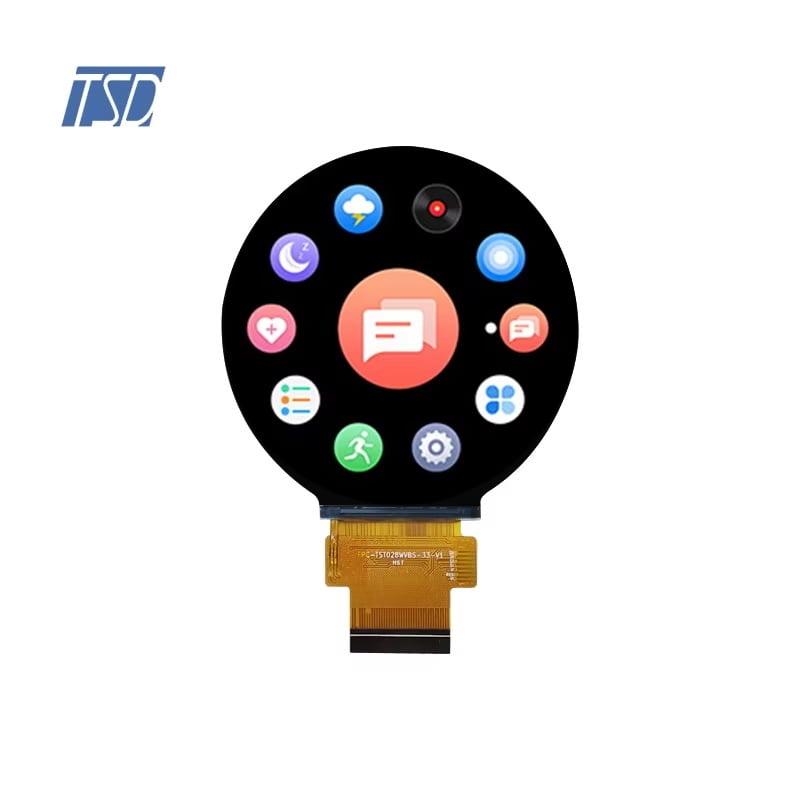
For manufacturers and procurement teams sourcing components at scale, choosing the right IPS LCD display module is a critical decision that directly affects the quality and market positioning of the final product. An IPS LCD display module delivers wide viewing angles, accurate color reproduction, and consistent brightness uniformity — qualities that define high-end monitor performance. Understanding what separates a premium IPS LCD display module from a standard one helps wholesale buyers make smarter, more confident sourcing choices.

The demand for wholesale IPS LCD display module supply has grown steadily as brands across industrial, commercial, and consumer electronics sectors seek reliable, high-performance display components. Whether you are building professional desktop monitors, medical display systems, or commercial signage units, selecting the correct IPS LCD display module with the right specifications ensures your end product meets both user expectations and industry standards. This article covers the essential factors wholesale buyers should evaluate when sourcing an IPS LCD display module for high-end monitor applications.
Core Specifications That Define a High-End IPS LCD Display Module
Resolution, Panel Size, and Interface Compatibility
Resolution is one of the first parameters to confirm when evaluating an IPS LCD display module for a premium monitor. A 15-inch IPS LCD display module with 1024x768 resolution is well suited for industrial and specialized commercial monitors, while larger format options offer higher pixel densities for professional display applications. The native resolution of the IPS LCD display module must match the signal output of the host system to avoid scaling artifacts and image degradation. Wholesale buyers should always verify resolution compatibility before committing to bulk orders of any IPS LCD display module.
Interface type is equally important when selecting an IPS LCD display module for integration. The LVDS interface is widely used in high-end monitor builds because it offers stable, low-noise signal transmission over moderate cable distances. An IPS LCD display module with an LVDS interface is compatible with a broad range of industrial controller boards, simplifying the system design process. Before placing a wholesale order, buyers should confirm that the IPS LCD display module interface standard matches their controller boards and signal sources.
Color Accuracy and Viewing Angle Performance
The IPS panel technology inside every IPS LCD display module enables a viewing angle of up to 178 degrees both horizontally and vertically. This wide-angle performance means the IPS LCD display module maintains color accuracy and contrast even when viewed from extreme off-axis positions — a quality that standard TN panels cannot match. For monitor applications where multiple users view the screen simultaneously, or where the display is mounted at an angle, the IPS LCD display module is the preferred choice. Consistent delta-E values and a wide color gamut are indicators of a high-quality IPS LCD display module suitable for professional use.
Why Wholesale Buyers Prefer IPS LCD Display Modules for Premium Builds
Consistency Across Large Batch Orders
One of the most important considerations in wholesale sourcing is batch consistency. A reliable IPS LCD display module supplier will maintain tight tolerances on brightness, color temperature, and contrast ratios across production lots. Variation between units in a large batch can cause visible quality differences in the finished monitors, damaging brand reputation and increasing warranty return rates. Wholesale buyers should request sample units and run photometric evaluations before approving a mass production run of any IPS LCD display module. Consistency in the IPS LCD display module directly reflects the quality of the supplier's manufacturing process and material sourcing.
Longevity and Reliability for High-End Applications
High-end monitors are expected to operate continuously in demanding environments, from 24/7 commercial displays to medical and industrial control rooms. The IPS LCD display module used in these applications must maintain stable backlight performance and color output over thousands of operating hours. LED backlight longevity, thermal management design, and anti-glare surface treatment are factors that distinguish a durable IPS LCD display module from a lower-grade alternative. Wholesale buyers sourcing for high-end monitor projects should always request mean time between failure data and operational temperature specifications for every IPS LCD display module under consideration.
Selecting the Right IPS LCD Display Module for Your Monitor Project
Matching Module Specifications to Application Requirements
Not every IPS LCD display module is appropriate for every monitor application. A 15-inch IPS LCD display module with an LVDS interface and 1024x768 resolution may be ideal for point-of-sale terminals, medical carts, and industrial HMI monitors, but may not suit ultra-high-definition creative workstations. When planning a monitor product line, procurement teams should map the specific use case requirements to the technical datasheet of each IPS LCD display module candidate. Factors such as luminance level, contrast ratio, response time, and operating temperature range must all align with the intended deployment environment of the finished monitor incorporating the IPS LCD display module.
Evaluating Supplier Capability for Wholesale Volume
Sourcing an IPS LCD display module wholesale requires more than finding a competitive unit price. The supplier's production capacity, quality management certifications, lead time reliability, and after-sales technical support all factor into the total cost of ownership. A supplier that can consistently deliver the IPS LCD display module to specification, on schedule, and with responsive technical support reduces risk significantly for monitor manufacturers. Requesting factory audits, production capacity statements, and quality control documentation helps wholesale buyers verify that the IPS LCD display module supply chain is robust enough to support their product roadmap. A strong supplier partnership for the IPS LCD display module reduces engineering risk and accelerates time to market.
FAQ
What interface types are commonly available for an IPS LCD display module?
The most widely used interface types for an IPS LCD display module in industrial and commercial monitor applications include LVDS, eDP, MIPI DSI, and RGB parallel. LVDS is especially common for 15-inch and mid-size IPS LCD display module designs due to its noise resistance and broad controller board compatibility. The correct interface choice depends on the host system architecture and signal processing requirements.
How do I verify color quality when ordering an IPS LCD display module wholesale?
When sourcing an IPS LCD display module in bulk, request pre-production samples and measure them using a calibrated colorimeter or spectrophotometer. Key metrics to evaluate include color gamut coverage, white point accuracy, delta-E uniformity, and brightness consistency across the panel surface. A reputable IPS LCD display module supplier will provide factory test reports and accept incoming quality control inspections before shipment approval.
Can an IPS LCD display module be customized for specific monitor dimensions?
Yes, many manufacturers offer semi-custom or fully custom configurations of the IPS LCD display module to meet specific monitor design requirements. Customization options typically include bezel dimensions, mounting hole patterns, interface connector type, and backlight brightness levels. For wholesale orders above a minimum quantity threshold, an IPS LCD display module can often be specified with custom optical bonding, anti-reflective coatings, or touch integration to match a brand's precise product requirements.