
 EN
EN



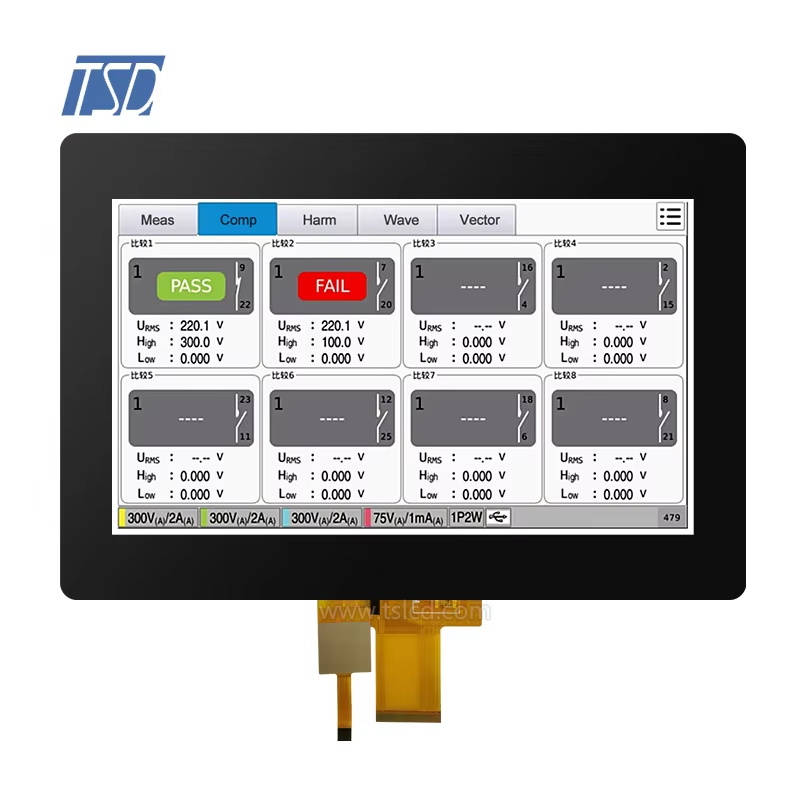
Professional photography demands display technology that delivers true-to-life color reproduction, wide viewing angles, and consistent brightness. IPS LCD display modules have become the preferred choice for photographers, camera manufacturers, and imaging system integrators who require precise visual output. Whether used in camera viewfinders, portable color-calibration tools, or professional review monitors, IPS LCD display modules provide the optical performance that high-end photography workflows depend on.
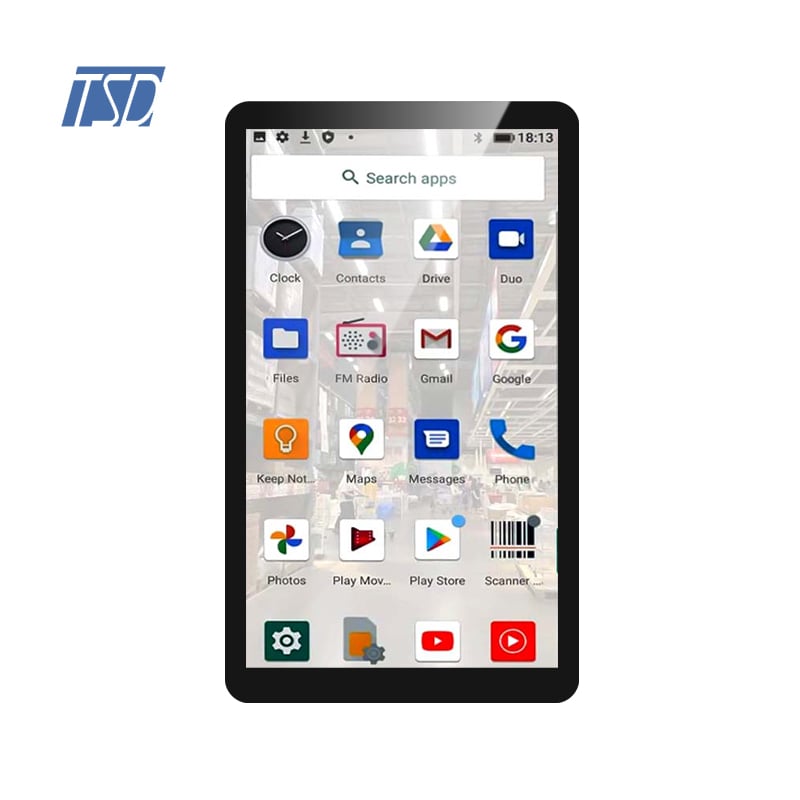
Selecting the right supplier for IPS LCD display modules is not a simple decision. Photography applications impose strict requirements on color gamut coverage, contrast ratios, response times, and panel uniformity. A reliable supplier of IPS LCD display modules must demonstrate deep technical expertise, flexible customization capabilities, and a consistent track record in delivering display components that meet the rigorous standards of professional imaging environments. This article explores what makes IPS LCD display modules ideal for professional photography, what to look for in a supplier, and how to evaluate the technical specifications that matter most.
Why IPS LCD Display Modules Suit Professional Photography
Superior Color Accuracy and Wide Viewing Angles
The defining advantage of IPS LCD display modules over other panel types is their ability to maintain color accuracy across wide viewing angles. Standard TN panels shift color and lose contrast when viewed off-axis, which is a serious problem in professional photography where editors and clients need to review images from different positions. IPS LCD display modules use in-plane switching technology, which aligns liquid crystal molecules horizontally so that color and brightness remain stable up to 178 degrees in both horizontal and vertical directions. This makes IPS LCD display modules the natural choice for any professional photography application where visual consistency is non-negotiable.
For professional photography equipment such as digital backs, field monitors, and tethered shooting displays, IPS LCD display modules deliver color gamut coverage that supports sRGB and often extends into DCI-P3 or Adobe RGB ranges. Accurate gamut coverage means that photographers see on-screen colors that closely match the final output, reducing costly post-processing corrections and improving editorial efficiency. Suppliers who specialize in IPS LCD display modules for imaging markets understand how to select and calibrate panels that satisfy these demanding color standards.
Brightness, Contrast, and Panel Uniformity
Professional photography environments vary from bright outdoor shoots to darkened studio settings, and IPS LCD display modules must perform reliably across all these conditions. High-quality IPS LCD display modules offer peak brightness levels that remain readable in ambient light while supporting deep blacks for accurate shadow detail review. Panel uniformity is equally important — inconsistencies in backlight distribution across IPS LCD display modules can create false impressions of vignetting or uneven exposure in images. A supplier focused on professional photography applications will test and certify IPS LCD display modules for backlight uniformity to ensure that every unit meets a defined threshold before shipment.
Key Specifications to Evaluate in IPS LCD Display Modules
Resolution, Interface, and Touch Integration
When sourcing IPS LCD display modules for professional photography tools, resolution is a primary specification. Modules with 720x1280 resolution and above provide enough pixel density for detailed image review on compact displays. MIPI DSI interfaces are widely used in IPS LCD display modules designed for embedded photography systems because they offer high data throughput with minimal wiring complexity, making them suitable for portable and integrated camera accessories. Many IPS LCD display modules also incorporate capacitive touch panels, enabling intuitive interaction with photography software interfaces directly on the display surface.
Touch-enabled IPS LCD display modules with MIPI interfaces are commonly integrated into portable light meters, wireless tethering units, and compact field monitors used in professional photography. The capacitive touch layer in these IPS LCD display modules supports multi-touch gestures, allowing photographers to zoom, pan, and adjust settings without additional input hardware. Suppliers who offer IPS LCD display modules with pre-integrated touch controllers and driver support reduce the engineering effort required to bring a photography product to market.
Customization and Optical Bonding Options
Professional photography equipment often requires IPS LCD display modules to be fitted into custom enclosures with specific mechanical dimensions, connector positions, and protective coatings. A qualified supplier should offer optical bonding services for IPS LCD display modules, which eliminates the air gap between the cover glass and the display panel. Optical bonding improves outdoor readability of IPS LCD display modules by reducing internal reflections, making it easier for photographers to review images in direct sunlight. Anti-glare and anti-fingerprint surface treatments are additional customization options that improve the usability of IPS LCD display modules in hands-on photography environments.
Choosing a Supplier of IPS LCD Display Modules for Photography
Technical Support and Certification Standards
A supplier of IPS LCD display modules for professional photography should provide comprehensive technical documentation, including detailed electrical specifications, optical measurement data, and integration guidelines. Photographers and imaging product developers rely on accurate data sheets to design reliable systems around IPS LCD display modules. Suppliers who offer dedicated engineering support during the design phase help customers avoid integration issues that could delay product launches or compromise display performance in the field.
Certification and quality standards are important markers when evaluating suppliers of IPS LCD display modules. ISO-certified production facilities, ROHS-compliant materials, and standardized incoming quality control processes all indicate a supplier who takes the reliability of IPS LCD display modules seriously. For professional photography applications where display failure means lost productivity or damaged deliverables, sourcing IPS LCD display modules from a certified and auditable supplier reduces risk significantly.
Supply Chain Reliability and Volume Flexibility
Professional photography product manufacturers need suppliers of IPS LCD display modules who can scale from prototype quantities to full production volumes without quality degradation. A dependable supplier should maintain buffer stock of popular IPS LCD display modules and provide clear lead time commitments. Transparent communication about component availability and proactive notification of end-of-life transitions in IPS LCD display modules help customers plan product roadmaps effectively. These supply chain practices are especially important in the photography industry, where product cycles are short and market windows for new equipment are narrow.
FAQ
What resolution do IPS LCD display modules need for professional photography use?
For professional photography applications, IPS LCD display modules with a minimum resolution of 720x1280 pixels are generally sufficient for compact portable devices. Larger field monitors using IPS LCD display modules often require Full HD or higher resolution for detailed image review. The right resolution depends on the screen size and the viewing distance typical for the specific photography workflow.
Can IPS LCD display modules support wide color gamut requirements in photography?
Yes, IPS LCD display modules can be configured with wide color gamut backlights and panel materials that cover sRGB fully and extend into DCI-P3 or Adobe RGB color spaces. Suppliers who specialize in IPS LCD display modules for imaging markets can recommend specific panel variants that meet the color gamut targets required for professional photography color grading and post-production review.
How important is optical bonding for IPS LCD display modules in photography equipment?
Optical bonding is highly beneficial for IPS LCD display modules used in photography equipment, particularly for outdoor or mixed-lighting environments. By eliminating the air gap within IPS LCD display modules, optical bonding reduces internal reflections and dramatically improves contrast and readability under bright ambient light. For professional photographers working on location, optically bonded IPS LCD display modules significantly improve the accuracy of on-site image review.