
 EN



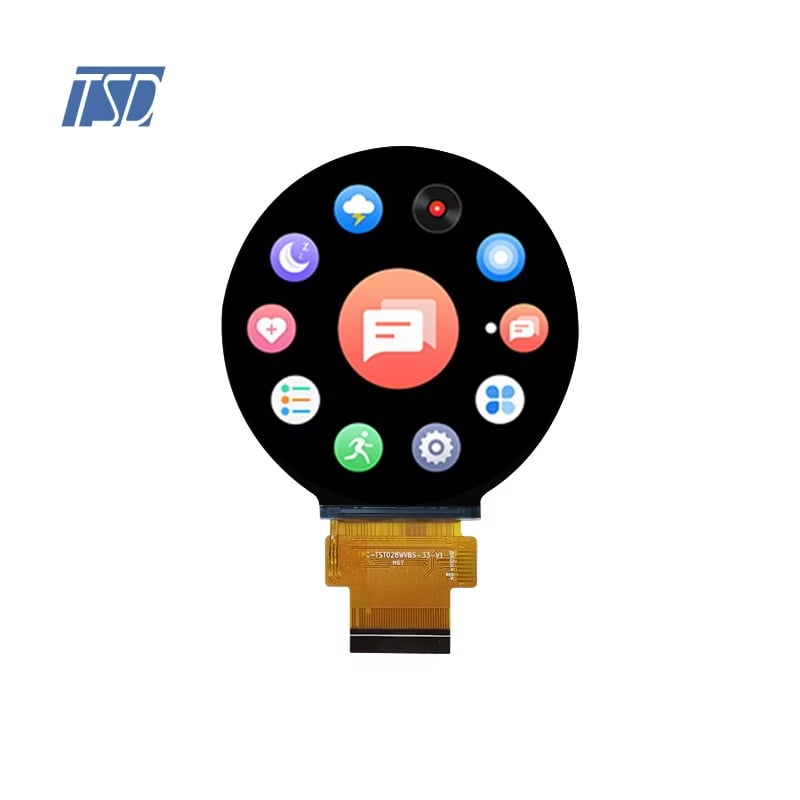
Instrumentation suppliers face constant pressure to deliver reliable, cost-effective visual solutions that meet demanding industrial standards. A graphic lcd has emerged as the preferred choice for manufacturers seeking to balance performance, durability, and bulk purchasing economics. Whether designing medical diagnostic equipment, industrial process monitors, environmental sensors, or laboratory instruments, sourcing wholesale graphic lcd solutions directly impacts your supply chain efficiency, product margins, and time-to-market competitiveness.
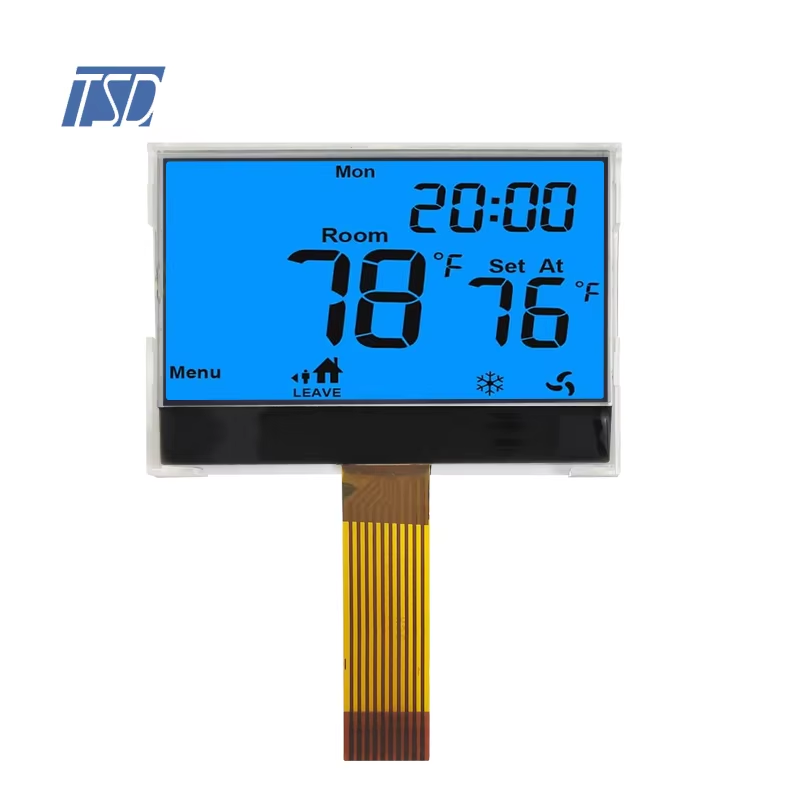
The wholesale graphic lcd market has evolved significantly over the past decade, driven by advances in monochrome and color display technologies, improved energy efficiency standards, and growing demand for customization. Instrumentation suppliers who understand the technical foundations of graphic lcd design, manufacturing capabilities, and volume procurement strategies can optimize their sourcing decisions, reduce component costs, and accelerate product development cycles. This article explores the critical factors that drive successful wholesale graphic lcd selection, implementation strategies specific to instrumentation applications, and practical guidance for evaluating supplier partnerships.
Understanding Graphic LCD Technology for Instrumentation Applications
Core Principles Behind Graphic LCD Performance
A graphic lcd operates by controlling individual pixels across a two-dimensional display matrix, allowing suppliers to render text, icons, waveforms, data visualizations, and complex user interfaces with precision. Unlike segment-based displays that activate fixed predefined symbols, graphic lcd technology provides complete pixel-level control, enabling instrumentation designers to adapt visual output dynamically to changing operational conditions. Monochrome graphic lcd displays remain the industry standard for cost-sensitive applications, while color graphic lcd variants serve premium instrumentation requiring enhanced diagnostic clarity or aesthetic differentiation.
Manufacturing Standards and Quality Assurance
Wholesale graphic lcd suppliers adhere to rigorous ISO standards, environmental certifications, and industry-specific testing protocols that guarantee consistent performance across high-volume production runs. Each graphic lcd unit undergoes electrical characterization, optical verification, and accelerated environmental stress testing before shipment. Critical performance metrics include contrast ratio, response time, operating temperature range, and electrical current consumption. For instrumentation applications demanding reliability, choosing wholesale graphic lcd providers with documented quality management systems, traceability records, and proven long-term availability ensures your products meet regulatory compliance and customer expectations throughout the device lifecycle.
Strategic Sourcing and Volume Economics of Wholesale Graphic LCD
Bulk Purchasing Models and Cost Optimization
Instrumentation suppliers who commit to significant volume orders of graphic lcd components benefit from progressive pricing tiers, preferential lead-time allocation, and direct access to manufacturing planning resources. The wholesale graphic lcd market typically structures pricing around minimum order quantities, customization complexity, and delivery schedules. Standardizing on proven graphic lcd designs across multiple product lines maximizes negotiating power, simplifies logistics, and enables economies of scale that competitors using fragmented sourcing cannot match. Establishing long-term framework agreements with reliable wholesale graphic lcd partners stabilizes procurement costs, improves forecast accuracy, and reduces supply chain disruption risk.
Customization and Lead-Time Management
Most wholesale graphic lcd suppliers offer design customization options including resolution selection, connector types, backlighting configurations, and protective coatings tailored to your instrumentation requirements. However, customized graphic lcd orders typically extend lead times by four to twelve weeks compared to standard catalog designs. Instrumentation designers who plan component specifications early in development, align customization requests across multiple product tiers, and consolidate orders achieve faster availability while maintaining differentiation. Transparent communication with wholesale graphic lcd partners regarding volume forecasts, design specifications, and delivery schedules enables manufacturers to balance operational flexibility with procurement efficiency.
Application-Specific Integration and Performance Considerations
Environmental Durability and Operating Range
Instrumentation operating in extreme environments—laboratory ovens, outdoor field equipment, aerospace cabins, or medical facilities—demands graphic lcd displays engineered for extended temperature ranges, humidity resistance, and electromagnetic interference shielding. Wholesale graphic lcd providers can specify industrial-grade variants with wider operating temperatures, enhanced optical coatings, and reinforced mechanical housings designed for harsh installations. Evaluating environmental ratings, vibration tolerance, and chemical resistance during component selection prevents costly field failures and warranty claims. Instrumentation suppliers must verify that wholesale graphic lcd offerings match their target operating environments before committing to high-volume orders.
Interface Compatibility and Software Integration
Modern graphic lcd modules support multiple communication protocols including serial interfaces, parallel buses, and SPI connections that integrate seamlessly into embedded instrumentation systems. Wholesale graphic lcd suppliers typically provide comprehensive technical documentation, reference firmware libraries, and development kits that accelerate integration timelines. However, graphic lcd compatibility with your microcontroller architecture, software framework, and driver requirements must be verified before volume procurement. Instrumentation teams should conduct thorough prototype testing with wholesale graphic lcd samples, validate driver performance across production firmware versions, and confirm long-term technical support availability from suppliers before scaling production.
FAQ
What resolution options are available in wholesale graphic LCD displays?
Wholesale graphic lcd suppliers offer resolutions ranging from small 128x64 pixel monochrome displays suitable for compact instruments to high-resolution 240x320 or 320x480 color variants for data-intensive applications. Common standard sizes include 128x32, 128x64, 160x128, 176x220, 240x320, and custom dimensions. The graphic lcd resolution selection depends on your instrumentation display requirements, available physical space, power budget constraints, and manufacturing cost targets. Most wholesale graphic lcd manufacturers maintain inventory of popular standard resolutions while supporting custom dimensions through their design engineering teams.
How do wholesale graphic LCD suppliers ensure product traceability and reliability?
Established wholesale graphic lcd partners implement comprehensive quality management systems including batch tracking, electrical testing documentation, and long-term reliability data. Each graphic lcd unit receives individual identification codes linking to manufacturing records, component origins, and test results. Instrumentation suppliers can request full traceability packages, quality certifications, and failure rate analytics from their wholesale graphic lcd providers. This documentation proves essential for medical device manufacturers, aerospace integrators, and other regulated industries requiring supplier audit trails and component provenance verification.
What lead times should instrumentation suppliers expect for custom graphic LCD orders?
Standard off-the-shelf graphic lcd displays typically ship within two to four weeks, while customized graphic lcd orders with modified resolutions, backlighting, connectors, or protective coatings generally require eight to twelve weeks for design verification, tooling, and production setup. Instrumentation suppliers planning new products should begin graphic lcd component procurement during early design phases to align component availability with product launch timelines. Establishing relationships with multiple wholesale graphic lcd partners and maintaining safety stock of critical display components reduces dependency on single suppliers and improves overall supply chain resilience.