
 EN



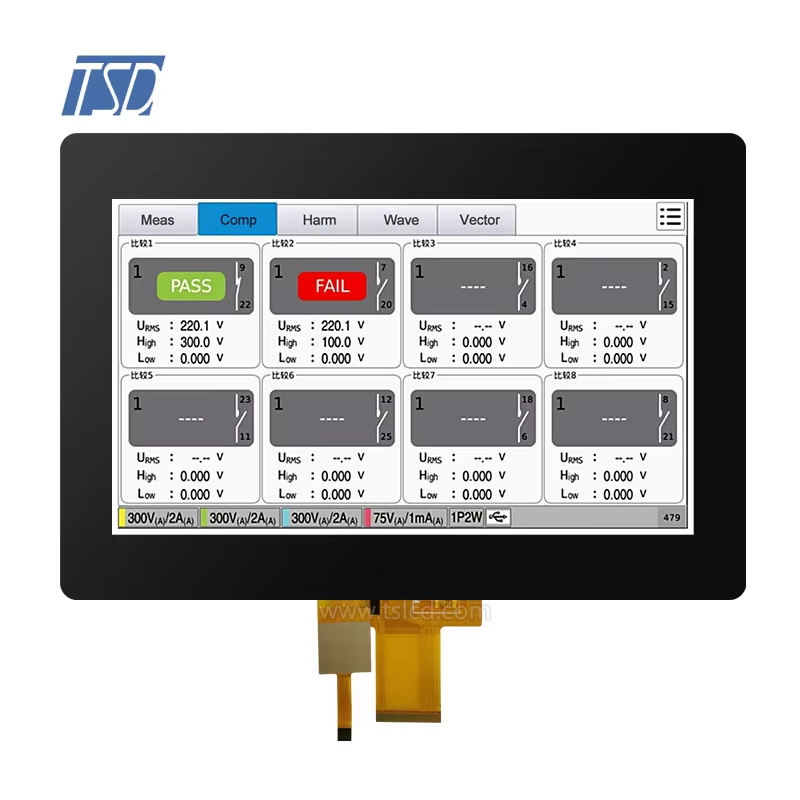
Character LCD modules represent a cornerstone technology in industrial and consumer electronics, providing cost-effective solutions for displaying text and alphanumeric data. These specialized display components have remained essential across decades of technological evolution because they combine simplicity, durability, and exceptional reliability. Understanding how character LCD modules function and why they remain the preferred choice for countless applications is crucial for engineers, product designers, and procurement professionals seeking dependable display solutions that won't compromise operational integrity.
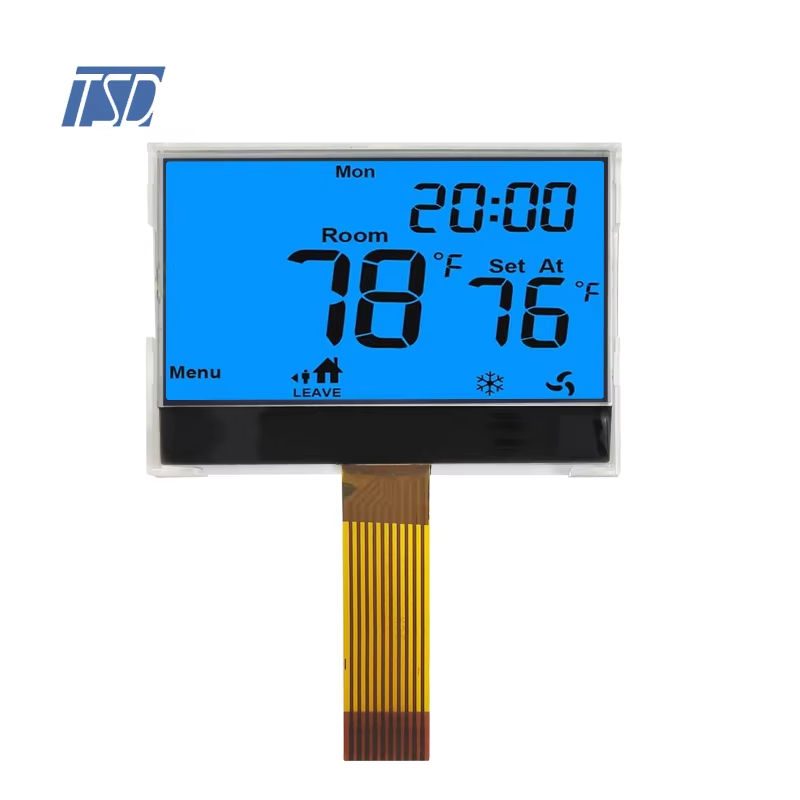
The production of character LCD modules involves precision engineering and rigorous quality control processes that ensure each display meets stringent performance standards. Manufacturers of character LCD technology invest heavily in advanced fabrication equipment, material selection, and testing protocols to deliver components that function reliably across temperature extremes, humidity variations, and demanding operational environments. The character LCD market continues to thrive globally because these modules offer unmatched value in applications where text-based information display is required without unnecessary complexity or power consumption overhead.
Understanding Character LCD Module Construction
Core Components and Architecture
A character LCD module contains several interconnected components working in precise coordination to render text on a display screen. The heart of each character LCD consists of a liquid crystal layer sandwiched between polarized glass plates, with a backlight assembly positioned behind to illuminate the display area. Character LCD modules typically feature segmented electrode patterns that form individual character cells, allowing the display to show letters, numbers, and symbols with exceptional clarity. The control circuitry embedded within character LCD modules manages the voltage application, refresh rates, and contrast adjustments necessary for stable visual output.
Manufacturing Standards and Quality Assurance
Modern character LCD production facilities follow internationally recognized standards to guarantee consistency and longevity of their products. Manufacturers conducting character LCD production implement rigorous incoming material inspections, process control checkpoints, and final performance validation before shipment. Every character LCD module undergoes accelerated life testing, temperature cycling, and operational verification to confirm it will deliver years of trouble-free service. The attention to detail in character LCD manufacturing directly translates to reduced field failures, lower maintenance costs, and extended product lifecycles for end applications.
Performance Characteristics and Reliability Advantages
Display Performance Specifications
Character LCD modules deliver exceptional contrast ratios, typically ranging from 3:1 to 8:1, depending on backlight configuration and specific viewing angle requirements. The response time of character LCD technology is negligible for text display applications, ensuring instantaneous character rendering without visual artifacts or flicker. Character LCD modules maintain consistent luminosity across wide temperature ranges, from below freezing to elevated industrial operating conditions, making them ideal for outdoor kiosks, automotive systems, medical devices, and process control equipment. The viewing angle characteristics of character LCD modules, often reaching 60 degrees horizontally and vertically, provide flexibility in equipment design and user interface positioning.
Reliability in Demanding Environments
Industrial environments present numerous challenges to electronic displays, yet character LCD modules consistently demonstrate exceptional durability and fault tolerance. The absence of active light-emitting elements in character LCD technology means minimal thermal stress and extended operational lifespan compared to alternatives. Character LCD modules exhibit remarkable resistance to electromagnetic interference, making them suitable for environments with high-frequency equipment, power distribution systems, and wireless communication networks. The mechanical robustness of character LCD components allows them to withstand vibration, shock, and physical stress common in manufacturing facilities, transportation systems, and field-deployed equipment.
Applications and Selection Considerations
Industry-Specific Applications
Character LCD modules power critical information displays across healthcare, industrial automation, telecommunications, and energy management sectors. Medical diagnostic equipment, laboratory analyzers, and patient monitoring systems rely on character LCD technology for real-time status reporting and measurement data presentation. Manufacturing control systems, industrial programmable logic controllers, and enterprise automation platforms depend on character LCD modules to communicate system status, parameter values, and operator instructions. Telecommunications infrastructure, point-of-sale terminals, security systems, and environmental monitoring equipment continue to leverage character LCD technology because of its proven reliability and compatibility with embedded system architectures.
Selection and Integration Factors
Choosing the appropriate character LCD module requires careful evaluation of display size, character count, backlight type, and interface protocol compatibility. Engineers must assess operating temperature ranges, humidity exposure, and EMI environment to select character LCD variants engineered for specific conditions. Communication interface options for character LCD modules include parallel bus protocols, serial interfaces, and I2C connections, each offering distinct advantages for different system architectures. Power consumption analysis is essential when integrating character LCD modules into battery-powered devices or systems with strict energy budgets. Procurement teams should verify that candidate character LCD suppliers maintain consistent quality standards, provide comprehensive technical documentation, and offer reliable long-term supply commitments essential for production continuity.
FAQ
What distinguishes character LCD technology from graphical LCD displays?
Character LCD modules display predefined characters from internal font memory, whereas graphical displays allow pixel-by-pixel control for custom images. Character LCD technology consumes significantly less power and requires minimal processing overhead, making it ideal for simple text presentation. Graphical displays offer greater design flexibility but demand substantially more processing power, memory bandwidth, and controller sophistication. For applications requiring only alphanumeric information display, character LCD modules deliver superior cost-effectiveness and reliability compared to graphical alternatives.
How do operating temperature ranges affect character LCD module performance?
Character LCD modules maintain display functionality across specified temperature ranges, though liquid crystal response time and contrast characteristics vary with temperature changes. Industrial-grade character LCD modules are engineered to function reliably from minus 20 degrees Celsius to plus 70 degrees Celsius or beyond, compared to standard commercial variants with narrower operating windows. Manufacturers specify character LCD temperature specifications clearly in datasheets to help engineers select appropriate modules for their thermal environments. Exceeding character LCD temperature limits can result in temporary performance degradation or permanent damage, making proper thermal management essential in high-temperature industrial applications.
What maintenance is required for character LCD modules in production equipment?
Character LCD modules require minimal routine maintenance because they contain no moving parts and generate negligible heat. Periodic cleaning of display surfaces with appropriate soft materials and mild cleaners prevents dust accumulation and maintains display clarity without damaging the character LCD module. Manufacturers recommend avoiding direct exposure of character LCD components to extreme moisture, chemical vapors, or abrasive materials that could compromise sealing or optical properties. Proper installation practices, adequate ventilation around character LCD modules, and compliance with specified electrical parameters ensure long-term reliable operation throughout the device lifecycle.