
 EN



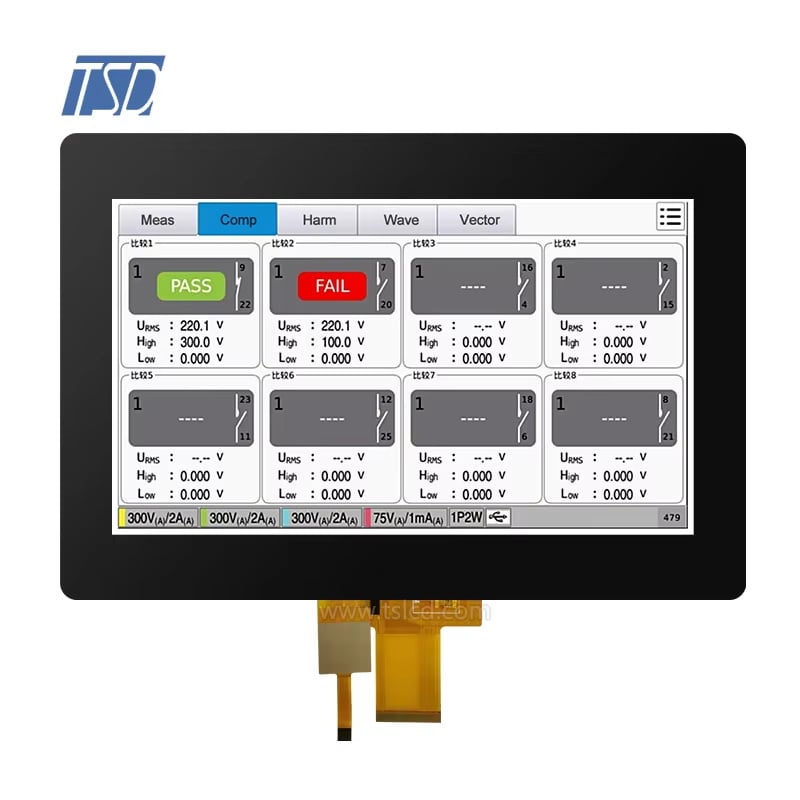
Telecom equipment demands precision, reliability, and clear visual communication across diverse operating conditions. Character LCD displays have emerged as the preferred solution for conveying critical information in specialized telecom gear, from network monitoring systems to field equipment and control interfaces. A character LCD module provides alphanumeric and symbol display capabilities that are essential for technicians and operators who need instant access to system status, error codes, configuration parameters, and performance metrics. These compact yet powerful character LCD modules integrate seamlessly into existing telecom infrastructure while maintaining backward compatibility with legacy systems.
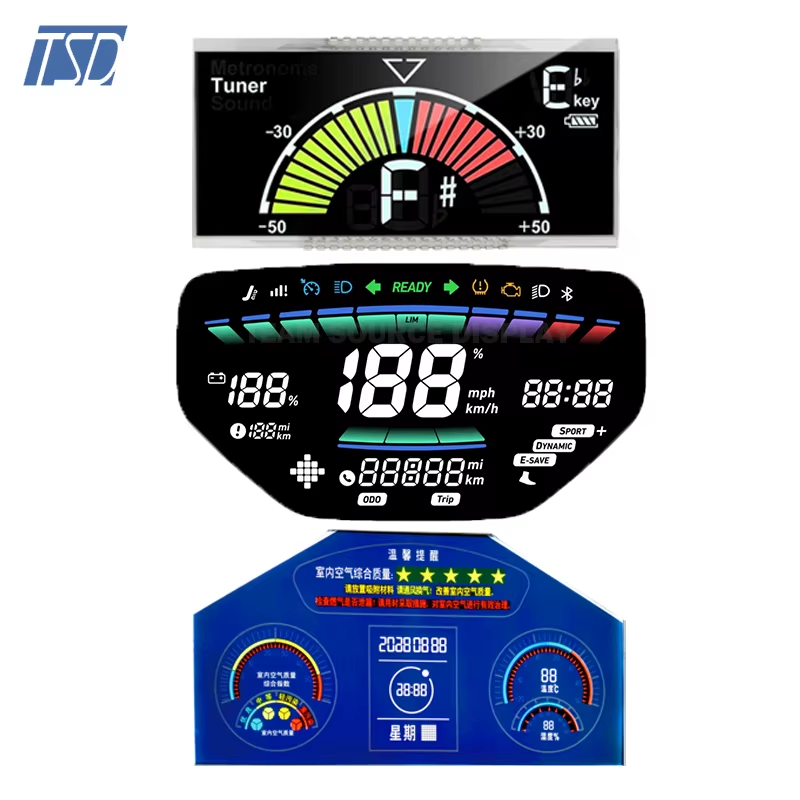
The telecom industry relies on character LCD technology because it delivers consistent performance across temperature extremes, high-vibration environments, and challenging electromagnetic conditions. Unlike graphic displays that consume significant power and require complex controllers, a character LCD module offers an energy-efficient alternative that extends battery life in portable devices and reduces operational costs in stationary systems. Understanding how character LCD modules function within telecom applications helps engineers and procurement specialists make informed decisions about display technology, cost structure, and long-term equipment viability.
Core Design Features of Character LCD Modules for Telecom Applications
Construction and Technical Specifications
Character LCD modules designed for telecom gear feature robust construction that withstands harsh industrial environments. A character LCD module typically incorporates a liquid crystal material sandwiched between two polarizing layers and segmented electrode arrays that create individual character positions. Each character LCD module integrates driver electronics, backlighting options, and protective housing to ensure durability and readability in field conditions. The modular architecture allows telecom manufacturers to standardize interfaces across product lines, reducing inventory complexity and accelerating time-to-market for new equipment.
Display Capacity and Configuration Options
Telecom applications leverage character LCD modules in various configurations, from simple single-line displays showing network status to multi-line modules displaying complex parameter sets. A character LCD module can range from 8-character single-line displays to 20-character by 4-line configurations, depending on information density requirements. The flexibility of character LCD modules enables design engineers to select the exact display footprint needed without over-engineering or creating unnecessary component complexity. This modularity makes character LCD technology ideal for retrofit applications where space constraints and existing mechanical interfaces require precise fit specifications.
Performance Advantages in Telecom Equipment
Reliability Under Demanding Conditions
Telecom infrastructure operates in environments ranging from temperature-controlled server rooms to outdoor equipment cabinets exposed to extreme heat and cold. Character LCD modules maintain consistent contrast and response times across these temperature ranges, ensuring that technicians can read critical information regardless of deployment location. The passive nature of character LCD technology eliminates many failure modes associated with more complex active-matrix displays, resulting in lower warranty costs and extended mean-time-between-failures metrics. Field operators depend on character LCD modules to provide instant visual feedback without the frustration of display lag or unresponsive performance during emergency procedures.
Power Efficiency and Cost Optimization
A character LCD module consumes minimal power compared to graphic displays or LED solutions, enabling telecom manufacturers to reduce power supply sizing and thermal management requirements. This energy efficiency directly translates to lower system operating costs, particularly in remote installations where AC power availability is limited and backup power systems must support extended operation. Character LCD modules also eliminate the need for complex image processing and rendering logic, reducing microcontroller overhead and enabling simpler firmware architectures. These cost reductions accumulate across large-scale telecom deployments, making character LCD the economical choice for standardized monitoring and control interfaces.
Integration and Implementation Considerations
Interface Standards and Protocol Support
Modern character LCD modules support industry-standard communication protocols including parallel interfaces, I2C, and SPI, enabling seamless integration with telecom control systems. A character LCD module equipped with standard parallel interface requires minimal firmware complexity, allowing engineers to implement display functionality with just a few microcontroller pins. The mature ecosystem of character LCD drivers and controller boards means that design engineers can leverage proven circuit designs and open-source software libraries to accelerate development cycles. This standardization reduces technical risk and shortens the pathway from concept to production for telecom equipment manufacturers targeting competitive market windows.
Environmental Sealing and Protective Housing
Character LCD modules intended for telecom applications often incorporate environmental sealing features including potted connectors, silicone gaskets, and conformal coating to resist moisture ingress and corrosion. These protective measures ensure that a character LCD module maintains performance in coastal environments, industrial settings with chemical exposure, and humidity-rich data centers. The structural integration of character LCD modules into larger equipment assemblies requires careful attention to mechanical stress relief and vibration isolation to prevent display misalignment and connector fatigue. Telecom manufacturers specify these protective features during the design phase to ensure that character LCD displays remain readable and functional throughout the expected equipment lifecycle.
FAQ
What makes character LCD modules superior to graphic displays for telecom applications?
Character LCD modules excel in telecom applications because they require less power, simpler control electronics, and deliver faster response times for status and error code display. Graphic displays demand higher power consumption, more complex firmware, and additional processing overhead, making them less suitable for cost-sensitive and energy-constrained telecom installations. A character LCD module provides the exact information density needed without the unnecessary complexity and expense of graphic capabilities that telecom operators rarely utilize.
How do character LCD modules handle temperature variations in outdoor telecom cabinets?
Character LCD modules maintain stable performance across extended temperature ranges through carefully formulated liquid crystal materials and calibrated driving voltages. Manufacturers specify operating temperature ranges for character LCD modules, typically from negative ten to sixty degrees Celsius, ensuring visibility and response consistency regardless of environmental conditions. The passive nature of character LCD technology eliminates many temperature-induced failures that plague active-matrix displays, contributing to reliable long-term performance in outdoor and uncontrolled environments.
Can character LCD modules integrate with existing telecom system architectures?
Yes, a character LCD module integrates readily with established telecom control systems through standard parallel interfaces and common I2C or SPI communication protocols. The mature design ecosystem and widespread availability of character LCD controllers mean that integration requires minimal custom firmware development. Many telecom manufacturers already maintain reference designs and integration guidelines for character LCD modules, enabling rapid deployment across their equipment portfolios.