
 EN
EN



Every graphic designer depends on one critical piece of hardware to evaluate color, contrast, and composition accurately — the display. An IPS LCD display module has become a foundational component in professional design gear because it delivers the color fidelity and viewing-angle consistency that creative work demands. Without the right IPS LCD display module, designers risk making decisions based on inaccurate visuals that lead to costly reprints, client revisions, and missed deadlines.
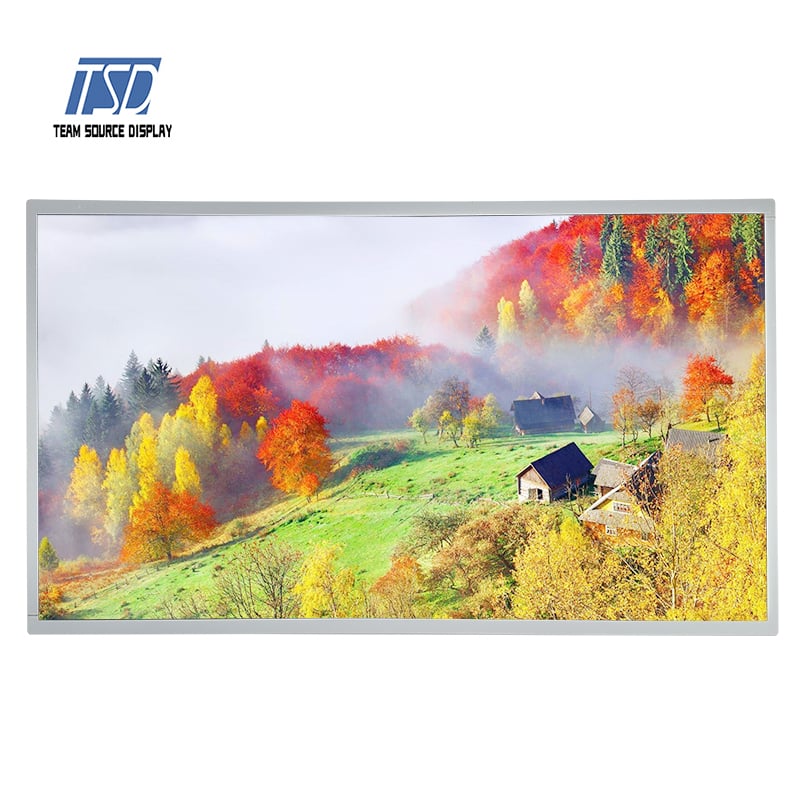
The role of an IPS LCD display module in graphic design gear goes far beyond simply showing an image on screen. Each IPS LCD display module is engineered to maintain color accuracy across a wide range of hues, saturation levels, and brightness values. When a professional selects an IPS LCD display module for their workstation or portable design tool, they are investing in a component that directly shapes the reliability of every visual decision they make throughout the design process.
Color Accuracy and Why It Defines Professional Output
The Color Performance of an IPS LCD Display Module
The defining strength of an IPS LCD display module lies in its ability to reproduce colors with exceptional precision. An IPS LCD display module uses in-plane switching technology, which aligns liquid crystals horizontally to produce richer, more stable color output than competing panel types. Graphic designers working on brand identities, packaging, or editorial layouts rely on an IPS LCD display module to present colors that match real-world printing standards and digital publication requirements. When an IPS LCD display module renders a specific shade of red or a subtle gradient, the result is consistent and true to the original design intent.
A high-quality IPS LCD display module typically supports a wide color gamut, often covering a significant portion of the sRGB or Adobe RGB color space. This makes the IPS LCD display module indispensable for professionals who must ensure that what they see on screen matches what a client will see in print or on another calibrated device. Each IPS LCD display module in a professional-grade design setup reduces the guesswork that can derail a project's visual consistency from concept to final delivery.
Contrast and Brightness Uniformity Across the Panel
Beyond color, an IPS LCD display module provides strong contrast ratios and consistent brightness uniformity across the entire panel surface. This means that a designer using an IPS LCD display module can evaluate shadow detail and highlight recovery in photographs or illustrations without worrying about dark corners or bright hotspots misleading their judgment. The IPS LCD display module achieves this by distributing backlight evenly and maintaining stable pixel response, which together create a reliable visual environment for critical design work.
Wide Viewing Angles and Their Impact on Design Workflows
How Viewing Angle Stability Benefits Design Professionals
An IPS LCD display module is specifically built to maintain color and contrast accuracy across wide horizontal and vertical viewing angles, typically up to 178 degrees in both directions. This is particularly important for graphic designers who frequently share their screen with clients or colleagues during review sessions. With an IPS LCD display module, the colors visible from the side remain nearly identical to those seen from directly in front of the panel. Designers no longer need to reposition themselves constantly or worry that a client viewing the same IPS LCD display module from a slightly different angle is seeing a washed-out or color-shifted version of the design.
The wide viewing angle of an IPS LCD display module also matters for multi-monitor setups, which are common in professional design studios. When several IPS LCD display module panels are arranged side by side, the visual consistency between them is far easier to maintain than with narrower-angle panel technologies. Each IPS LCD display module in the array presents content with matching tonality, making it easier to work across multiple screens without losing confidence in color decisions.
Reducing Eye Fatigue During Extended Design Sessions
An IPS LCD display module with good backlight stability and anti-glare properties helps designers work for extended sessions without excessive eye strain. Because an IPS LCD display module minimizes color shift and flicker, the visual experience remains stable over hours of use. This is a practical advantage that design professionals notice immediately when switching from a lower-quality panel to a well-engineered IPS LCD display module. Reduced eye fatigue translates directly into better productivity and more accurate creative decisions across a full working day.
Resolution, Integration, and Build Quality for Design Gear
Why Full HD and Higher Resolutions Matter in an IPS LCD Display Module
A professional IPS LCD display module intended for design gear typically supports Full HD resolution at 1920 by 1080 pixels or higher, delivering sharp text, fine lines, and detailed imagery. The pixel density offered by a quality IPS LCD display module ensures that typography appears crisp and that fine design elements are clearly distinguishable during the creation process. A well-specified IPS LCD display module paired with a reliable interface such as LVDS provides stable signal transmission and consistent frame rendering, which is essential for design applications that demand steady visual output. Designers who integrate an IPS LCD display module at this resolution level gain a meaningful edge in accuracy and workflow efficiency.
Durability and Integration Flexibility of an IPS LCD Display Module
An IPS LCD display module designed for professional environments is built to withstand continuous operation and varied integration demands. Whether embedded in a dedicated design workstation, a portable review tablet, or a collaborative display panel, an IPS LCD display module provides consistent performance across use cases. The build quality of a professional IPS LCD display module includes stable connector interfaces, reliable backlight systems, and durable panel coatings that resist glare and scratching. Selecting the right IPS LCD display module for a given design application means evaluating these physical attributes alongside the optical specifications to ensure long-term reliability in a demanding creative environment.
FAQ
What makes an IPS LCD display module better than other panel types for graphic design?
An IPS LCD display module offers superior color accuracy, wider viewing angles, and better brightness uniformity compared to TN or VA panels. These qualities make an IPS LCD display module the preferred choice for professional graphic design work where visual precision is critical.
Can an IPS LCD display module support color-critical work like print design?
Yes. A well-specified IPS LCD display module with broad color gamut coverage is well-suited for print design workflows. The IPS LCD display module reproduces colors reliably enough for designers to match screen output to printed proofs with confidence.
How does resolution affect the usefulness of an IPS LCD display module for designers?
Resolution determines how much fine detail the IPS LCD display module can render on screen. A Full HD or higher resolution IPS LCD display module allows designers to evaluate typography, fine lines, and intricate graphic elements with clarity, reducing errors and improving overall design quality.