
 EN
EN



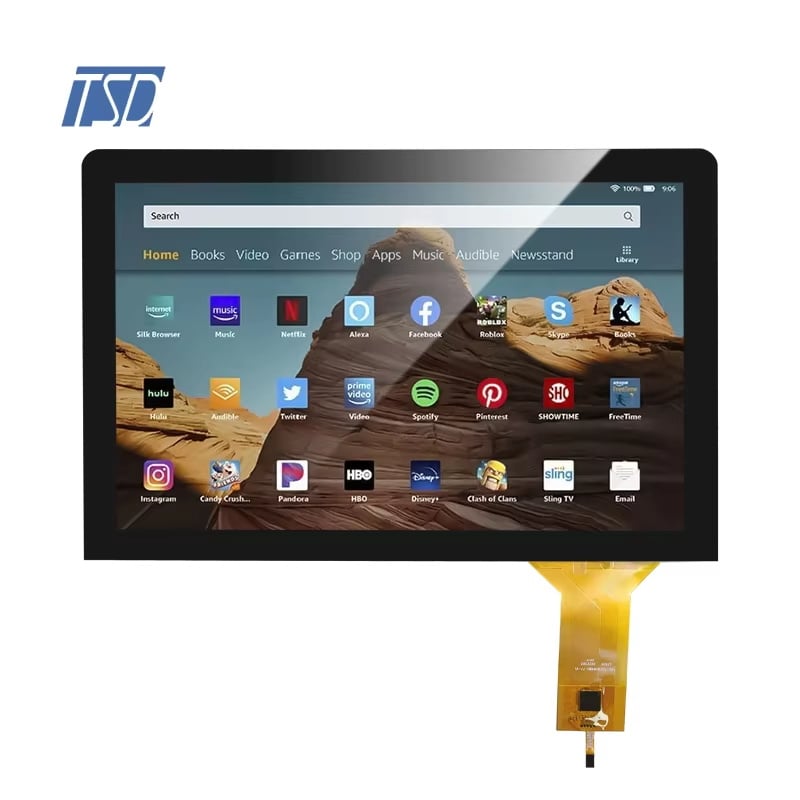
When industrial engineers and procurement teams search for display solutions that fit precise operational requirements, a custom LCD sourced directly from a specialized factory offers a decisive advantage. Unlike off-the-shelf panels designed for mass consumer markets, a custom LCD is engineered around the exact dimensions, viewing angles, temperature tolerances, and interface specifications that industrial applications demand. Sourcing factory direct eliminates intermediary markups and shortens lead times, making the process faster and more cost-effective for businesses that cannot afford delays.
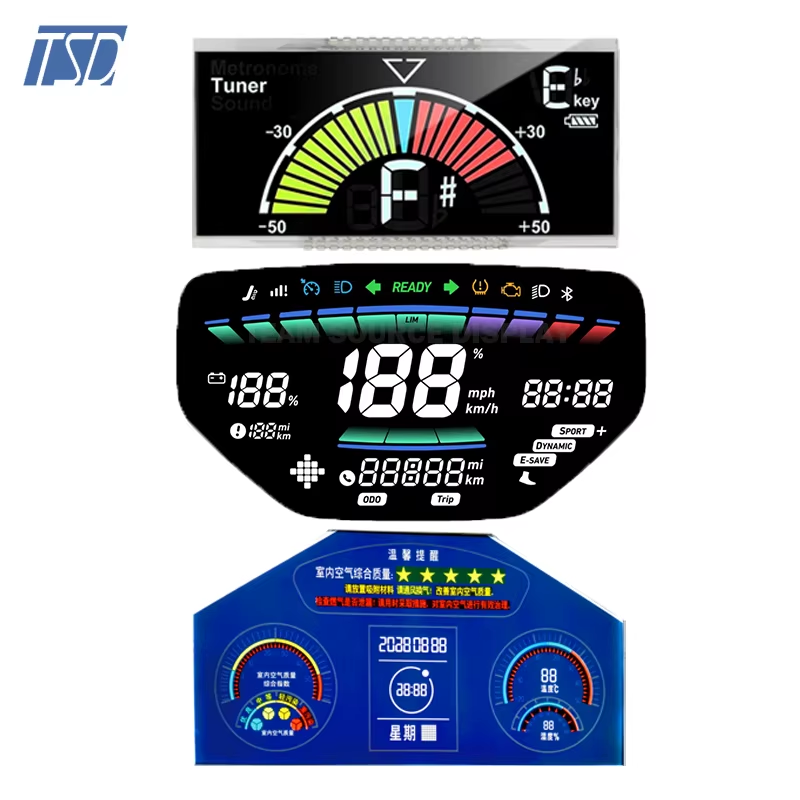
The industrial sector encompasses a wide range of applications, from motorcycle speedometers and car dashboard clusters to medical instruments, heavy machinery controls, and energy meters. Each of these environments places unique demands on a custom LCD in terms of display technology, segment layout, contrast ratio, and durability. A factory that specializes in custom LCD production understands these variables deeply and can translate them into reliable, repeatable manufacturing outcomes. This article explores why factory-direct custom LCD sourcing is the right strategy for specialized industrial needs, how the customization process works, and what factors engineering teams should evaluate when selecting a custom LCD partner.
Why Factory Direct Custom LCD Sourcing Makes Industrial Sense
Cost Efficiency and Direct Access to Engineering Expertise
Sourcing a custom LCD directly from a factory removes the distributor layer from the supply chain. This direct relationship means that every dollar spent goes toward actual product development and manufacturing rather than reseller margins. For industrial buyers who require custom LCD units in moderate to high volumes, the cost difference becomes significant over a product lifecycle. Beyond pricing, factory-direct access means your engineering team communicates directly with the people who design and build the custom LCD, resulting in faster iteration, cleaner technical alignment, and fewer misinterpretations.
A specialized custom LCD factory typically maintains in-house tooling capabilities, which means new segment masks, graphic layers, and housing shapes can be developed without outsourcing to third parties. This integration tightens the feedback loop between buyer specifications and production samples. When a product requires a non-standard custom LCD shape, such as an arc-shaped gauge display or a multi-zone segment panel, the factory can prototype and test these configurations internally before committing to full production runs.
Consistency and Quality Control at Scale
Industrial applications demand consistency. A custom LCD installed in a vehicle dashboard cluster or an outdoor meter must perform identically across thousands of units. Factory-direct production provides direct oversight of the quality control process, including contrast uniformity, backlight longevity, and solder reliability. When a custom LCD factory maintains ISO-certified processes and in-line optical testing, buyers gain confidence that every unit shipped matches the approved sample. This level of accountability is difficult to achieve through third-party distribution channels, where batch inconsistencies often go undetected until field failures emerge.
How the Custom LCD Customization Process Works
From Specification to First Sample
The custom LCD development process begins with a detailed specification review. Industrial clients provide information including display dimensions, active area size, segment count or graphic resolution, operating temperature range, drive voltage, interface type such as SPI or parallel, and mounting requirements. A capable custom LCD factory will assign a technical account team to review these inputs and identify any constraints or optimization opportunities before tooling begins. This early-stage collaboration often prevents costly redesigns later in the project.
Once specifications are confirmed, the factory produces a custom LCD photomask for the segment or graphic layer. Prototypes are manufactured and submitted for functional and environmental testing. Industrial clients typically evaluate the custom LCD sample against vibration tolerance, thermal cycling performance, and readability under ambient light conditions relevant to the end-use environment. Revisions are incorporated into subsequent sample iterations until the custom LCD meets all acceptance criteria.
Display Technology Options for Industrial Applications
Industrial applications can be served by several custom LCD technologies, each with distinct characteristics. VA-type custom LCD panels offer high contrast ratios and wide temperature performance, making them well-suited for outdoor instruments and automotive displays. STN custom LCD panels provide a cost-effective balance of multiplexing capability and readability for multi-digit segment displays. TN and HTN custom LCD configurations are commonly used in cost-sensitive applications where viewing angle requirements are moderate. A knowledgeable custom LCD factory will recommend the appropriate technology based on the operating environment, not simply what is easiest to produce.
Key Factors When Selecting a Custom LCD Factory Partner
Technical Breadth and Application Experience
Not every custom LCD factory has the same depth of capability. When evaluating a partner for specialized industrial needs, buyers should assess whether the factory has produced custom LCD units for comparable applications, such as speedometers, instrumentation panels, or harsh-environment controls. A factory with proven experience in these categories will have established design rules, validated component libraries, and a documented understanding of regulatory and certification requirements relevant to those markets. Requesting application case studies and sample product cross-sections gives a clear picture of the factory's actual custom LCD engineering maturity.
Production flexibility is another critical criterion. Industrial projects often require custom LCD orders in quantities that are too small for a large consumer-grade display factory but too technical for a generic small-batch supplier. The right custom LCD factory serves this mid-range segment with dedicated tooling amortization models, flexible minimum order quantities, and scalable production scheduling. This flexibility allows industrial clients to launch new products without overcommitting capital to inventory before market demand is proven.
Long-Term Supply Reliability and Component Continuity
Industrial equipment often has product lifecycles spanning five to fifteen years. A custom LCD integrated into a piece of machinery or a vehicle instrument cluster must remain available for the duration of that lifecycle to support after-market service and repair. When choosing a custom LCD factory, buyers should inquire about tooling retention policies, component sourcing continuity, and the factory's approach to end-of-life notifications. A reliable custom LCD partner will hold tooling assets, document all specifications, and provide advance notice before any material or process changes that could affect the approved custom LCD configuration.
FAQ
What display technologies are available for a custom LCD designed for automotive dashboards?
Automotive dashboard applications typically use VA, STN, TN, or HTN custom LCD technologies. VA custom LCD panels are preferred when high contrast and wide operating temperatures are required. STN custom LCD panels suit multi-segment numeric displays, while TN and HTN custom LCD options are used where cost efficiency is a priority and viewing angle demands are lower.
How long does it take to develop a new custom LCD from specification to production?
The development timeline for a custom LCD varies by complexity. A standard segment custom LCD with a defined shape and interface typically requires four to eight weeks from confirmed specification to first sample. Graphic or multi-layer custom LCD designs with unique shapes may require eight to twelve weeks. Mass production of a validated custom LCD generally begins within two to four weeks after sample approval.
What minimum order quantities are typical for factory-direct custom LCD production?
Minimum order quantities for a custom LCD vary by factory and application type. Segment custom LCD modules for industrial instruments often start at five hundred to one thousand units per run, while graphic custom LCD panels may have higher tooling amortization thresholds. Discussing MOQ requirements early in the custom LCD project ensures the commercial model aligns with the buyer's volume forecast before tooling investment is made.