
 EN



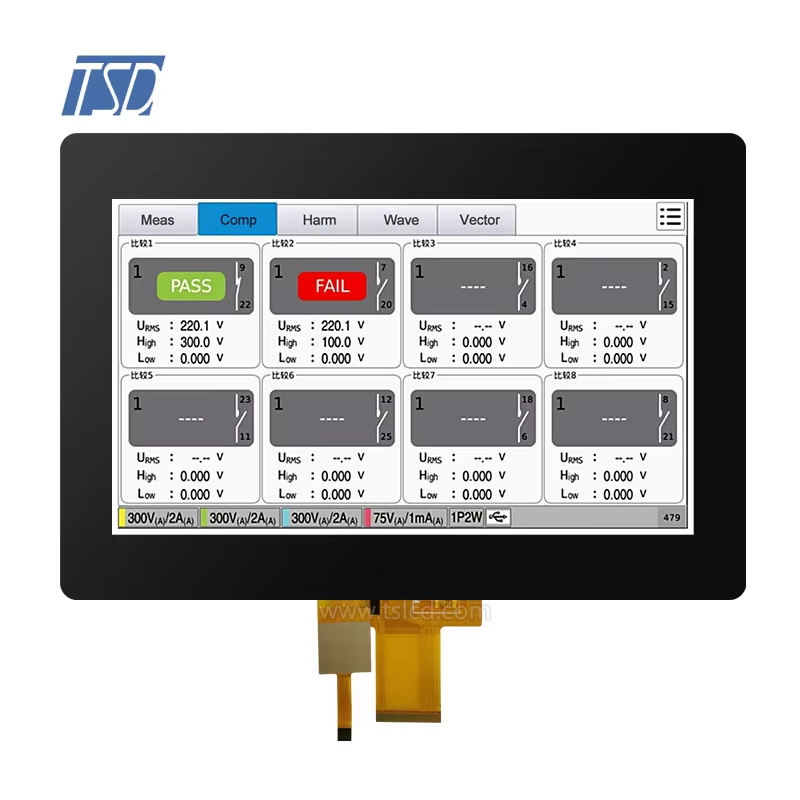
The reliability of industrial display systems depends fundamentally on rigorous quality control during manufacturing. A character lcd module represents a critical interface between operators and complex machinery, making its durability non-negotiable in mission-critical applications. Organizations that fail to implement comprehensive quality assurance protocols risk catastrophic field failures, production downtime, and costly warranty claims. Understanding how to establish and maintain character lcd quality standards is essential for engineers, procurement specialists, and manufacturing leaders who demand long-life stability from their display components.
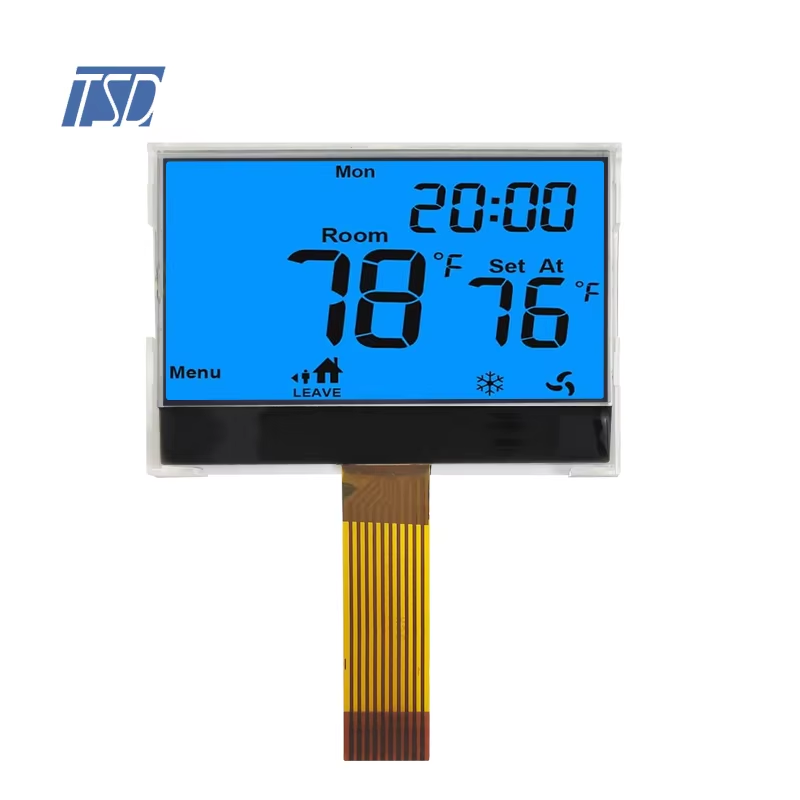
Quality control for character lcd modules goes far beyond initial visual inspection. Modern character lcd systems must withstand temperature extremes, mechanical stress, humidity fluctuations, and extended operational cycles without degradation. A character lcd that functions perfectly on day one but fails after eighteen months in the field represents a systemic quality failure, not a manufacturing anomaly. This article explores the engineering disciplines, testing methodologies, and performance benchmarks that distinguish robust character lcd implementations from those prone to premature failure.
Defining Quality Standards for Character LCD Modules
Core Performance Specifications for Character LCD Stability
Every character lcd module must operate within defined electrical and environmental parameters to maintain long-life stability. Contrast ratio, refresh rate, response time, and operating voltage represent fundamental specifications that character lcd manufacturers establish during product design. These baseline specifications form the foundation for quality control acceptance criteria. Character lcd modules that deviate from specification ranges during incoming inspection signal potential manufacturing defects, batch contamination, or component drift that may accelerate failure mechanisms in the field.
Optical performance of character lcd displays requires particular attention because visual degradation directly impacts operator trust and safety. Character lcd contrast must remain stable across the specified operating temperature range, typically from minus ten to plus fifty degrees Celsius for industrial applications. Segment brightness uniformity across the display face ensures that operators receive consistent information across all character lcd areas. Character lcd modules exhibiting uneven brightness patterns during initial acceptance testing often indicate LCD layer defects, polarizer delamination, or backlight distribution problems that will worsen under thermal stress.
Environmental Operating Range Validation
The character lcd module's specified operating range defines the boundaries within which manufacturers guarantee performance. This range typically includes temperature limits, humidity tolerance, and supply voltage windows. Quality control procedures must verify that each character lcd batch can function reliably at the extremes of the declared operating range. Character lcd modules must maintain readable contrast at the coldest operating temperature and must not exhibit image smearing, segment bleeding, or response lag at the hottest temperature.
Humidity resistance represents a critical but often underestimated aspect of character lcd longevity. High-humidity environments accelerate corrosion on PCB traces, degrade LCD seal integrity, and promote conductive bridging between display segments. Character lcd modules destined for marine, food processing, or pharmaceutical applications must demonstrate exceptional humidity resistance through accelerated testing protocols. Organizations procuring character lcd components must specify humidity operating ranges explicitly and verify that quality control testing includes humidity chamber cycles.
Accelerated Stress Testing and Life Cycle Validation
Thermal Cycling and Temperature Shock Testing
Thermal cycling represents one of the most destructive stress mechanisms affecting character lcd reliability. Repeated expansion and contraction of semiconductor junctions, LCD layer materials, and solder connections accumulate microscopic damage that eventually manifests as electrical failure or visual degradation. Comprehensive quality control for character lcd modules must include thermal cycling tests that simulate years of field temperature variation in compressed timeframes. Standard thermal cycling typically ranges from negative twenty to plus eighty degrees Celsius across fifty to one hundred cycles for character lcd components.
Character lcd modules undergo critical transformation during thermal cycling because different materials expand at different rates. The liquid crystal material itself exhibits temperature-dependent viscosity changes that affect response time and contrast performance. Character lcd modules must maintain specification compliance throughout thermal cycling to demonstrate manufacturing robustness. Quality control protocols typically measure optical and electrical parameters at temperature extremes during cycling intervals, documenting any degradation trends that suggest design or manufacturing vulnerabilities.
Humidity and Salt-Fog Environmental Exposure
Corrosion represents a silent killer of character lcd reliability in challenging environmental conditions. Salt-fog testing exposes character lcd modules to accelerated corrosion conditions that simulate years of coastal or high-salt-environment operation. Character lcd display segments and interconnecting traces must withstand standardized salt-fog protocols without electrical leakage, segment bridging, or open-circuit failures. Quality control programs that skip salt-fog testing for character lcd modules intended for harsh environments risk field failures within months rather than years.
The interaction between moisture and character lcd backlight systems creates additional failure pathways. LED backlights in character lcd modules can degrade through moisture ingress and oxidation of internal solder connections. Character lcd modules with epoxy-sealed LCD cavities and conformal-coated PCBs demonstrate substantially better performance in humidity stress testing. Advanced quality control procedures now include pressure-humidity testing that combines elevated humidity with positive pressure to drive moisture penetration and accelerate corrosion detection.
Functional Testing and Performance Monitoring
Segment-by-Segment Functional Verification
A character lcd module containing defective display segments represents an obvious quality failure, yet insufficient testing procedures miss such defects regularly. Modern quality control systems employ automated test equipment that energizes every segment sequentially and validates optical response using light sensors or camera-based vision systems. Character lcd modules that fail to activate specific segments during functional testing indicate manufacturing defects in segment electrode deposition, LCD layer alignment, or segment driver circuitry.
Response time testing ensures that character lcd modules display information updates at acceptable speeds for operator interaction. Slow response times in character lcd displays can create confusing display states where old information remains visible momentarily alongside new data. Quality control procedures must measure segment activation and deactivation times to ensure character lcd performance remains consistent across the specified operating temperature range. Character lcd modules exhibiting delayed segment response during cold-temperature testing often indicate LCD viscosity issues or backlight warm-up problems requiring design investigation.
Contrast and Viewing Angle Consistency
Display contrast represents the critical parameter affecting operator ability to read character lcd information in ambient light conditions. Quality control testing must measure contrast ratios at specified positions and viewing angles across the character lcd active area. Contrast degradation at extreme viewing angles indicates LCD layer defects or polarizer orientation misalignment that compromises usability. Character lcd modules must maintain minimum contrast ratios at the edges and corners of the display to prevent information loss for operators at non-optimal viewing positions.
Backlight uniformity profoundly influences character lcd readability and perceived quality. Uneven backlight illumination creates 'hot spots' and 'dark areas' within the character lcd display that distract operators and reduce information processing efficiency. Quality control procedures now employ thermal imaging and photometric analysis to map backlight intensity distribution across the character lcd viewing area. Character lcd modules failing uniformity criteria during incoming inspection signal manufacturing issues that will only worsen as backlight components age.
FAQ
How often should character LCD modules undergo quality control testing during production?
Comprehensive quality control for character lcd components typically includes 100% incoming electrical testing, segment functionality verification on representative samples, thermal cycling of statistical samples, and humidity-stress testing on validation batches. High-reliability applications often mandate additional burn-in procedures where character lcd modules operate continuously for extended periods to screen out early-failure devices. Character lcd manufacturers and procuring organizations should establish testing frequency based on application criticality, historical failure data, and regulatory requirements specific to their industries.
What are the primary failure modes that character LCD quality control must detect?
The most common character lcd failure modes include segment electrode corrosion causing open circuits, LCD seal degradation allowing internal contamination, backlight LED failure or color shift, contrast degradation from polarizer delamination, and response-time slowdown from LCD material decomposition. Quality control procedures must target these mechanisms specifically through thermal cycling, humidity exposure, electrical parameter monitoring, and accelerated stress testing. Character lcd modules exhibiting early warning signs during quality control testing should trigger root-cause investigation and process corrections to prevent field failures.
Can character LCD modules maintain performance stability without ongoing quality audits from suppliers?
Long-term character lcd reliability depends on continuous supplier quality discipline and regular process audits. Manufacturing process drift, component substitutions, and environmental condition changes can degrade character lcd quality even when suppliers previously maintained excellent standards. Organizations requiring consistent character lcd performance should implement periodic supplier audits, retain samples from each production batch for reference comparison, and establish feedback mechanisms for field failure reporting. Character lcd modules serving critical applications justify investment in supplier partnership programs that emphasize mutual quality improvement rather than price-only procurement decisions.