
 EN
EN



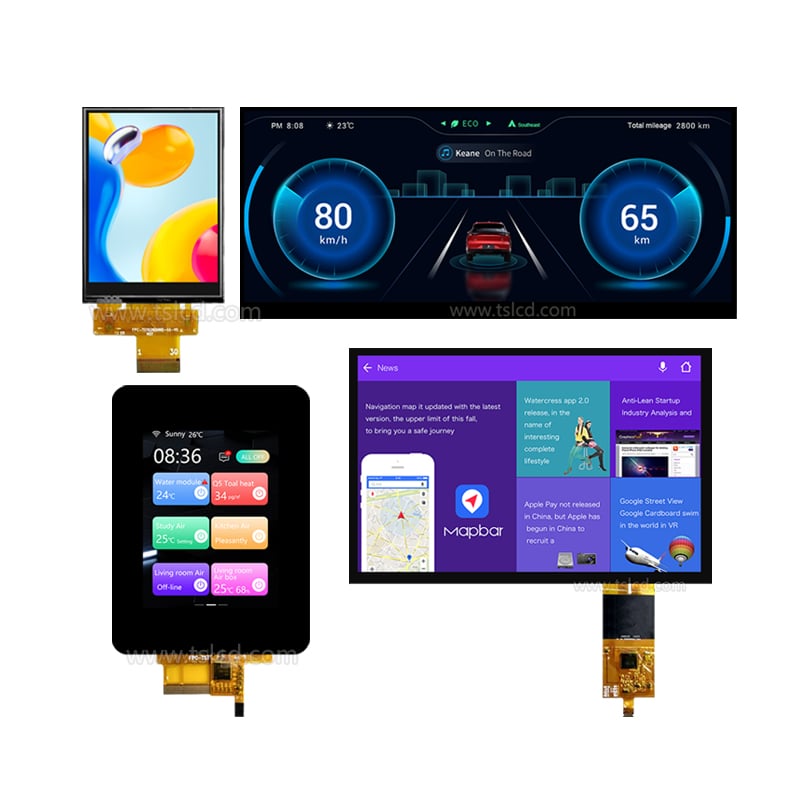
อุตสาหกรรมอิเล็กทรอนิกส์ได้ประสบกับการเปลี่ยนแปลงอย่างร revolutionary จากการนำจอแสดงผล TFT LCD มาใช้อย่างแพร่หลายในหลากหลายการประยุกต์ใช้งาน เทคโนโลยีการแสดงผลขั้นสูงเหล่านี้ได้กลายเป็นพื้นฐานสำคัญของอุปกรณ์อิเล็กทรอนิกส์ยุคใหม่ ตั้งแต่สมาร์ทโฟนและแท็บเล็ต ไปจนถึงแผงควบคุมอุตสาหกรรมและหน้าปัดรถยนต์ จอแสดงผล TFT LCD มีคุณภาพภาพที่เหนือกว่า ประสิทธิภาพการใช้พลังงานที่ดี และความยืดหยุ่นในการใช้งาน ซึ่งเทคโนโลยีการแสดงผลแบบเดิมไม่สามารถเทียบเคียงได้ เมื่อผู้ผลิตยังคงพัฒนาและปรับปรุงโซลูชันการแสดงผลเหล่านี้อย่างต่อเนื่อง จอแสดงผล TFT LCD จึงกำลังกำหนดมาตรฐานใหม่ด้านประสิทธิภาพการมองเห็นและความน่าเชื่อถือในงานประยุกต์ใช้งานเชิงพาณิชย์และอุตสาหกรรม
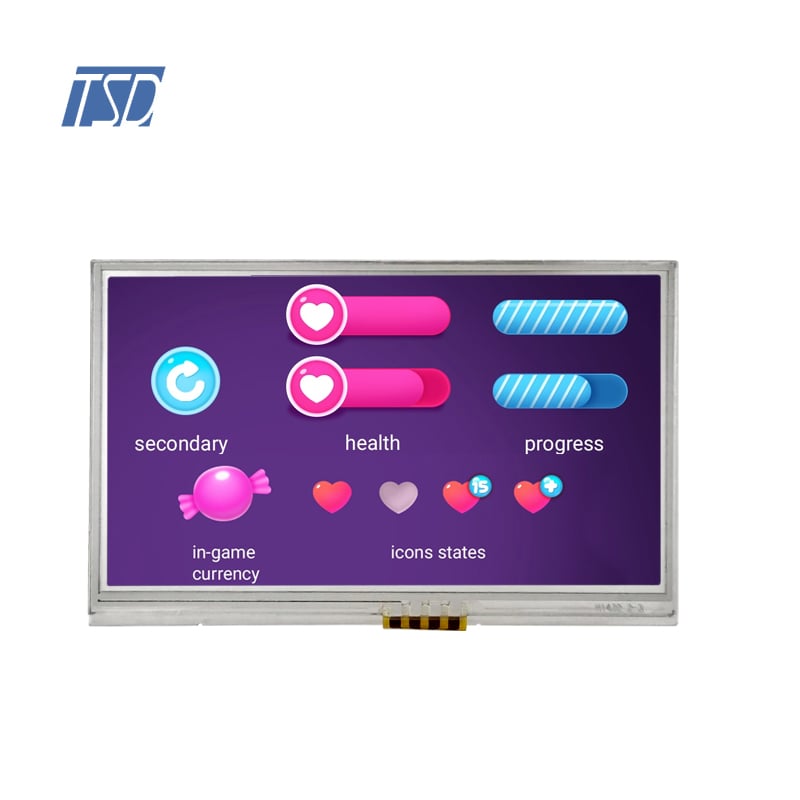
การเข้าใจเทคโนโลยีจอแสดงผล TFT LCD
หลักการทางวิทยาศาสตร์เบื้องหลังสถาปัตยกรรม TFT LCD
จอแสดงผล TFT LCD ใช้เทคโนโลยีทรานซิสเตอร์ฟิล์มบางเพื่อควบคุมพิกเซลแต่ละตัวด้วยความแม่นยำและรวดเร็วอย่างยิ่ง พิกเซลแต่ละตัวประกอบด้วยทรานซิสเตอร์หลายตัวที่ทำหน้าที่ควบคุมการผ่านของแสงผ่านเซลล์ผลึกเหลว ทำให้เกิดสีสันสดใสและคอนทราสต์คมชัด โครงสร้างอันซับซ้อนนี้ช่วยให้จอแสดงผล TFT LCD สามารถทำงานได้ในเวลาตอบสนองที่รวดเร็วและแม่นยำด้านสีอย่างโดดเด่น จนเหนือกว่าเทคโนโลยีการแสดงผลรุ่นก่อนๆ การรวมระบบไฟแบ็คไลท์ขั้นสูงเข้าไปยังระบบยังช่วยยกระดับประสิทธิภาพการแสดงผลทางสายตา ทำให้มั่นใจได้ว่าระดับความสว่างจะสม่ำเสมอทั่วทั้งพื้นผิวของจอแสดงผล
กระบวนการผลิตจอแสดงผล TFT LCD เกี่ยวข้องกับการเคลือบชั้นบางพิเศษของวัสดุเซมิคอนดักเตอร์ลงบนแผ่นแก้วโดยใช้เทคนิคโฟโตลิโธกราฟีขั้นสูง ทรานซิสเตอร์ขนาดจิ๋วนี้ทำหน้าที่เป็นสวิตช์ที่ควบคุมการจัดเรียงตัวของผลึกเหลวอย่างแม่นยำ เพื่อกำหนดปริมาณแสงที่ผ่านแต่ละพิกเซล จอแสดงผล TFT LCD รุ่นใหม่ประกอบด้วยตัวกรองสีและฟิล์มโพลาไรซ์ที่ซับซ้อน ซึ่งทำงานร่วมกันเพื่อให้เกิดการแสดงสีที่ถูกต้องแม่นยำและมุมมองที่ยอดเยี่ยม ผลลัพธ์คือเทคโนโลยีจอแสดงผลที่มอบคุณภาพภาพที่โดดเด่น พร้อมทั้งยังคงความประหยัดพลังงานและความทนทาน
ส่วนประกอบหลักและความเป็นเลิศในการผลิต
การผลิตจอแสดงผล TFT LCD คุณภาพสูงต้องอาศัยวิศวกรรมความแม่นยำและวิทยาศาสตร์วัสดุขั้นสูง องค์ประกอบสำคัญ ได้แก่ ซับสเตรตอาร์เรย์ TFT ชั้นผลึกเหลว ซับสเตรตฟิลเตอร์สี และชุดแบ็คไลท์ แต่ละองค์ประกอบจะต้องได้รับการผลิตตามข้อกำหนดอย่างเคร่งครัด เพื่อให้มั่นใจในประสิทธิภาพและการใช้งานที่ยาวนาน จอแสดงผล TFT LCD ได้รับประโยชน์จากความก้าวหน้าอย่างต่อเนื่องในด้านคุณภาพของซับสเตรตแก้ว การออกแบบทรานซิสเตอร์ และสูตรผลึกเหลว ซึ่งช่วยพัฒนาคุณลักษณะโดยรวมของจอแสดงผล
มาตรการควบคุมคุณภาพตลอดกระบวนการผลิตช่วยให้มั่นใจได้ว่าจอแสดงผล TFT LCD สามารถตอบสนองมาตรฐานประสิทธิภาพที่เข้มงวดสำหรับการใช้งานเชิงพาณิชย์และอุตสาหกรรม ขั้นตอนการทดสอบขั้นสูงจะตรวจสอบความแม่นยำของสี เวลาในการตอบสนอง มุมมอง และความเสถียรของอุณหภูมิก่อนที่ผลิตภัณฑ์จะออกสู่ตลาด โปรโตคอลการประกันคุณภาพที่เข้มงวดเหล่านี้ทำให้จอแสดงผล TFT LCD เป็นตัวเลือกอันดับต้นๆ สำหรับการใช้งานที่ต้องการสมรรถนะการแสดงผลที่เชื่อถือได้ภายใต้สภาวะการทำงานที่ท้าทาย
ลักษณะการทำงานที่ยอดเยี่ยม
คุณภาพภาพและการแม่นยำของสีที่เหนือกว่า
จอแสดงผล TFT LCD มอบประสิทธิภาพการมองเห็นที่ยอดเยี่ยมผ่านกลไกควบคุมพิกเซลขั้นสูงและระบบจัดการสีที่ซับซ้อน การควบคุมพิกเซลแต่ละตัวอย่างแม่นยำทำให้ได้อัตราส่วนความคมชัดและระดับความอิ่มตัวของสีที่เหนือกว่าจอแสดงผลแบบเมทริกซ์พาสซีฟ จอแสดงผล TFT LCD รุ่นใหม่สามารถแสดงช่วงสีได้อย่างกว้างขวางใกล้เคียงกับมาตรฐานอุตสาหกรรม ทำให้เหมาะสำหรับการใช้งานเชิงมืออาชีพที่ต้องการการแสดงสีที่ถูกต้องแม่นยำ มุมมองที่ดีขึ้นซึ่งเกิดจากเทคโนโลยี In-Plane Switching (IPS) ช่วยให้การแสดงสีคงที่สม่ำเสมอจากหลายมุมมอง
ความสามารถด้านความสว่างของจอแสดงผล TFT LCD มีการปรับปรุงอย่างมากด้วยความก้าวหน้าในเทคโนโลยีไฟแบ็คไลท์แบบ LED รุ่นที่มีความสว่างสูงสามารถให้ระดับความสว่างเกินกว่า 1000 ไนท์ ทำให้เหมาะสำหรับการใช้งานกลางแจ้งและสภาพแวดล้อมที่มีแสงสว่างจ้า ฟีเจอร์การปรับเพิ่มคอนทราสต์แบบไดนามิกจะปรับความเข้มของแบ็คไลท์โดยอัตโนมัติตามเนื้อหาของภาพ เพื่อเพิ่มความชัดเจนในการมองเห็นพร้อมทั้งเพิ่มประสิทธิภาพการใช้พลังงาน คุณลักษณะด้านสมรรถนะเหล่านี้ทำให้จอแสดงผล TFT LCD เป็นทางเลือกอันดับต้นๆ สำหรับการประยุกต์ใช้งานที่ต้องการคุณภาพการแสดงผลสูงในหลากหลายอุตสาหกรรม
ประสิทธิภาพด้านพลังงานและประโยชน์ต่อสิ่งแวดล้อม
ประสิทธิภาพการใช้พลังงานถือเป็นข้อได้เปรียบที่สำคัญของจอแสดงผล TFT LCD ในตลาดที่ใส่ใจสิ่งแวดล้อมในปัจจุบัน ฟีเจอร์การจัดการพลังงานขั้นสูงช่วยให้จอแสดงผลเหล่านี้ใช้พลังงานน้อยกว่าจอ CRT และเทคโนโลยี LCD รุ่นเก่าอย่างมีนัยสำคัญ การหรี่แสงแบ็คไลต์อัจฉริยะและการเพิ่มประสิทธิภาพการใช้พลังงานในระดับพิกเซล ช่วยลดการใช้พลังงานโดยรวม ขณะที่ยังคงรักษาระดับคุณภาพภาพที่ยอดเยี่ยม นอกจากนี้ จอแสดงผล TFT LCD ยังปล่อยความร้อนต่ำมากในระหว่างการทำงาน ซึ่งช่วยลดความต้องการในการระบายความร้อนและยืดอายุการใช้งานของชิ้นส่วนอิเล็กทรอนิกส์
ประโยชน์ต่อสิ่งแวดล้อมของจอแสดงผล TFT LCD ไม่เพียงแต่จำกัดอยู่ที่ประสิทธิภาพการใช้พลังงานเท่านั้น แต่ยังรวมถึงการลดการใช้วัสดุและการรีไซเคิลได้ดีขึ้น กระบวนการผลิตสมัยใหม่ช่วยลดปริมาณของเสียและใช้วัสดุที่เป็นมิตรต่อสิ่งแวดล้อมเท่าที่จะทำได้ ปัจจุบัน จอแสดงผล TFT LCD จำนวนมากสามารถตอบสนองมาตรฐานความสอดคล้องด้านสิ่งแวดล้อมที่เข้มงวด เช่น ข้อบังคับ RoHS และ WEEE ซึ่งควบคุมสารอันตรายและการจัดการขยะอิเล็กทรอนิกส์ คุณลักษณะที่ยั่งยืนเหล่านี้สอดคล้องกับความริเริ่มด้านความรับผิดชอบต่อสิ่งแวดล้อมขององค์กรและข้อกำหนดตามกฎระเบียบในตลาดโลก
การใช้งานที่หลากหลายในหลายอุตสาหกรรม
การบูรณาการอุปกรณ์อิเล็กทรอนิกส์สำหรับผู้บริโภค
ภาคอุตสาหกรรมเครื่องใช้ไฟฟ้าสำหรับผู้บริโภคได้นำจอแสดงผล TFT LCD มาใช้เป็นเทคโนโลยีจอแสดงผลมาตรฐานสำหรับสมาร์ทโฟน แท็บเล็ต แล็ปท็อป และโทรทัศน์ การรวมกันของความละเอียดสูง สีสันสดใส และรูปทรงที่บางเฉียบ ทำให้จอแสดงผลเหล่านี้เหมาะอย่างยิ่งสำหรับอุปกรณ์พกพา ซึ่งข้อจำกัดด้านพื้นที่และน้ำหนักมีความสำคัญเป็นอย่างยิ่ง จอแสดงผล TFT LCD ช่วยให้ผู้ผลิตสามารถสร้างผลิตภัณฑ์ที่ทันสมัยและเบาได้ พร้อมมอบประสบการณ์การใช้งานที่ยอดเยี่ยม รุ่นที่รองรับการสัมผัสสามารถผสานรวมกับตัวควบคุมแบบสัมผัสเชิงประจุได้อย่างไร้รอยต่อ ทำให้วิธีการโต้ตอบมีความสะดวกสบายยิ่งขึ้น และปฏิวัติการออกแบบอินเทอร์เฟซผู้ใช้
การใช้งานด้านเกมได้รับประโยชน์อย่างมากจากเวลาตอบสนองที่รวดเร็วและอัตราการรีเฟรชที่ลื่นไหล ซึ่งสามารถทำได้ด้วยจอแสดงผล TFT LCD รุ่นใหม่ จอภาพเกมขั้นสูงที่ใช้เทคโนโลยี TFT สามารถบรรลุอัตราการรีเฟรชเกิน 144Hz พร้อมความหน่วงในการป้อนข้อมูลต่ำที่สุด ทำให้ผู้เล่นมืออาชีพและผู้ที่ชื่นชอบเกมได้เปรียบในการแข่งขัน ความสามารถในการแสดงเนื้อหาความละเอียดสูงพร้อมการสร้างสีที่แม่นยำ ยังช่วยยกระดับประสบการณ์การเล่นเกม และรองรับเทคโนโลยีใหม่ๆ เช่น การเล่นเกมแบบ HDR และการซิงค์อัตราการรีเฟรชที่เปลี่ยนแปลงได้
การใช้งานในอุตสาหกรรมและการค้า
การประยุกต์ใช้งานในอุตสาหกรรมได้นำมาใช้เพิ่มขึ้นเรื่อยๆ จอแสดงผล TFT LCD สำหรับอินเทอร์เฟซระหว่างมนุษย์กับเครื่องจักร แผงควบคุม และระบบตรวจสอบติดตามการทำงาน การออกแบบที่ทนทานและประสิทธิภาพที่เชื่อถือได้ของหน้าจอ TFT ระดับอุตสาหกรรมทำให้เหมาะสำหรับการใช้งานในสภาพแวดล้อมที่รุนแรง เช่น อุณหภูมิสุดขั้ว การสั่นสะเทือน และสัญญาณรบกวนทางแม่เหล็กไฟฟ้า ตัวเลือกอินเทอร์เฟซที่สามารถปรับแต่งได้อนุญาตให้ผสานรวมกับระบบควบคุมต่างๆ และโปรโตคอลการสื่อสารที่ใช้โดยทั่วไปในงานอัตโนมัติทางอุตสาหกรรมและการควบคุมกระบวนการ
ผู้ผลิตอุปกรณ์ทางการแพทย์พึ่งพาหน้าจอ LCD TFT สำหรับระบบการถ่ายภาพเพื่อการวินิจฉัย การติดตามเฝ้าระวังผู้ป่วย และระบบนำทางการผ่าตัด ซึ่งความชัดเจนของภาพและความแม่นยำของสีมีความสำคัญอย่างยิ่งต่อความปลอดภัยของผู้ป่วย ความสามารถในการแสดงภาพทางการแพทย์ความละเอียดสูงพร้อมการจำลองสีที่แม่นยำ สนับสนุนการวินิจฉัยและการตัดสินใจด้านการรักษาอย่างถูกต้อง หน้าจอ LCD TFT ระดับการแพทย์เฉพาะทางมีคุณสมบัติตามข้อกำหนดด้านกฎระเบียบที่เข้มงวด และมีความทนทานเพิ่มเติมเพื่อการดำเนินงานอย่างต่อเนื่องในสภาพแวดล้อมทางคลินิก
นวัตกรรมทางเทคโนโลยีและการพัฒนาในอนาคต
เทคโนโลยีการแสดงผลขั้นสูง
นวัตกรรมล่าสุดในจอแสดงผล TFT LCD ได้แก่ เทคโนโลยีการเสริมควอนตัมดอท ซึ่งช่วยเพิ่มประสิทธิภาพการครอบคลุมช่วงสีและความสว่างอย่างมาก ควอนตัมดอททำหน้าที่เป็นวัสดุแปลงสีที่แม่นยำ สร้างสีพื้นฐานที่บริสุทธิ์ ส่งผลให้การแสดงสีมีความสดใสและแม่นยำมากขึ้น เทคโนโลยีนี้ช่วยให้จอแสดงผล TFT LCD สามารถแข่งขันกับจอ OLED ได้อย่างมีประสิทธิภาพในด้านคุณภาพของสี ในขณะที่ยังคงรักษาข้อได้เปรียบตามธรรมชาติของเทคโนโลยี LCD ไว้ เช่น อายุการใช้งานที่ยาวนานกว่า และไม่เกิดปัญหาภาพติด (burn-in)
การใช้แสงสะท้อนแบบมินิ-LED ถือเป็นความก้าวหน้าอีกขั้นที่ช่วยยกระดับศักยภาพการทำงานของจอแสดงผล TFT LCD โดยการใช้ไดโอดเปล่งแสงขนาดเล็กหลายพันตัวเป็นแหล่งกำเนิดแสงสะท้อน ทำให้ผู้ผลิตสามารถควบคุมการหรี่แสงในแต่ละพื้นที่ได้อย่างแม่นยำ ส่งผลให้อัตราส่วนความคมชัดดีขึ้นอย่างมาก และลดปัญหาแสงรั่วได้อย่างมีประสิทธิภาพ เทคโนโลยีนี้ช่วยให้จอแสดงผล TFT LCD สามารถให้คุณภาพความคมชัดใกล้เคียงกับ OLED ขณะเดียวกันก็ยังคงไว้ซึ่งความทนทานและข้อได้เปรียบด้านต้นทุนที่เกี่ยวข้องกับเทคโนโลยี LCD
โอกาสในตลาดใหม่
อุตสาหกรรมยานยนต์มีโอกาสเติบโตอย่างมากสำหรับจอแสดงผล TFT LCD แบบเฉพาะทางที่ออกแบบมาเพื่อใช้ในระบบหน้าปัดเครื่องมือ ระบบความบันเทิงภายในรถ และระบบแสดงข้อมูลแบบโปรเจกชันเหนือศีรษะ (Heads-up Displays) ระบบช่วยเหลือผู้ขับขี่ขั้นสูง (ADAS) ต่างพึ่งพาจอแสดงผลความละเอียดสูงมากขึ้นในการนำเสนอข้อมูลสำคัญอย่างชัดเจนและเข้าใจง่าย จอแสดงผล TFT LCD จำเป็นต้องผ่านมาตรฐานการรับรองสำหรับอุตสาหกรรมยานยนต์ที่เข้มงวด ในด้านการเปลี่ยนแปลงอุณหภูมิ ความต้านทานต่อการสั่นสะเทือน และความเข้ากันได้ทางแม่เหล็กไฟฟ้า พร้อมทั้งต้องสามารถมองเห็นได้อย่างชัดเจนภายใต้สภาวะการให้แสงต่างๆ
แอปพลิเคชันอินเทอร์เน็ตของสรรพสิ่ง (IoT) กำลังขับเคลื่อนความต้องการหน้าจอ TFT LCD ขนาดกะทัดรัดและกินไฟต่ำ ซึ่งสามารถให้ข้อมูลภาพในอุปกรณ์ที่เชื่อมต่อได้ อุปกรณ์เครื่องใช้ไฟฟ้าในบ้านอัจฉริยะ อุปกรณ์สวมใส่ และเซ็นเซอร์อุตสาหกรรม ได้รับประโยชน์จากหน้าจอ TFT ขนาดเล็กที่รวมเอาความชัดเจนในการอ่านข้อมูลเข้ากับการบริโภคพลังงานต่ำไว้ด้วยกัน แอปพลิเคชันเหล่านี้มักต้องการโซลูชันหน้าจอแบบเฉพาะที่มีคุณสมบัติพิเศษ เช่น โหมดประหยัดพลังงานเป็นพิเศษ การอ่านข้อมูลได้ดีภายใต้แสงแดด และการผสานรวมกับโมดูลการสื่อสารไร้สาย
ข้อได้เปรียบในการแข่งขันในตลาดหน้าจอ
ประสิทธิภาพด้านต้นทุนและการผลิตที่สามารถขยายขนาดได้
จอแสดงผล TFT LCD มีข้อได้เปรียบด้านต้นทุนอย่างมากเมื่อเทียบกับเทคโนโลยีการแสดงผลอื่น ๆ โดยเฉพาะสำหรับการใช้งานที่ต้องการปริมาณมาก กระบวนการผลิตที่มีความสุกงอมและห่วงโซ่อุปทานที่ได้รับการยืนยันแล้ว ทำให้สามารถขยายการผลิตได้อย่างมีประสิทธิภาพเพื่อตอบสนองความต้องการของตลาดที่เพิ่มขึ้น พร้อมทั้งรักษาราคาให้แข่งขันได้ การมีหน้าจอขนาดและรูปแบบมาตรฐานช่วยลดต้นทุนในการพัฒนาสำหรับผู้ผลิตที่นำจอแสดงผล TFT LCD ไปใช้งานในผลิตภัณฑ์ของตน economies of scale ในการผลิตแผง LCD ยังคงช่วยลดต้นทุนลงอย่างต่อเนื่อง ในขณะที่ยังเพิ่มขีดความสามารถด้านประสิทธิภาพ
ลักษณะแบบโมดูลาร์ของจอแสดงผล TFT LCD ทำให้ผู้ผลิตสามารถปรับแต่งการตั้งค่าให้เหมาะสมกับการใช้งานเฉพาะด้านได้ โดยไม่จำเป็นต้องพัฒนาใหม่อย่าง extensive การมีตัวเลือกอินเทอร์เฟสมาตรฐาน เช่น LVDS, eDP และ MIPI DSI ช่วยให้สามารถเชื่อมต่อกับสถาปัตยกรรมระบบและแพลตฟอร์มประมวลผลต่างๆ ได้อย่างสะดวก ความยืดหยุ่นนี้ช่วยลดระยะเวลาในการนำผลิตภัณฑ์ใหม่ออกสู่ตลาด และทำให้สามารถปรับแต่งได้อย่างมีประสิทธิภาพทางต้นทุนสำหรับความต้องการเฉพาะทาง นอกจากนี้ การมีบริการสนับสนุนทางเทคนิคและเครื่องมือพัฒนาอย่างครบวงจรยังช่วยเร่งกระบวนการบูรณาการให้แก่ลูกค้า OEM
ข้อดีด้านความน่าเชื่อถือและความทนทาน
จอแสดงผล TFT LCD มีคุณสมบัติความน่าเชื่อถือและอายุการใช้งานที่ยาวนานอย่างโดดเด่น ทำให้เหมาะสำหรับการใช้งานที่มีความสำคัญสูง ต่างจากจอ OLED ที่อาจเกิดการเสื่อมสภาพของวัสดุอินทรีย์เมื่อเวลาผ่านไป จอแสดงผล TFT LCD ยังคงรักษาระดับประสิทธิภาพที่สม่ำเสมอตลอดอายุการใช้งาน การไม่มีปัญหาภาพติดหน้าจอ (burn-in) ทำให้จอเหล่านี้สามารถแสดงเนื้อหาแบบคงที่ได้อย่างไม่จำกัดเวลาโดยไม่เกิดปัญหาการค้างของภาพ โดยทั่วไป จอแสดงผล TFT LCD ที่ออกแบบมาอย่างเหมาะสมสามารถทำงานได้นานเกินกว่า 50,000 ชั่วโมง ซึ่งให้ผลตอบแทนการลงทุนที่ดีเยี่ยมสำหรับการใช้งานเชิงพาณิชย์
ความเสถียรของอุณหภูมิถือเป็นข้อได้เปรียบสำคัญอีกประการหนึ่งของจอแสดงผล TFT LCD ในสภาพแวดล้อมการทำงานที่ท้าทาย เทคโนโลยีสารละลายผลึกเหลวขั้นสูงและเทคนิคการชดเชยอุณหภูมิ ทำให้สามารถทำงานได้อย่างเชื่อถือได้ในช่วงอุณหภูมิกว้าง ตั้งแต่ -40°C ถึง +85°C สำหรับรุ่นที่ใช้ในอุตสาหกรรม ความทนทานต่ออุณหภูมินี้ทำให้จอแสดงผล TFT LCD เหมาะสมกับการติดตั้งกลางแจ้ง การใช้งานในยานยนต์ และอุปกรณ์อุตสาหกรรมที่ทำงานในสภาวะแวดล้อมสุดขั้ว ซึ่งเทคโนโลยีจอแสดงผลอื่นอาจเกิดข้อผิดพลาดได้
คำถามที่พบบ่อย
อะไรทำให้จอแสดงผล TFT LCD มีประสิทธิภาพมากกว่าเทคโนโลยีจอแสดงผลรุ่นเก่า
จอแสดงผล TFT LCD บรรลุประสิทธิภาพสูงสุดผ่านการควบคุมทรานซิสเตอร์ที่แม่นยำต่อพิกเซลแต่ละตัว ซึ่งช่วยกำจัดความจำเป็นในการรีเฟรชอย่างต่อเนื่องที่เทคโนโลยีจอแสดงผลรุ่นเก่าต้องใช้ ทรานซิสเตอร์แบบฟิล์มบางทำหน้าที่เป็นสวิตช์ที่รักษาสถานะของพิกเซลโดยใช้พลังงานต่ำ ในขณะที่ระบบไฟด้านหลัง LED ขั้นสูงให้แสงสว่างที่สดใสสม่ำเสมอและมีประสิทธิภาพการใช้พลังงานยอดเยี่ยม จอแสดงผล TFT LCD รุ่นใหม่ยังมาพร้อมระบบจัดการพลังงานอัจฉริยะที่ปรับความสว่างและความคมชัดโดยอัตโนมัติตามสภาพแวดล้อมและการใช้งาน
จอแสดงผล TFT LCD รักษารอบสีที่แม่นยำได้อย่างไรในมุมมองที่แตกต่างกัน
จอแสดงผล TFT LCD ขั้นสูงใช้เทคโนโลยีการสลับในแนวระนาบ (In-Plane Switching: IPS) หรือเทคโนโลยีที่คล้ายกัน ซึ่งจัดเรียงผลึกเหลวในแนวราบแทนที่จะเป็นแนวตั้ง เพื่อให้แน่ใจว่ามีการแสดงสีที่สม่ำเสมอจากมุมมองต่างๆ การจัดเรียงแนวตั้งแบบหลายโดเมนและฟิล์มชดเชยแสงช่วยเพิ่มประสิทธิภาพมุมมอง โดยลดการเปลี่ยนแปลงของสีและการเสื่อมสภาพของความคมชัด ความก้าวหน้าทางเทคนิคเหล่านี้ทำให้จอแสดงผล TFT LCD รักษาระดับคุณภาพของภาพได้อย่างยอดเยี่ยม แม้จะมองจากมุมเอียงมาก ทำให้เหมาะสำหรับการใช้งานในระบบแสดงผลสาธารณะและสภาพแวดล้อมการทำงานร่วมกัน
แอปพลิเคชันใดที่ได้รับประโยชน์มากที่สุดจากเทคโนโลยีจอแสดงผล TFT LCD
จอแสดงผล TFT LCD มีความโดดเด่นในแอปพลิเคชันที่ต้องการคุณภาพของภาพสูง ประสิทธิภาพการใช้พลังงานดี และการทำงานที่เชื่อถือได้ในระยะยาว อุปกรณ์อิเล็กทรอนิกส์สำหรับผู้บริโภค เช่น สมาร์ทโฟนและแท็บเล็ต ได้รับประโยชน์จากขนาดที่บางเฉียบและความสามารถในการรวมระบบสัมผัส ขณะที่การใช้งานในอุตสาหกรรมจะใช้ประโยชน์จากโครงสร้างที่ทนทานและช่วงอุณหภูมิการใช้งานกว้าง อุปกรณ์ทางการแพทย์ใช้ความสามารถในการแสดงสีอย่างแม่นยำสำหรับการถ่ายภาพเพื่อวินิจฉัย ส่วนการใช้งานในยานยนต์ได้ประโยชน์จากความสามารถในการอ่านข้อมูลได้ชัดเจนภายใต้แสงแดดและความต้านทานต่อการสั่นสะเทือน ซึ่งเป็นคุณสมบัติโดยธรรมชาติของจอแสดงผล TFT LCD ที่ออกแบบมาอย่างดี
ผู้ผลิตตรวจสอบให้มั่นใจถึงคุณภาพและความน่าเชื่อถือของจอแสดงผล TFT LCD อย่างไร
การประกันคุณภาพสำหรับจอแสดงผล TFT LCD เกี่ยวข้องกับการทดสอบอย่างละเอียดตลอดกระบวนการผลิต รวมถึงการตรวจสอบการทำงานของพิกเซล การวัดความแม่นยำของสี และการทดสอบความเครียดจากสิ่งแวดล้อม โรงงานผลิตขั้นสูงรักษาระบบสิ่งแวดล้อมแบบคลีนรูมและใช้อุปกรณ์ความแม่นยำสูงเพื่อให้มั่นใจในคุณภาพผลิตภัณฑ์ที่สม่ำเสมอ การทดสอบอายุการใช้งานเร่งรัดจำลองการทำงานหลายปีภายใต้เงื่อนไขความเครียดต่างๆ เพื่อยืนยันข้อกำหนดด้านความน่าเชื่อถือ ในขณะที่การควบคุมกระบวนการทางสถิติจะติดตามพารามิเตอร์การผลิตเพื่อรักษาระดับคุณภาพที่สม่ำเสมอตลอดชุดการผลิต