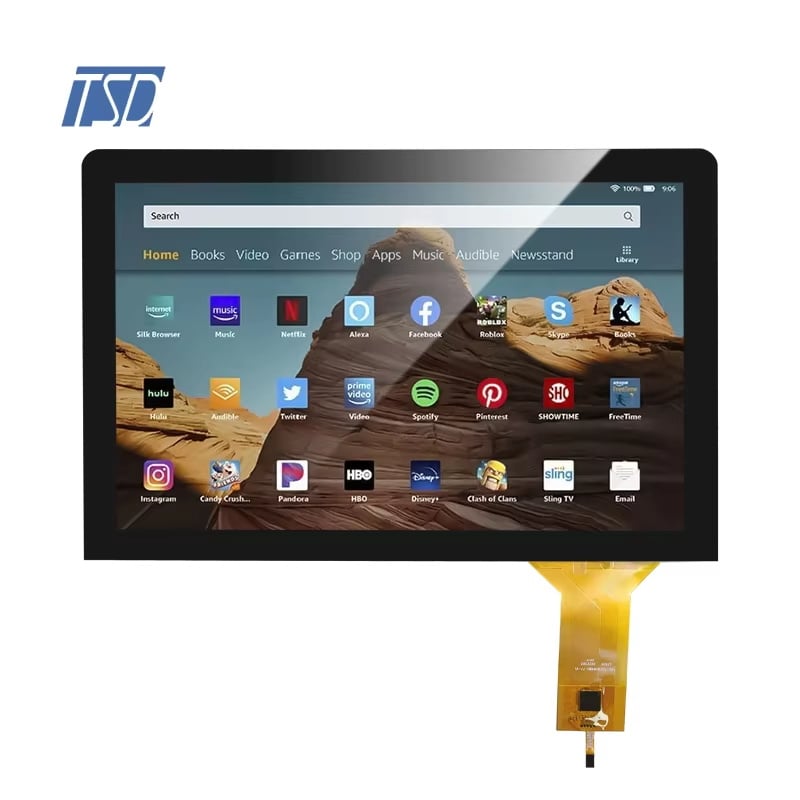
embedded display module
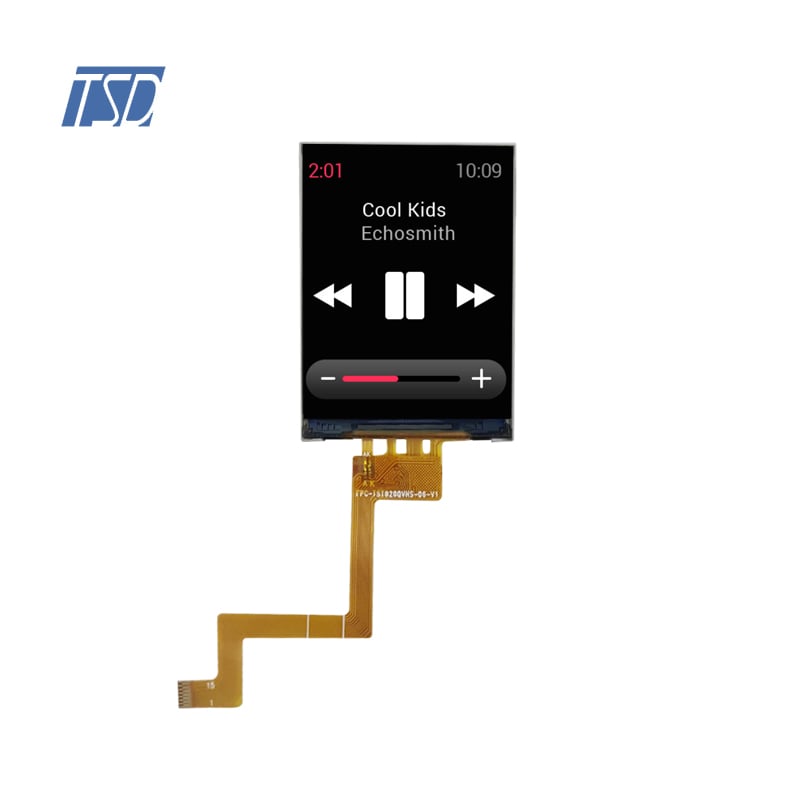
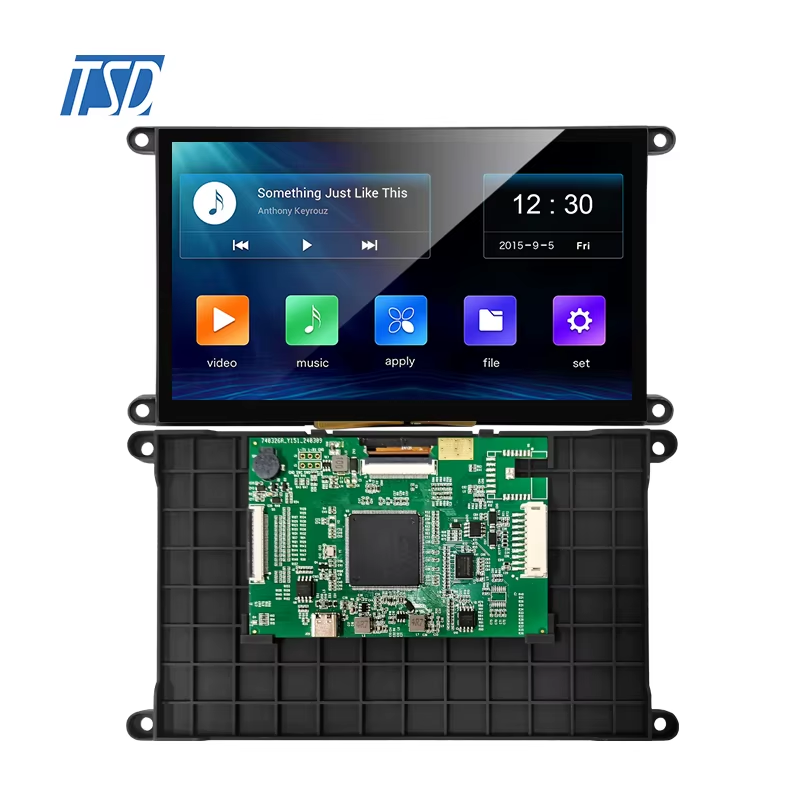
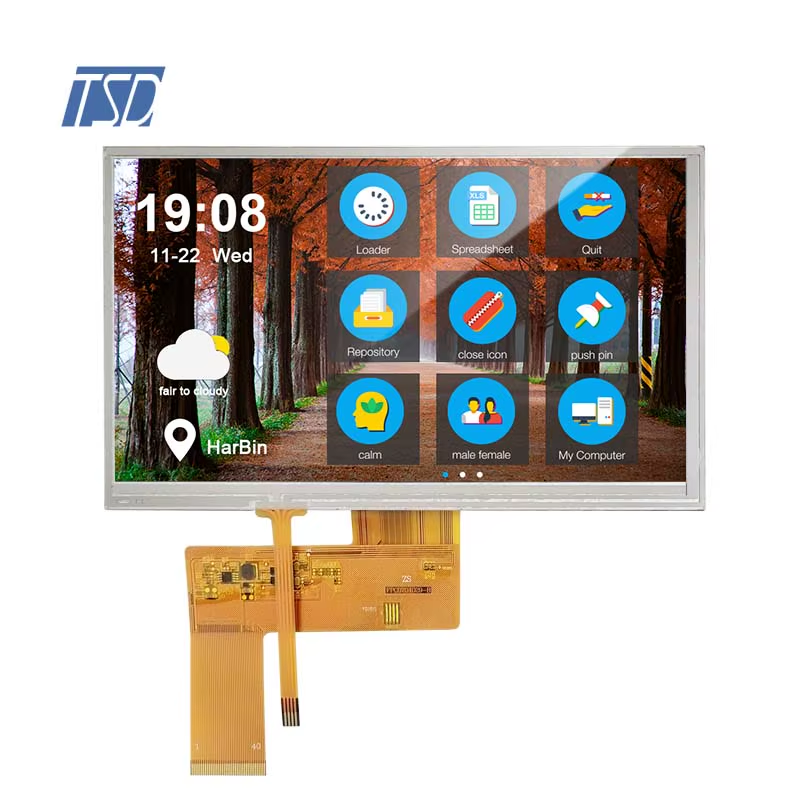
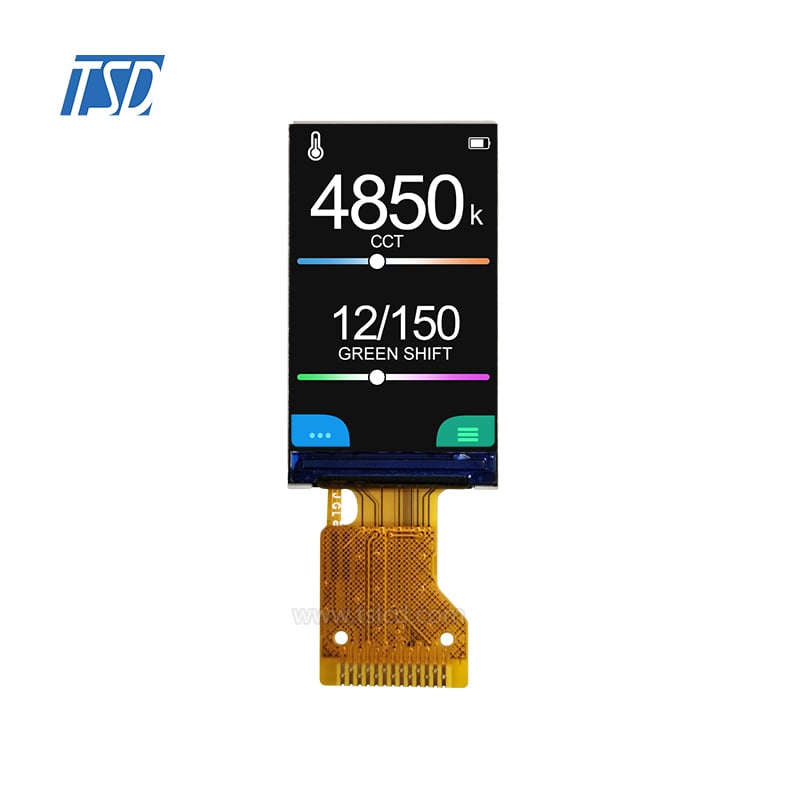
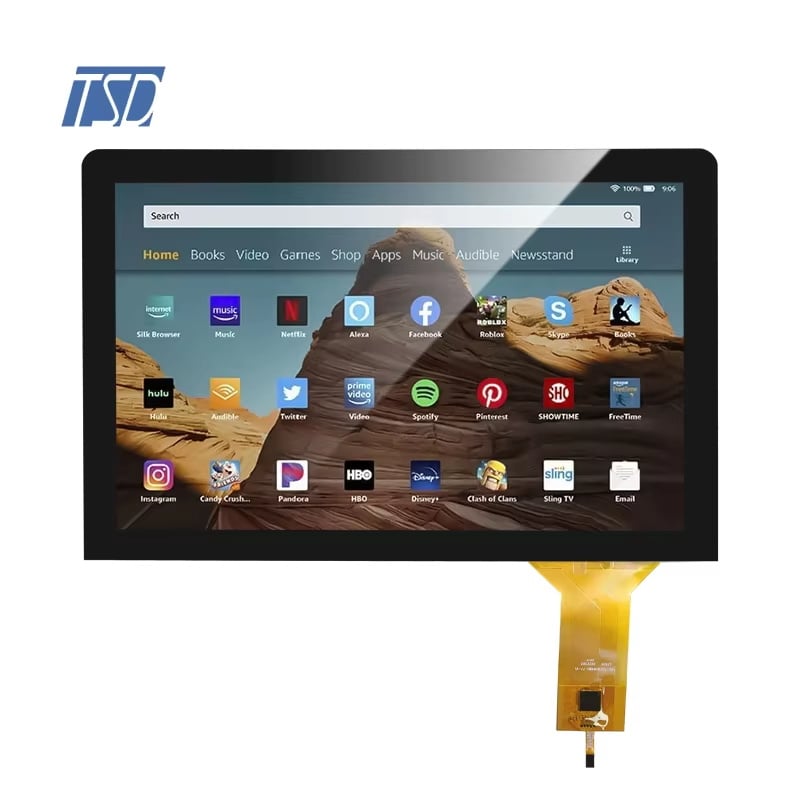
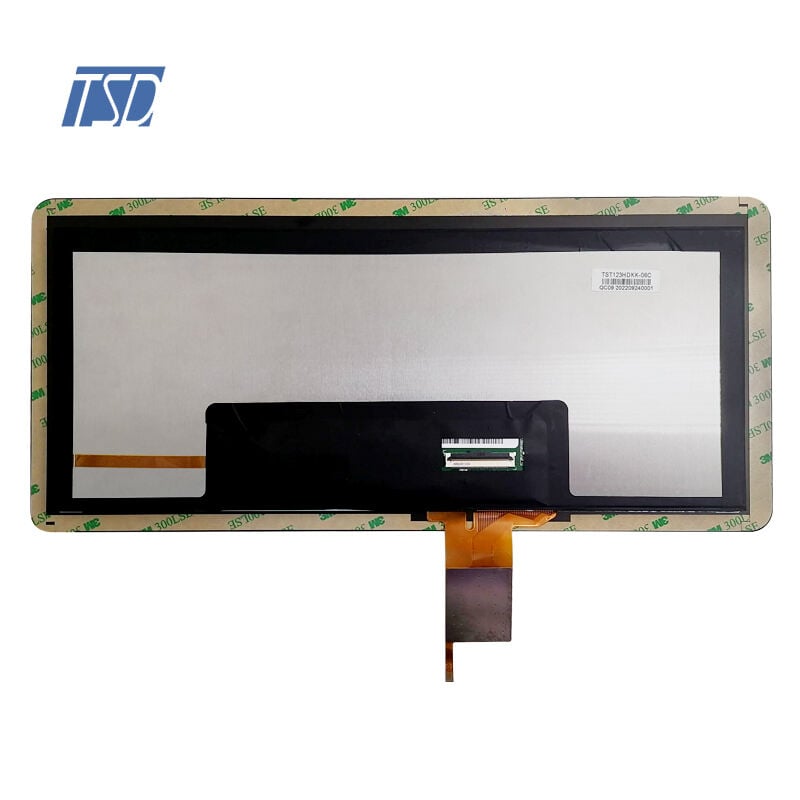
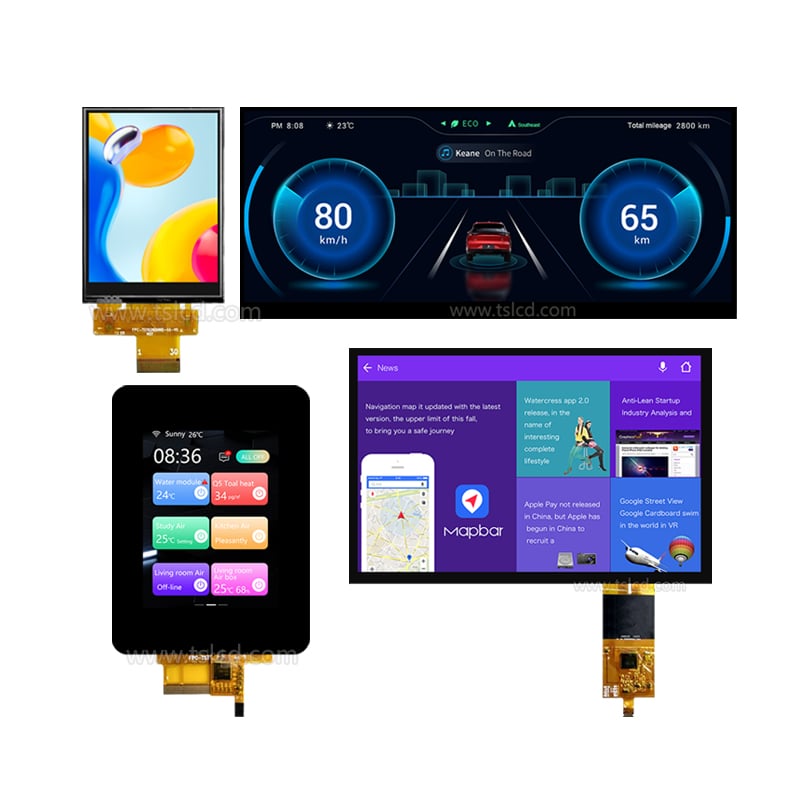
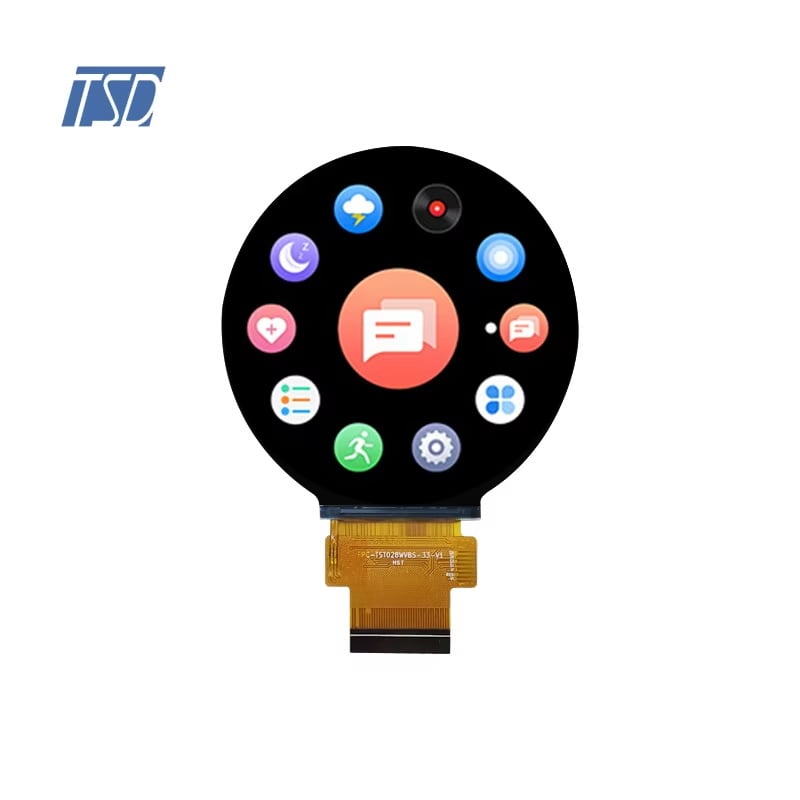
An embedded display module is a compact, integrated visual interface solution designed to be permanently incorporated into electronic devices and industrial equipment. This sophisticated component combines a display panel, controller board, and driver circuitry into a single cohesive unit that seamlessly integrates with host systems. The embedded display module serves as the primary human-machine interface, delivering critical information and enabling user interaction across diverse applications. These modules are engineered to operate reliably in demanding environments while maintaining consistent performance throughout their operational lifespan. The main functions include visual data presentation, touch input processing, graphical rendering, and real-time system status monitoring. Technological features encompass high-resolution screens, wide viewing angles, robust temperature tolerance, low power consumption, and flexible communication protocols such as LVDS, MIPI, and HDMI. Many embedded display modules incorporate resistive or capacitive touch technology, enabling intuitive interaction. They support various display technologies including TFT-LCD, OLED, and e-paper, each offering distinct advantages for specific use cases. Applications span industrial automation equipment, medical diagnostic devices, automotive dashboard systems, consumer electronics, point-of-sale terminals, smart home controllers, and aerospace instrumentation. The embedded display module architecture prioritizes space efficiency, making it ideal for compact device designs where traditional display solutions prove impractical. With customizable firmware and hardware configurations, these modules adapt to unique project requirements while ensuring compatibility with existing system architectures and reducing overall development complexity.

 EN
EN