hmi display
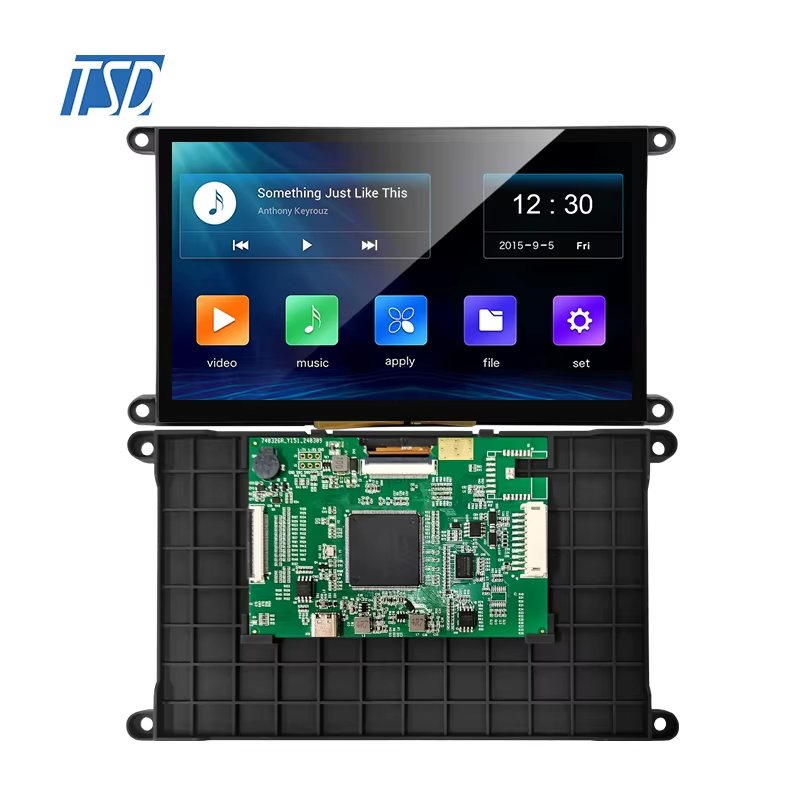
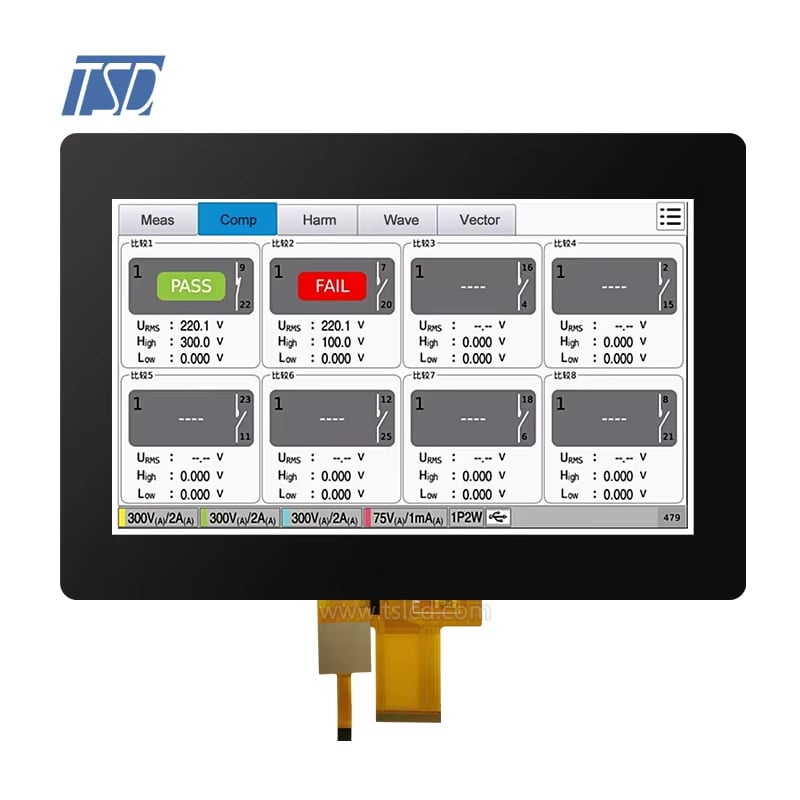
An HMI display serves as the critical interface between human operators and industrial machines, enabling seamless communication and control in manufacturing environments. HMI display technology transforms complex machine data into intuitive visual information that operators can easily understand and act upon. These sophisticated touchscreen devices combine hardware and software to provide real-time monitoring, data visualization, and interactive control capabilities across diverse industrial applications. Modern HMI display units feature high-resolution screens with responsive touch functionality, supporting both simple button operations and complex multi-touch gestures. The technological foundation includes powerful processors, durable industrial-grade components, and advanced graphics engines that render detailed schematics, process flows, and performance metrics. Connectivity options such as Ethernet, USB, serial ports, and wireless protocols enable HMI display systems to integrate with PLCs, SCADA networks, and enterprise management platforms. These devices support multiple communication protocols including Modbus, Profinet, and EtherNet/IP, ensuring compatibility with various automation ecosystems. Application areas span food and beverage production, pharmaceutical manufacturing, automotive assembly, water treatment facilities, packaging operations, and energy management systems. An HMI display typically offers customizable interface design, alarm management, recipe handling, data logging, and remote access capabilities. The ruggedized construction withstands harsh industrial conditions including temperature extremes, vibration, moisture, and electromagnetic interference, making the HMI display an essential component for reliable industrial automation and process control.

 EN
EN