automotive lcd display screen
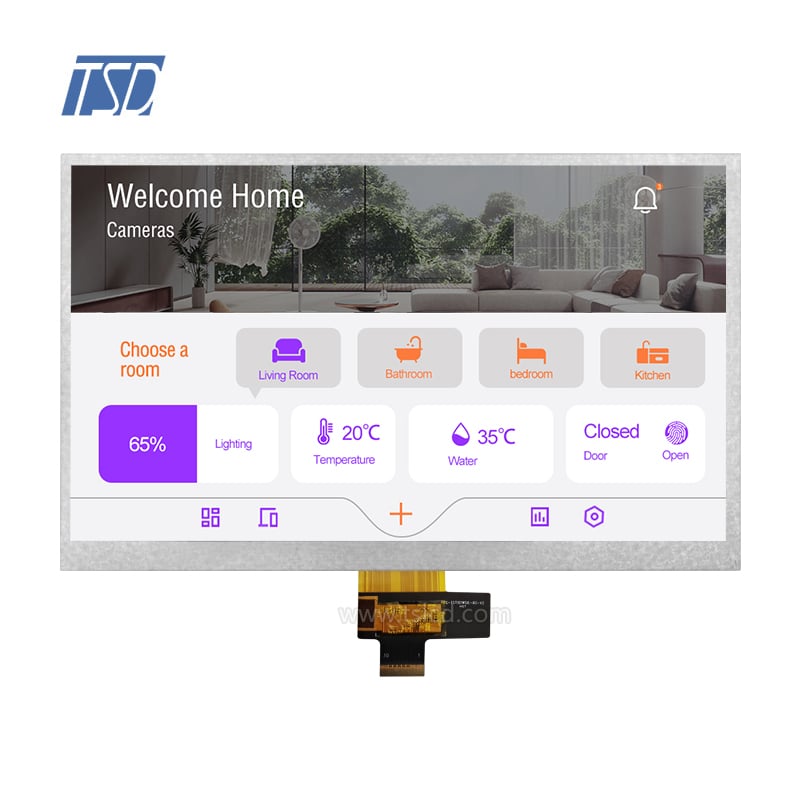
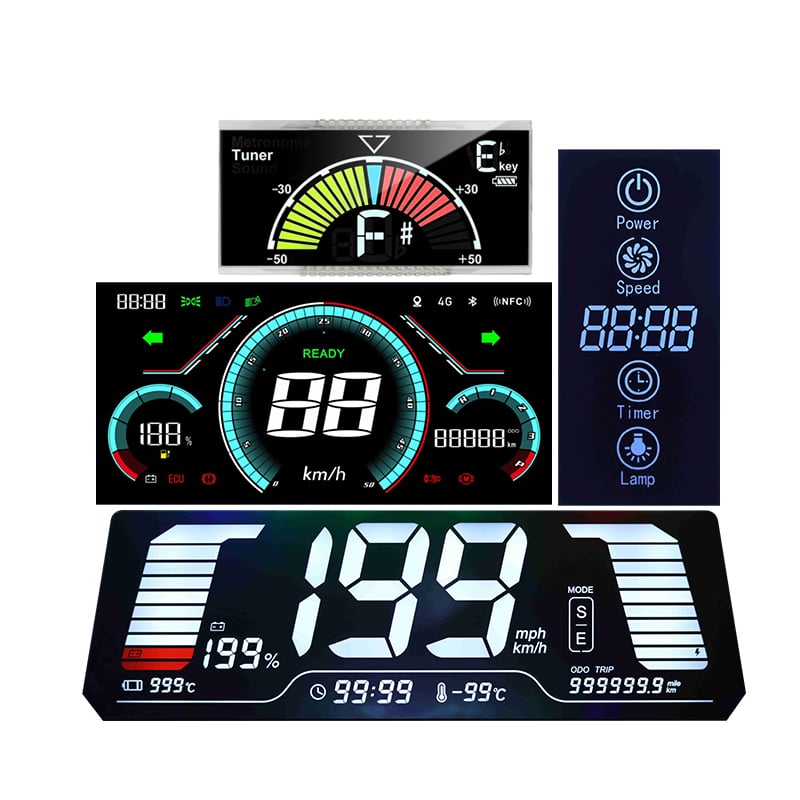
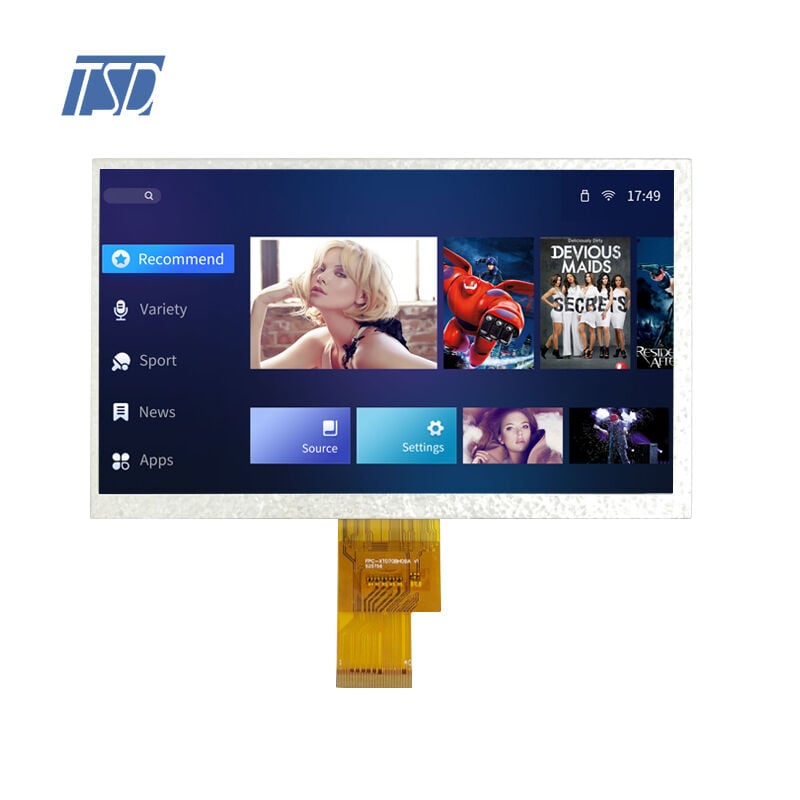
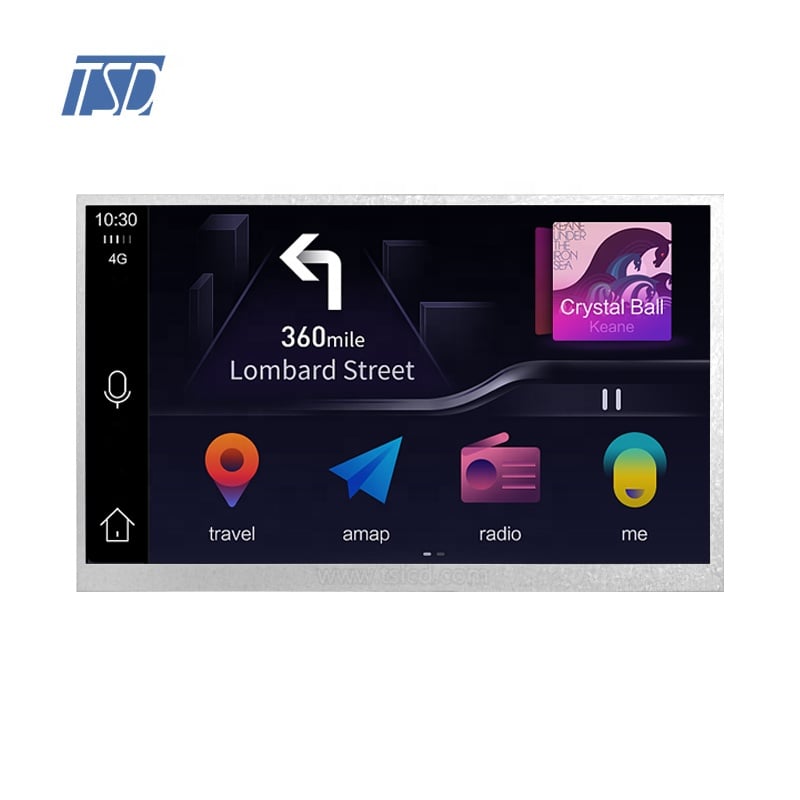
An automotive lcd display screen serves as the primary visual interface in modern vehicles, delivering critical information and entertainment to drivers and passengers. This advanced display technology has revolutionized how vehicle occupants interact with onboard systems, replacing traditional analog gauges with vibrant, high-resolution digital panels. The automotive lcd display screen typically ranges from 7 to 17 inches or larger, featuring touch-sensitive capabilities that enable intuitive control of navigation, climate, audio, and vehicle settings. These screens employ liquid crystal display technology specifically engineered to withstand the harsh automotive environment, including extreme temperatures ranging from -40 to 85 degrees Celsius, intense sunlight exposure, and constant vibration. The main functions encompass instrument cluster information, rear-view camera feeds, GPS navigation mapping, multimedia playback, smartphone integration through Apple CarPlay and Android Auto, and vehicle diagnostics. Technological features include anti-glare coatings for improved visibility, wide viewing angles exceeding 170 degrees, rapid response times under 50 milliseconds, and impressive brightness levels reaching 1000 nits or higher for outdoor readability. The automotive lcd display screen finds applications across passenger vehicles, commercial trucks, electric vehicles, luxury automobiles, and fleet management systems. Manufacturing processes involve specialized bonding techniques, ruggedized construction, and extensive quality testing to meet automotive-grade standards. As vehicles become increasingly connected and automated, the automotive lcd display screen continues evolving with enhanced graphics processing, larger formats, curved designs, and integration with advanced driver assistance systems.

 EN
EN