rotary knob display
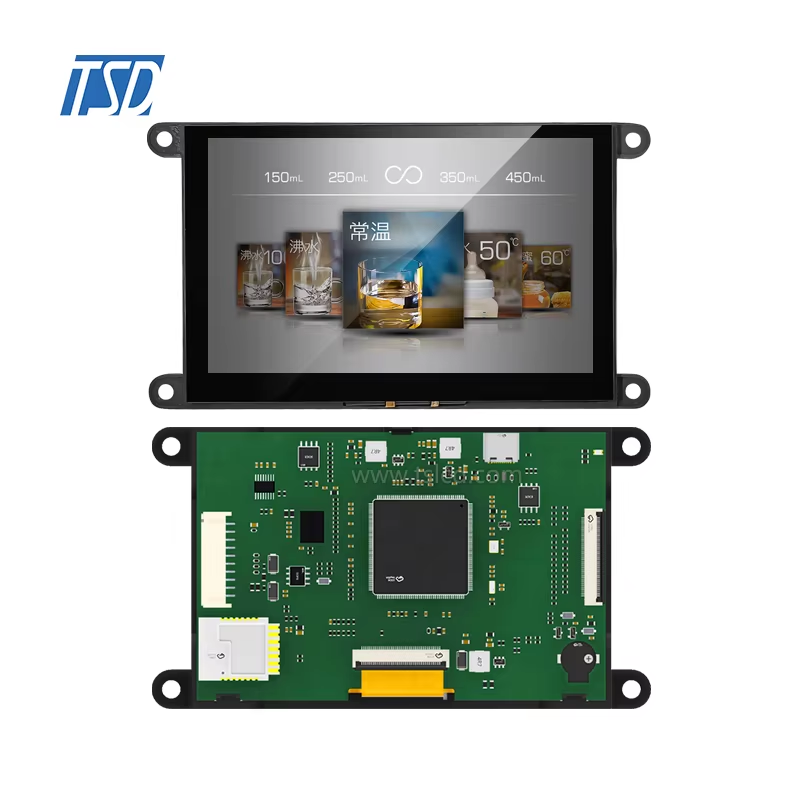
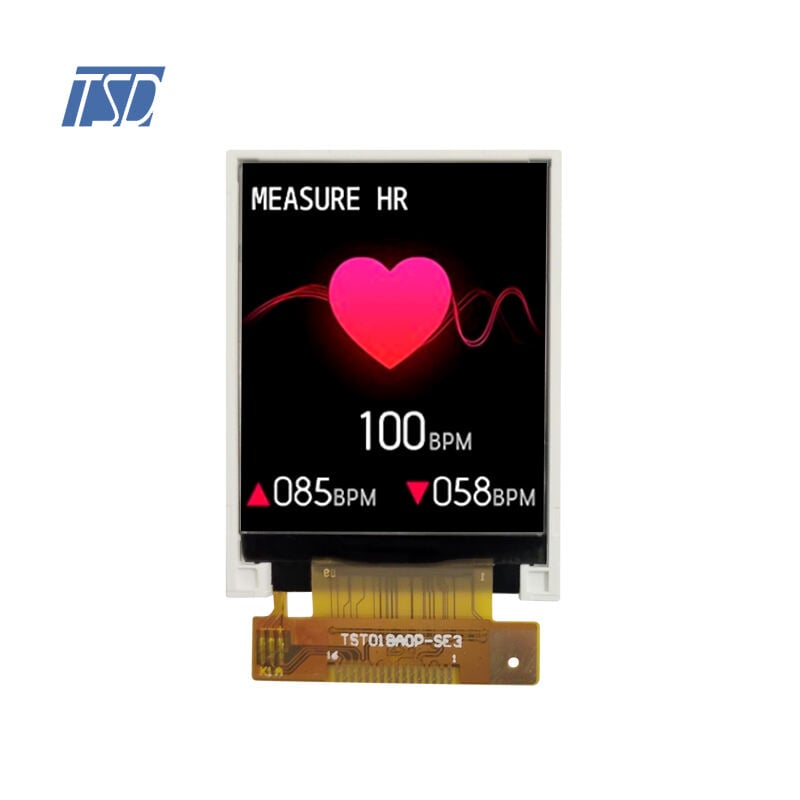
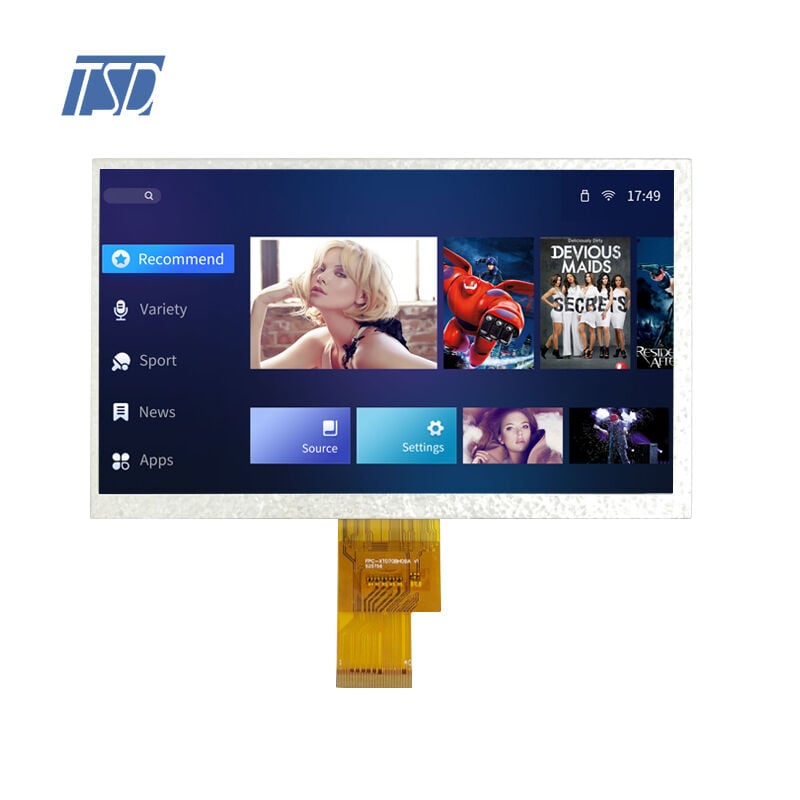
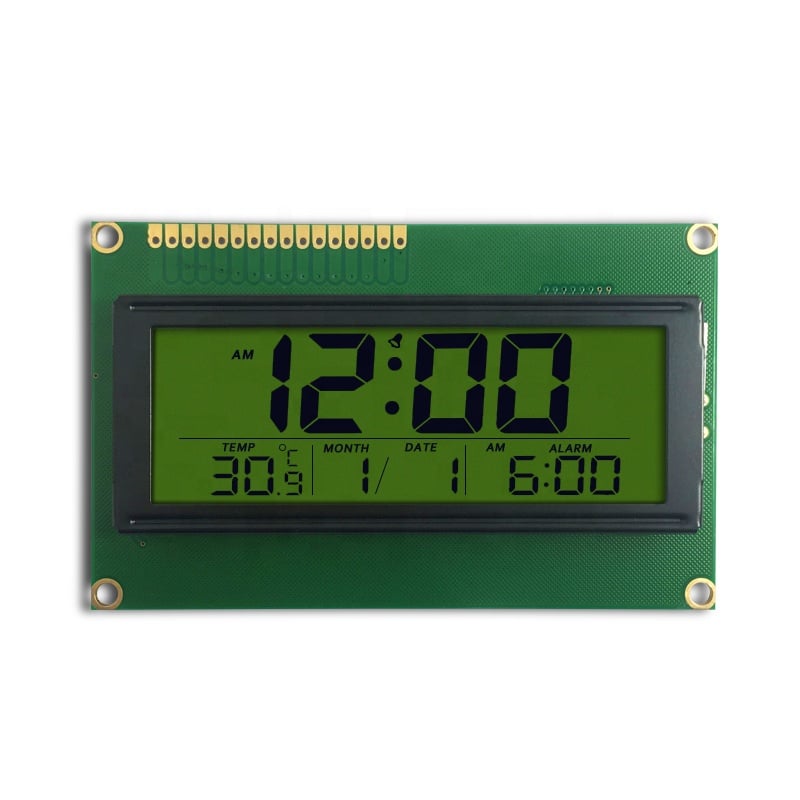
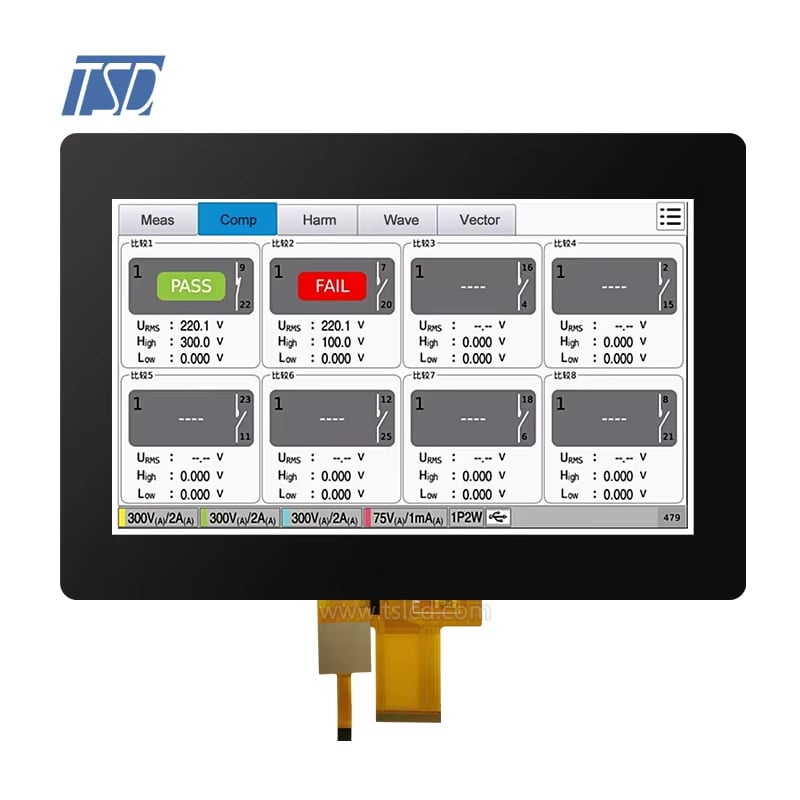
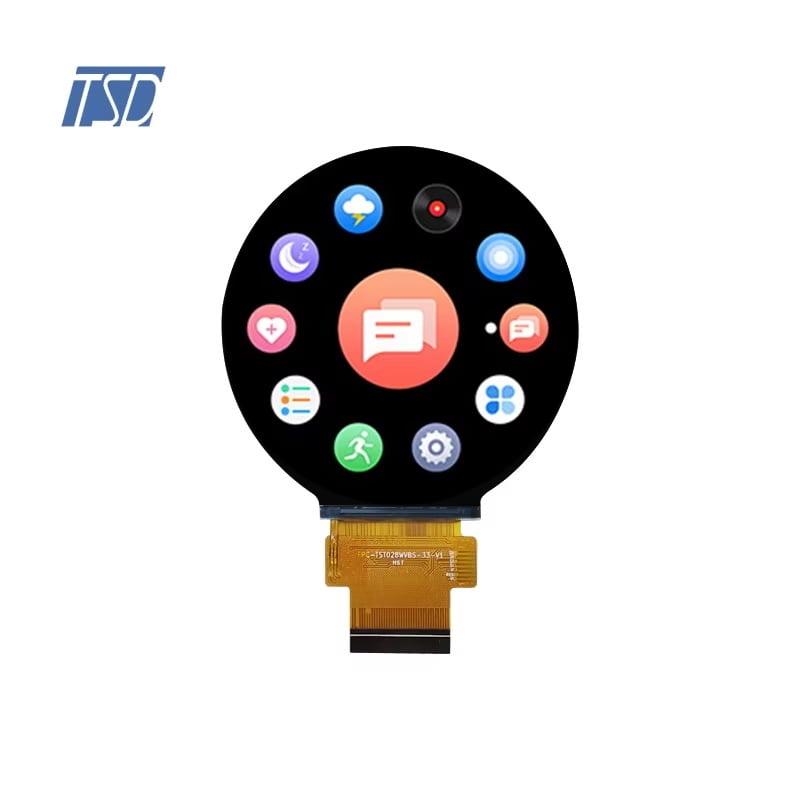
A rotary knob display represents an innovative human-machine interface that combines tactile control with visual feedback, offering users an intuitive way to interact with modern electronic devices. This integrated component merges a traditional rotary encoder or potentiometer with a digital display screen, typically LCD or OLED technology, creating a compact and efficient control solution. The rotary knob display serves as both an input device and an information output platform, allowing users to adjust parameters while simultaneously viewing real-time data, settings, or system status. These displays are engineered to provide precise control over various functions including volume adjustment, temperature regulation, speed control, and menu navigation. The technological foundation of a rotary knob display incorporates advanced microcontroller integration, high-resolution display panels, and responsive rotary encoding mechanisms that detect directional rotation and often include push-button functionality. Modern rotary knob display units feature customizable interfaces that can show numerical values, graphical indicators, icons, and text information, adapting to specific application requirements. Applications span numerous industries including automotive dashboard controls, audio equipment interfaces, industrial machinery panels, medical device operation, home appliances, and professional audio mixing consoles. The versatility of the rotary knob display makes it particularly valuable in environments where space is limited but clear visual feedback and precise control are essential. This technology bridges the gap between analog control familiarity and digital precision, offering manufacturers and end-users a sophisticated yet user-friendly interface solution that enhances operational efficiency and user experience across diverse applications.

 EN
EN