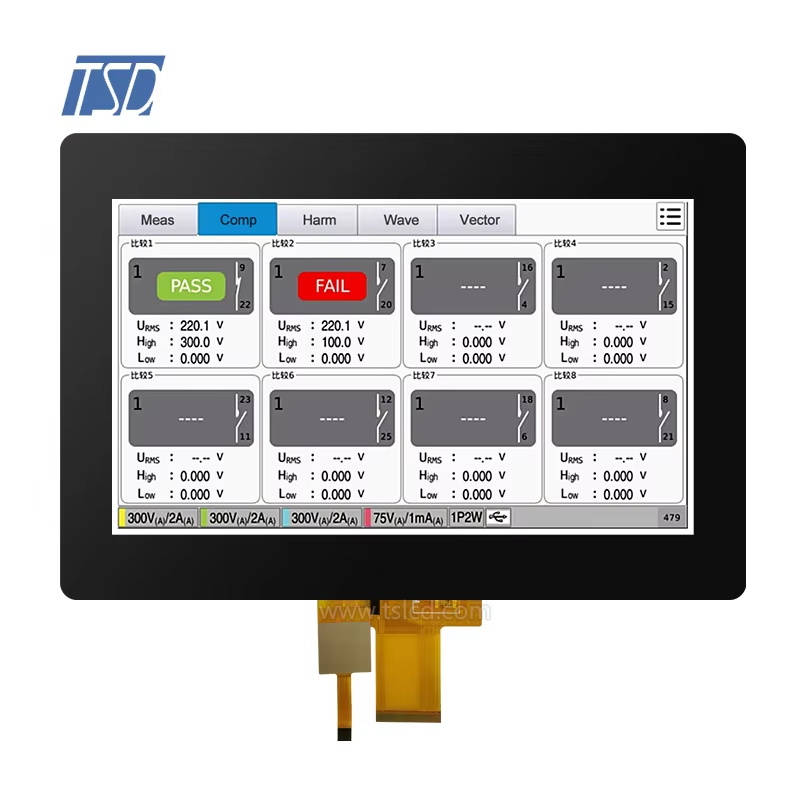
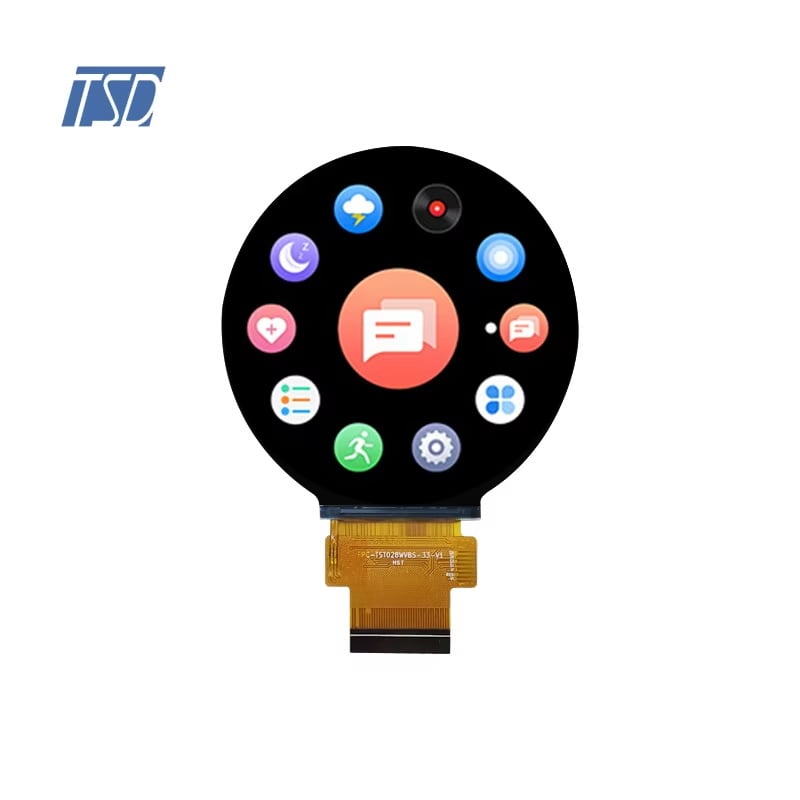
UART Display Module - Intelligent HMI Solutions

Get a Free Quote

Our representative will contact you soon.
Email
Name
Company Name
Mobile
WhatsApp
Message
0/1000

uart display module

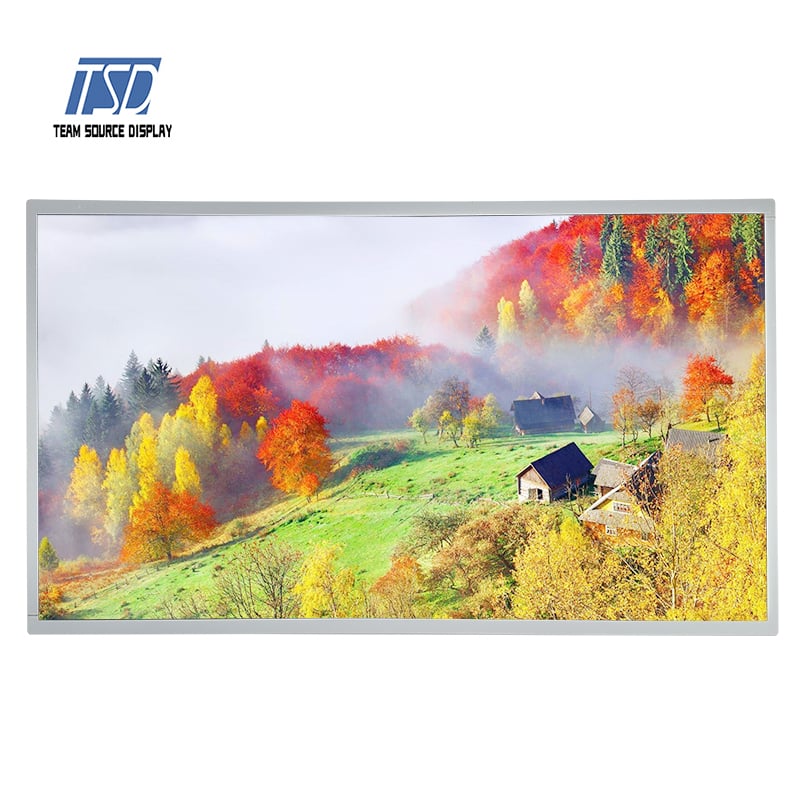
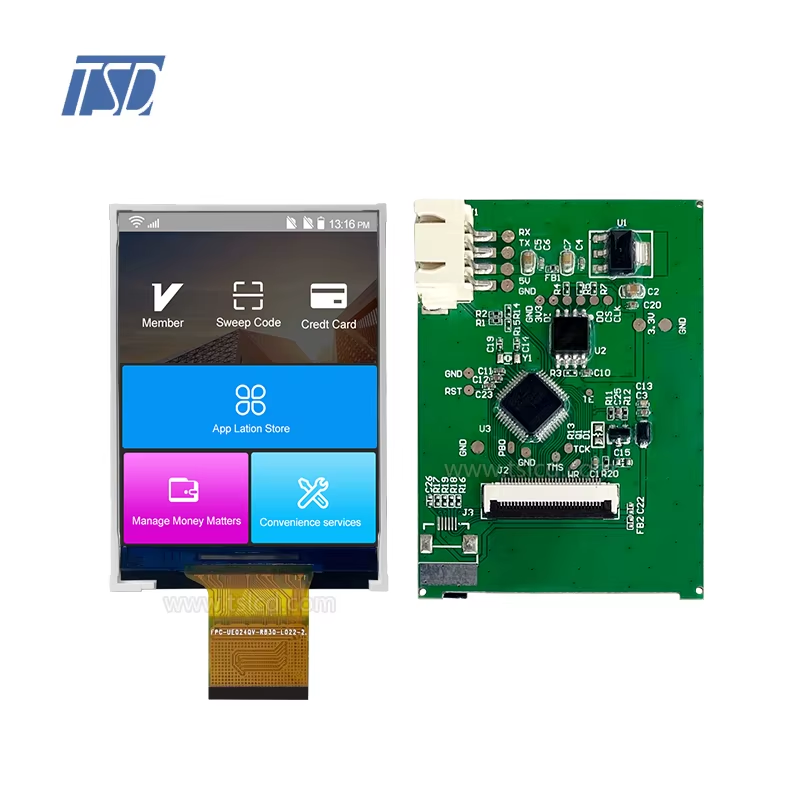
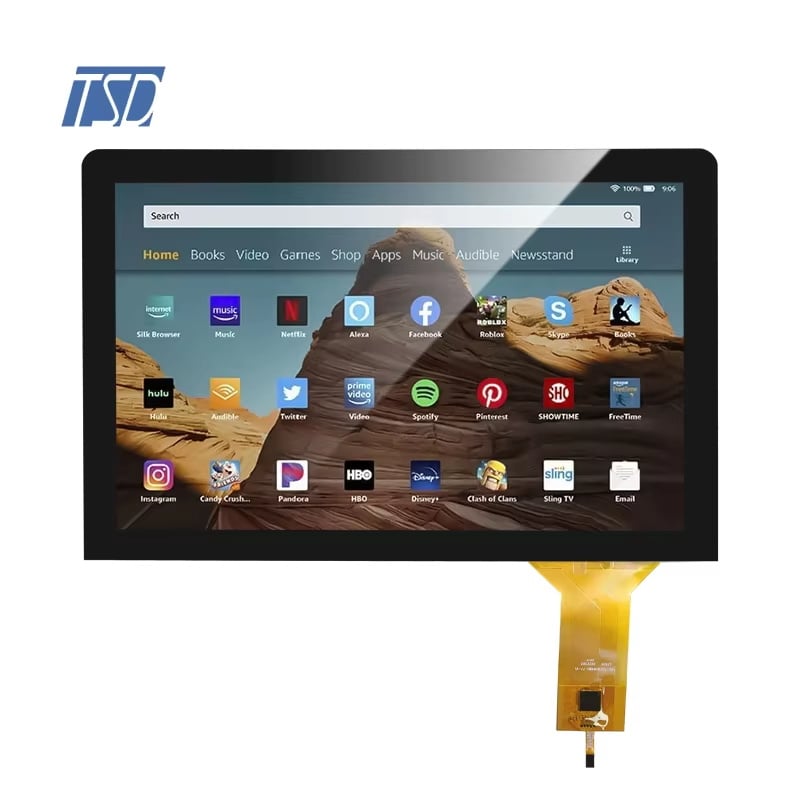
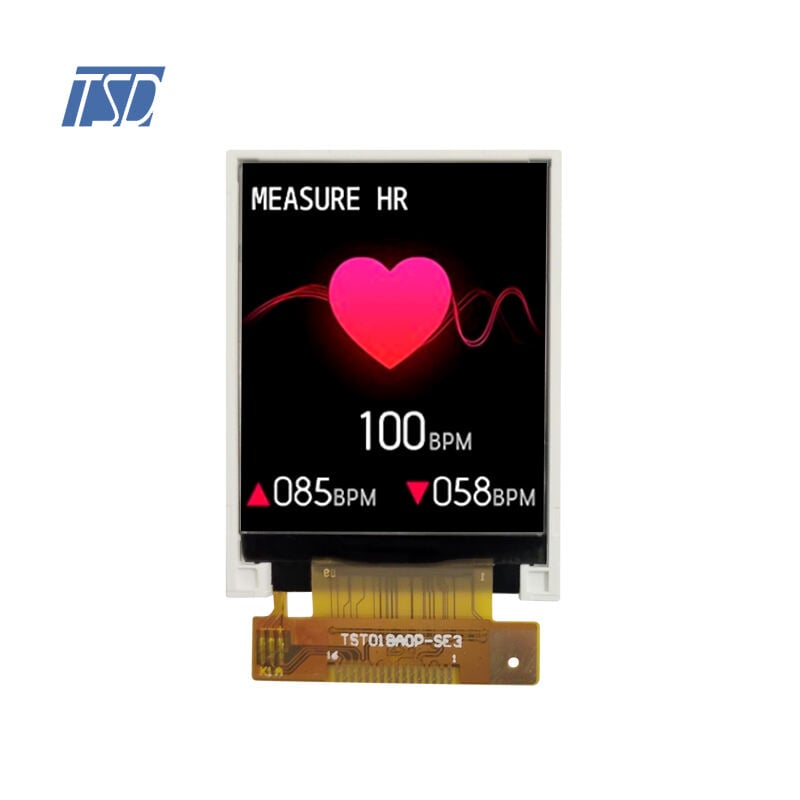
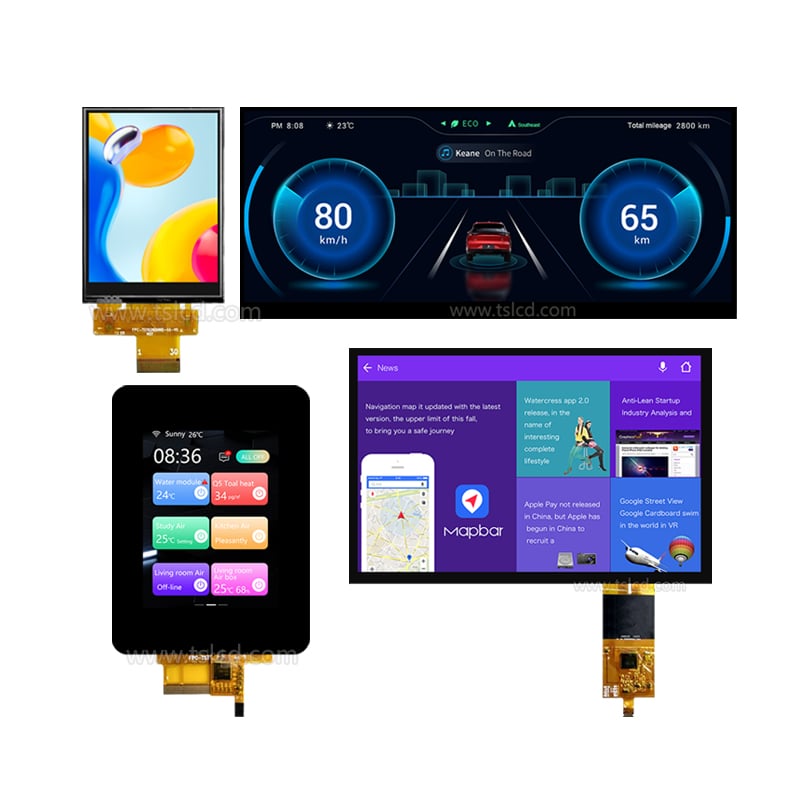
A uart display module is an intelligent visual interface that connects to microcontrollers and embedded systems through Universal Asynchronous Receiver-Transmitter communication protocol. This module simplifies human-machine interaction by providing a ready-to-use screen solution that requires minimal programming effort. The uart display module integrates a display panel with an onboard processor that handles all graphic rendering tasks, allowing developers to send simple text commands rather than managing complex display drivers. These modules support various screen sizes ranging from compact 2.4-inch displays to larger 10-inch touchscreen panels, offering flexibility for different project requirements. The technological architecture of a uart display module includes dedicated graphics controllers, memory buffers, and communication interfaces that operate independently from the host system. This standalone processing capability significantly reduces the computational load on the main controller, making it ideal for resource-constrained applications. Users can control text display, draw shapes, show images, and manage touchscreen inputs through straightforward serial commands. The uart display module finds applications across industrial automation equipment, medical devices, consumer electronics, automotive dashboards, and IoT products. Its plug-and-play nature accelerates development cycles while maintaining reliable performance in demanding environments. The module typically operates on standard voltage levels and supports baud rates up to 115200 or higher, ensuring fast data transmission. With built-in command protocols and comprehensive documentation, the uart display module enables engineers to create professional user interfaces without extensive display programming knowledge, making it a practical choice for both prototyping and production environments.

New Product Recommendations

The uart display module delivers significant time savings for development teams by eliminating the need to write low-level display drivers or manage pixel-level graphics operations. You simply connect four wires for power and communication, then send ASCII commands to control what appears on screen. This straightforward integration means your engineering resources focus on core product functionality rather than wrestling with display technicalities. The module handles all timing requirements, refresh rates, and rendering processes internally, preventing common display bugs that plague custom implementations. Cost efficiency becomes apparent when considering reduced development hours and faster time-to-market for your products. The uart display module works seamlessly with virtually any microcontroller that has a serial port, from basic Arduino boards to industrial PLCs, providing exceptional compatibility across your product line. This universal connectivity eliminates vendor lock-in and allows you to standardize on one display solution across multiple projects. Power consumption remains minimal because the module optimizes display operations and enters low-power modes when inactive, extending battery life in portable applications. Reliability improves dramatically since these modules undergo rigorous testing and include built-in error handling for communication issues. You gain access to advanced features like touchscreen calibration, image storage, and custom fonts without additional programming complexity. The uart display module scales easily from prototype to production, with manufacturers offering industrial-grade versions that withstand temperature extremes, vibration, and electromagnetic interference. Technical support and documentation quality typically exceed what you would receive with raw display panels, reducing troubleshooting time. Updates and feature additions happen through firmware upgrades rather than hardware changes, protecting your investment over the product lifecycle. For decision-makers evaluating display options, the uart display module represents a balanced solution that prioritizes practical functionality over unnecessary complexity.

Practical Tips

What Innovations Are Driving the Future of LCD Display Modules?

27

Nov

What Innovations Are Driving the Future of LCD Display Modules?

The technological landscape of visual display systems is experiencing unprecedented transformation as manufacturers continue to push the boundaries of what's possible with LCD display modules. These sophisticated components have evolved far beyond th...
View More
How Do TFT LCD Modules Deliver Superior Visual Performance?

17

Dec

How Do TFT LCD Modules Deliver Superior Visual Performance?

Modern display technology continues to evolve at a rapid pace, with TFT LCD modules standing at the forefront of visual innovation across multiple industries. These sophisticated display solutions have revolutionized everything from automotive dashbo...
View More
Why Are TFT LCD Displays Dominating the Electronics Industry?

14

Jan

Why Are TFT LCD Displays Dominating the Electronics Industry?

The electronics industry has witnessed a revolutionary transformation with the widespread adoption of TFT LCD displays across countless applications. These advanced display technologies have become the cornerstone of modern electronic devices, from s...
View More
Why Are LCD Displays Still Leading the Global Display Market?

11

Feb

Why Are LCD Displays Still Leading the Global Display Market?

The display technology landscape has witnessed remarkable evolution over the past decade, with numerous innovations competing for market dominance. Despite the emergence of OLED, QLED, and microLED technologies, LCD displays continue to maintain thei...
View More

Get a Free Quote

Our representative will contact you soon.
Email
Name
Company Name
Mobile
WhatsApp
Message
0/1000

uart display module

Effortless Integration and Rapid Development

Effortless Integration and Rapid Development

The uart display module revolutionizes the development process by providing a communication interface that any engineer can master within minutes. Unlike traditional display solutions requiring specialized knowledge of timing diagrams, register configurations, and parallel bus protocols, this module accepts human-readable text commands over a simple two-wire serial connection. You send instructions like drawing rectangles or displaying text using straightforward syntax, and the module executes these commands flawlessly. This approach cuts development time by up to 70 percent compared to implementing raw display panels. The module arrives pre-programmed with comprehensive command sets covering all common display operations, meaning your team starts building functional interfaces immediately rather than spending weeks on driver development. Hardware setup involves connecting power, ground, transmit, and receive lines, a task completable in under five minutes. This simplicity proves invaluable when prototyping multiple design concepts or when working under tight deadlines. The uart display module supports hot-plugging in many implementations, allowing you to test and debug without constant power cycling, further accelerating the development cycle and reducing frustration during the iterative design process.
Reduced System Load and Enhanced Performance

Reduced System Load and Enhanced Performance

When you implement a uart display module, your main microcontroller offloads all graphics processing to the module's dedicated processor, freeing up valuable CPU cycles for critical application tasks. Traditional display implementations can consume 40-60 percent of your controller's processing power managing screen updates, leaving insufficient resources for sensor reading, communications, or control algorithms. The uart display module eliminates this bottleneck by handling rendering, buffering, and refresh operations independently. Your system sends display updates only when content changes, not continuously, dramatically reducing bus traffic and processor interrupts. This architecture proves essential in real-time applications where timing precision matters, such as motor control systems or data acquisition equipment. The module maintains smooth graphics performance regardless of your main controller's workload, preventing screen flicker or delayed updates during processor-intensive operations. Memory requirements on your host system drop substantially since frame buffers and graphic assets reside in the module's onboard storage rather than occupying precious RAM in your microcontroller. For battery-powered products, this distributed processing approach extends operating time because the display processor enters sleep modes independently, consuming microamperes when showing static content while your main controller continues working.
Future-Proof Flexibility and Scalability

Future-Proof Flexibility and Scalability

The uart display module provides remarkable adaptability for evolving product requirements without forcing hardware redesigns or software rewrites. Screen size changes require only swapping the physical module while maintaining identical command protocols, allowing you to offer product variants with different display sizes using a single firmware codebase. Touchscreen functionality adds through modules with identical communication interfaces, meaning you upgrade from button-based to touch-based interfaces by changing one component. Language localization becomes straightforward since the module supports Unicode character sets and custom fonts uploaded to onboard memory, enabling global product distribution without multiple hardware versions. As your product matures, you implement visual refinements like animations, gradients, or complex graphics by utilizing advanced module commands without increasing demands on your main processor. Firmware updates for the uart display module arrive from manufacturers as they enhance features or fix edge cases, improvements you deploy through simple upgrade procedures rather than hardware revisions. This upgradeability protects your engineering investment over five to ten year product lifecycles common in industrial and medical sectors. The standardized serial interface ensures compatibility with next-generation microcontrollers, allowing you to adopt more powerful processors in future product versions while retaining your existing display solution and user interface code.
UART Display Module - Intelligent HMI Solutions

Have questions about the company?

Get a Free Quote

Our representative will contact you soon.
Email
Name
Company Name
Mobile
WhatsApp
Message
0/1000

Get a Free Quote

Our representative will contact you soon.
Email
Name
Company Name
Mobile
WhatsApp
Message
0/1000