
 EN
EN



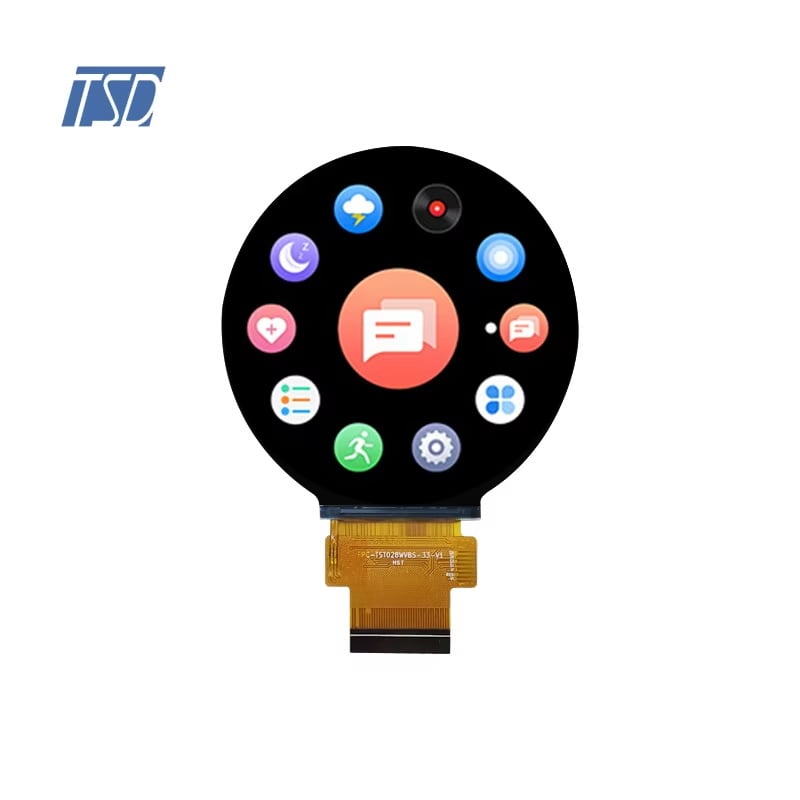
Marine electronics demand exceptional reliability, precision, and durability in environments where saltwater corrosion, vibration, and extreme temperatures are constant challenges. A pcap touch screen technology has become the industry standard for modern vessel navigation, control systems, and integrated bridge solutions. Projected Capacitive Active Matrix, or pcap, represents a fundamental shift in how marine professionals interact with critical onboard systems, offering superior sensitivity, multi-touch capability, and reliable performance in harsh maritime conditions that would compromise traditional resistive touch technologies.
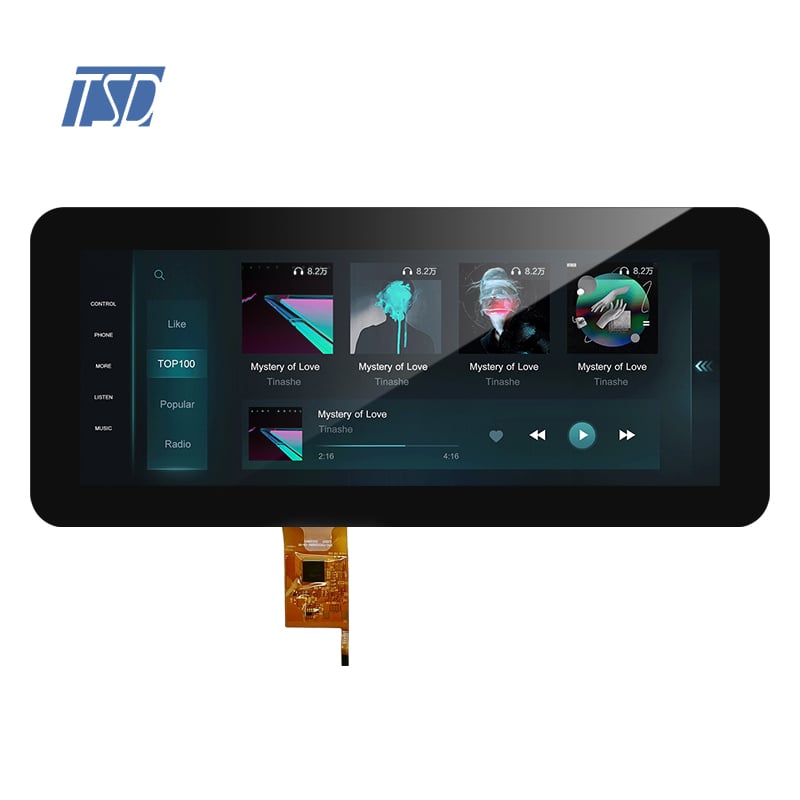
The marine industry has progressively adopted pcap technology because these solutions deliver unmatched performance where traditional touch interfaces fail. Pcap touch screen systems excel in high-humidity, salt-laden environments where corrosion resistance is non-negotiable. Unlike resistive alternatives that degrade rapidly under saltwater exposure, pcap display surfaces maintain responsiveness and calibration accuracy throughout extended operational cycles, directly reducing maintenance costs and downtime for maritime operators who depend on continuous system availability.
Understanding PCAP Technology for Marine Applications
How PCAP Touch Screens Operate in Maritime Environments
Pcap technology functions by creating an electrostatic field across a glass panel, detecting touch input through capacitive sensing rather than physical pressure. This fundamental design advantage makes pcap inherently superior for marine settings because the technology requires no direct contact penetration, eliminating the mechanical wear that undermines resistive systems on busy bridge consoles. A pcap touch screen remains fully functional while wearing gloves, which is essential for crew members in cold-water operations or those handling specialized equipment during routine navigation tasks.
The robustness of pcap in marine electronics stems from its sealed glass surface and absence of moving internal components that salt spray can corrode. Pcap display units rated for marine environments feature enhanced edge sealing and protective coatings specifically formulated to resist saltwater infiltration. The pcap touch screen architecture supports continuous operation through thermal cycling, which occurs naturally during day-night transitions and seasonal weather changes in open-ocean environments.
Environmental Protection Standards for Marine PCAP Systems
Marine-grade pcap touch screen solutions must meet stringent ingress protection ratings, typically IP65 or higher, to ensure sustained performance in decks where water spray and salt mist penetrate exposed surfaces. A pcap system designed for marine duty includes sealed connectors, potted electronics, and conformal coatings on all circuit boards to prevent salt creep and galvanic corrosion. These environmental protections ensure that your pcap investment continues delivering accurate touch response and system reliability across multiple years of continuous maritime operations.
Pcap touch screen manufacturers serving the marine sector typically employ specialized testing protocols that simulate saltwater exposure, thermal shock, and UV degradation over extended periods. This rigorous validation process confirms that pcap displays maintain factory calibration and responsiveness after months of intense environmental stress. Marine operators can depend on pcap technology to perform consistently without recalibration, reducing crew training complexity and operational uncertainty during critical navigation scenarios.
Key Advantages of PCAP Solutions in Marine Electronics
Superior Touch Sensitivity and Multi-Touch Capability
Pcap touch screen technology enables intuitive multi-touch gestures—pinch-to-zoom, swipe navigation, and simultaneous button activation—that streamline operator workflows on modern vessel bridge systems. The pcap interface responds to light fingertip contact without requiring pressure, allowing crew members to operate navigation displays and engine control systems with minimal fatigue during extended watch periods. Multi-touch pcap functionality transforms how marine professionals interact with digital charts, weather systems, and integrated bridge solutions, enabling faster decision-making during time-critical operational scenarios.
The sensitivity profile of pcap touch screen systems makes them ideal for precise input applications like autopilot adjustment, waypoint marking, and target tracking on naval combat management systems. Pcap detects intentional touches while rejecting accidental brush contact, ensuring that crew members maintain precise control even when working in confined spaces or during rough sea conditions that challenge operator stability. This discrimination capability distinguishes pcap from older touch technologies that frequently register false inputs in unpredictable maritime environments.
Durability and Long-Term Cost Efficiency
The sealed glass architecture of marine-grade pcap eliminates the filter-layer replacements and recalibration cycles that burden resistive touch technologies in salt-spray environments. Over a five-year operational cycle, a pcap touch screen system typically requires minimal maintenance intervention, whereas resistive alternatives demand quarterly calibration adjustments and periodic overlay replacement to maintain accuracy. The total cost of ownership strongly favors pcap implementations because reduced downtime and maintenance labor directly offset the higher initial capital investment required for marine-certified pcap hardware.
Pcap touch screen longevity extends naturally through the sealed design and absence of mechanical contact wear. Marine shipping companies report that vessel-mounted pcap systems maintain consistent performance characteristics across typical five to seven-year deployment cycles, while resistive alternatives require replacement after two to three years of saltwater exposure. Choosing pcap technology for marine electronics represents a strategic investment in operational reliability and lifecycle cost reduction that resonates with marine fleet operators managing multiple vessels across global trade routes.
Implementation Considerations for Marine PCAP Deployments
Integration with Existing Marine Navigation Systems
Modern vessels increasingly demand seamless integration between pcap touch screen interfaces and established marine electronics ecosystems that include electronic chart display systems (ECDIS), radar, sonar, and integrated navigation solutions. Pcap display modules designed for marine service typically feature standard communication protocols like HDMI, USB, and Ethernet connectivity, enabling straightforward installation within existing bridge console architectures. A pcap touch screen retrofitted onto established vessel systems requires minimal software modification because the standard input protocols work transparently with legacy marine software applications.
The electrical specifications of marine-grade pcap also accommodate the 24-volt DC power systems common aboard commercial vessels, military ships, and offshore platforms. Pcap touch screen power consumption remains predictable and manageable, typically ranging from 15 to 40 watts depending on display size and brightness settings. This electrical compatibility ensures that pcap implementations fit within existing power distribution infrastructure without requiring expensive electrical system upgrades that would complicate installation schedules and increase project costs.
Environmental and Operational Certification Requirements
Marine authorities worldwide, including classification societies and maritime regulators, establish specific performance standards that pcap touch screen systems must satisfy before installation on commercial or military vessels. Pcap products destined for marine service require approvals from recognized notified bodies, ensuring compliance with international maritime safety regulations and industry standards. These certifications validate that your pcap investment meets or exceeds the durability, reliability, and safety criteria established by maritime governance frameworks.
Selecting pcap touch screen solutions with established marine certifications—such as DNV, ABS, or Lloyd's Register approvals—eliminates future regulatory complications and streamlines fleet modernization initiatives. A certified pcap system provides documentation that satisfies maritime classification requirements, reducing administrative burden during vessel inspections and certification renewals. Marine operators gain confidence knowing that pcap technology has undergone independent validation by respected maritime authorities and meets established performance benchmarks for vessel electronics.
FAQ
What makes PCAP better than resistive touch screens for marine environments?
Pcap technology excels in marine settings because the sealed glass surface resists saltwater corrosion without requiring overlay replacement or frequent recalibration. Unlike resistive alternatives that degrade rapidly under salt-spray exposure, pcap maintains accurate touch response throughout extended operational cycles, directly reducing maintenance demands and downtime. Pcap also supports multi-touch gestures and works reliably while operators wear gloves, essential capabilities for modern maritime operations.
How does PCAP handle extreme temperatures and humidity aboard vessels?
Marine-grade pcap systems include specialized thermal management, potted electronics, and conformal coatings that protect internal components from saltwater infiltration and thermal stress. Pcap displays maintain calibration accuracy through the temperature cycling that occurs naturally during day-night transitions and seasonal weather changes. The sealed architecture ensures that pcap functionality remains stable across the operating ranges typical for open-ocean environments without requiring environmental control systems.
What is the typical lifespan of PCAP touch screens compared to other marine display technologies?
Marine-grade pcap typically delivers five to seven years of reliable performance with minimal maintenance intervention, substantially longer than resistive alternatives that require replacement after two to three years of saltwater exposure. The sealed glass construction eliminates filter-layer degradation and mechanical wear, reducing long-term cost of ownership despite higher initial capital investment. Pcap's extended service life makes it the economically rational choice for vessel operators managing multiple units across extended deployment cycles.