
 EN
EN



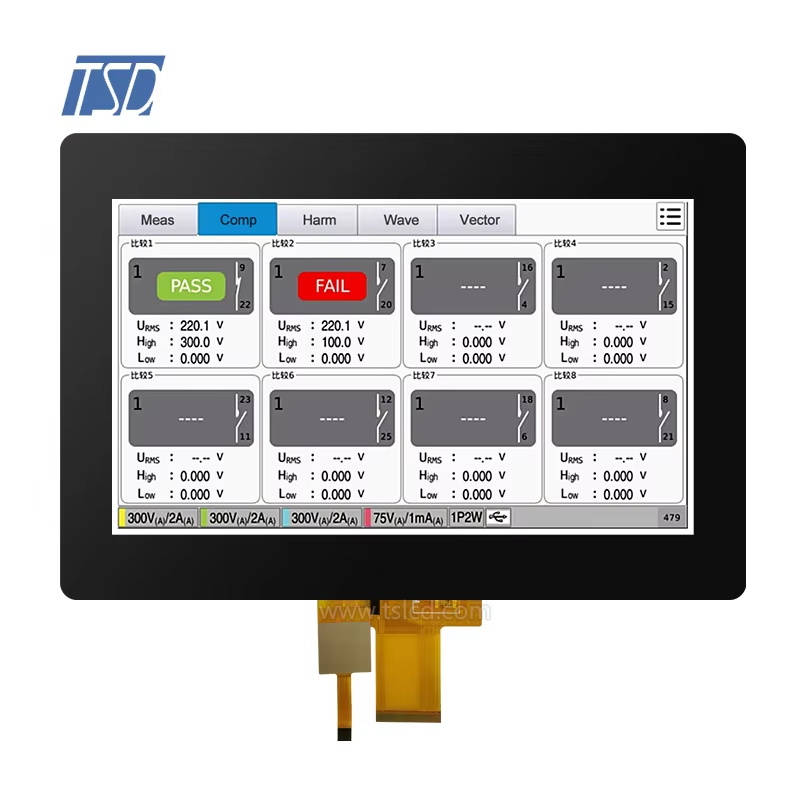
The global demand for reliable display technology continues to grow across industries, and professional LCD module manufacturing has become essential for companies serving export markets. An LCD module represents far more than a simple component; it is a precision-engineered solution that combines display technology with intelligent control systems to meet the rigorous requirements of industrial, commercial, and consumer applications. Manufacturers who specialize in professional-grade LCD module production understand the critical importance of quality, consistency, and compliance with international standards that export markets demand.
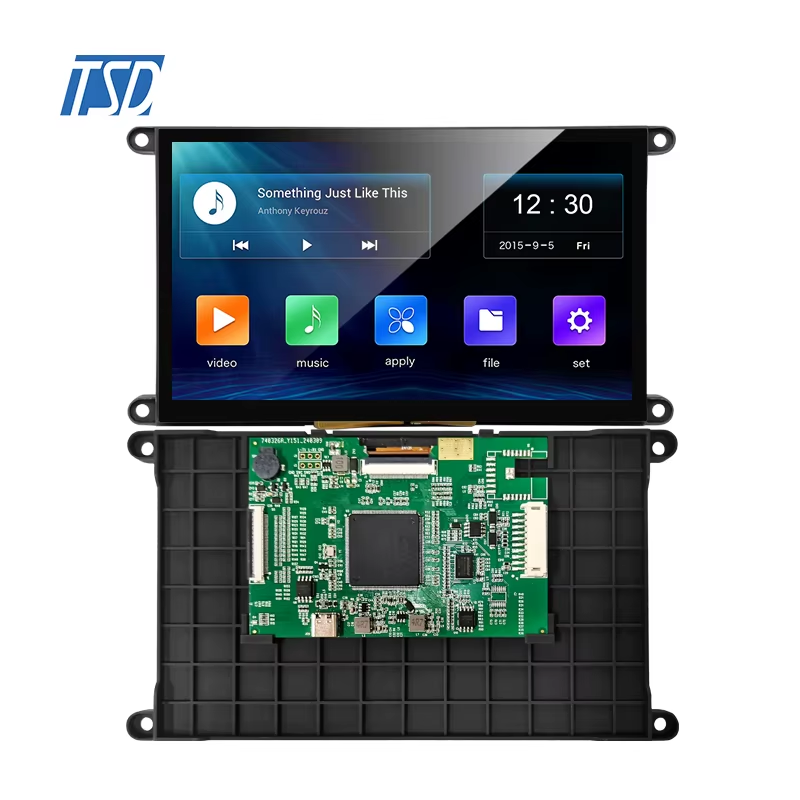
Professional LCD module manufacturing for export markets requires a comprehensive approach that balances technological innovation, cost efficiency, and regulatory compliance. Export success depends on delivering an LCD module that not only meets technical specifications but also arrives at its destination on schedule, properly packaged, and ready for immediate integration. This article explores the key elements of professional LCD module production, the standards that govern export quality, and the competitive advantages that manufacturers can leverage to win and retain export business.
Core Manufacturing Excellence in LCD Module Production
Advanced Process Control and Quality Assurance
Professional manufacturers of LCD module components implement rigorous process control systems that ensure every unit meets exacting specifications. An LCD module destined for export markets undergoes multiple verification stages, from raw material inspection through final assembly and testing. Quality assurance protocols include automated optical inspection, luminance and color uniformity testing, electrical performance validation, and thermal stress testing. These comprehensive checks guarantee that each LCD module performs reliably across the temperature ranges, humidity levels, and operational stresses it will encounter in its final application.
The foundation of professional LCD module quality lies in standardized manufacturing processes that eliminate variability and reduce defect rates. By implementing lean manufacturing principles and continuous improvement methodologies, leading manufacturers ensure consistent LCD module quality across production runs. Statistical process control charts track performance metrics in real time, enabling operators to detect and correct deviations before they result in defective units. This proactive approach reduces scrap rates, improves first-pass yield, and ultimately delivers better margins on each LCD module sold into export channels.
Advanced Testing and Compliance Documentation
Export markets enforce strict compliance requirements, and professional LCD module manufacturers invest heavily in testing facilities and certification capabilities. Each LCD module undergoes environmental stress testing, including thermal cycling, humidity exposure, vibration testing, and electrostatic discharge protection verification. Full compliance documentation accompanies every shipment of LCD module products, providing customers with traceability records, test reports, and certification evidence that satisfies regulatory bodies in destination markets.
Professional manufacturers maintain accreditations such as ISO 9001 for quality management and ISO 14001 for environmental responsibility, demonstrating commitment to international standards. The LCD module you purchase from an accredited manufacturer comes with documented proof of conformance to RoHS directives, REACH regulations, and country-specific import requirements. This comprehensive documentation reduces import delays and customer concerns, establishing the professional LCD module supplier as a trustworthy partner capable of meeting export market expectations consistently.
Technology Integration and Customization Capabilities
Smart Features and Interface Options
Modern export markets increasingly demand intelligent LCD module solutions that go beyond simple display functions. Professional manufacturers develop LCD module products with embedded microcontroller capabilities, touchscreen integration, and multiple communication interfaces including serial RS232, RS485, and CAN bus protocols. A professional LCD module may include built-in memory for firmware updates, programmable brightness control, and real-time clock functionality that adds significant value to end-user applications.
The ability to customize an LCD module for specific export market requirements distinguishes professional manufacturers from commodity suppliers. Whether the customer needs a custom resolution, specific color depth, specialized viewing angles, or proprietary communication protocols, leading LCD module manufacturers maintain the engineering flexibility and production infrastructure to accommodate these needs. This customization capability transforms the LCD module from a generic component into a tailored solution that directly addresses the unique requirements of diverse export markets.
Integration Support and Technical Documentation
Professional LCD module manufacturers provide comprehensive integration support that helps export customers bring products to market faster and more reliably. Technical documentation for each LCD module includes detailed electrical schematics, timing diagrams, firmware development resources, and application notes that enable rapid product development. Customer support teams offer consultation on LCD module selection, circuit design guidance, and troubleshooting assistance that accelerates time-to-market for export-bound products.
The professional approach to LCD module supply goes beyond shipping a physical product; it includes transferring knowledge and providing partnership throughout the customer's development cycle. Sample units, prototype builds, and design collaboration services help export customers validate their concepts before committing to full production volumes. This consultative approach to LCD module partnerships builds stronger relationships and increases customer satisfaction, translating into long-term business stability for professional manufacturers.
Supply Chain Reliability and Export Market Competitiveness
Production Capacity and Lead Time Management
Export market success depends on consistent delivery, and professional LCD module manufacturers maintain production capacity that matches market demand while minimizing lead times. Strategic inventory management of LCD module components and strategic positioning of finished goods near key export markets reduces shipping time and improves responsiveness to customer orders. Manufacturers who specialize in serving export markets understand the importance of meeting committed delivery dates and maintain redundant production lines to ensure that no single failure disrupts LCD module shipments.
Professional LCD module suppliers establish clear communication channels with export customers regarding production schedules, inventory levels, and planned upgrades. Advance notification of any changes to LCD module availability or delivery timelines demonstrates reliability and professionalism. Manufacturers who consistently meet or exceed promised delivery dates build reputations that translate into increased market share and customer loyalty across export regions.
Cost Optimization Without Quality Compromise
Professional manufacturers understand that export competitiveness requires aggressive pricing without sacrificing the LCD module quality that end markets demand. Through economies of scale, strategic sourcing of raw materials, and continuous process improvement, leading manufacturers achieve cost structures that enable competitive pricing while maintaining healthy margins. The professional LCD module supplier passes appropriate cost efficiencies to customers, improving their competitiveness while preserving quality investments.
Volume pricing tiers for LCD module orders encourage larger purchases and reward customer loyalty, creating win-win scenarios where both supplier and customer benefit. Professional manufacturers also offer flexible payment terms, including progress payment structures for large export orders, reducing financial burden on customers and enabling them to scale production according to market demand. These commercially flexible approaches to LCD module supply strengthen partnerships and build the mutual trust necessary for long-term export success.
FAQ
What certifications should a professional LCD module manufacturer hold for export markets?
Professional LCD module manufacturers should maintain ISO 9001 quality management certification, ISO 14001 environmental responsibility certification, and compliance verification with RoHS and REACH directives. Export markets increasingly require documentation confirming that each LCD module meets these international standards. Additionally, manufacturers should hold country-specific certifications appropriate to their major export destinations, such as CE marking for European markets or FCC compliance for North American imports. An LCD module from a certified manufacturer arrives with complete documentation packages that accelerate customs clearance and regulatory acceptance in destination markets.
How do professional manufacturers customize LCD module solutions for diverse export applications?
Professional LCD module manufacturers employ experienced engineering teams that work directly with export customers to understand application requirements and deliver tailored solutions. Customization options include resolution adjustment, display size modification, color depth optimization, and interface protocol selection to match specific customer needs. The LCD module customization process typically begins with detailed requirements gathering, followed by design review, prototype development, and sample validation before full production begins. Professional manufacturers maintain extensive libraries of proven LCD module designs and components, enabling rapid adaptation to new export market requirements without extended development timelines.
What advantages does professional LCD module manufacturing offer compared to commodity suppliers?
Professional LCD module manufacturers distinguish themselves through superior quality control, comprehensive technical support, and reliable delivery performance that commodity suppliers typically cannot match. Each LCD module undergoes rigorous testing and arrives with full compliance documentation that satisfies demanding export market requirements. Professional manufacturers also provide design consultation, prototype support, and integration assistance that helps customers accelerate product development and reduce time-to-market. Additionally, professional LCD module suppliers maintain stable pricing structures, transparent communication, and long-term partnership commitments that commodity suppliers rarely offer, creating greater business predictability for export-focused customers.