
 EN
EN



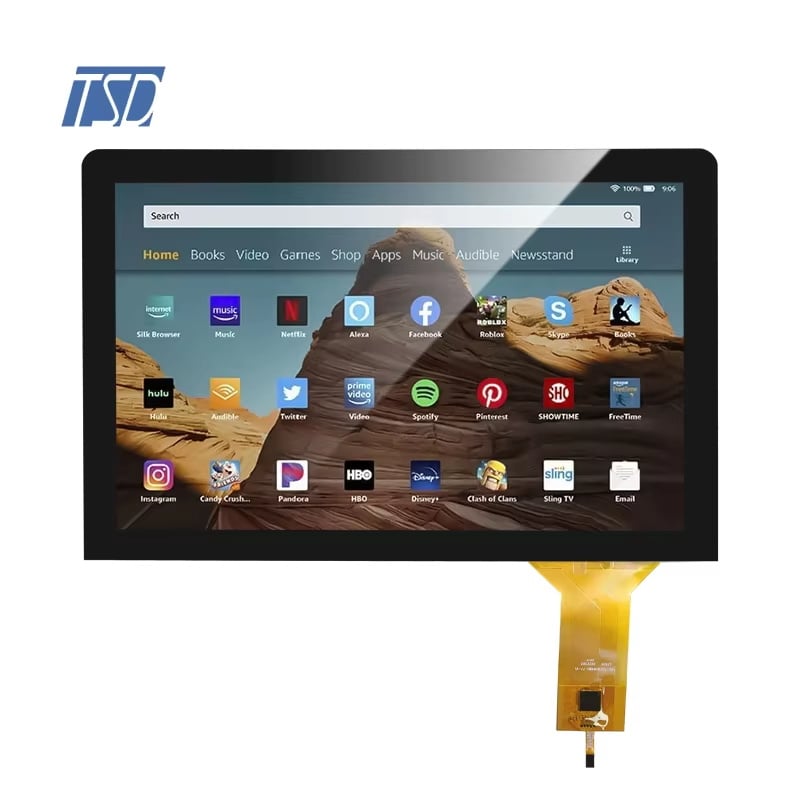
Professional audio-visual equipment demands exceptional visual performance, and the tft lcd module has become the backbone of modern AV display systems. Whether integrated into broadcast monitors, digital signage controllers, or professional presentation systems, a tft lcd module must deliver precise color reproduction, fast response times, and long-term operational reliability. The production of tft lcd module components for professional AV applications requires rigorous engineering standards, quality control protocols, and customization capabilities that extend far beyond consumer-grade display manufacturing. Understanding how tft lcd module production supports the AV industry helps integrators, system designers, and procurement teams make informed decisions about display technology investments.
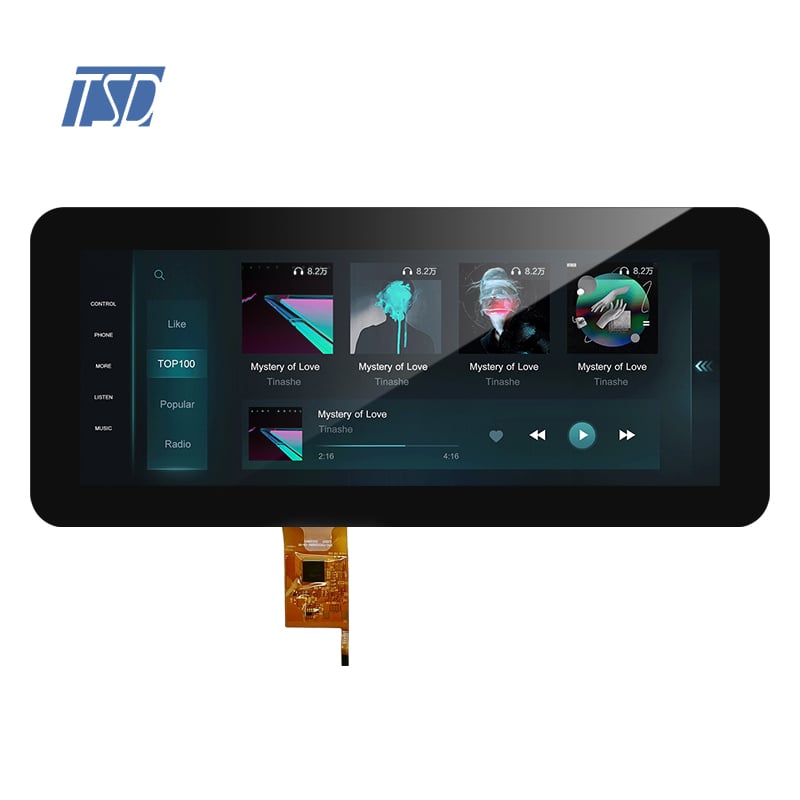
The production landscape for tft lcd module components has evolved significantly to meet the demanding specifications of professional AV environments. Modern tft lcd module manufacturing integrates advanced thin-film transistor technology, precision calibration equipment, and environmental testing facilities that ensure consistent performance across large production batches. Professional AV applications—including control room displays, live event monitoring, conference room systems, and broadcast facilities—depend on tft lcd module units that maintain color accuracy, brightness uniformity, and thermal stability under continuous operation.
Engineering Standards in TFT LCD Module Manufacturing
Precision Calibration and Color Accuracy
Professional AV environments require exceptional color fidelity because content accuracy directly impacts audience perception and system credibility. Every tft lcd module produced for professional use undergoes multi-point color calibration to match industry standards such as Rec. 709 or DCI-P3 color spaces. Manufacturers use spectrophotometric equipment to measure and verify color output at multiple brightness levels, ensuring that a tft lcd module maintains consistent performance across its operational range. This calibration process is not a one-time measurement; production facilities recalibrate test equipment regularly and validate calibration against reference standards to maintain accuracy across entire production runs.
Response Time and Motion Performance
In broadcast and live event applications, a tft lcd module must respond quickly to content changes to prevent ghosting, blurring, or color separation artifacts. Professional-grade tft lcd module production focuses on gray-to-gray response times, typically optimized to 5 milliseconds or faster, which meets the demands of fast-moving video content. The tft lcd module manufacturing process controls pixel switching speed through precise timing circuit design and liquid crystal material selection. Rigorous testing validates that a tft lcd module maintains consistent response times across the entire display surface and throughout its operational lifetime.
Customization and Integration for Professional AV Systems
Interface Options and Connectivity Standards
Professional AV installations demand flexible interface support, and modern tft lcd module production accommodates multiple connectivity standards to integrate seamlessly into existing system architectures. A tft lcd module designed for professional use may include HDMI, DisplayPort, DVI, or custom serial interfaces, depending on the application requirements. Some tft lcd module manufacturers offer embedded video processing capabilities, allowing a tft lcd module to accept multiple input formats and auto-scale content without external conversion equipment. The selection of interface options during tft lcd module production planning phase directly affects system integration cost and deployment complexity in the field.
Resolution and Panel Size Variety
Professional AV applications span diverse resolution and size requirements, from compact control room displays to large-format projection systems. TFT LCD module production facilities maintain tooling and manufacturing processes for common resolutions including 1024x768, 1280x1024, 1920x1080, and 4K formats. The tft lcd module manufacturing process for larger displays requires scaled production equipment and extended quality control cycles to manage panel size complexity. Custom tft lcd module configurations can be developed for specific AV applications, though minimum order quantities and lead times reflect the engineering investment required to establish production for non-standard specifications.
Reliability Testing and Environmental Performance in TFT LCD Module Production
Thermal Management and Extended Operation
Professional AV systems often operate continuously in challenging thermal environments, including equipment racks, broadcast control rooms, and outdoor temporary installations. Every tft lcd module produced for professional use undergoes accelerated thermal cycling tests to simulate real-world operational stresses. The tft lcd module manufacturing process includes thermal imaging verification, backlight power stability testing, and long-term burn-in procedures that collectively validate performance under sustained use. Superior thermal design in a tft lcd module includes optimized backlight distribution, efficient heat dissipation pathways, and driver electronics rated for extended temperature ranges.
Mean Time Between Failures and Component Selection
Professional AV installations require predictable maintenance schedules, making mean time between failures (MTBF) a critical specification for any tft lcd module deployment. High-quality tft lcd module production uses premium component selection, including industrial-grade capacitors, enhanced driver ICs, and optimized power supply circuits that collectively extend operational lifetime. The tft lcd module manufacturing quality assurance program includes comprehensive failure mode analysis, statistical process control, and root cause investigation for any defects detected during production or field testing. Rigorous supplier qualification ensures that a tft lcd module integrates only certified components with documented reliability ratings.
FAQ
What distinguishes professional-grade TFT LCD module production from consumer-grade manufacturing?
Professional-grade tft lcd module production incorporates stricter color calibration, faster response times, wider operating temperature ranges, and comprehensive thermal testing compared to consumer displays. A tft lcd module for professional AV use also features industrial-rated components, enhanced EMI shielding, and longer-term supplier commitments for spare parts availability. The tft lcd module manufacturing process includes multi-stage quality verification and documented traceability that enables rapid troubleshooting and field replacement when necessary.
How does TFT LCD module customization affect production timelines for AV integrators?
Custom tft lcd module configurations require engineering design, tooling verification, and process qualification before mass production begins, typically extending lead times by 8–12 weeks beyond standard offerings. A tft lcd module with non-standard resolution, interface configuration, or mechanical mounting specification demands dedicated production planning and quality validation. Integrators can minimize delays by selecting tft lcd module options from manufacturer-supported configuration menus rather than requesting completely custom specifications.
What reliability metrics should AV system designers prioritize when selecting a TFT LCD module?
System designers should prioritize MTBF ratings, thermal operating range, and documented response time specifications when evaluating a tft lcd module for professional installation. The tft lcd module should include detailed environmental testing data, brightness uniformity measurements, and color accuracy certifications relevant to the intended application. Requesting warranty coverage details, tft lcd module spare parts availability, and manufacturer technical support responsiveness ensures long-term system sustainability and minimizes operational risk.