
 EN
EN



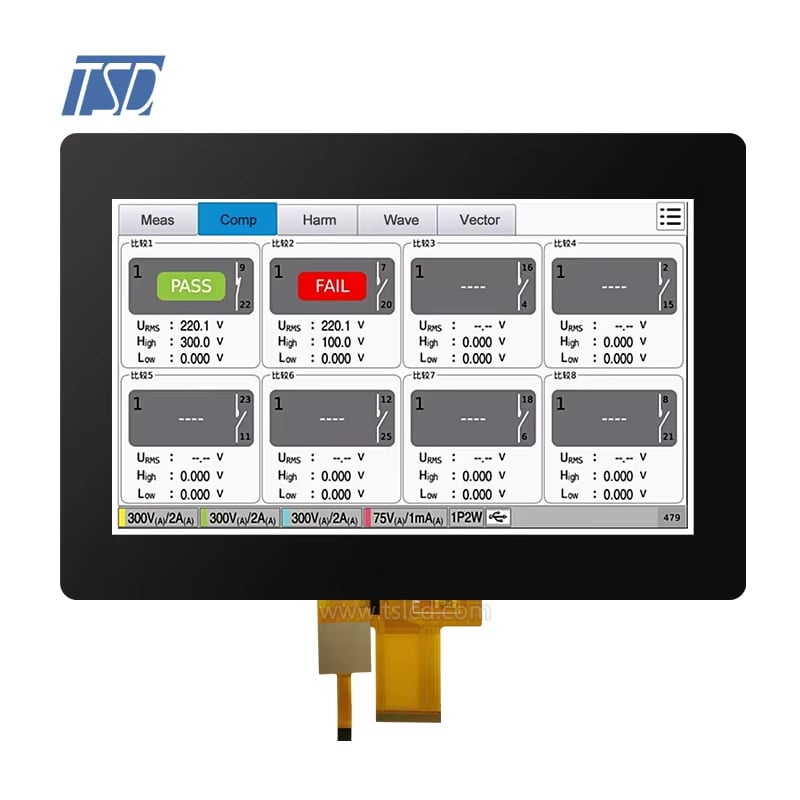
In medical imaging environments, display quality is not a preference — it is a clinical requirement. IPS LCD display modules have become the standard choice for medical imaging systems precisely because they deliver the wide viewing angles, accurate color reproduction, and consistent brightness that diagnostic workflows demand. Unlike conventional TN panels, IPS LCD display modules maintain color fidelity even when viewed from off-axis positions, a property that directly supports multi-clinician review scenarios common in radiology and surgical planning.
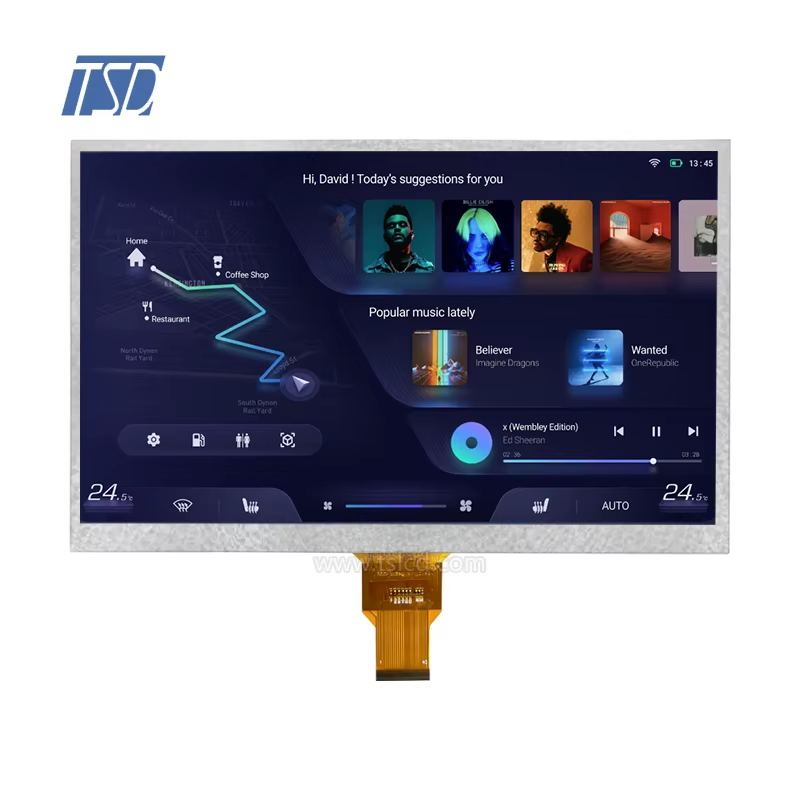
The integration of IPS LCD display modules into medical imaging systems is a deliberate engineering decision that balances optical performance, long-term reliability, and regulatory compliance. As imaging modalities grow more sophisticated — from digital radiography to endoscopy and ultrasound — the display interface becomes a critical link between raw image data and clinical interpretation. Understanding how IPS LCD display modules perform in these demanding applications helps engineers and procurement teams make better-informed decisions when specifying display components for medical-grade equipment.
Optical Performance of IPS LCD Display Modules in Diagnostic Imaging
Wide Viewing Angles and Color Accuracy
The defining characteristic of IPS LCD display modules is their in-plane switching technology, which aligns liquid crystal molecules parallel to the glass substrate. This alignment method allows IPS LCD display modules to maintain consistent color and grayscale values at viewing angles up to 178 degrees horizontally and vertically. In radiology reading rooms or operating theaters where multiple professionals review the same screen simultaneously, this characteristic is essential. A TN-based display would shift color tones and reduce contrast noticeably at angles beyond 30 degrees, potentially altering perceived image detail.
Color accuracy in IPS LCD display modules is also significantly higher than in standard alternatives. Medical imaging applications rely on precise grayscale rendering and faithful color reproduction, especially in modalities like pathology slide scanning or dermatology imaging where subtle color differentiation carries diagnostic weight. IPS LCD display modules typically achieve wider color gamuts and more accurate delta-E values, ensuring that the rendered image closely represents the actual tissue or structure being examined.
Contrast Ratio and Brightness Stability
IPS LCD display modules designed for medical imaging are engineered to sustain stable luminance levels over extended operating periods. Medical displays are often active for 16 to 24 hours daily, and any drift in brightness or contrast can compromise image interpretation. High-quality IPS LCD display modules incorporate uniform backlight systems — often LED arrays with local dimming control — that maintain consistent brightness across the entire panel surface. This uniformity prevents hotspots or dark corners that would distort diagnostic accuracy in chest X-ray reading or MRI scan evaluation.
Technical Specifications Relevant to Medical Imaging Systems
Resolution and Pixel Density Requirements
Medical imaging applications place strict demands on the resolution capabilities of IPS LCD display modules. While consumer-grade displays operate comfortably at full HD resolution, diagnostic applications for modalities such as mammography or digital pathology may require 3 to 5 megapixel panels to meet regulatory image quality standards. Even in secondary clinical display roles — patient monitoring, procedure guidance, or consultation screens — IPS LCD display modules at 1024x600 or 1920x1080 resolution provide sufficient pixel density to render anatomical structures clearly without pixelation artifacts that could mislead clinical judgment.
The interface type used to drive IPS LCD display modules also matters significantly in medical system design. LVDS interfaces are widely preferred in embedded medical display applications because they provide stable high-speed data transmission with low electromagnetic emissions. IPS LCD display modules with LVDS connectivity integrate cleanly into compact medical device architectures, including portable ultrasound units, bedside monitors, and surgical navigation systems, without introducing signal integrity issues that could degrade image quality.
Temperature Tolerance and Long-Term Reliability
Medical environments impose unique operational stresses on display components. IPS LCD display modules used in operating theaters may be exposed to elevated ambient temperatures, while those installed in diagnostic workstations must tolerate continuous full-brightness operation. Premium IPS LCD display modules specify wide operating temperature ranges, typically from -20°C to +70°C, and are built with components rated for extended mean-time-between-failure values. These specifications ensure that IPS LCD display modules remain operationally stable throughout multi-year equipment lifecycles without requiring frequent replacement or recalibration.
Selecting IPS LCD Display Modules for Medical Equipment Design
Matching Display Specifications to Imaging Modality
Not every medical imaging application requires the same display performance tier. IPS LCD display modules used for primary diagnostic reading — where a radiologist or pathologist renders a clinical diagnosis from the image — must meet the highest performance standards, including DICOM GSDF compliance, high nit ratings, and certified grayscale uniformity. Secondary-use IPS LCD display modules, such as those integrated into patient-facing consultation screens or procedure room overview monitors, can prioritize size, form factor, and cost efficiency while still benefiting from the inherent optical advantages of IPS technology.
When specifying IPS LCD display modules for a new medical device platform, engineers should evaluate the required aspect ratio, touch panel integration compatibility, anti-reflective coating options, and available brightness enhancement films. IPS LCD display modules with optical bonding — where the cover glass is laminated directly to the LCD surface — eliminate the air gap that causes reflection and parallax, resulting in sharper perceived image quality in high-ambient-light clinical settings. This feature is especially relevant for IPS LCD display modules deployed in surgical lighting environments or outdoor-use medical devices.
Regulatory and Quality Assurance Considerations
Medical device manufacturers integrating IPS LCD display modules into their products must ensure that the display components meet applicable regulatory standards for their target markets. IPS LCD display modules that carry certifications aligned with IEC 60601 electrical safety standards and ISO 13485 quality management frameworks simplify the device approval process and reduce compliance risk. Partnering with display suppliers who provide full material declarations, RoHS compliance documentation, and change-notification processes ensures that IPS LCD display modules in the supply chain remain compliant as regulatory requirements evolve.
FAQ
What makes IPS LCD display modules better than TN panels for medical imaging?
IPS LCD display modules maintain accurate color and contrast at wide viewing angles, whereas TN panels shift color tones significantly when viewed off-axis. For medical imaging, this means IPS LCD display modules provide consistent image quality for multiple viewers simultaneously, reducing the risk of misinterpretation caused by display-induced color distortion.
Can IPS LCD display modules meet DICOM GSDF requirements for primary diagnostic use?
Yes, IPS LCD display modules designed for primary diagnostic applications are engineered to support DICOM Grayscale Standard Display Function compliance. These IPS LCD display modules offer calibration tools, stable luminance output, and sufficient grayscale bit depth to meet the performance thresholds defined for diagnostic-grade medical displays.
How does optical bonding improve IPS LCD display modules in clinical environments?
Optical bonding eliminates the air gap between the cover glass and the LCD surface in IPS LCD display modules, which reduces internal reflections and improves readability under bright clinical lighting. For IPS LCD display modules used in surgical suites or well-lit examination rooms, optically bonded panels deliver sharper, higher-contrast images that support more confident and accurate clinical assessment.