
 EN
EN



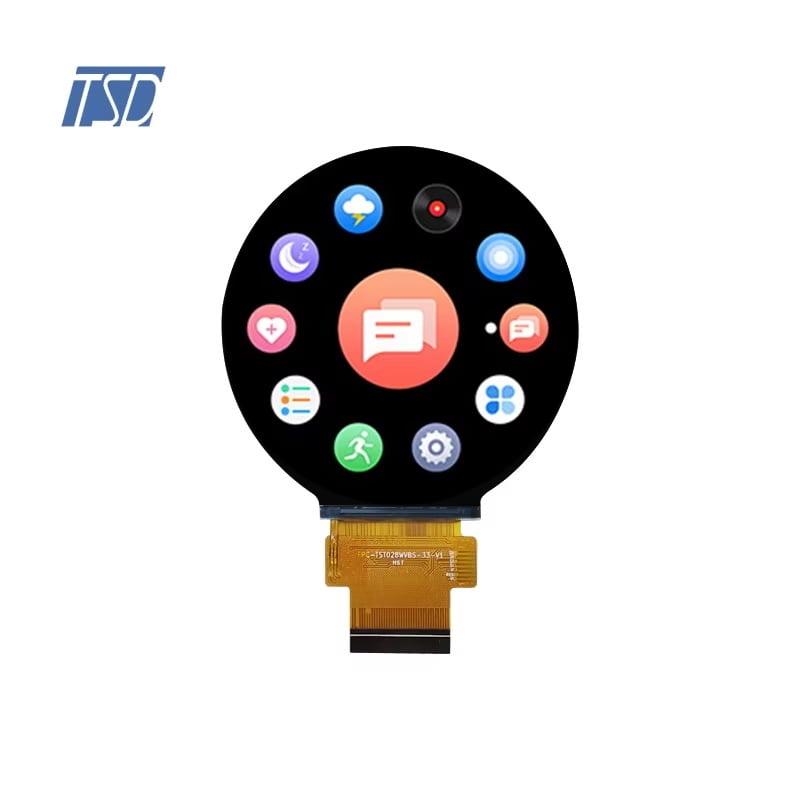
The demand for high-quality screens in modern smartphones has made IPS LCD display modules a foundational component in premium mobile device manufacturing. As consumers expect sharper visuals, wider viewing angles, and more accurate color reproduction, device makers increasingly rely on IPS LCD display modules to meet those expectations. Understanding how these modules are produced, and why production quality matters so deeply, helps engineers and procurement teams make better sourcing decisions.
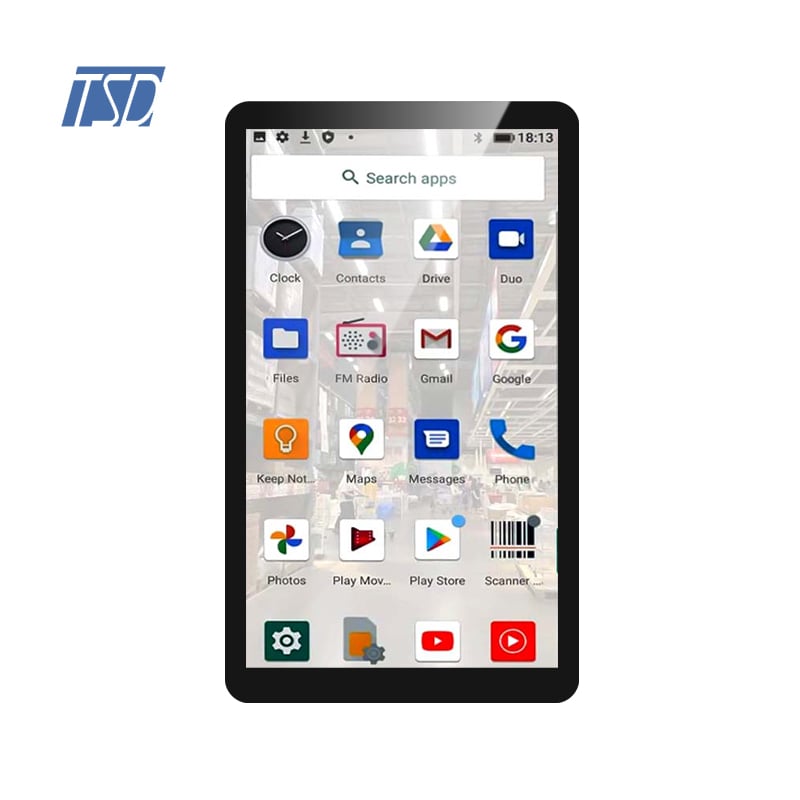
IPS LCD display modules combine an In-Plane Switching liquid crystal panel with a backlight unit, driver ICs, a flexible printed circuit, and often a capacitive touch layer. When manufactured for premium mobile devices, every element in the stack must meet tight tolerances. The integration of IPS LCD display modules into high-end smartphones demands precision at every production stage, from glass cutting to final optical bonding. This article explores the production process, critical quality factors, and selection considerations that define superior IPS LCD display modules for the premium mobile segment.
The Production Process Behind IPS LCD Display Modules
Panel Fabrication and Cell Assembly
The production of IPS LCD display modules starts at the TFT array stage, where thin-film transistors are deposited onto a glass substrate. In IPS configuration, the liquid crystal molecules are aligned horizontally within the plane of the glass, which is what gives IPS LCD display modules their characteristic wide viewing angles and consistent color accuracy. The color filter glass is then bonded to the TFT glass to form a complete LCD cell. For premium mobile resolutions such as 720x1280 or higher, the pixel density and cell gap must be controlled to sub-micron precision to ensure uniformity across IPS LCD display modules.
Once the cell is assembled, liquid crystal material is injected or vacuum-filled into the gap between the two glass layers. The cell is then sealed and cut to the exact dimensions specified for the target device. Backlight units for IPS LCD display modules in mobile applications typically use edge-lit LED arrays combined with light guide plates to deliver a thin, uniform illumination profile. The integration of optical films — diffusion, prism, and reflective sheets — further enhances the brightness and efficiency of IPS LCD display modules intended for outdoor-visible mobile screens.
Driver IC Integration and Interface Compatibility
IPS LCD display modules for premium mobile devices require high-speed display driver ICs bonded directly to the glass using chip-on-glass or chip-on-film technology. The driver IC controls pixel refresh rates, color depth, and timing signals that synchronize with the host processor. Premium IPS LCD display modules typically support MIPI DSI interfaces, which provide the high bandwidth needed to drive resolutions up to Full HD and beyond at smooth frame rates. Proper IC bonding and flex cable routing are critical to preventing signal degradation in finalized IPS LCD display modules.
Quality Standards That Define Premium IPS LCD Display Modules
Optical Bonding and Touch Panel Integration
One of the most significant quality differentiators in IPS LCD display modules for premium mobile devices is optical bonding. Instead of leaving an air gap between the cover glass and the LCD panel, optical bonding fills the space with a clear adhesive resin. This process dramatically improves the readability of IPS LCD display modules under bright ambient light by eliminating internal reflections. For premium devices, fully optically bonded IPS LCD display modules deliver a more immersive visual experience and greater structural rigidity under mechanical stress.
The integration of a capacitive touch panel into IPS LCD display modules is equally important for mobile applications. Multi-touch CTP layers bonded onto IPS LCD display modules must support 10-point touch recognition with low latency and high sensitivity, even when the user is wearing gloves or the screen is wet. Premium mobile manufacturers require IPS LCD display modules with on-cell or in-cell touch structures to reduce total stack thickness and improve touch accuracy. Each bonded IPS LCD display modules stack is tested for touch uniformity, pressure response, and optical clarity before being approved for final assembly.
Defect Control and Reliability Testing
Manufacturers of IPS LCD display modules for premium mobile devices apply strict automated optical inspection at multiple stages. Defects such as mura, dead pixels, backlight non-uniformity, and color banding are identified and rejected before IPS LCD display modules leave the production line. Reliability testing of IPS LCD display modules includes thermal cycling, humidity exposure, drop simulation, and UV aging to confirm that the modules will perform consistently across the expected product lifecycle. Only IPS LCD display modules that pass all qualification criteria are accepted into the supply chain for premium device integration.
Key Selection Criteria for IPS LCD Display Modules in Mobile Production
Resolution, Brightness, and Color Gamut Alignment
When selecting IPS LCD display modules for a premium mobile device project, engineers must align panel specifications with the product's visual performance targets. Resolution options for IPS LCD display modules in mobile applications range from HD 720x1280 to Full HD 1080x1920 and beyond, depending on the device tier. Brightness levels for outdoor-capable IPS LCD display modules should exceed 400 nits, while premium-tier panels often reach 600 nits or higher. Color gamut coverage of at least 72% NTSC is standard for consumer-grade IPS LCD display modules, while premium segments expect sRGB coverage near 100%.
Interface Standards and Mechanical Form Factor
IPS LCD display modules must be selected with the correct interface standard for the target platform. MIPI DSI is the dominant interface for IPS LCD display modules in modern smartphones, offering lower power consumption and support for high-resolution output. The physical dimensions and mounting features of IPS LCD display modules — including bezel width, connector placement, and module thickness — must match the mechanical design of the host device. Procurement teams sourcing IPS LCD display modules for production runs should evaluate sample batches for both performance and dimensional consistency before committing to volume orders.
FAQ
What makes IPS LCD display modules better suited for premium mobile devices than standard TN panels?
IPS LCD display modules offer superior viewing angles, more accurate color reproduction, and better contrast consistency compared to TN panels. In premium mobile applications, these visual qualities are essential because users interact with screens at varying angles. The in-plane switching technology within IPS LCD display modules ensures that colors remain stable even when the screen is viewed from extreme off-axis positions, which is a critical requirement for high-end consumer devices.
How does optical bonding affect the performance of IPS LCD display modules in mobile use?
Optical bonding eliminates the air gap between the touch glass and the LCD panel in IPS LCD display modules, which significantly reduces internal light reflections. This improves screen visibility in bright outdoor conditions and makes IPS LCD display modules feel more responsive to touch input because the visual layer is physically closer to the finger. Optically bonded IPS LCD display modules are also mechanically stronger, which improves the durability of the final mobile device assembly.
What interface type should be specified when sourcing IPS LCD display modules for a new mobile platform?
MIPI DSI is the recommended interface for IPS LCD display modules in modern mobile platforms due to its high data bandwidth, low power consumption, and broad compatibility with current application processors. When specifying IPS LCD display modules for a new design, engineers should confirm the number of MIPI lanes required to support the target resolution and refresh rate. Selecting IPS LCD display modules with the correct lane count and clock speed from the start prevents integration issues during hardware bring-up.