1602a LCD I2C Display Module Guide

Get a Free Quote

Our representative will contact you soon.
Email
Name
Company Name
Mobile
WhatsApp
Message
0/1000

1602a lcd i2c

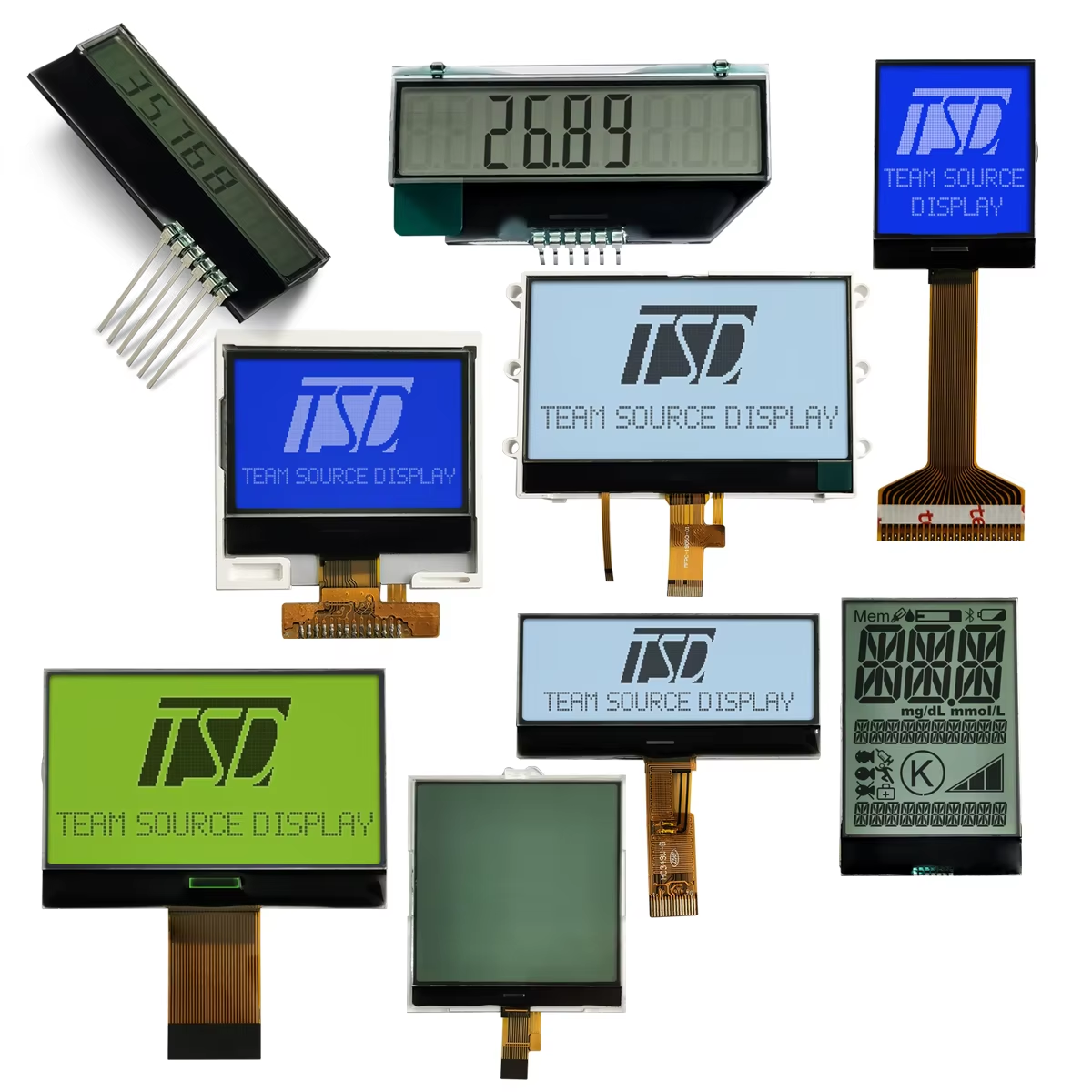
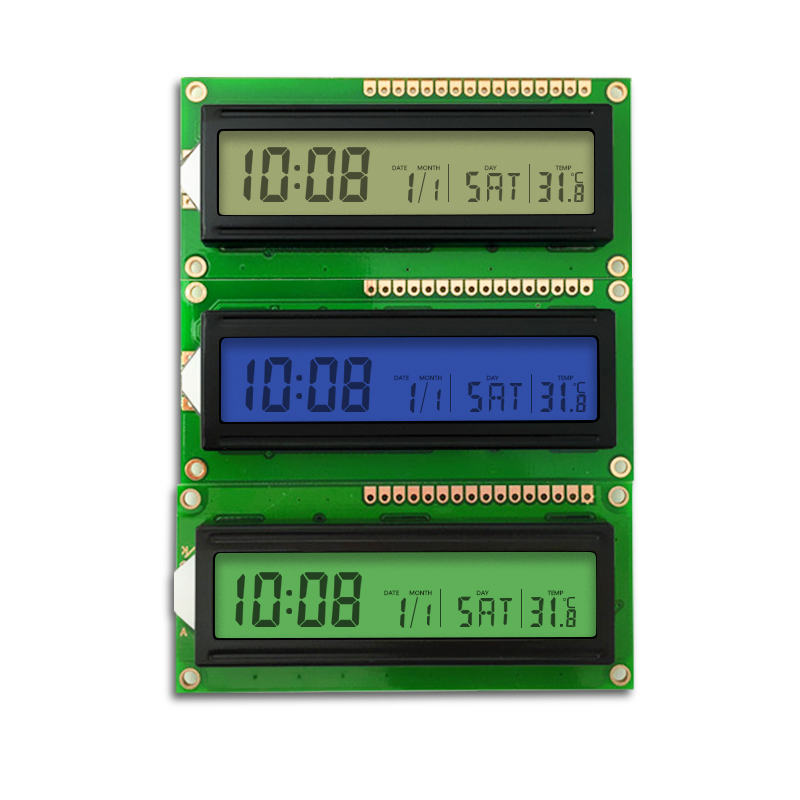
The 1602a lcd i2c is a compact character display module that combines a standard 16x2 LCD screen with an integrated I2C interface adapter. This module displays 16 characters per line across 2 lines, providing a total of 32 character positions for showing text, numbers, and basic symbols. The integrated I2C communication protocol simplifies connectivity by reducing the number of required pins from 16 to just 4 wires: VCC, GND, SDA, and SCL. This streamlined connection makes the 1602a lcd i2c particularly attractive for projects with limited GPIO availability on microcontrollers like Arduino, Raspberry Pi, and ESP32 boards. The module operates on 5V power supply and features adjustable backlight brightness through an onboard potentiometer, allowing users to optimize visibility in different lighting conditions. The I2C adapter board typically uses the PCF8574 chip to handle serial-to-parallel conversion, enabling efficient data transmission with minimal processing overhead. The 1602a lcd i2c supports standard LCD commands for cursor control, display clearing, and character positioning, making it compatible with widely available software libraries. This display module finds extensive use in embedded systems, DIY electronics projects, industrial control panels, educational demonstrations, and hobbyist applications where simple text-based information display is required. Its plug-and-play nature combined with comprehensive library support across multiple platforms has established the 1602a lcd i2c as a fundamental component in the maker community and professional prototyping environments.

New Product Recommendations

The 1602a lcd i2c offers significant wiring simplification that directly translates to faster project assembly and reduced troubleshooting time. By requiring only four connections instead of the traditional sixteen pins, you can complete your setup in minutes rather than hours, minimizing the risk of connection errors that often plague complex wiring schemes. This simplified connectivity preserves valuable GPIO pins on your microcontroller for other sensors and components, maximizing the functionality of your overall system design. The cost-effectiveness of the 1602a lcd i2c makes it an economical choice for both single prototypes and production runs, delivering professional-grade display capabilities without straining project budgets. The module's compatibility with popular platforms ensures you can easily find code examples, tutorials, and community support, significantly reducing development time and learning curves for beginners. Power efficiency is another practical benefit, as the 1602a lcd i2c consumes minimal current while maintaining clear, readable text display, making it suitable for battery-powered applications where energy conservation matters. The adjustable backlight allows you to customize visibility based on ambient lighting conditions, ensuring readability in both bright daylight and dim environments. Installation requires no soldering when used with standard jumper wires and breadboards, enabling quick prototyping and iterative testing. The robust construction and standardized form factor mean the 1602a lcd i2c can withstand repeated connections and disconnections during development phases. For decision-making purposes, this module represents a proven, reliable solution backed by years of community validation and extensive real-world deployment across countless successful projects, giving you confidence in your component selection.

Practical Tips

How Can LCD Display Modules Improve Your Product’s User Experience?

27

Nov

How Can LCD Display Modules Improve Your Product’s User Experience?

In today's competitive electronics market, user experience has become the defining factor that separates successful products from those that fail to capture consumer attention. One of the most critical components influencing this experience is the vi...
View More
What Should You Look for When Comparing LCD Module Suppliers?

27

Nov

What Should You Look for When Comparing LCD Module Suppliers?

Selecting the right LCD module suppliers is a critical decision that can significantly impact your product's performance, reliability, and market success. With numerous manufacturers competing in the display technology market, businesses must careful...
View More
What Factors Determine the Quality and Durability of an LCM?

17

Dec

What Factors Determine the Quality and Durability of an LCM?

Liquid Crystal Module technology has revolutionized the way we interact with digital displays across countless industries. From automotive dashboards to industrial control panels, the quality and durability of an lcm system directly impacts user expe...
View More
How Do Character LCDs Offer Long-Term Stability in Harsh Environments?

11

Feb

How Do Character LCDs Offer Long-Term Stability in Harsh Environments?

Character LCDs have become indispensable components in industrial and commercial applications where reliability and longevity are paramount. These display technologies demonstrate exceptional resilience when operating under challenging environmental ...
View More

Get a Free Quote

Our representative will contact you soon.
Email
Name
Company Name
Mobile
WhatsApp
Message
0/1000

1602a lcd i2c

Simple I2C Communication Protocol

Simple I2C Communication Protocol

The 1602a lcd i2c revolutionizes display connectivity through its integrated I2C interface, which fundamentally changes how you connect displays to microcontrollers. Traditional LCD modules demand extensive wiring with up to sixteen separate connections, creating a tangled web of wires that complicates circuit layouts and increases failure points. The 1602a lcd i2c eliminates this complexity by implementing a two-wire serial communication system that transmits all data and commands through just the SDA and SCL lines, plus power connections. This architecture not only simplifies physical connections but also enables you to connect multiple I2C devices on the same bus using unique addresses, creating expandable systems without additional pin requirements. The PCF8574 I2C expander chip handles all the complex parallel-to-serial conversion automatically, requiring no additional programming effort on your part. Software libraries abstract the communication details, allowing you to send text to the display using simple, intuitive commands that work consistently across different microcontroller platforms, making your code portable and maintainable for long-term projects.
Space-Saving Design for Compact Projects

Space-Saving Design for Compact Projects

The compact footprint of the 1602a lcd i2c makes it an ideal solution when physical space constraints challenge your project design. The module measures approximately 80mm x 36mm, fitting comfortably into small enclosures, handheld devices, and space-limited installations where every millimeter counts. Beyond the display itself, the minimal wiring requirement means you need less physical space for cable routing, allowing cleaner layouts in crowded project boxes. The integrated I2C adapter board mounts directly on the back of the LCD module, creating a single unified component rather than requiring separate real estate for interface circuitry. This consolidated design approach reduces the overall system complexity and makes installation in tight spaces significantly more manageable. For portable and wearable electronics applications, the lightweight construction adds negligible mass to your project while delivering essential user interface capabilities. The standardized mounting holes enable secure installation using spacers or direct panel mounting, providing mechanical stability without complicated brackets or custom housing modifications that would otherwise consume development time and resources.
Broad Platform Compatibility and Support

Broad Platform Compatibility and Support

The 1602a lcd i2c enjoys exceptional compatibility across the entire spectrum of popular microcontroller platforms, ensuring your investment remains valuable regardless of your chosen development environment. Whether you work with Arduino boards, Raspberry Pi computers, ESP8266 or ESP32 WiFi modules, STM32 processors, or PIC microcontrollers, comprehensive library support exists to simplify integration. The LiquidCrystal_I2C library for Arduino provides straightforward functions for initialization, text printing, and cursor control, while Python libraries serve Raspberry Pi users with equal effectiveness. This universal compatibility means skills and code you develop for one platform transfer readily to others, maximizing your learning investment and enabling code reuse across multiple projects. The extensive online community surrounding the 1602a lcd i2c has generated thousands of tutorials, example projects, and troubleshooting guides that accelerate your development process. When challenges arise, solutions are typically just a quick search away, supported by active forums where experienced developers share insights. This ecosystem of support reduces project risk and ensures you can confidently specify the 1602a lcd i2c knowing that technical assistance and integration examples are readily available for virtually any application scenario you might encounter.
1602a LCD I2C Display Module Guide

Have questions about the company?

Get a Free Quote

Our representative will contact you soon.
Email
Name
Company Name
Mobile
WhatsApp
Message
0/1000

Get a Free Quote

Our representative will contact you soon.
Email
Name
Company Name
Mobile
WhatsApp
Message
0/1000