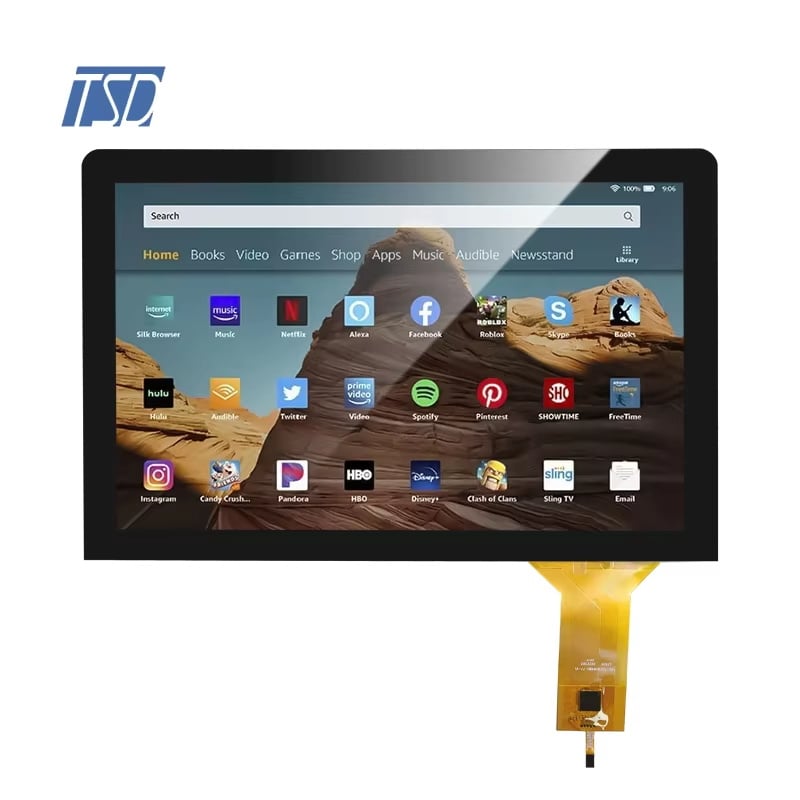
graphic lcd module
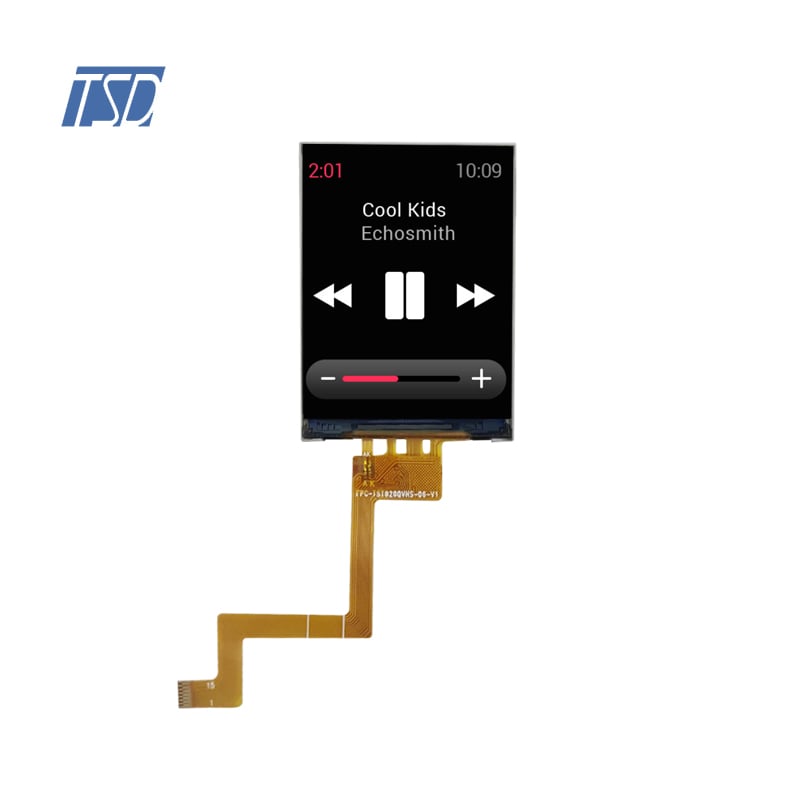
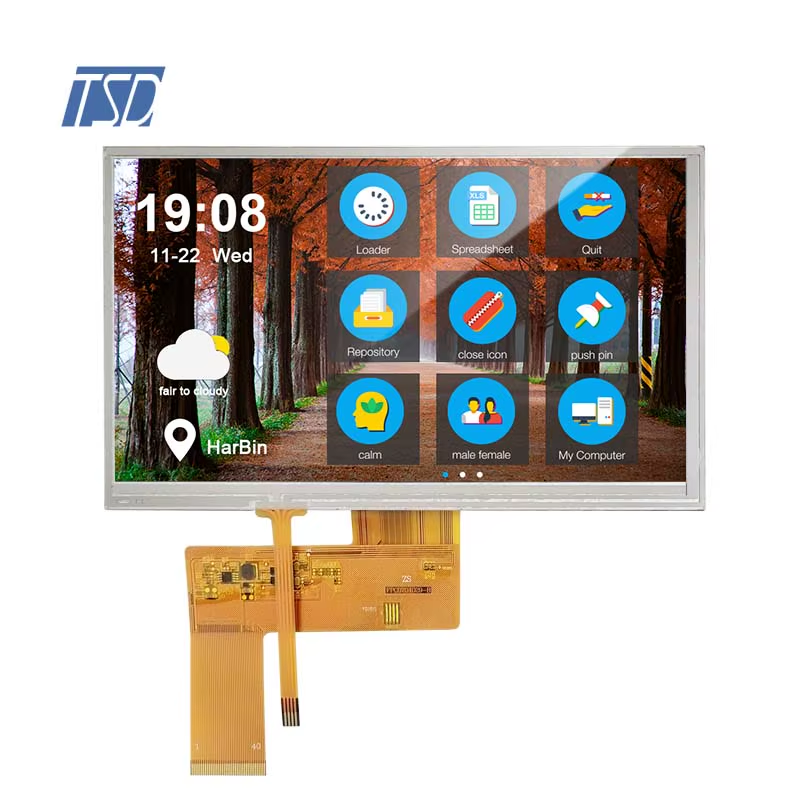
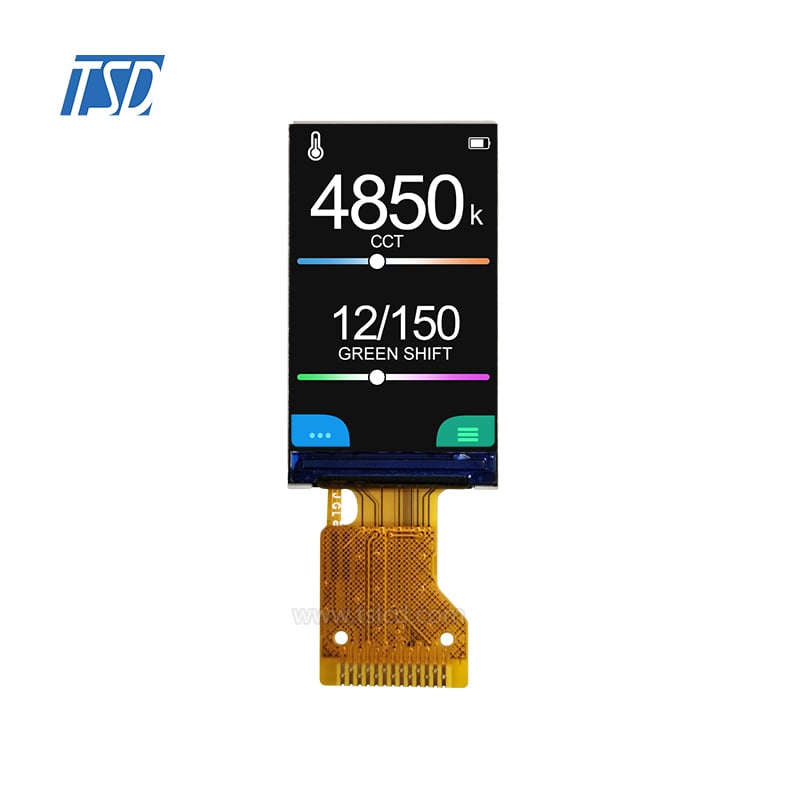
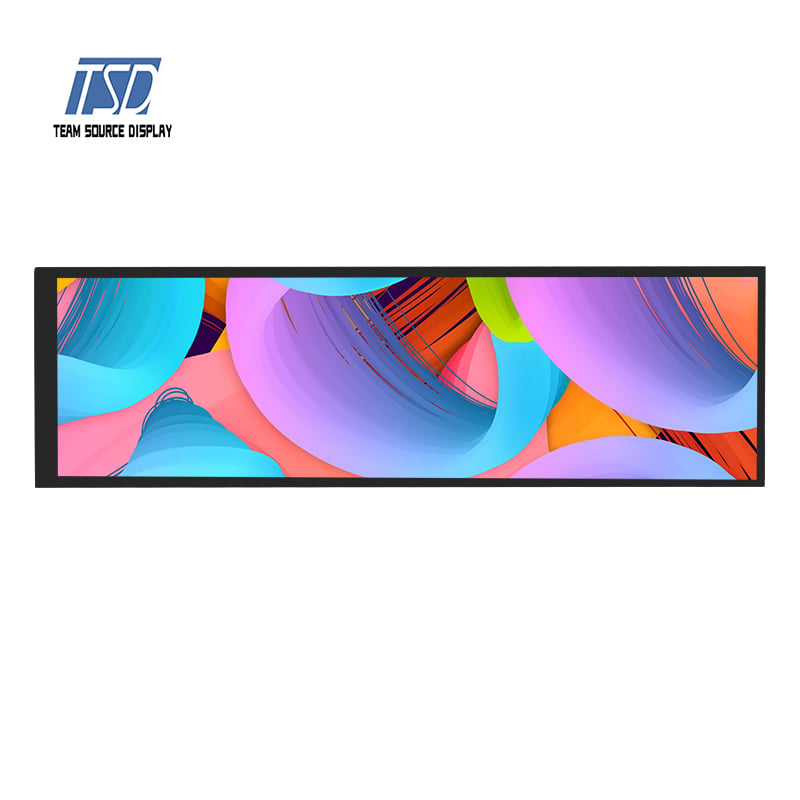
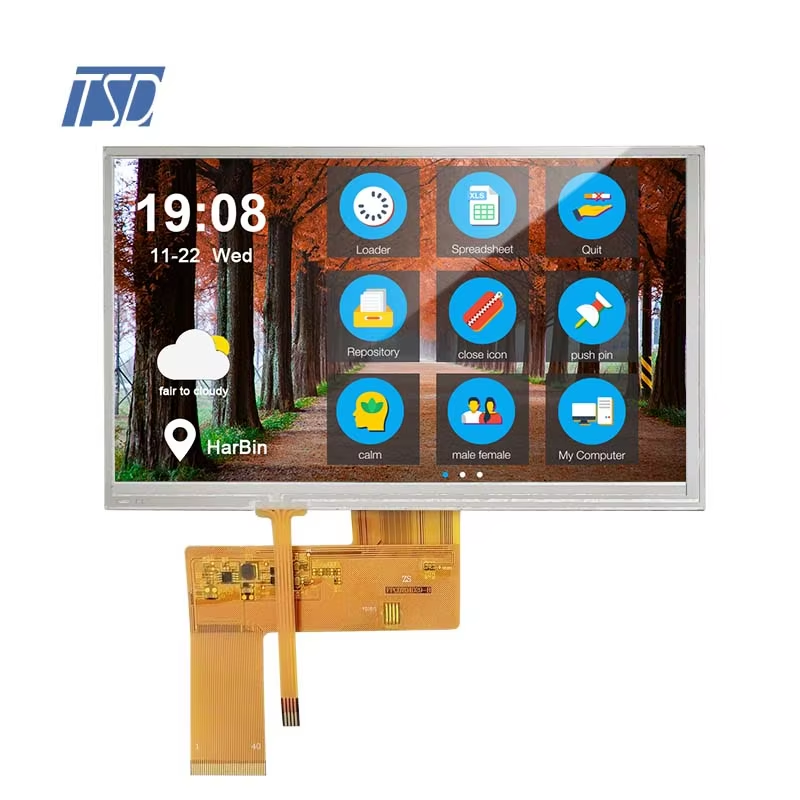
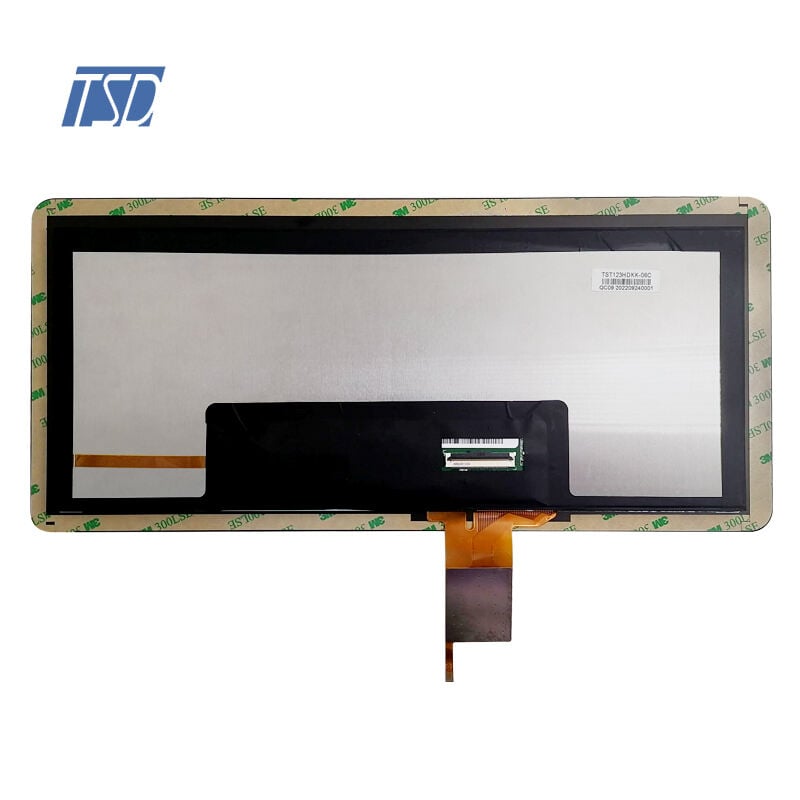
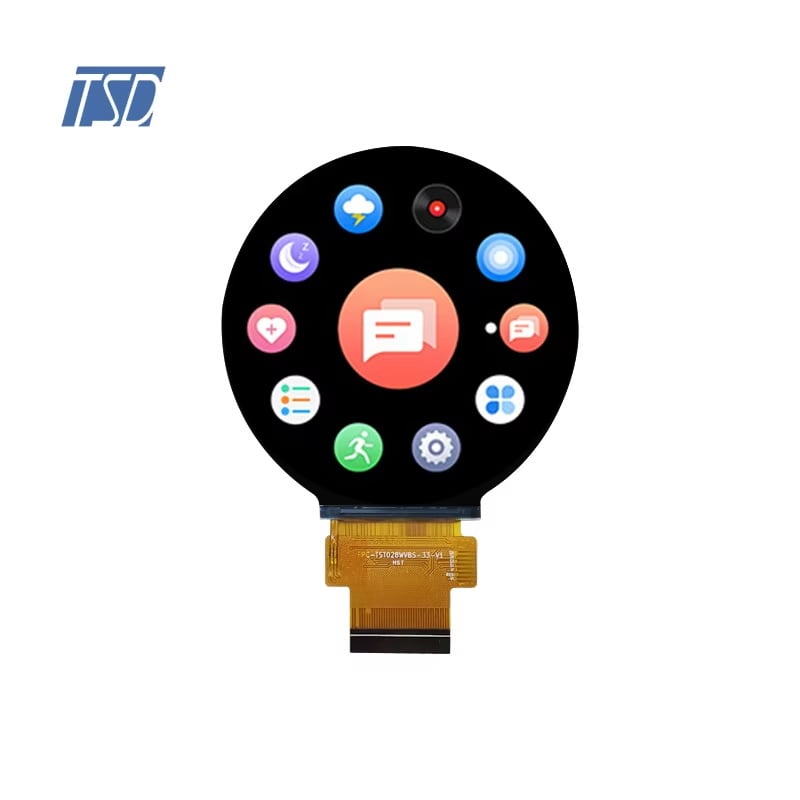
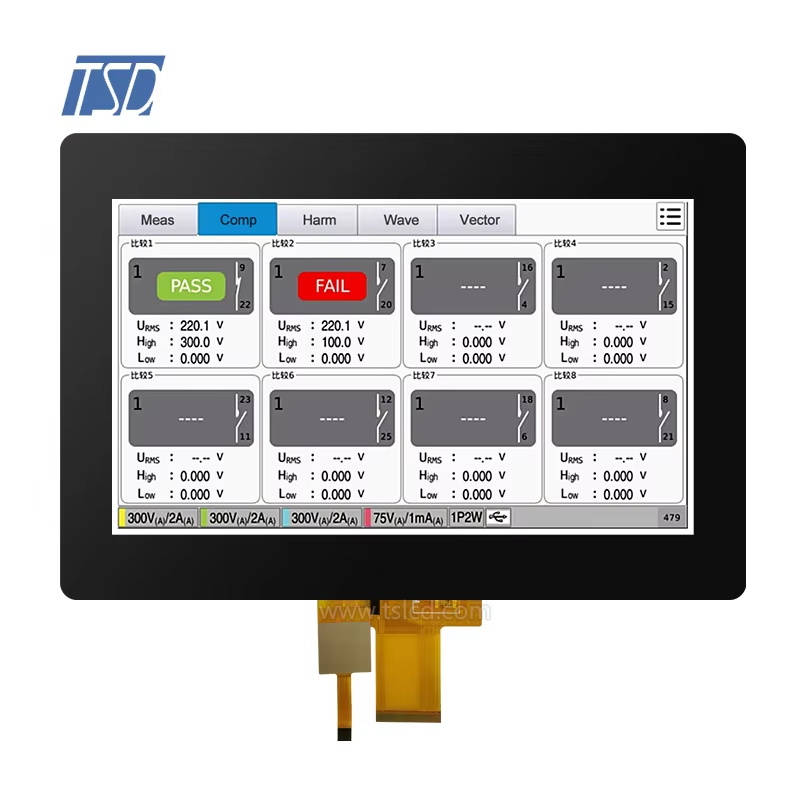
A graphic lcd module is an advanced display component that combines liquid crystal technology with graphic rendering capabilities to present visual information in both text and images. Unlike traditional character-based displays, a graphic lcd module offers pixel-level control, enabling users to create custom fonts, icons, diagrams, and complex visual interfaces. These modules typically consist of a liquid crystal display panel, backlight system, driver circuitry, and controller interface that work together to produce clear, readable content. The graphic lcd module supports various resolutions ranging from small 128x64 configurations to larger formats exceeding 320x240 pixels, providing flexibility for different application requirements. Most modules utilize monochrome or color display technology, with options for LED or CCFL backlighting to ensure visibility in diverse lighting conditions. The interface options include parallel, serial, SPI, and I2C communication protocols, making integration straightforward with microcontrollers and embedded systems. This versatility allows the graphic lcd module to serve industries spanning medical equipment, industrial automation, consumer electronics, automotive dashboards, and portable instrumentation. Engineers appreciate how these modules balance performance with power efficiency, often consuming minimal current while delivering crisp visual output. The programmable nature of a graphic lcd module enables developers to create dynamic user interfaces that enhance product functionality and user experience, making it an essential component in modern electronic device design.

 EN
EN