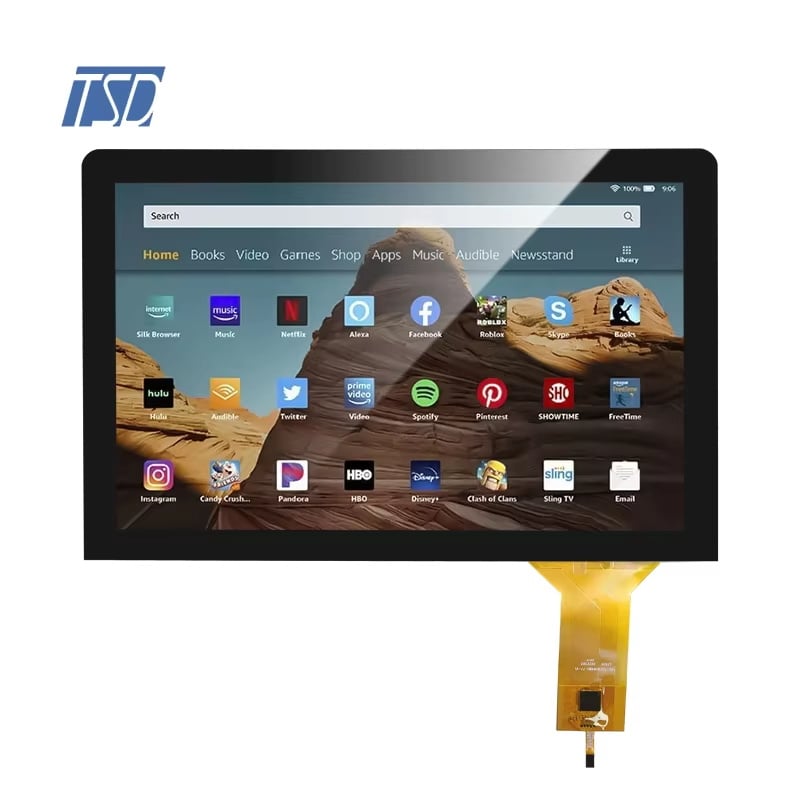
3.2 TFT Display Guide: Features & Benefits

Get a Free Quote

Our representative will contact you soon.
Email
Name
Company Name
Mobile
WhatsApp
Message
0/1000

3.2 tft display

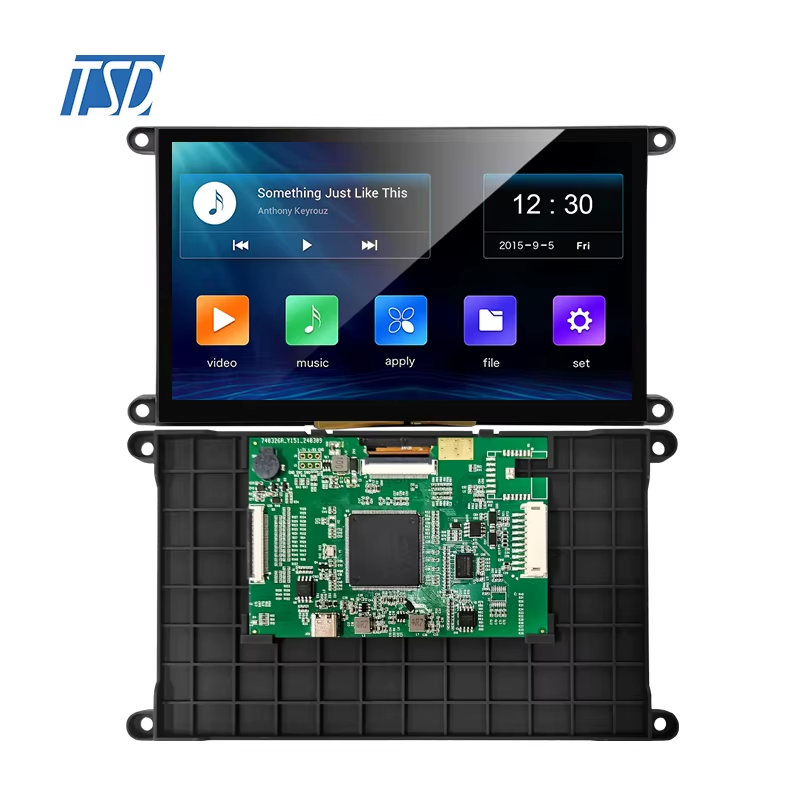
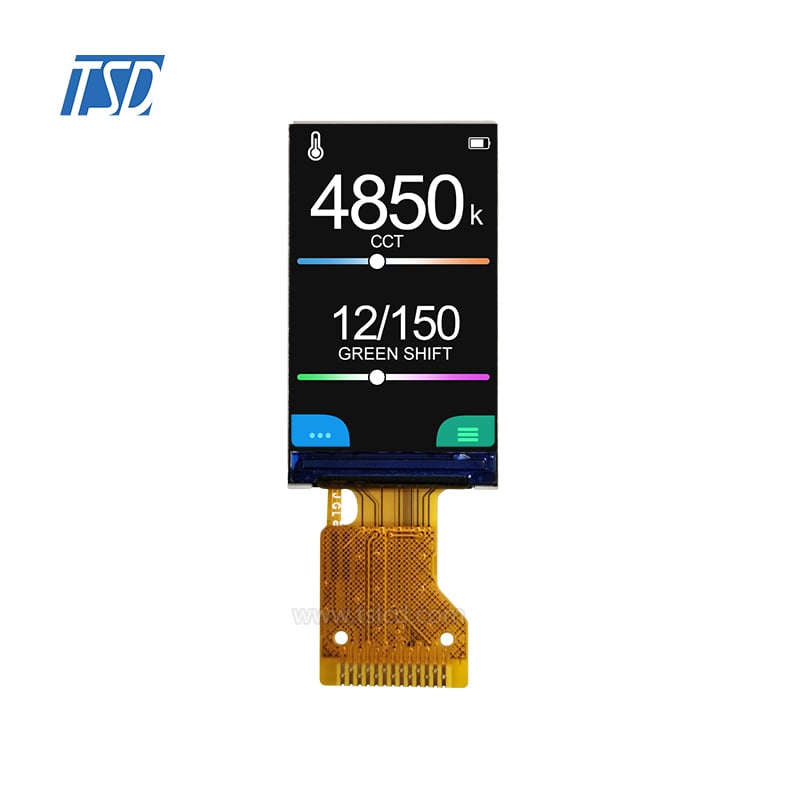
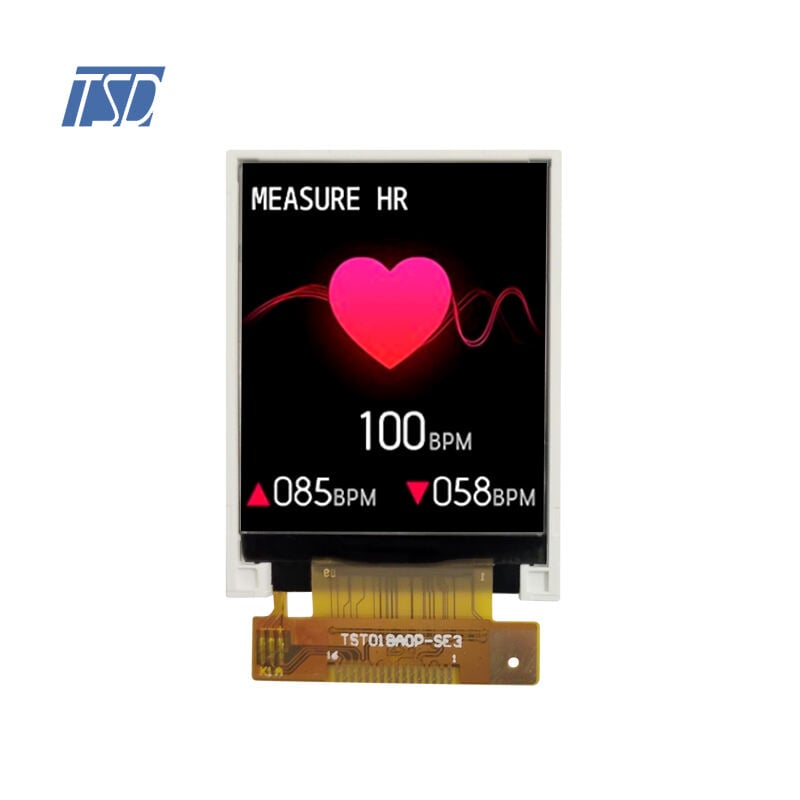
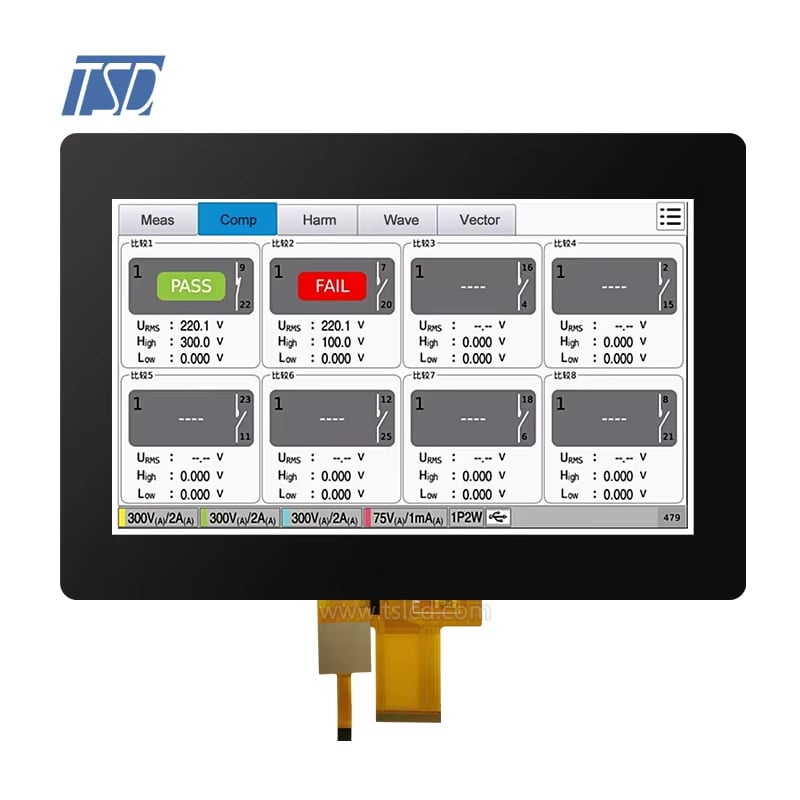
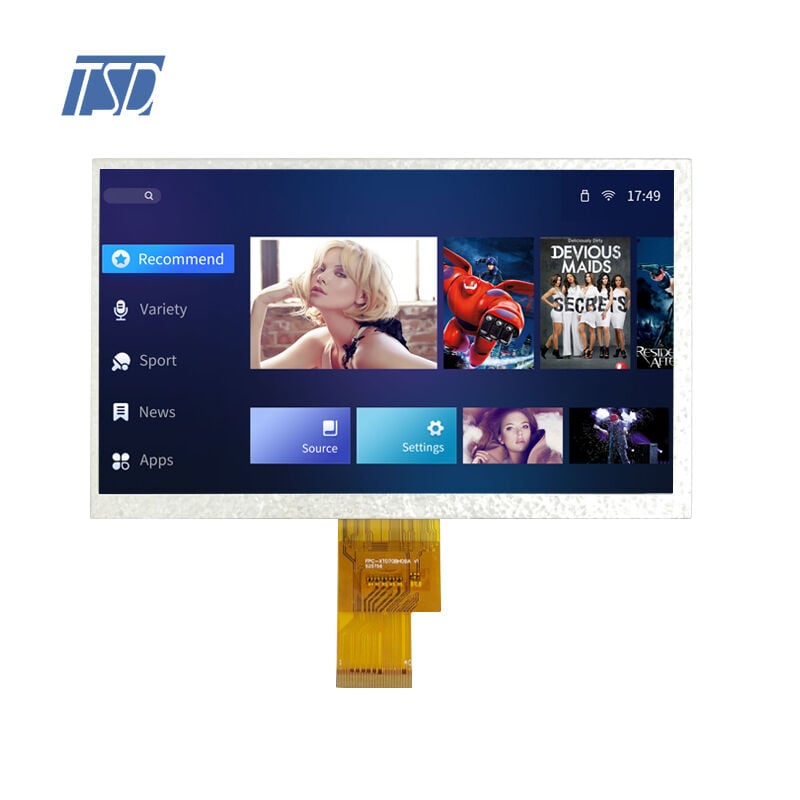
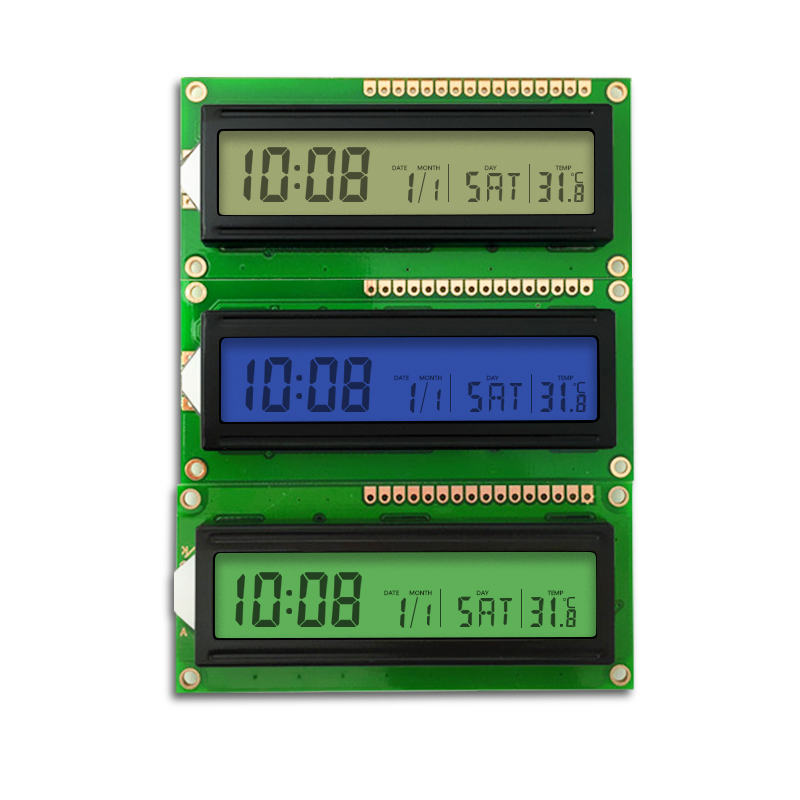
A 3.2 tft display is a compact liquid crystal display module that measures 3.2 inches diagonally, utilizing Thin Film Transistor technology to deliver vibrant visual performance in a space-efficient form factor. This display type integrates an active matrix LCD panel where each pixel is controlled by individual transistors, enabling precise color reproduction and rapid response times. The 3.2 tft display typically features resolutions ranging from 240x320 to 480x320 pixels, providing clear image quality suitable for embedded systems and portable devices. The technology behind the 3.2 tft display incorporates a backlight system that ensures consistent brightness across the screen, while the TFT layer manages voltage distribution to liquid crystal cells for accurate color and contrast control. Most 3.2 tft display modules support parallel or serial communication interfaces such as SPI, I2C, or RGB, facilitating seamless integration with microcontrollers and development boards. These displays commonly operate within voltage ranges of 3.3V to 5V, making them compatible with standard electronic components. The 3.2 tft display finds extensive application in handheld gaming devices, industrial control panels, medical monitoring equipment, automotive dashboard instruments, and DIY electronics projects. Its compact dimensions make the 3.2 tft display ideal for applications where screen real estate is limited but visual feedback remains essential. The technology supports touch screen overlays, transforming the display into an interactive interface for user input, which expands functionality in human-machine interface applications across various industries.

New Product Releases

The 3.2 tft display offers exceptional value through its balance of screen size and component footprint, making it perfect for projects requiring clear visual output without consuming excessive space or power resources. Users benefit from straightforward integration processes, as most 3.2 tft display modules arrive with pre-soldered connectors and comprehensive documentation that simplifies the connection to popular platforms like Arduino, Raspberry Pi, and STM32 microcontrollers. The cost-effectiveness of the 3.2 tft display makes it accessible for both hobbyists exploring electronics and manufacturers developing commercial products, providing professional-grade visual quality at budget-friendly price points. Operational advantages include low power consumption, which extends battery life in portable applications and reduces heat generation in enclosed devices. The viewing angle superiority of the 3.2 tft display compared to older LCD technologies ensures that screen content remains visible from multiple positions, enhancing usability in environments where users may view the display from varying angles. Durability represents another practical benefit, as the solid-state construction of the 3.2 tft display withstands vibrations and impacts better than larger, more fragile screens. Application suitability spans educational settings where students learn embedded programming, prototyping environments where developers test interface concepts, and production scenarios where manufacturers need reliable displays for finished products. The 3.2 tft display responds quickly to data updates, enabling smooth animations and real-time data visualization without noticeable lag. Decision-makers appreciate that the 3.2 tft display ecosystem includes abundant community support, code libraries, and example projects that accelerate development timelines and reduce technical barriers, ultimately shortening time-to-market for new products while maintaining quality standards.

Practical Tips

How Do TFT LCD Modules Deliver Superior Visual Performance?

17

Dec

How Do TFT LCD Modules Deliver Superior Visual Performance?

Modern display technology continues to evolve at a rapid pace, with TFT LCD modules standing at the forefront of visual innovation across multiple industries. These sophisticated display solutions have revolutionized everything from automotive dashbo...
View More
What Factors Determine the Quality and Durability of an LCM?

17

Dec

What Factors Determine the Quality and Durability of an LCM?

Liquid Crystal Module technology has revolutionized the way we interact with digital displays across countless industries. From automotive dashboards to industrial control panels, the quality and durability of an lcm system directly impacts user expe...
View More
How Does TFT LCD Offer Better Energy Efficiency and Stability?

14

Jan

How Does TFT LCD Offer Better Energy Efficiency and Stability?

Modern display technology continues to evolve rapidly, with TFT LCD displays leading the charge in delivering exceptional energy efficiency and operational stability across numerous applications. These advanced liquid crystal displays have revolution...
View More
How Do Character LCDs Offer Long-Term Stability in Harsh Environments?

11

Feb

How Do Character LCDs Offer Long-Term Stability in Harsh Environments?

Character LCDs have become indispensable components in industrial and commercial applications where reliability and longevity are paramount. These display technologies demonstrate exceptional resilience when operating under challenging environmental ...
View More

Get a Free Quote

Our representative will contact you soon.
Email
Name
Company Name
Mobile
WhatsApp
Message
0/1000

3.2 tft display

Superior Color Reproduction and Visual Clarity

Superior Color Reproduction and Visual Clarity

The 3.2 tft display excels in delivering vivid color representation through its active matrix technology, which provides individual control over each pixel for precise color mixing and intensity management. This technological approach enables the 3.2 tft display to render up to 65,536 colors in standard configurations or 16.7 million colors in high-end variants, creating rich visual experiences that effectively communicate data, graphics, and user interface elements. The importance of this capability becomes evident in applications requiring color-coded information, such as medical devices displaying vital signs in distinct hues or industrial equipment using color alerts for status indication. Users value the sharp contrast ratios that make text highly legible even in varying ambient light conditions, reducing eye strain during extended viewing periods. The backlight uniformity across the 3.2 tft display surface ensures consistent brightness without dark spots or uneven illumination that could compromise readability. For designers and engineers, this visual quality means their interfaces appear professional and polished, enhancing product perception and user satisfaction while maintaining the compact dimensions that modern devices demand.
Flexible Integration and Programming Support

Flexible Integration and Programming Support

The 3.2 tft display stands out for its exceptional compatibility with diverse hardware platforms and programming environments, offering multiple interface options that accommodate different technical requirements and expertise levels. Whether connecting through SPI for minimal pin usage or parallel interfaces for maximum speed, the 3.2 tft display adapts to project constraints without requiring specialized knowledge or expensive tools. Extensive library support across programming languages like C, Python, and Arduino IDE simplifies the coding process, with pre-built functions handling complex display operations so developers can focus on application logic rather than low-level driver implementation. This accessibility empowers makers and engineers to implement sophisticated graphical interfaces without deep expertise in display technologies. The 3.2 tft display benefits from active community contributions that continuously expand available resources, including touch calibration routines, graphical widget libraries, and performance optimization techniques. Documentation quality for the 3.2 tft display typically includes wiring diagrams, example code, and troubleshooting guides that reduce development friction and accelerate prototyping cycles, making it an ideal choice for time-sensitive projects and iterative design processes.
Optimal Size for Diverse Applications

Optimal Size for Diverse Applications

The 3.2 tft display occupies a sweet spot in screen dimensions, providing sufficient viewing area for meaningful content display while maintaining a compact physical profile that fits within space-constrained enclosures and handheld devices. This size advantage allows the 3.2 tft display to show multiple data fields simultaneously, display small graphics or icons clearly, and present menu systems with adequate touch targets for finger-based interaction when equipped with resistive or capacitive touch layers. Product designers appreciate how the 3.2 tft display enables creation of professional-looking devices without the bulk associated with larger screens, maintaining portability and aesthetic appeal. In control panel applications, the 3.2 tft display provides enough screen real estate to replace multiple discrete indicators and buttons with a unified digital interface, reducing component count and assembly complexity. The standardized 3.2-inch dimension means readily available mounting hardware, protective covers, and enclosure designs exist in the marketplace, simplifying mechanical integration and reducing custom fabrication costs. For educational purposes, the 3.2 tft display offers students a practical learning tool that demonstrates display principles without overwhelming beginners with excessive complexity or cost, making it a staple in electronics curricula worldwide.
3.2 TFT Display Guide: Features & Benefits

Have questions about the company?

Get a Free Quote

Our representative will contact you soon.
Email
Name
Company Name
Mobile
WhatsApp
Message
0/1000

Get a Free Quote

Our representative will contact you soon.
Email
Name
Company Name
Mobile
WhatsApp
Message
0/1000