character display
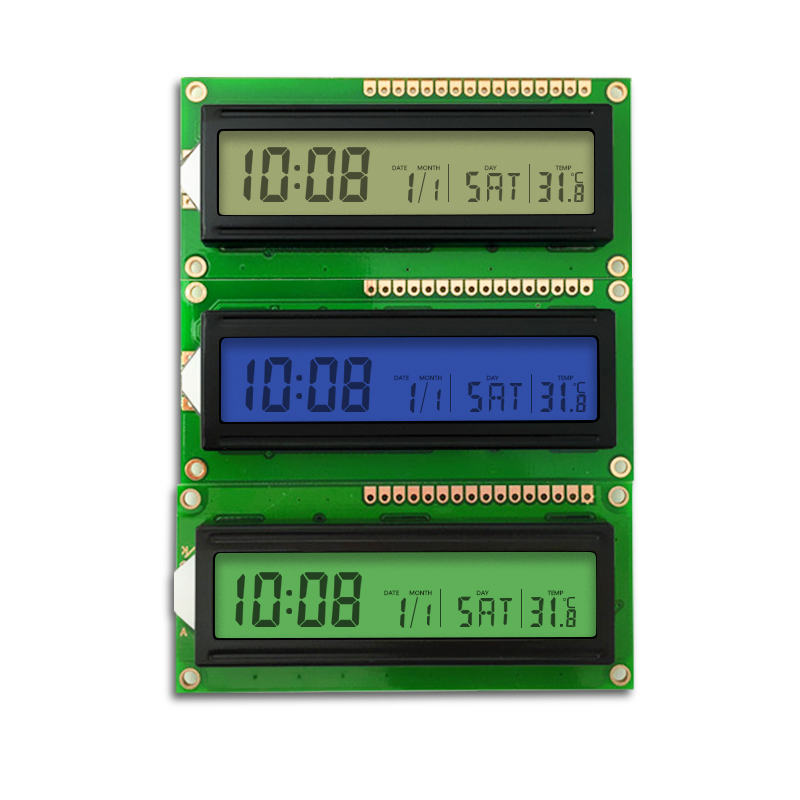
A character display is an electronic visual output device designed to present alphanumeric characters, symbols, and basic graphical elements in a structured format. Unlike pixel-based screens, a character display organizes information into fixed character positions, typically arranged in rows and columns such as 16x2, 20x4, or 40x2 configurations. These displays utilize various technologies including liquid crystal display (LCD), vacuum fluorescent display (VFD), and light-emitting diode (LED) matrices to render readable text and numbers. The primary function of a character display involves providing clear, legible information output for embedded systems, industrial equipment, consumer electronics, and point-of-sale terminals. Character displays excel in applications requiring straightforward data presentation without the complexity of full graphical interfaces. The technological features include low power consumption, simple interfacing protocols, high contrast ratios for excellent visibility, and robust construction suitable for harsh environments. Modern character display modules often incorporate backlight options, adjustable contrast controls, and standardized communication interfaces such as parallel, I2C, or SPI connections. These displays find extensive applications across medical devices, automotive instrumentation, home appliances, measurement instruments, access control systems, and telecommunications equipment. The character display remains a cost-effective solution for projects demanding reliable text output without the processing overhead associated with graphical screens, making it an ideal choice for battery-powered devices and resource-constrained microcontroller applications where efficiency and clarity are paramount.

 EN
EN