display i2c
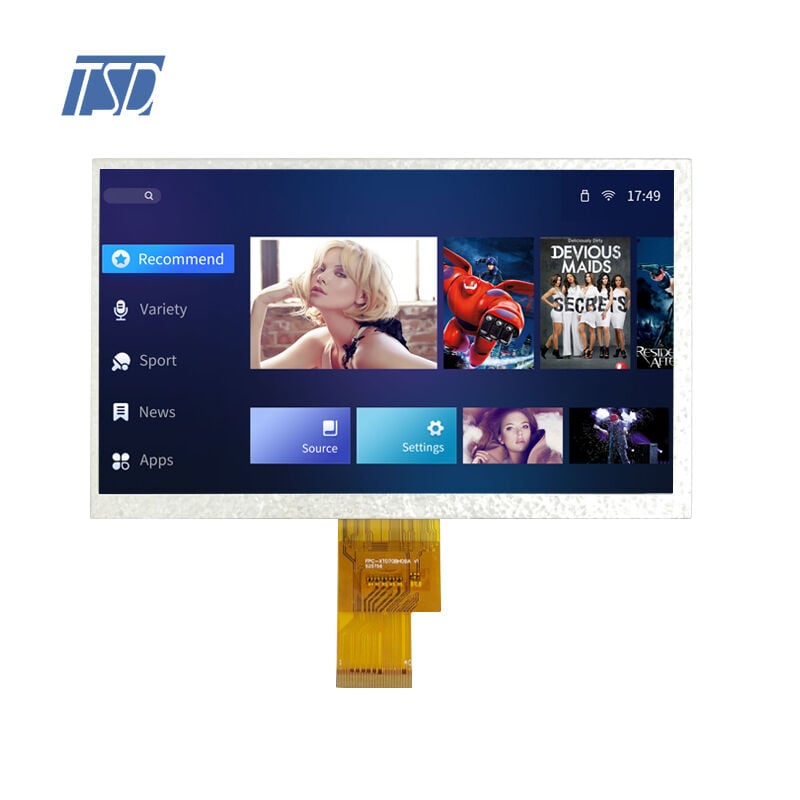
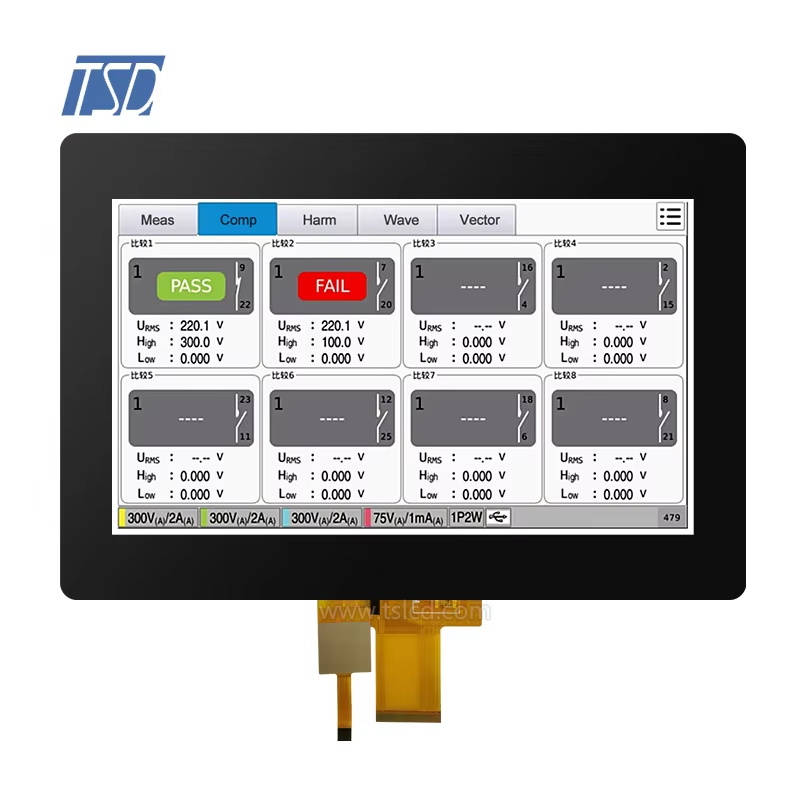
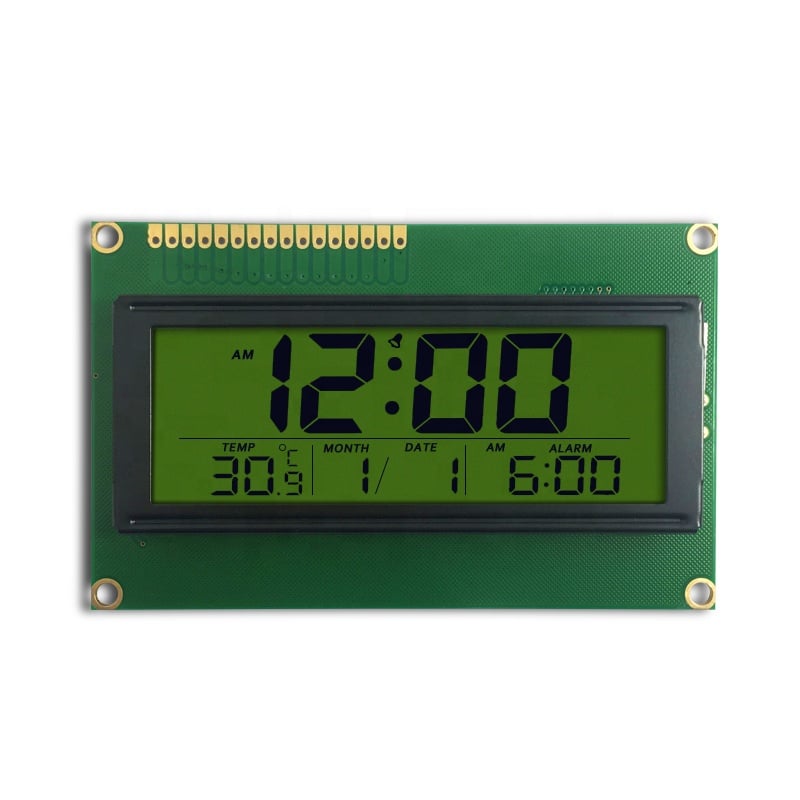
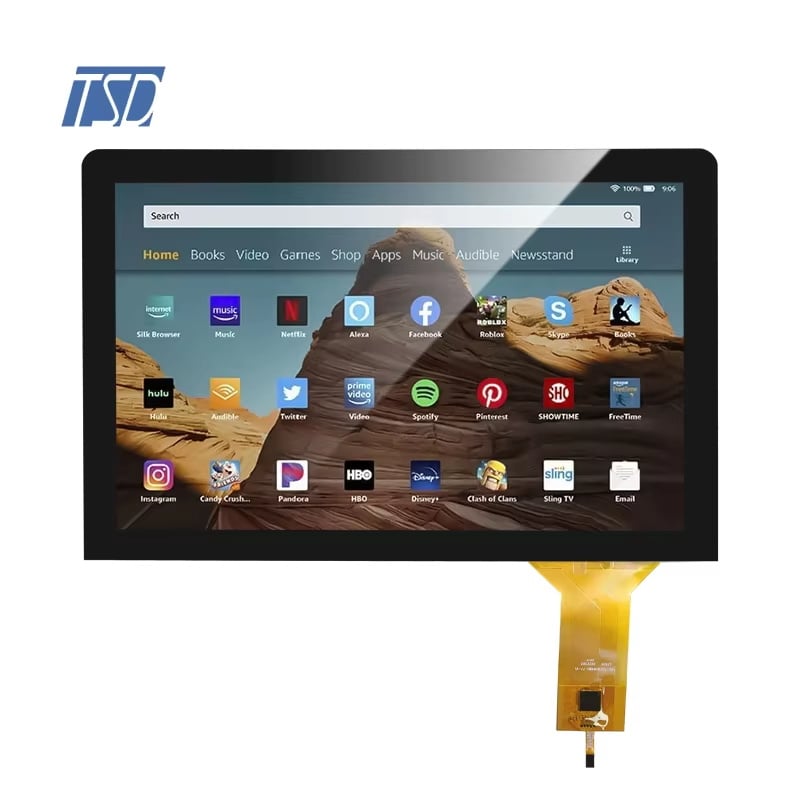
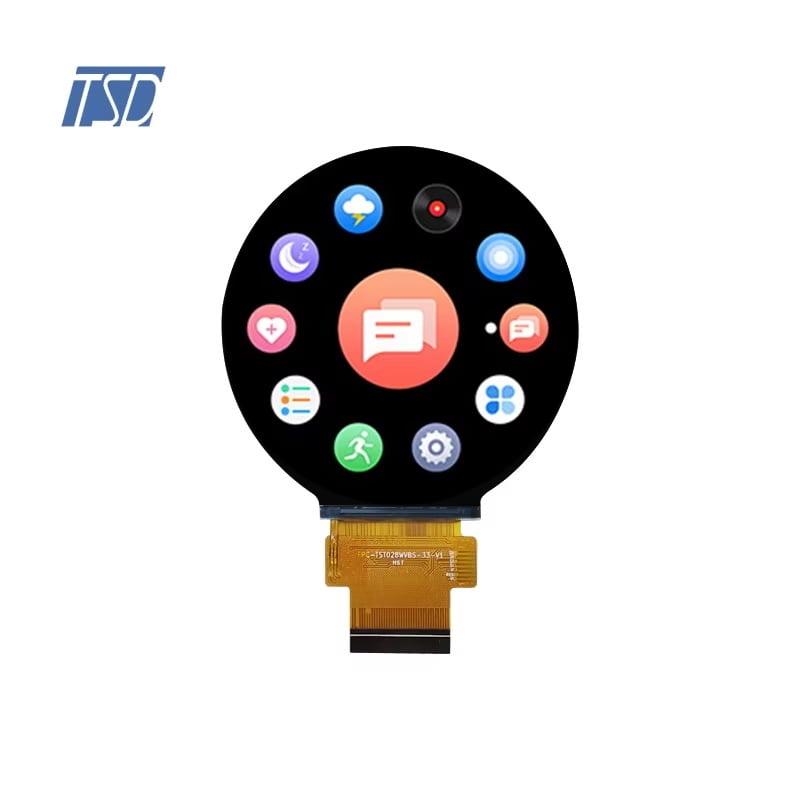
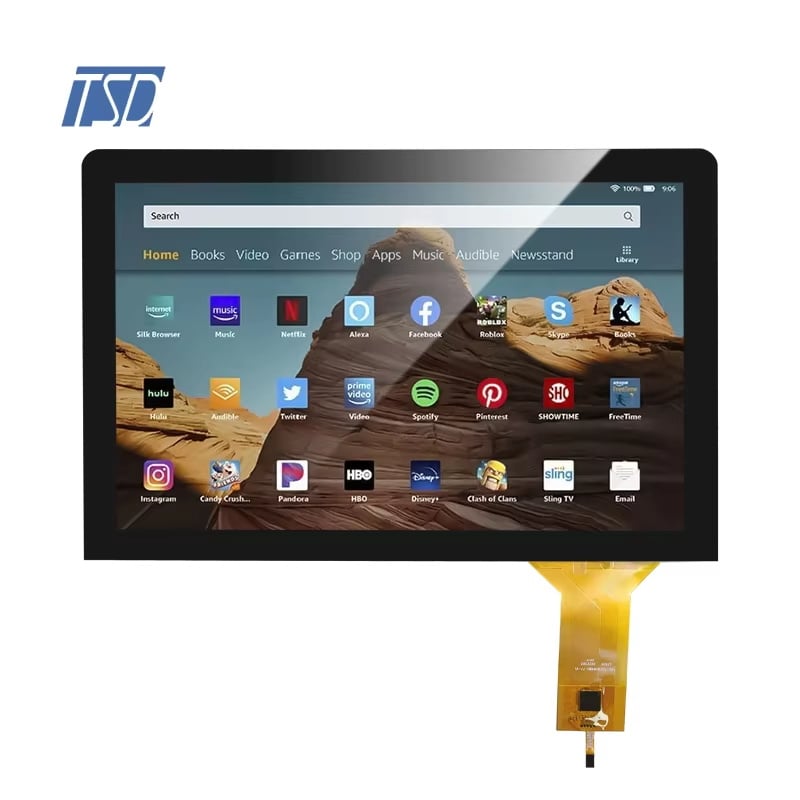
A display i2c represents an advanced interface technology that enables seamless communication between microcontrollers and visual output devices using the Inter-Integrated Circuit protocol. This innovative solution utilizes a two-wire serial communication standard, requiring only SDA (Serial Data) and SCL (Serial Clock) lines, making it an exceptionally efficient choice for modern electronic projects. The display i2c technology simplifies complex wiring configurations while maintaining reliable data transmission across various screen types, including OLED panels, LCD modules, and character displays. Engineers and developers appreciate how this interface reduces pin usage on microcontroller boards, freeing up valuable GPIO pins for additional sensors or components. The display i2c operates through addressable communication, allowing multiple devices to share the same bus without signal interference. This technology supports various screen resolutions and sizes, from compact 0.96-inch modules to larger panels exceeding several inches in diagonal measurement. The protocol facilitates bidirectional data exchange at speeds typically ranging from 100 kHz to 400 kHz, with some advanced implementations reaching 3.4 MHz. Compatible with popular development platforms like Arduino, Raspberry Pi, and ESP32, the display i2c has become a standard choice in embedded systems, IoT applications, and DIY electronics. Its plug-and-play nature, combined with extensive library support across programming environments, makes integration straightforward even for beginners while offering advanced features for experienced developers seeking robust visual output solutions.

 EN
EN