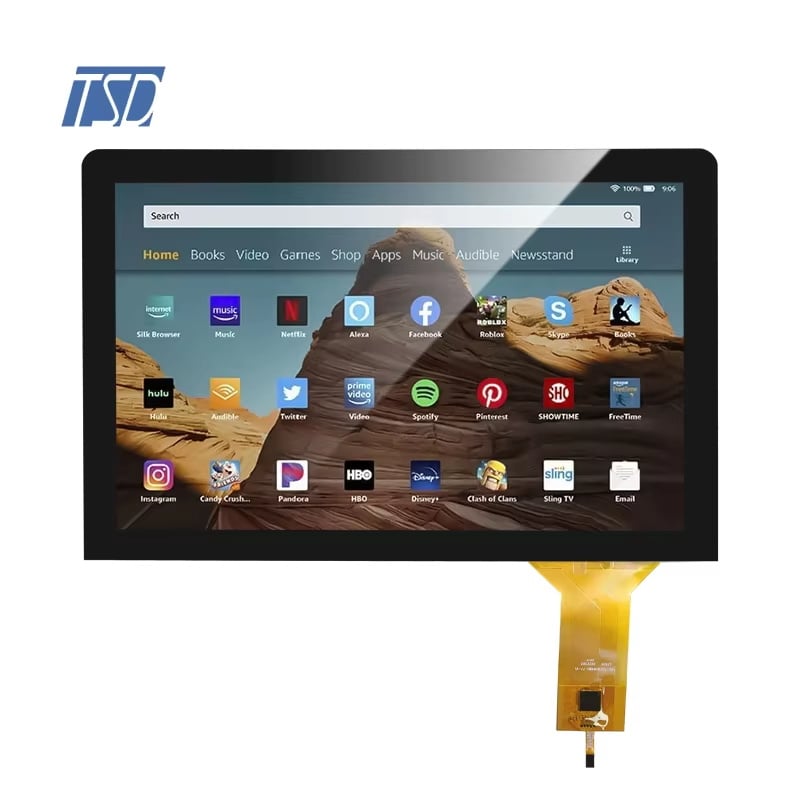
LCD Graphic Displays - Advanced Visual Solutions

Get a Free Quote

Our representative will contact you soon.
Email
Name
Company Name
Mobile
WhatsApp
Message
0/1000

lcd graphic

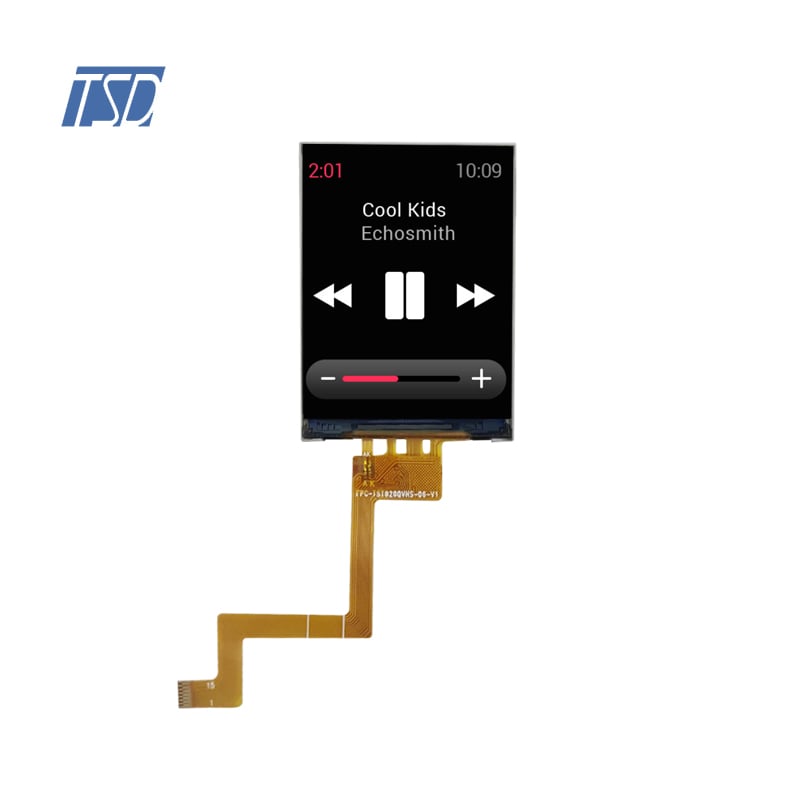
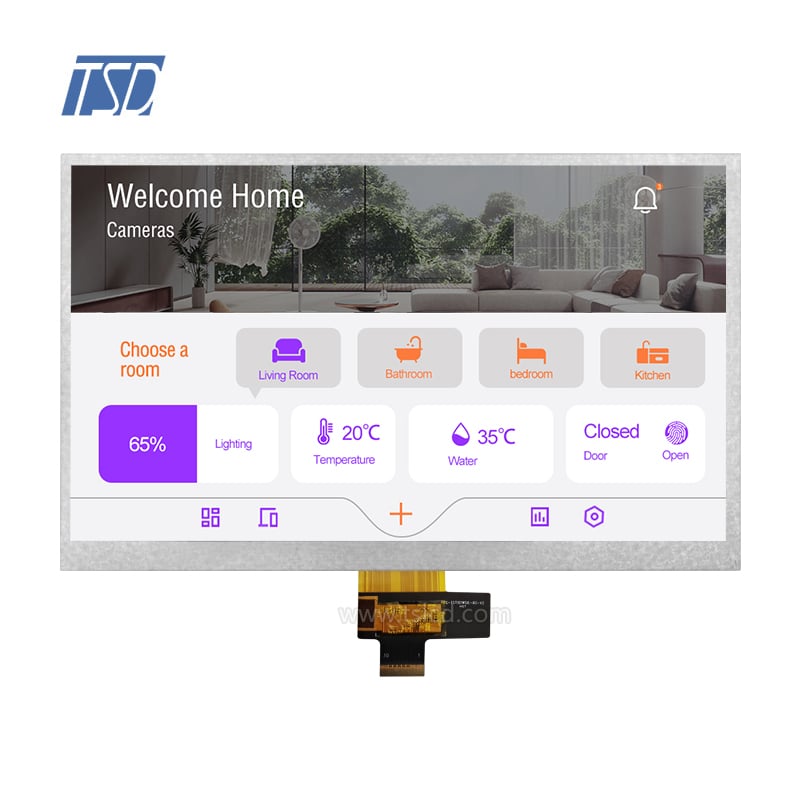
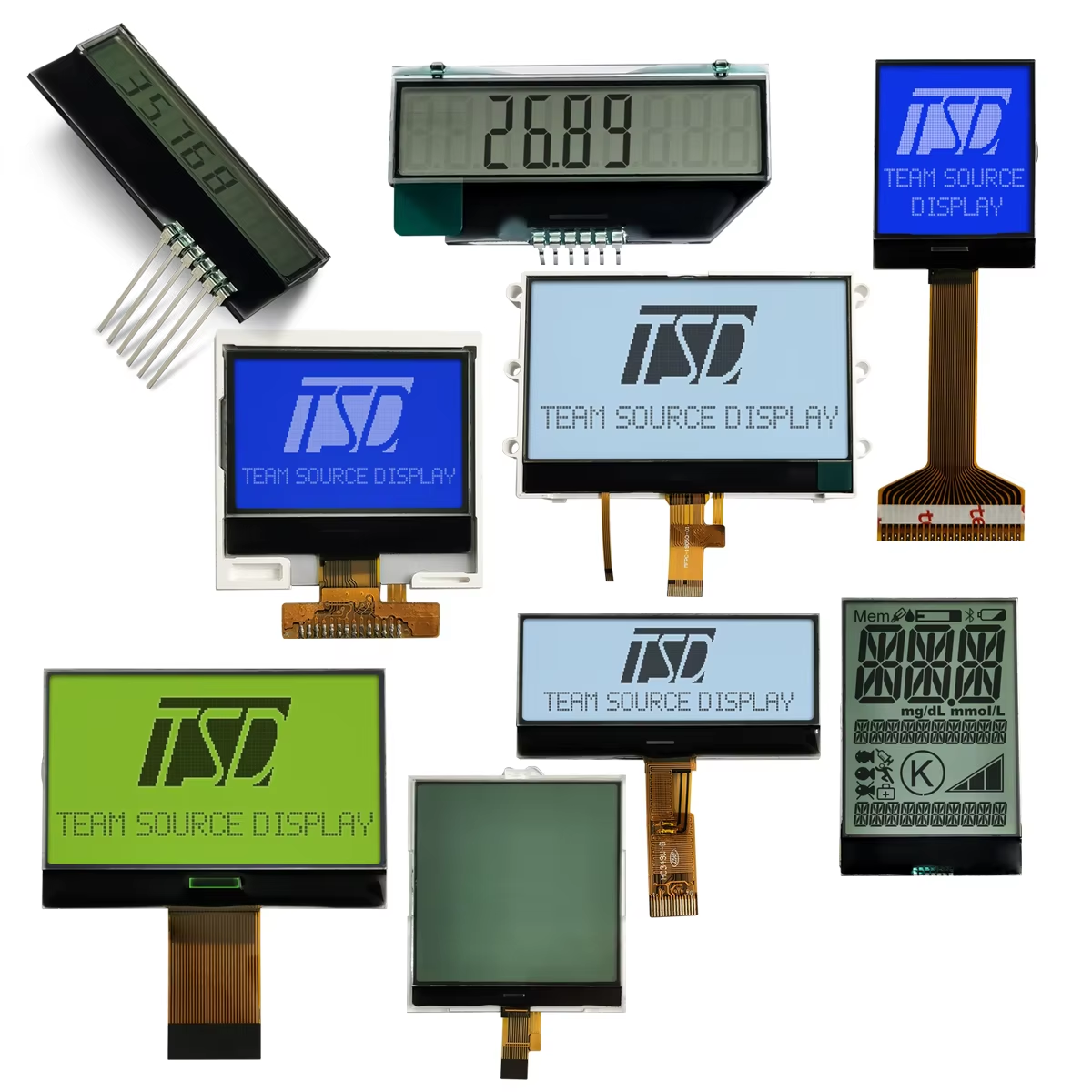
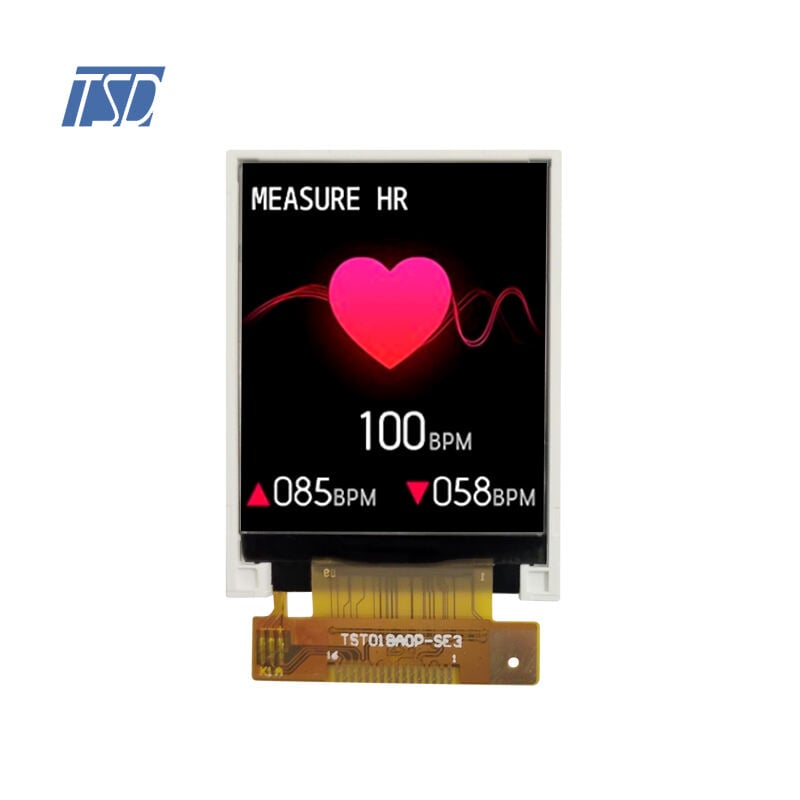
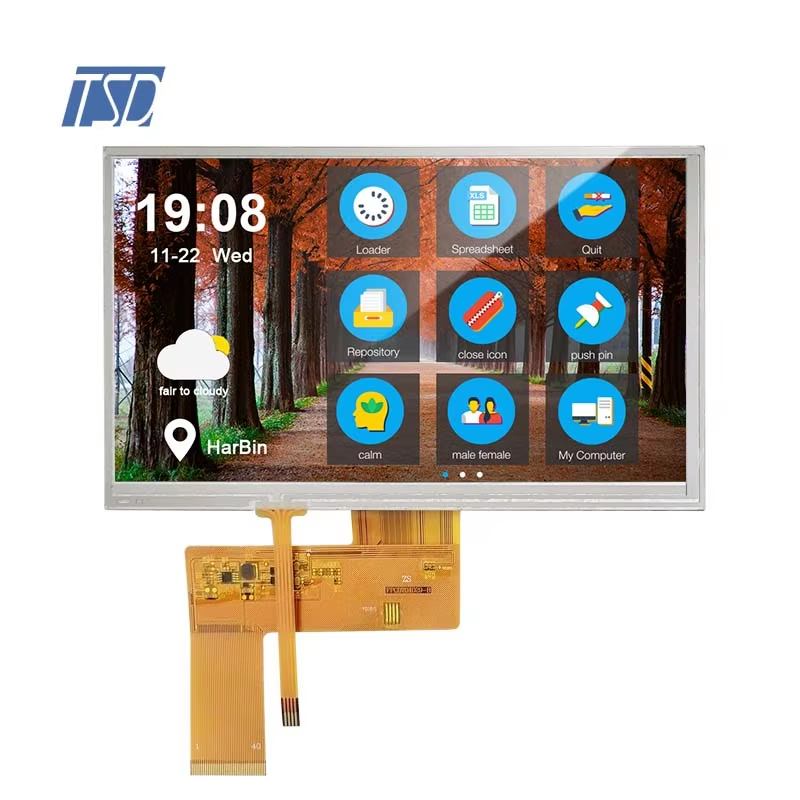
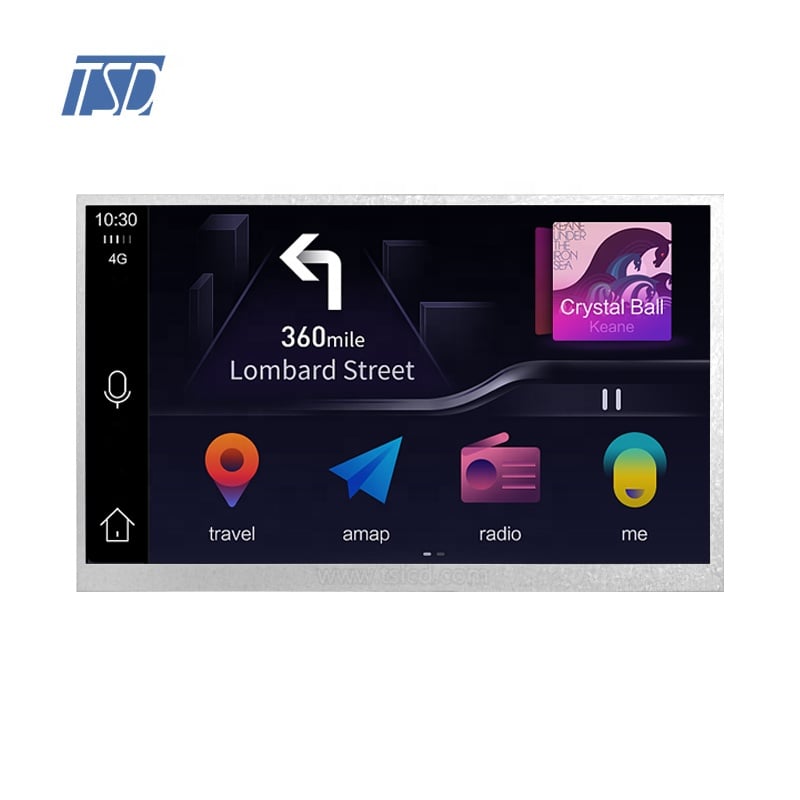
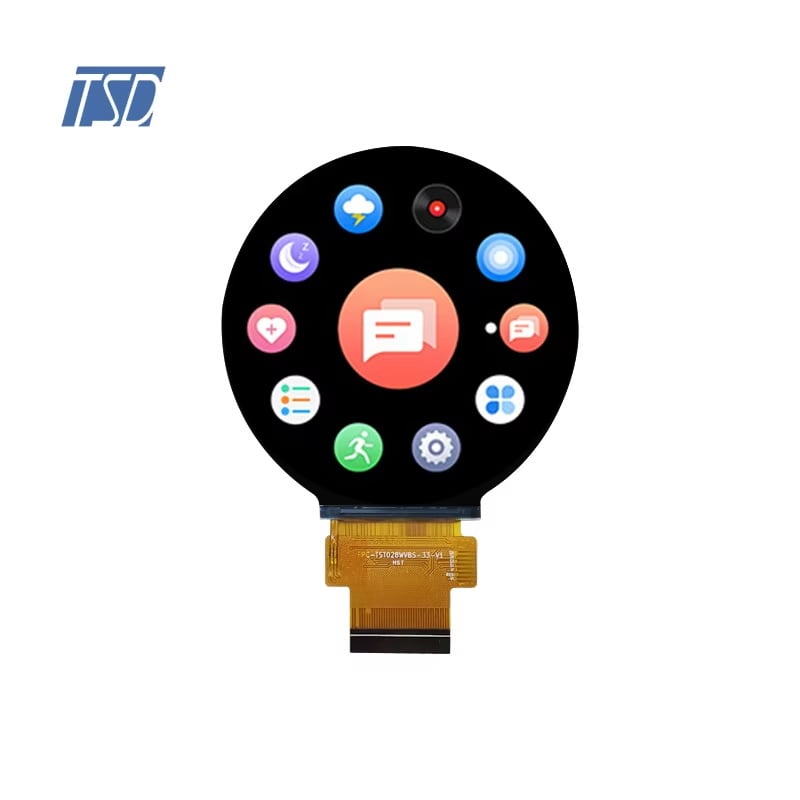
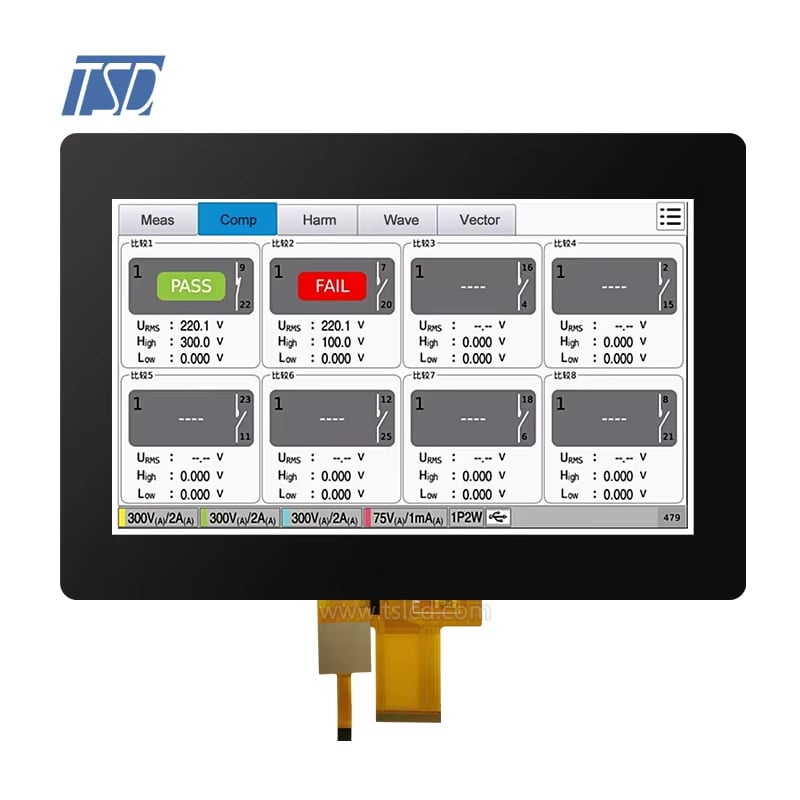
An lcd graphic display represents a sophisticated visual interface technology that combines liquid crystal display capabilities with advanced graphics rendering functions. This display solution utilizes liquid crystal molecules sandwiched between transparent electrodes to create customizable visual content, ranging from simple text to complex images and animations. The lcd graphic module operates by controlling the orientation of liquid crystals through electrical signals, which modulates light transmission to produce visible patterns and information. These displays integrate controller chips and driver circuits that interpret digital data and convert it into visual representations on the screen. Modern lcd graphic displays support various resolutions, from basic monochrome configurations to high-definition color panels, making them adaptable to diverse application requirements. The technology enables precise pixel-level control, allowing designers to create custom user interfaces, display sensor data, show status indicators, and present graphical information with clarity. These displays find extensive use in industrial equipment, medical devices, consumer electronics, automotive dashboards, home automation systems, and portable instruments. The versatility of lcd graphic technology stems from its ability to balance power efficiency with visual performance, offering readable displays in various lighting conditions while maintaining low energy consumption. With programmable interfaces and compatibility with multiple microcontroller platforms, these displays provide engineers and product designers with flexible solutions for human-machine interaction, making them essential components in modern electronic product development across numerous industries and application scenarios.

Popular Products

The lcd graphic display delivers exceptional value through its remarkable energy efficiency, consuming significantly less power compared to alternative display technologies, which translates directly into extended battery life for portable devices and reduced operational costs for permanently installed equipment. Users benefit from superior visibility across diverse lighting environments, as these displays maintain excellent readability in both bright sunlight and low-light conditions without requiring backlight adjustments. The display technology offers outstanding design flexibility, allowing product developers to create custom interfaces tailored to specific application needs rather than being constrained by pre-designed display formats. This customization capability accelerates product differentiation and enables brands to establish unique visual identities. The lcd graphic provides reliable long-term performance with typical operational lifespans exceeding 50,000 hours, minimizing maintenance requirements and replacement costs throughout the product lifecycle. Installation and integration prove straightforward thanks to standardized interfaces and comprehensive technical documentation, reducing development time and engineering resources needed for implementation. The display responds instantly to input commands, ensuring smooth animation and real-time data visualization that enhances user experience and operational efficiency. Temperature tolerance represents another practical advantage, with industrial-grade lcd graphic modules functioning reliably across extreme temperature ranges from -20°C to 70°C, making them suitable for harsh environmental applications. Cost-effectiveness emerges as a decisive factor, as lcd graphic technology offers an optimal balance between performance capabilities and acquisition costs, delivering professional-grade visual communication without premium pricing. The technology supports various communication protocols including SPI, I2C, and parallel interfaces, ensuring compatibility with existing system architectures and simplifying integration into both new and legacy equipment designs.

Tips And Tricks

How Can LCD Display Modules Improve Your Product’s User Experience?

27

Nov

How Can LCD Display Modules Improve Your Product’s User Experience?

In today's competitive electronics market, user experience has become the defining factor that separates successful products from those that fail to capture consumer attention. One of the most critical components influencing this experience is the vi...
View More
How Do TFT LCD Modules Deliver Superior Visual Performance?

17

Dec

How Do TFT LCD Modules Deliver Superior Visual Performance?

Modern display technology continues to evolve at a rapid pace, with TFT LCD modules standing at the forefront of visual innovation across multiple industries. These sophisticated display solutions have revolutionized everything from automotive dashbo...
View More
What Innovations Are Transforming the Touch Screen Module Industry?

17

Dec

What Innovations Are Transforming the Touch Screen Module Industry?

The modern digital landscape has witnessed unprecedented growth in interactive display technologies, fundamentally reshaping how users engage with electronic devices across industries. From smartphones and tablets to industrial control panels and aut...
View More
Why Are LCD Displays Still Leading the Global Display Market?

11

Feb

Why Are LCD Displays Still Leading the Global Display Market?

The display technology landscape has witnessed remarkable evolution over the past decade, with numerous innovations competing for market dominance. Despite the emergence of OLED, QLED, and microLED technologies, LCD displays continue to maintain thei...
View More

Get a Free Quote

Our representative will contact you soon.
Email
Name
Company Name
Mobile
WhatsApp
Message
0/1000

lcd graphic

Advanced Pixel-Level Graphics Control

Advanced Pixel-Level Graphics Control

The lcd graphic display excels through its sophisticated pixel-addressable architecture, granting designers complete control over every individual display element. This granular control enables the creation of complex visual compositions including custom fonts, company logos, detailed diagrams, trending graphs, and animated sequences that enhance information communication effectiveness. Unlike segmented displays with fixed patterns, the lcd graphic empowers developers to modify screen content dynamically through software, eliminating the need for hardware changes when updating visual designs. This flexibility proves invaluable during product development cycles, allowing rapid prototyping and user interface refinement without manufacturing delays. The pixel-level control supports multiple graphical layers, transparency effects, and smooth transitions that create professional-looking interfaces comparable to smartphone displays. Engineers can implement sophisticated visualization features such as progress bars, battery indicators, signal strength meters, and real-time waveform displays that provide users with intuitive feedback. The technology accommodates various resolution options, from compact 128x64 pixel configurations suitable for handheld devices to expansive 320x240 pixel panels ideal for information-rich applications, ensuring appropriate visual density for each specific use case and viewing distance requirement.
Exceptional Power Management Efficiency

Exceptional Power Management Efficiency

Energy consumption represents a critical consideration in modern electronics, and the lcd graphic display addresses this challenge through intelligent power management capabilities that dramatically reduce operational costs and environmental impact. The display technology inherently requires minimal power because it does not emit light but rather modulates existing illumination, with typical current consumption ranging from just 2 to 20 milliamperes depending on backlight settings and screen content complexity. This efficiency advantage becomes particularly significant in battery-powered applications, where the lcd graphic can operate continuously for months or even years on modest power sources. The display supports multiple power-saving modes including partial screen updates that refresh only changed pixels rather than the entire screen, reducing processing overhead and power draw. Adjustable backlight intensity allows users to optimize visibility against power consumption based on ambient lighting conditions, with many lcd graphic modules offering programmable dimming schedules that automatically reduce brightness during nighttime operation. The technology enables complete shutdown of inactive display sections, selectively powering only the screen areas currently presenting information. These sophisticated power management features combine to deliver operational efficiency that extends product battery life, reduces heat generation in enclosed systems, and contributes to lower total cost of ownership across the product lifecycle while supporting corporate sustainability initiatives.
Robust Industrial-Grade Reliability

Robust Industrial-Grade Reliability

The lcd graphic display distinguishes itself through exceptional durability and dependability engineered specifically for demanding operational environments where failure is not acceptable. Manufacturing processes incorporate rigorous quality control standards that ensure consistent performance across production batches, with components selected for their proven reliability records and resistance to environmental stressors. The display construction features sealed assemblies that protect sensitive liquid crystal layers and electronic components from moisture infiltration, dust contamination, and chemical exposure that could compromise functionality. Enhanced temperature stability allows the lcd graphic to maintain accurate visual reproduction and responsive operation across extreme thermal conditions, from freezing outdoor installations to high-temperature industrial settings near machinery and process equipment. Vibration resistance and mechanical shock tolerance meet stringent industrial specifications, ensuring the display continues functioning reliably in mobile equipment, transportation applications, and high-vibration manufacturing environments. The technology demonstrates excellent electromagnetic compatibility, operating without interference in electrically noisy environments while not generating emissions that could disrupt nearby sensitive equipment. Extended operational lifespan reduces maintenance burdens and replacement costs, with industrial lcd graphic displays routinely providing decades of continuous service. This reliability translates into reduced downtime, lower warranty costs, and enhanced brand reputation for equipment manufacturers who integrate these displays into their products.
LCD Graphic Displays - Advanced Visual Solutions

Have questions about the company?

Get a Free Quote

Our representative will contact you soon.
Email
Name
Company Name
Mobile
WhatsApp
Message
0/1000

Get a Free Quote

Our representative will contact you soon.
Email
Name
Company Name
Mobile
WhatsApp
Message
0/1000